Top trips from Cusco for Sacred Valley and beyond

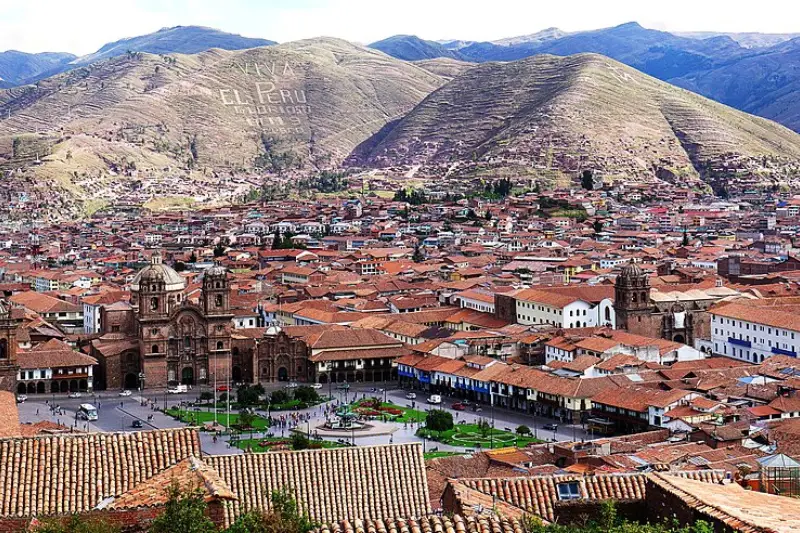
Cusco is not the final stop, it is the starting point. From here, roads branch out toward salt flats, mineral-streaked mountains, and ruins that barely show up on tourist maps. The city connects to all of it within a few hours.

Altitude shows up before anything else does. At 11,000 feet, climbing stairs leaves people winded on day one. Some visitors feel fine. Others do not leave the hotel until day two. Either way, pushing hard on arrival day tends to backfire.

trips from cusco

Mastering the Sacred Valley: How to Combine Maras, Moray, and Pisac Without a Private Driver

Gate tickets do not exist at most Sacred Valley ruins. The Boleto Turístico is what gets visitors in, and Partial Circuit 3 is the practical option for short stays. Seventy soles, valid two days, four sites:

  • Pisac: Steep terraced hillside with a large market running at the base. Gets crowded by mid-morning.
  • Ollantaytambo: Military fortress with original stonework intact. Not a ruin in the crumbling sense, more like a structure that simply stopped being used.
  • Moray: Concentric rings of terraces descending into a natural depression. Built to create different temperature zones for agricultural testing.
  • Chinchero: Small town, colonial architecture, families weaving with traditional methods. Quieter than the other stops.

Maras is ten soles at the gate, paid separately. Underground brine springs feed hundreds of shallow pools cut into a canyon hillside. Water sits in the pools, sun pulls the moisture out, salt remains. That cycle has been running for centuries without modification.

Transport between these sites does not require a private driver. Colectivos leave from Pavitos Street in Cusco throughout the day, shared minivans heading into the valley for a few soles. Pisac on Sunday works best before 11:00 AM. The market after tour buses arrive is a different and considerably more crowded place.

Navigating the Path to Machu Picchu: Comparing Train Options and the Classic Trek

Reaching Machu Picchu takes three bookings. The entry slot to the site comes first, no exceptions. Those time windows are capped and the desirable ones disappear well before the travel date. Train ticket comes second, matched to the confirmed slot. The Consettur bus up the mountain from Aguas Calientes comes third.

Reversing that sequence or skipping steps causes problems that are hard to fix close to the date.

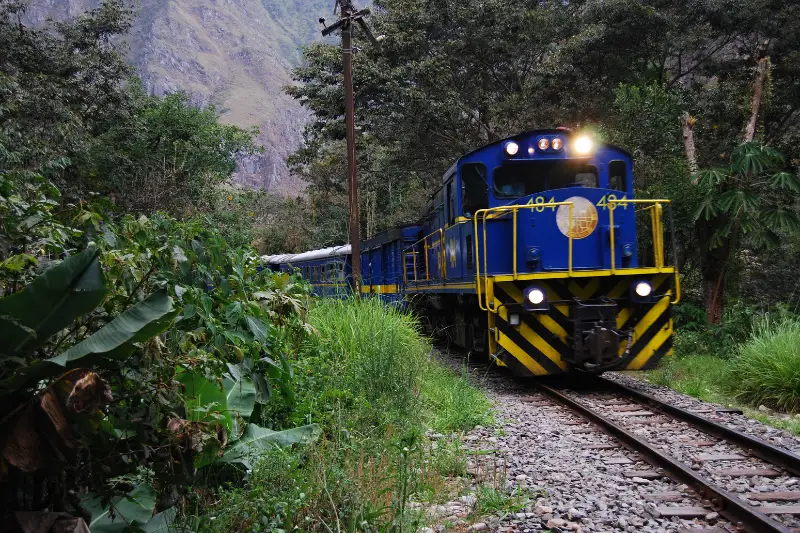
Ollantaytambo is where most visitors board the train, roughly two hours by road from Cusco. More departures run from there than from Poroy, which is closer to the city. Aguas Calientes sits at the end of the tracks, a dense town with no road access and one purpose: staging ground for the site above it.

PeruRail and Inca Rail cover the same route with three tiers each:

  • Expedition / Voyager: Reliable base option, standard seats, adequate windows.
  • Vistadome / 360°: Panoramic glass along the roof and sides, snack, short cultural performance.
  • Hiram Bingham: Meals, open deck, live music. The premium end of the spectrum.

That stretch of track passes through cloud forest and the scenery changes fast. Worth watching from any seat, not just the expensive ones.

trips from cusco

The High-Altitude Reality Check: Surviving Rainbow Mountain and Humantay Lake

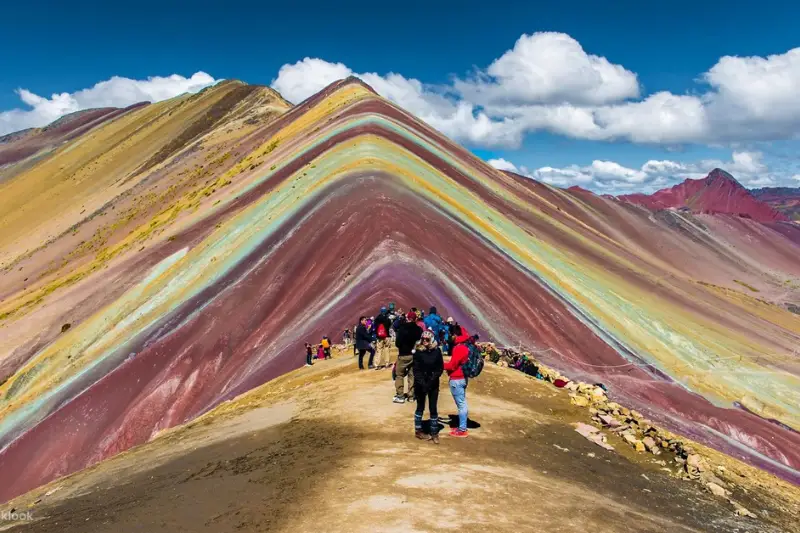
Vinicunca and Humantay both start at 3:00 AM. The road from Cusco takes three hours each way. Weather above 15,000 feet gets unpredictable in the afternoon, so late starts do not work. Most of the day is transit, not hiking.

Vinicunca sits above 17,000 feet. Short trail, serious altitude. Physical conditioning helps but does not determine the outcome. Some well-prepared visitors struggle. Some who did not prepare handle it fine. The body responds to altitude on its own schedule.

Palccoyo is the alternative most visitors do not research trips from cusco. The mineral coloring on the ridgelines looks nearly identical to Vinicunca. The trail is shorter, flatter, and far less crowded. Not a fallback option, just a different route to a similar result.

Before either hike:

  • Horses are available at the Vinicunca trailhead for the ascent. Using one is a practical energy decision, not a default for unfit visitors.
  • Pre-dawn temperatures and mid-morning temperatures at this elevation are dramatically different. Layers that pack small are not optional gear.

Andean Travel Intelligence: Seasonal Strategies and Packing Essentials

June to August is the dry season. Consistent sun, dry trails, and the heaviest visitor numbers of the year. December to March flips those conditions. Fewer people at every site, rain most afternoons, landscapes that look completely different from the dry season version.

Neither window is wrong. The question is whether crowds or afternoon rain is harder to deal with.

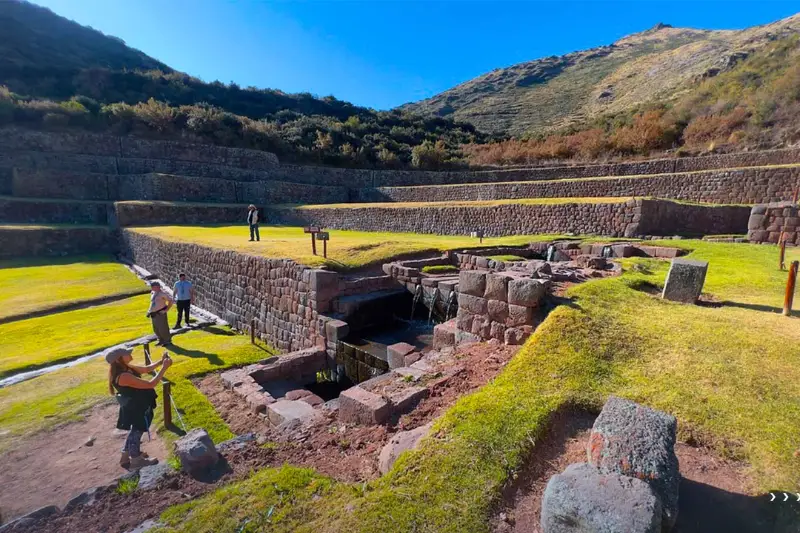
South Valley gets skipped on most itineraries of trips from Cusco. Tipón has Inca water channels that still function exactly as built. Pikillacta is Wari, not Inca, which makes it structurally and historically distinct from everything else nearby. No tour buses stop at either site and that fact alone makes them worth considering.

Day pack essentials regardless of destination:

  • High-SPF sunscreen. At altitude UV exposure is considerably stronger. Damage happens before discomfort signals it.
  • Rain poncho. Relevant across all months, not exclusively during the wet season.
  • Coca candy. Reduces nausea and the low-grade headache that altitude commonly produces.
  • Toilet paper. Rural facilities across the region do not stock it.
  • Soles coins. Bathroom fees at most sites, cash only, exact change often required.

trips from cusco

Your Cusco Blueprint: How to Sequence Your Trips for Success

Sacred Valley elevation is lower than Cusco. Starting there instead of going straight to high-altitude sites lets the body adjust without losing a day to rest. Heading to Rainbow Mountain on day two from Cusco without prior valley acclimatization consistently produces bad results.

Machu Picchu entry slots have hard caps. During peak months the popular morning windows sell out two months in advance. Booking after arriving in Cusco is not a minor inconvenience, it is a genuine risk of missing the site entirely. Train seats on early departures from Ollantaytambo go on the same timeline.

Week structure that works: easy first day in Cusco, valley sites on days two and three, Machu Picchu mid-week, demanding altitude hikes at the end. Tickets for everything bought before leaving home.

Q&A

How should I sequence my week in Cusco to handle altitude and still see the highlights?

Day one stays easy. Short walks inside the city, nothing requiring significant elevation gain. Sacred Valley fits days two and three since it sits lower than Cusco and continues the acclimatization process. Machu Picchu works mid-week. Rainbow Mountain and Humantay belong at the end of the trip. Tipón and Pikillacta in the South Valley are good options on any lower-energy day since both require minimal walking and draw almost no crowds.

What exactly is the Boleto Turístico Partial Circuit 3, and how do I pair it with Maras without a private driver?

Seventy soles, two-day validity, Pisac plus Ollantaytambo plus Moray plus Chinchero. Maras is a separate ten-sole ticket at the entrance. Colectivos from Pavitos Street in Cusco run to valley towns all day at low cost. Sunday at Pisac before 11:00 AM is a specific timing recommendation. After tour groups arrive mid-morning the market becomes significantly more crowded and less interesting.

How do I plan the logistics to Machu Picchu without a tour, and which train should I choose?

Entry slot first. Train second. Bus up the mountain third. Ollantaytambo is the standard boarding point after a two-hour road trip from Cusco. Train class is a budget question primarily. Expedition/Voyager handles the basics. Vistadome/360° adds panoramic windows and a snack. Hiram Bingham is full service at the top price. Cloud forest scenery on the route is good from any class.

Rainbow Mountain or Palccoyo, and how do I survive the altitude on these day trips?

Three in the morning, long day, applies to both. Vinicunca is harder physically with a steep climb at serious altitude. Palccoyo reaches similar scenery with less elevation gain and fewer people. Horses at the Vinicunca trailhead handle the uphill for visitors who want to conserve energy. Layers that remove easily matter. Nothing strenuous should be scheduled for the rest of that day.

trips from cusco

When is the best time to visit, and what are the must-pack essentials for Andean microclimates?

The dry season is sunny and crowded. The rainy season is quiet and afternoon rain. Pack sunscreen with high SPF, rain poncho, coca candy, toilet paper, and soles coins no matter when the trip happens. Morning and afternoon temperatures at altitude differ enough that carrying layers is standard practice, not optional preparation.