South Valley Cusco Tour Tipón Pikillaqta Andahuaylillas

When people visit Cusco, most go to the well-known Sacred Valley. But there is another beautiful place to explore—the South Valley. This area is quiet, full of history, and rich in real Andean culture

By visiting it, you can see a more authentic side of Peru. In the South Valley, you can explore Tipón, Pikillaqta, and Andahuaylillas, where you’ll find Inca engineering, pre-Inca history, and a famous colonial church.

The South Valley is less crowded, so you can enjoy the views and local life at a relaxed pace. As you travel, you’ll see old ruins, historic buildings, and friendly communities that show how people lived long ago.

Visiting the South Valley feels like going back in time. You can learn about the Incas, the Wari, and the colonial era—all in one trip. It’s a great way to discover hidden places and understand the deep history of the Andes.

South Valley Cusco

Tipón: A Masterpiece of Hydraulic Engineering

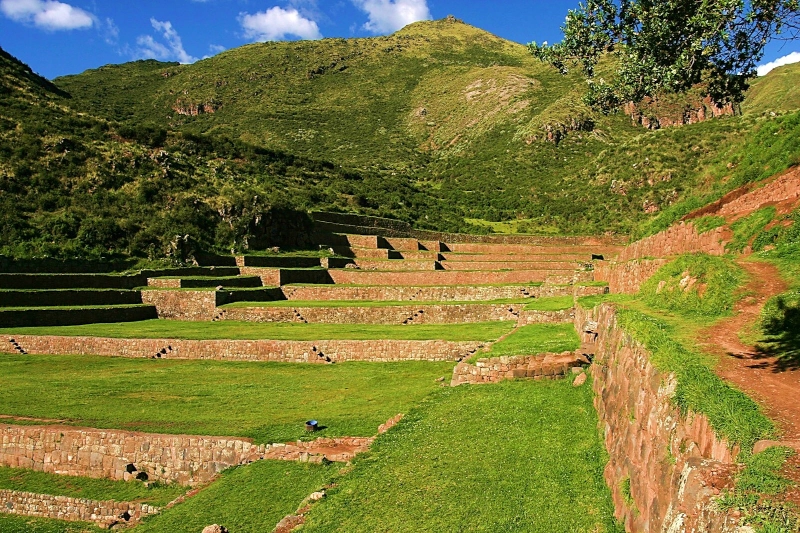
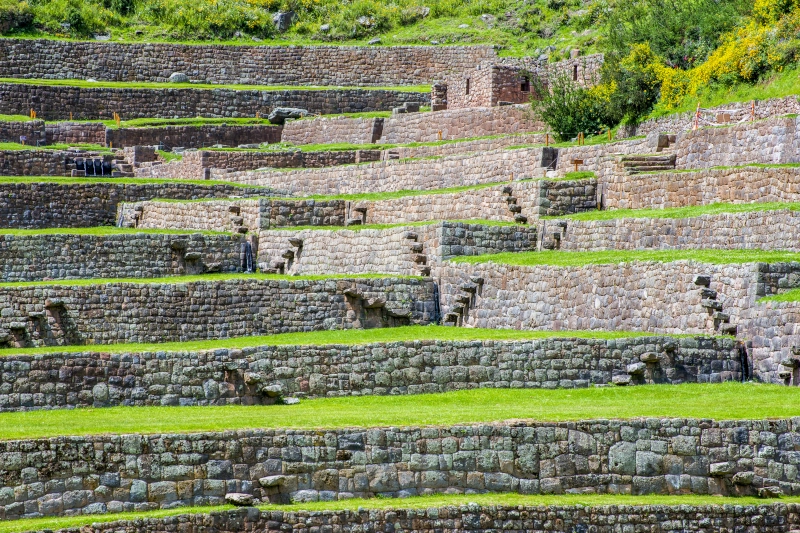
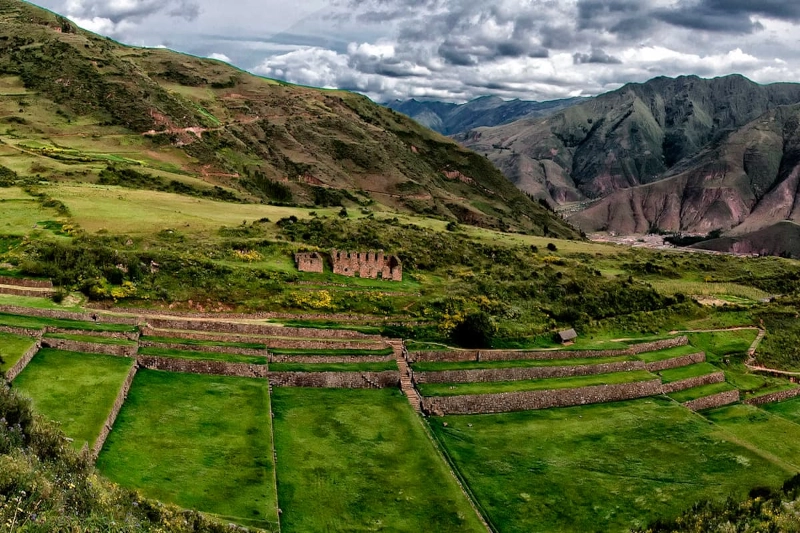
Tipón is more than an archaeological site. It clearly shows how well the Incas managed water and farming. Sitting at about 3,500 meters, it has terraces and aqueducts that still work after hundreds of years. The Incas shaped the steep hills into useful farmland, proving their strong engineering skills and smart use of the land.

The terraces were designed to bring water from a natural spring. This shows the Incas understood water flow and knew how to adapt to the mountains.

Walking through Tipón, you can imagine the hard work and planning behind it. Every part reflects careful thinking and a long-term vision. The Incas blended nature and design in a simple, effective way that has survived through time.

Tipón is not only a window into the past—it also teaches lessons about saving water and caring for the land. The site feels like an open classroom, showing how the Incas respected nature. It invites visitors to learn from ancient Andean wisdom and to think about how these ideas can guide us today.

South Valley Cusco

Pikillaqta: The Pre-Incan Legacy

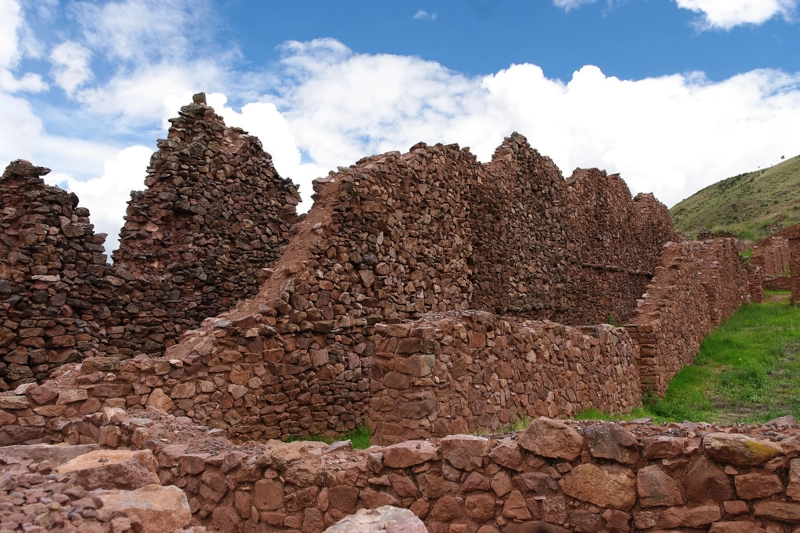
Pikillaqta lets you see life before the Incas. This ancient city belonged to the Wari culture. Its name means “louse town” in Quechua because the many small buildings look tightly packed together.

The Wari used Pikillaqta as an important administrative center. Its straight streets, grid layout, and multi-story buildings show strong planning skills. The design looks very different from Incan architecture, helping you see how Andean cultures changed over time.

Today, the ruins remind us that many cultures shaped the Andes. The Wari influenced the groups that came after them, including the Incas. Walking through Pikillaqta helps you understand how their ideas in city design and society left a lasting mark on the region.

South Valley Cusco

Andahuaylillas: The Sistine Chapel of the Andes

As you end your trip through the South Valley, you reach Andahuaylillas. This small town feels calm and welcoming, with a strong colonial style and deep history. The main highlight is the Church of San Pedro.

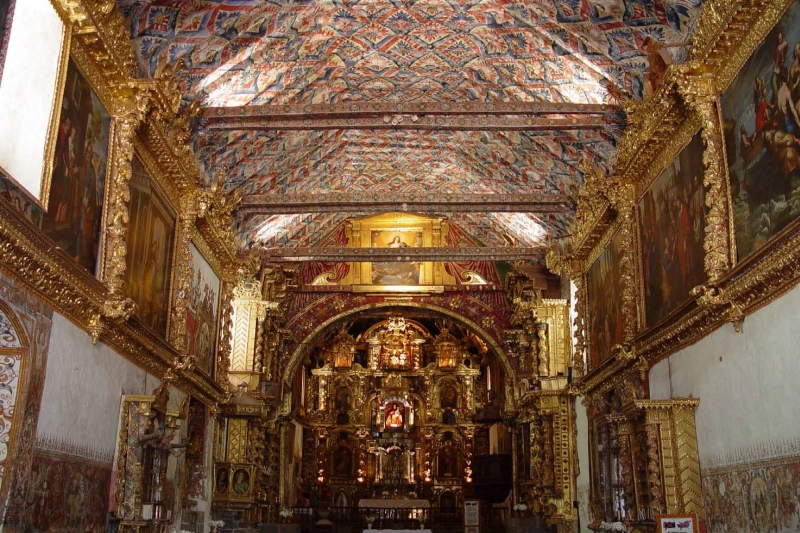
Many people call it the “Sistine Chapel of the Andes,” and the name fits. Inside, you see bright murals, detailed paintings, and gold decorations. Everything looks rich and beautiful, just like famous churches in Europe.

The Spanish built the church in the 16th century, and it is a true colonial masterpiece. The walls are full of colorful murals and baroque art. Each painting tells a story, mixing Catholic symbols with Andean designs. This blend shows how the two cultures came together during the colonial time, creating a unique and powerful visual story for every visitor.

South Valley Cusco

The Linguistic Harmony of Andahuaylillas

Andahuaylillas is not only full of art, but it is also an important place for language. The town has a strong Quechua history, and many people still speak and protect this ancient language. Spanish and Quechua live side by side here. This mix creates a rich and interesting setting for anyone who wants to learn about culture and history. The continued use of Quechua shows the strength of indigenous traditions and their ability to survive and grow through many years of change.

The church also shows this mix of languages. Many murals include words written in both Spanish and Quechua. These inscriptions reveal the double identity of the region during the colonial period. As you walk through Andahuaylillas, you can talk with the local community. Their stories, customs, and daily life help you understand the cultural balance that shapes this lively and meaningful town.

The Journey Beyond Sightseeing

The South Valley of Cusco is more than a group of historical sites. It is a journey through time, where every place shares its own story of creativity, cultural exchange, and strength. When you visit these sites, you see the region’s history in a complete and direct way. You witness the work of ancient civilizations and feel the lasting spirit of the Andean people.

Practical Tips for Your South Valley Tour

  • Altitude Awareness: If you are not used to high altitude, you may feel tired or dizzy. Stay in Cusco for a few days to adjust. Drink plenty of water and walk slowly. These steps help reduce altitude sickness and make your trip easier.
  • Timing and Access: Start early so you have enough time at each site. A good guide can explain the history and make each place more interesting. A guide helps you understand the stories behind Tipón, Pikillaqta, and Andahuaylillas.
  • Cultural Sensitivity: The ruins and the church are important to the people who live here. Be kind and curious when you speak with locals. Learn about their daily life and their culture during your visit

Expanding Your Cusco Experience

The South Valley is a great complement to the popular sites of Cusco. It offers a different way to experience the region’s rich history.

While most travelers visit the Sacred Valley, Salkantay, Humantay Lake or Machu Picchu, the South Valley leads you to quieter places. Here, you can discover hidden parts of Andean culture and learn how earlier civilizations shaped the Incan Empire.

Adding the South Valley to your trip gives you a fuller picture of Peru’s past. Each site adds to the story of innovation, strength, and cultural exchange.

Whether you enjoy history, art, or adventure, the South Valley offers experiences that leave a lasting impression.

South Valley Cusco

Conclusion: Embrace the Unexpected

In conclusion, the South Valley in Cusco is a great choice and a highly recommended tour for travelers who want to understand Andean history in a deeper way. It mixes old stories, smart engineering, and beautiful art, all surrounded by the Andes mountains.

Visiting Tipón, Pikillaqta, and Andahuaylillas lets you explore places that many people skip. Each spot shares a piece of the region’s long and rich past.

Let the South Valley surprise you. Each site feels like a chapter in the story of the Andes. Whether you travel a lot or are just starting, this route will help you appreciate Peru’s culture even more.