Vinicunca Discover Peru’s Rainbow Mountain

If you’re looking for a breathtaking adventure that combines stunning natural beauty and cultural richness, Peru’s Rainbow Mountain, known as Vinicunca, should be at the top of your list. Nestled in the Andes, this geological wonder is a palette of vibrant colors that has captured the hearts of travelers worldwide. In this guide, we will provide you with all the essential information you need to plan your journey to Rainbow Mountain, including the best routes, alternative options, and cultural insights.

The Rainbow Mountain

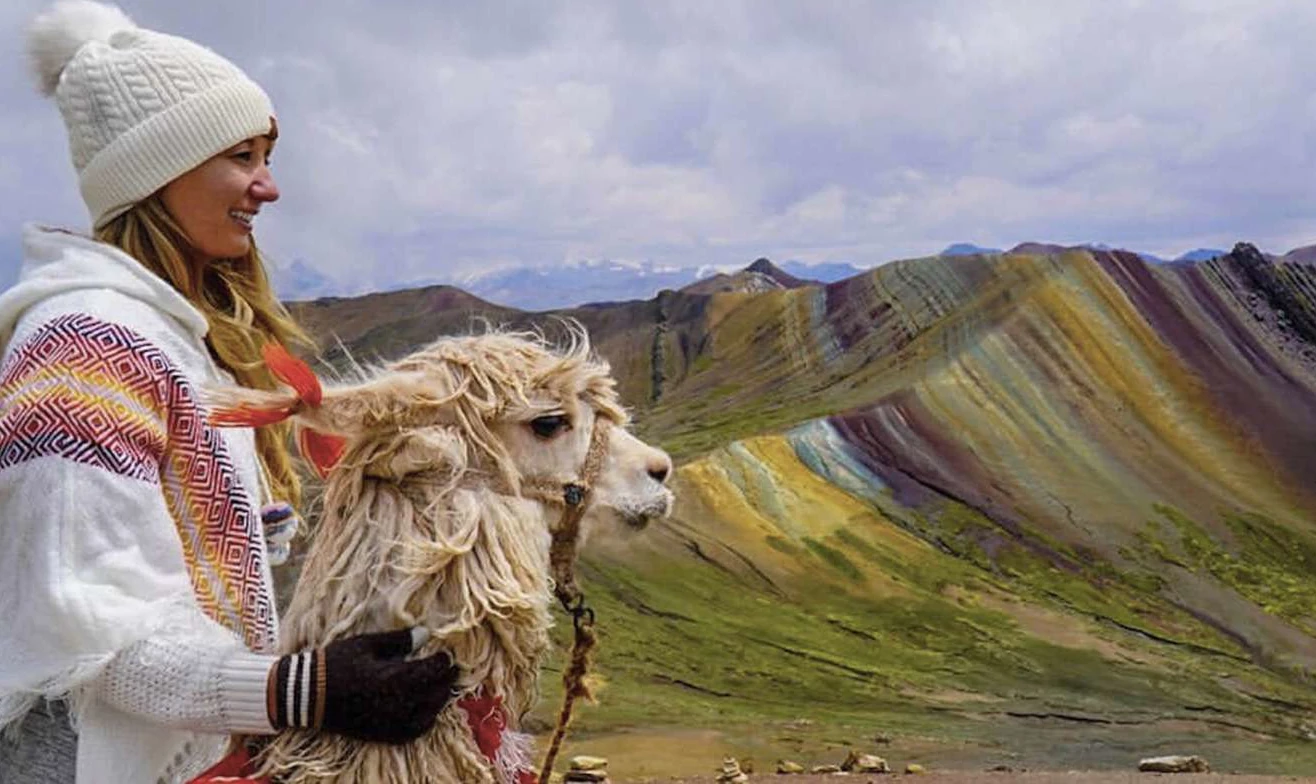
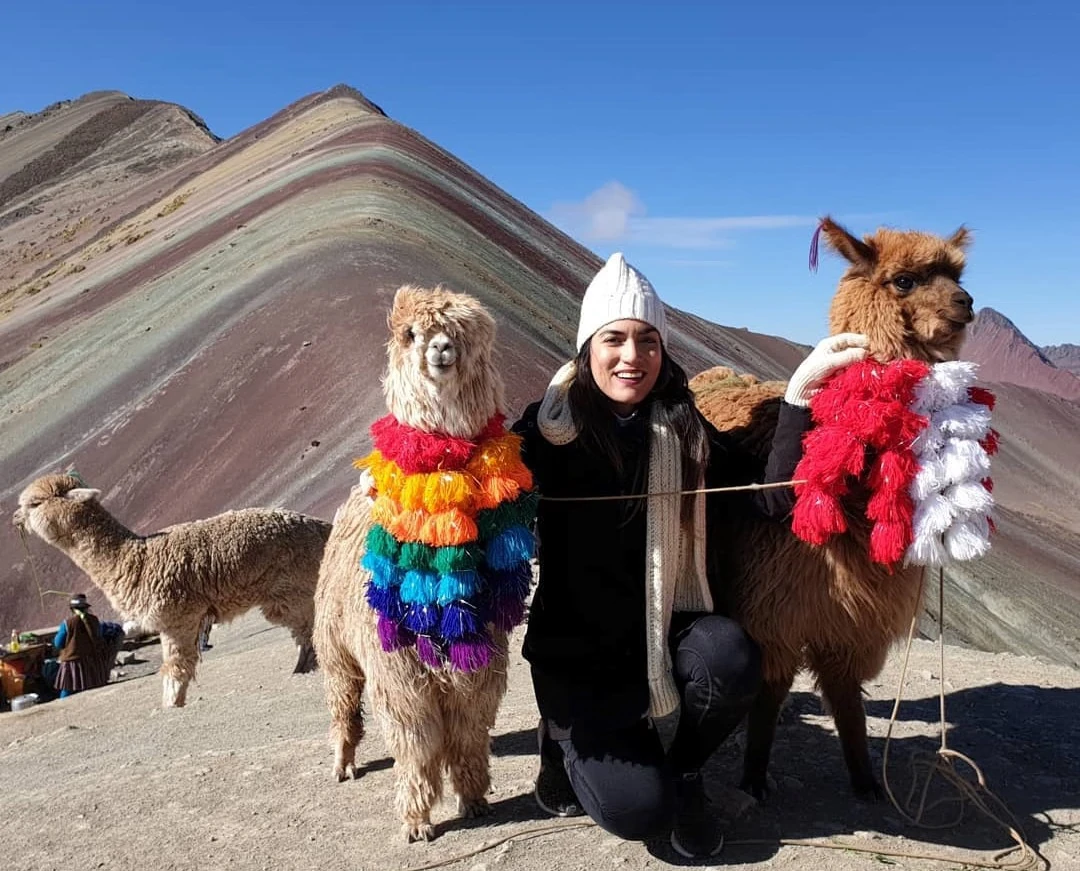
The allure of Rainbow Mountain lies in its extraordinary colors. The mountain’s stripes of red, yellow, green, and blue are the result of mineral deposits that have been exposed over millions of years. Situated over 5,000 meters above sea level, the view is nothing short of spectacular. However, reaching this natural masterpiece requires some preparation due to Cusco elevation and challenging terrain.

Geological Formation and Mineral Composition

vinicunca

Rainbow Mountain’s unique coloration is due to different mineralogical compositions. Red hues are from iron oxide rust, while greens come from chlorite. Yellows are due to iron sulfide, and the blues and purples arise from goethite or oxidized limonite. These minerals have been exposed through tectonic activity and erosion over millennia, creating a natural canvas that continually inspires awe.

At an elevation of 5,200 meters (17,060 feet), Vinicunca Rainbow Mountain presents a challenge even for seasoned hikers. Altitude sickness is a real concern, and it’s important to acclimate properly before attempting the trek. Spending a few days in Cusco, which sits at 3,400 meters, can help your body adjust to the altitude. Additionally, it’s advisable to take part in light activities in Cusco to gradually get used to the thinner air.

Preparing for the Trek

Preparing for the trek to Rainbow Mountain involves more than just physical fitness. Mental preparation is key, as the combination of high altitude and challenging trails can be daunting. Understanding the symptoms of altitude sickness, such as headaches, nausea, and dizziness, is vital. Being mentally prepared to handle these symptoms, should they arise, will make your journey safer and more enjoyable.

Trekking Options to Rainbow Mountain

vinicunca

There are several ways to experience Rainbow Mountain, with tours ranging from one-day hikes to multi-day treks that include the surrounding Ausangate region. Most Vinicunca Peru tours depart from Cusco and provide transportation, meals, and a guide. It’s important to choose a reputable tour operator who prioritizes safety and has knowledgeable guides.

If you’re short on time, the one-day Rainbow Mountain tour is a popular option. It typically starts early in the morning and includes a 3-hour drive to the trailhead, followed by a 3-4 hour hike to the summit. This option is great for travelers who want a taste of the mountain’s beauty without committing to a multi-day expedition. Ensure your tour operator provides oxygen tanks and first aid kits for peace of mind.

For those seeking a more immersive experience, consider the Ausangate trek, which spans several days and offers a deeper exploration of the region’s landscapes and cultures. This trek not only covers Rainbow Mountain but also introduces you to the stunning scenery of glacial peaks, pristine lakes, and remote Andean villages. The longer duration allows for better acclimatization and a more comprehensive cultural experience.

Choosing a Reputable Tour Operator

Selecting the right tour operator is crucial for a safe and enjoyable experience. Look for operators with excellent reviews, experienced guides, and a commitment to sustainable tourism. A good operator will offer detailed itineraries, clear communication, and a focus on respecting the local culture and environment. It’s worth investing time in researching and selecting a tour that aligns with your preferences and values.

For those seeking a less crowded and equally stunning experience, Palccoyo offers an excellent alternative to Vinicunca. Known as the “Alternative Rainbow Mountain,” Palccoyo features similar colorful landscapes without the crowds. The hike is also less strenuous, making it a great option for those concerned about altitude or fitness levels.

Palccoyo is not just an alternative but a unique destination in its own right. The area is home to multiple rainbow-colored mountains, offering a panoramic view that rivals Vinicunca. The hike to Palccoyo is shorter and less steep, making it accessible to a wider range of hikers. The tranquility of Palccoyo allows visitors to soak in the natural beauty without the hustle and bustle of larger crowds.

Exploring Palccoyo: The Alternative Experience

vinicunca

Reaching Palccoyo Rainbow Mountain involves a similar journey from Cusco, but the final hike is shorter and less demanding. The travel time is approximately three hours by car, and the hike itself takes about 1-2 hours, depending on your pace. Tour operators offer packages similar to those for Vinicunca, with transportation, guides, and meals included. It’s an excellent option for families or those who prefer a more relaxed trekking experience.

Like Vinicunca, Palccoyo is nestled in a region rich with indigenous culture. Visitors have the opportunity to interact with local communities, learn about their traditions, and purchase handmade crafts. The less-touristed nature of Palccoyo often results in more personal interactions, providing a deeper cultural experience. Respectful engagement with the locals can lead to memorable exchanges and a greater appreciation for the region’s heritage.

Tips for a Successful Trek

When preparing for your trek, it’s crucial to pack appropriately. Here’s a quick checklist of essentials:

  • Sturdy Hiking Boots: The terrain can be rocky and uneven, so proper footwear is a must.
  • Warm Clothing: Temperatures can drop significantly, especially in the early morning and late afternoon.
  • Rain Gear: The weather in the Andes can be unpredictable, so a waterproof jacket is advisable.
  • Sunscreen and Hat: The high elevation means stronger UV rays, so protect your skin.
  • Snacks and Water: Keep hydrated and energized during your hike.

Layering is key when dressing for the trek, as temperatures can vary significantly throughout the day. Start with a moisture-wicking base layer to manage sweat, followed by insulating layers to retain warmth. A waterproof and windproof outer layer is crucial to protect against the elements. Accessories like gloves and scarves can also help keep you comfortable in colder temperatures.

Nutrition and Hydration Strategies

In addition to clothing, certain gear is indispensable for a successful trek. A quality backpack with a hydration system can keep you organized and hydrated. Trekking poles can provide stability on uneven terrain, reducing the risk of injury. A headlamp is useful for early morning starts or if you find yourself returning later than planned. Don’t forget a basic first aid kit for minor injuries or ailments.

Proper nutrition and hydration are vital for maintaining energy levels during the trek. Pack high-energy snacks like nuts, dried fruit, and energy bars to keep your stamina up. Staying hydrated is crucial, especially at high altitudes where dehydration can exacerbate altitude sickness. Carry sufficient water and consider using a hydration system for easy access. Electrolyte solutions can help maintain balance and prevent cramping.

  • Acclimatize: Spend a few days in Cusco to adjust to the altitude.
  • Pace Yourself: Take it slow and listen to your body. It’s not a race.
  • Stay Informed: Keep an eye on the weather and be prepared for sudden changes.

Safety and First Aid Essentials

vinicunca

Proper acclimatization is crucial to avoid altitude sickness, which can spoil your adventure. Spend at least two to three days in Cusco or another high-altitude location before your trek. During this time, engage in light activities to help your body adjust. Drinking coca tea and staying hydrated can also aid acclimatization. If symptoms persist, it’s important to descend to a lower altitude and seek medical advice.

Pacing yourself during the trek is essential to ensure a safe and enjoyable experience. Pay attention to how your body feels, and don’t hesitate to take breaks if necessary. If you experience symptoms of altitude sickness, such as headache or nausea, stop and rest. It’s important to communicate with your guide about any health concerns. They are trained to assist and can provide support if needed.

Staying Informed About Weather Conditions

The weather in the Andes can change rapidly, so staying informed is key. Check the forecast before you set out and be prepared for sudden changes. Carrying rain gear and warm clothing will help you cope with unexpected weather shifts. Guides will often have the latest information on weather conditions, so be sure to heed their advice. Being prepared for all eventualities will ensure a smoother and more enjoyable trek.

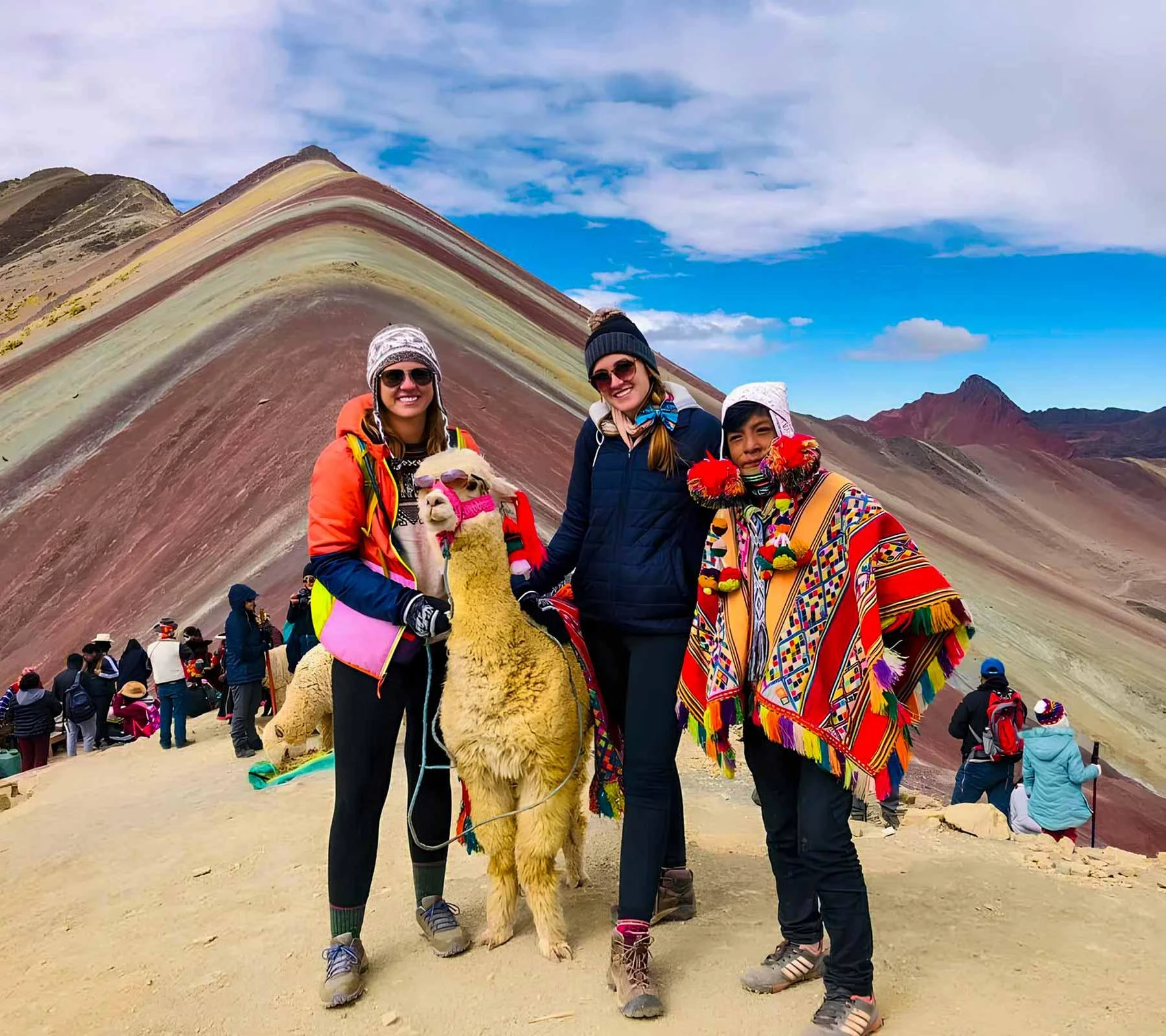
The Rainbow Mountain region is not just about breathtaking vistas; it’s also rich in cultural heritage. The indigenous communities, primarily the Quechua-speaking people, have lived in harmony with this land for generations. As you trek, you’ll likely encounter locals herding llamas or selling handmade crafts. Engaging with them respectfully and learning about their traditions can enrich your experience.

The Role of the Quechua People

The Quechua people have a deep connection to the land, which is reflected in their traditions and way of life. Agriculture and livestock herding are central to their culture, with llamas and alpacas playing a crucial role in daily life. Traditional clothing, often woven from alpaca wool and adorned with vibrant patterns, is a testament to their rich heritage. Understanding and appreciating these customs can deepen your appreciation of the region.

By purchasing handmade crafts and engaging with local services, you can support the communities that call Rainbow Mountain home. Many Quechua families rely on tourism for their livelihoods, and your contributions can help sustain their traditional way of life. When buying souvenirs, look for authentic, handmade items that reflect the local culture. This not only provides a meaningful memento of your trip but also supports the artisans who create them.

Responsible Tourism and Community Engagement

Respectful engagement with local communities is crucial for a positive cultural exchange. Learning a few basic phrases in Quechua or Spanish can go a long way in showing respect and building rapport. Always ask for permission before taking photographs of people or their homes. Being mindful of cultural norms and traditions will ensure that your interactions are positive and enriching for both you and the local people.

Photography Tips for Capturing Rainbow Mountain

vinicunca

For photographers, Rainbow Mountain is a dream come true. To capture the vibrant colors at their best, aim to visit during the dry season (April to October) when the skies are clearer. Morning light can offer a soft glow that enhances the mountain’s hues, while the afternoon provides dramatic shadows. Remember to respect the environment and the local communities while capturing your shots.

The timing of your visit can significantly impact the quality of your photographs. Early mornings offer soft, diffused light that enhances the mountain’s colors, while late afternoons provide striking contrasts and dramatic shadows. Plan your trek to coincide with these optimal lighting conditions for the best photographic results. Overcast days can also provide unique opportunities, as the diffused light highlights the colors differently.

Experimenting with composition and perspective can lead to stunning shots. Use leading lines, such as trails or ridges, to guide the viewer’s eye through the image. Including elements like local wildlife or trekkers in traditional clothing can add depth and context. Don’t be afraid to change your perspective by getting low to the ground or climbing to a higher vantage point. These techniques can help you capture the essence of Rainbow Mountain in a unique way.

While capturing the beauty of Rainbow Mountain, it’s important to be mindful of the environment and local culture. Stick to designated paths to avoid damaging the delicate ecosystem. When photographing people or cultural sites, always ask for permission and be respectful of their wishes. By being considerate, you can ensure that your photography respects and honors the cultural and natural heritage of the area.

Final Thoughts on Rainbow Mountain

Whether you’re a corporate executive seeking a unique getaway, a freelance photographer in search of the perfect shot, or an academic researcher gathering cultural insights, Rainbow Mountain offers an unforgettable adventure. With its unparalleled beauty and cultural richness, Vinicunca stands as one of the best Attractions in Cusco.

Embark on your journey with confidence and let the colors of Rainbow Mountain inspire your wanderlust. Prepare well, respect the local culture, and savor every moment of this extraordinary expedition. Whether you’re trekking the iconic Vinicunca or exploring the tranquil trails of Palccoyo, the experience promises to be one of awe and inspiration. Plan your adventure today and discover the magic of Peru’s Rainbow Mountain.