Chinchero Sacred Valley Tour Highlights and Travel Tips

Chinchero, called the “Birthplace of the Rainbow,” is a small town about 30 km from Cusco. It is famous for its amazing views of the Andes, its traditional weaving, and its long history. Walking through the town, you can see a mix of Inca and Spanish buildings. This shows the town’s rich past.

A Blend of Architecture

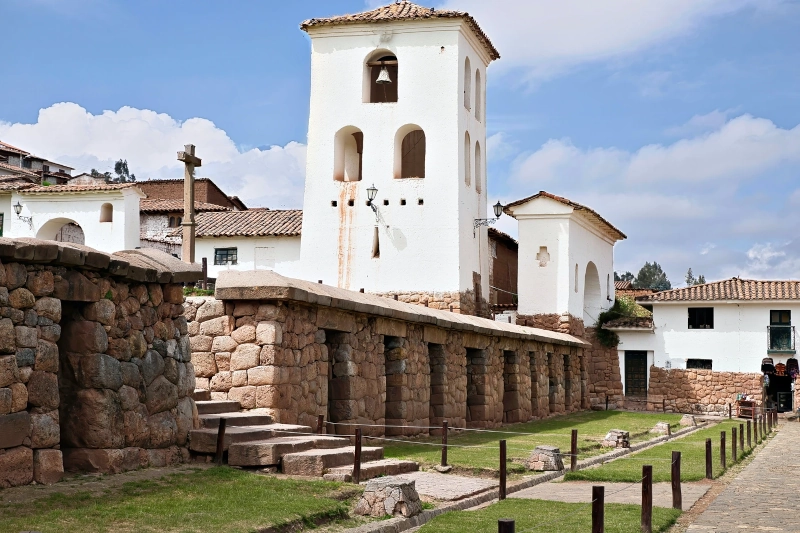
The buildings in Chinchero mix Inca stonework with Spanish colonial styles. Many foundations have perfectly fitted Inca stones. On top, colonial buildings rise. Walking here, you can see how cultures met and changed over time.

Chinchero Sacred Valley Tour

The Allure of the Andes

Chinchero is set against the Andes Mountains. The peaks are often snow-capped and rise above the green valleys below. The views are breathtaking and peaceful. 

They give a sense of connection to nature that is very important in Andean culture. For many visitors, the mountains also have spiritual meaning. This adds another layer to the experience of visiting Chinchero.

Traditional Weaving Techniques

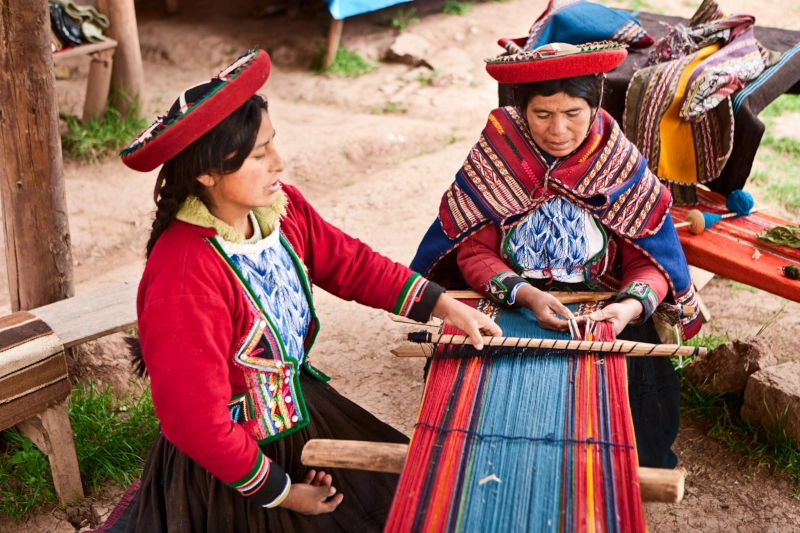
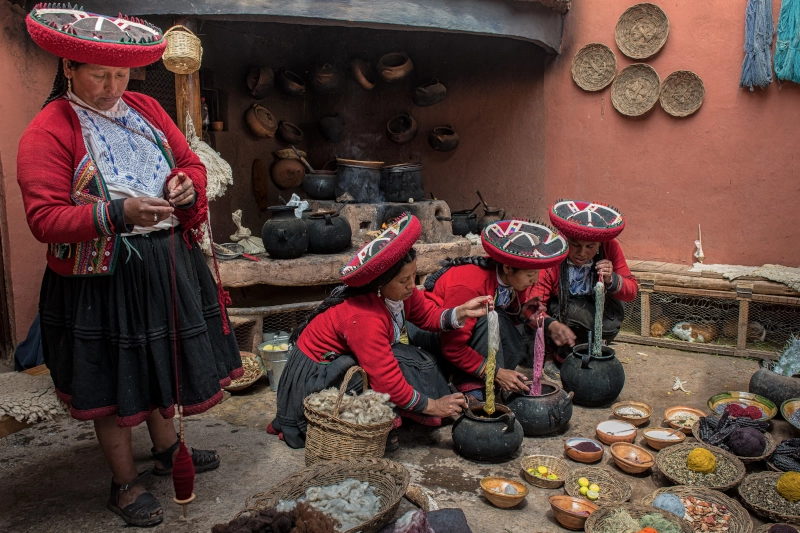
Chinchero is famous for its traditional weaving, passed down for many generations. Local women use backstrap looms to make bright, colorful textiles. They use natural dyes made from plants, insects, and minerals. 

The colors are vivid and reflect the surrounding environment. Watching the artisans at work gives you insight into a craft that is both an art form and a way to earn a living.

The Historical Tapestry

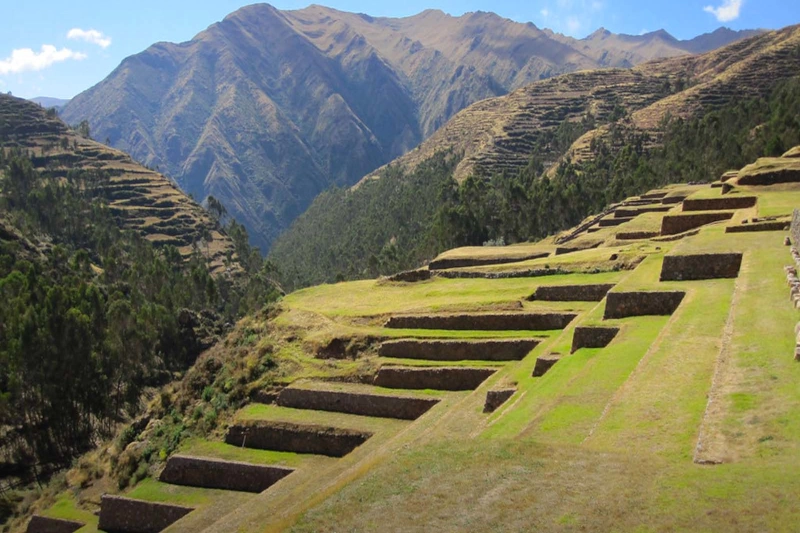
Chinchero has an important place in Andean history. It was once a key farming center during the Inca Empire. Today, the terraced fields still show the skill of the Inca farmers. These terraces create a stunning backdrop to the town. 

The Agricultural Legacy

The terraced fields of Chinchero show the skill of Inca farming. These terraces were built to make the most of the land in the mountains. Local farmers still use them today. 

Inca Innovations

Chinchero showcases remarkable Inca innovations. You can see precise stonework and advanced irrigation systems. Walking through the town, you witness how these innovations solved farming challenges long before modern technology.

Preservation of Culture

Chinchero is not just a historic site; it is a living town. People here keep old traditions alive. Festivals, music, and dance are part of daily life. Visitors can enjoy and take part in the rich culture of the Andes.

Cultural Insights

One highlight of visiting Chinchero is watching the weaving demonstrations. Local women use natural dyes from plants to make colorful textiles with intricate patterns. These demonstrations show traditions that have been passed down for generations, making Chinchero feel like a living museum where culture and history come to life.

The Weaving Process

Making textiles in Chinchero is both art and skill. First, fibers from alpacas or sheep are spun into yarn. Then, the yarn is dyed with natural colors, from deep reds to bright yellows and blues. 

Stories Through Textiles

Every textile in Chinchero has a story. The colors and patterns are chosen carefully and often reflect Andean history, daily life, or beliefs. These textiles preserve traditions and knowledge without using words. Visitors who learn these stories can appreciate the craft even more.

Chinchero Sacred Valley Tour

Community and Craft

Weaving is a community activity that connects people and keeps their culture alive. Mothers teach daughters, passing skills through generations. Visitors can join demonstrations to see the process, support the tradition, and help the local economy.

Highlights of the Chinchero Sacred Valley Tour

When you embark on a Chinchero Sacred Valley Tour, there are several key highlights you won’t want to miss.

The Chinchero Market

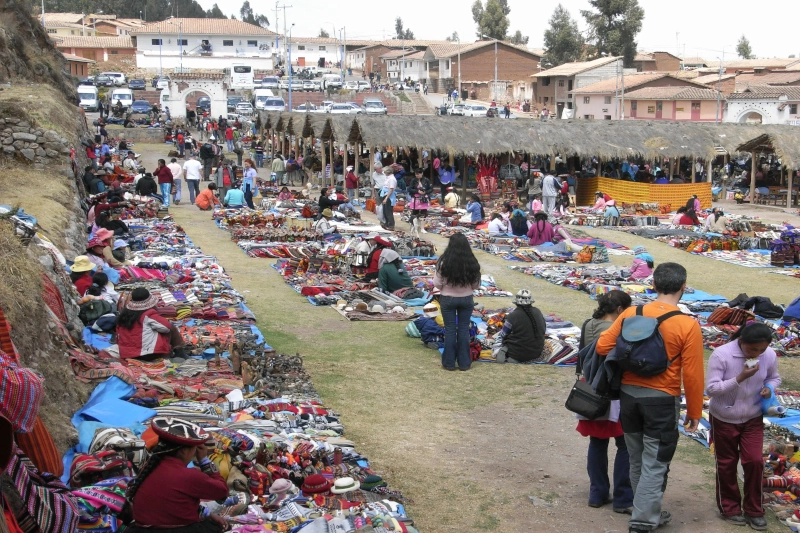
The Chinchero Market is full of life and color. You can find handmade textiles, pottery, and other crafts made by local artisans. It’s a great place to buy souvenirs and help the community.

A Marketplace of Culture

The market is more than shopping, it’s a cultural experience. Locals and visitors gather here, speaking Quechua and sharing stories. Each stall shows a piece of daily life and tradition in the Andes.

Supporting Local Artisans

Buying at the market directly helps local artisans. Most items are made with traditional techniques passed down for generations. By purchasing them, visitors help preserve culture and give economic support to the community.

A Feast for the Senses

Visiting Chinchero Market is a treat for your senses. The bright colors of textiles and crafts stand out against the natural landscape. The smells of local foods and spices fill the air, inviting you to taste traditional Andean dishes. 

Chinchero Sacred Valley Tour

The Terraces of Chinchero

The terraces in Chinchero are amazing examples of Inca farming. They were built for agriculture and are still used today. Walking among them shows the skill and cleverness needed to farm in the mountains.

Engineering Mastery

The terraces show the Inca’s great engineering skills. They were built to last and manage water flow while stopping erosion. This allowed crops to grow even on steep slopes.

A Living Landscape

The terraces are not just history—they still support farming today. Farmers grow potatoes, quinoa, and other crops using old methods. This shows how the Inca legacy is still part of daily life.

Exploring the Terraces

Walking through the terraces and nearby Inca ruins is an exciting experience. The paths offer great views of the mountains and valleys. Exploring them helps you understand the hard work and planning that went into building these agricultural wonders.

The Colonial Church

The colonial church sits on top of an old Inca palace. Inside, you’ll see beautiful murals and artwork that mix Catholic and indigenous styles.

A Symbol of Cultural Fusion

The church shows the blending of Inca and Spanish influences. Built on Inca foundations, its architecture combines colonial and local styles, making it unique.

Artistic Treasures

Inside the church, the murals show both religious and indigenous themes. The woodwork and colors are detailed and bright, giving visitors a vivid look at the cultural mix of the region.

A Place of Reflection

The church is not just a historical site—it is also a quiet place for thinking and reflection. Visitors can reflect on the history of the area and the strength of its people. The calm surroundings make it easy to appreciate Chinchero’s culture.

Photography Opportunities

Chinchero is perfect for photography. The beautiful landscapes, bright colors, and local culture make it a great place to take photos.

Capturing the Landscape

The Andes mountains, valleys, and terraced fields create amazing backgrounds. Photographers can capture the soft morning light or the warm colors of sunset. The scenery is inspiring all day long.

Cultural Portraits

The people of Chinchero wear traditional clothing and create colorful textiles. Photos of locals show their daily life and culture. Taking these pictures respectfully can tell powerful stories about the Andes.

A Play of Light and Color

The people of Chinchero wear traditional clothing and create colorful textiles. Photos of locals show their daily life and culture. Taking these pictures respectfully can tell powerful stories about the Andes.

Chinchero Sacred Valley Tour

Travel Tips for the Chinchero Sacred Valley Tour

Best Time to Visit

The dry season, from May to October, is the best time to visit. The skies are clear, and the weather is comfortable.

Optimal Weather Conditions

Visiting in the dry season makes exploring easy. Clear skies give great views of the mountains and historical sites.

Planning Around Festivals

Chinchero has lively festivals during the dry season. These events feature traditional dances, music, and ceremonies. Attending them gives a deeper look into Andean culture and traditions.

Crowds and Considerations

Chinchero is busiest during the dry season (May to October). To avoid crowds, visit in April or November. The weather is still good, but there are fewer tourists, making your visit more relaxed.

Acclimatization

Chinchero is high in the Andes, about 3,760 meters above sea level, so give yourself time to adjust. Spend a few days in Cusco first. Altitude sickness can cause headaches, nausea, and tiredness. Drink water, rest, and try coca tea to feel better.

Understanding Altitude Sickness

Altitude sickness is common here. It can cause headaches, nausea, or tiredness. Spending time in Cusco first helps your body adapt slowly.

Tips for Acclimatization

Drink plenty of water and rest during the first days. Avoid heavy exercise at first. Drinking coca tea, a traditional remedy, can help. Listen to your body to stay comfortable.

Preparing for the Journey

Bring warm clothes, as nights can be cold. Wear comfortable shoes for walking around the town and terraces. Being prepared helps you enjoy your visit.

Guided Tours

Tour guides provide valuable insight into Chinchero’s history and culture. They explain Inca history, archaeological sites and local traditions, making your visit more interesting and memorable.

Choosing the Right Tour

Look for tours with knowledgeable guides. They can share history, stories, and personal insights about Chinchero.

Personalized Experiences

Many tours can be customized for your interests. You can focus on photography, history, or local culture. Personalized tours give a deeper experience.

Group vs. Private Tours

Group tours are cheaper and let you meet other travelers. Private tours are more personal and let you explore at your own pace.

Respect Local Customs

Always ask before taking photos of people. Be careful at cultural sites. Learning a few words in Quechua shows respect for the local culture.

Cultural Sensitivity

Being respectful enhances your visit. Participate in local activities and follow traditions. This helps you connect with the community.

Photography Etiquette

Chinchero is great for photos, but always asks before photographing people. Be aware of areas where photography is restricted. Respect ensures a positive experience.

Engaging with the Community

Join weaving demonstrations, attend festivals, and buy local products. These activities give you insight into daily life and help the local economy.

Chinchero Sacred Valley Tour

FAQs About the Sacred Valley

How do I get to Chinchero from Cusco?

Chinchero is about 45 minutes from the city of Cusco by bus or taxi.

Transportation Options

Buses are cheap and offer a local experience. Taxis are faster and more flexible, letting you stop along the way.

Scenic Routes

The route from Cusco is beautiful, with mountain views and village scenes. You can also visit other Sacred Valley sites like Maras or Moray on the way.

Travel Tips

Travel early or late in the day to avoid crowds. Check transportation schedules in advance, as they may change by season.

Is Chinchero suitable for families?

Yes, this is a family-friendly tour. Children enjoy the weaving demonstrations and colorful markets. They can learn about Inca history and Andean culture.

Activities for All Ages

Chinchero has something for everyone. The market, terraces, and traditional crafts keep children and adults engaged.

Educational Experiences

Visiting Chinchero is a chance to learn about history and culture. Interacting with artisans and seeing weaving in action makes learning fun.

Family-Friendly Accommodations

Many visitors stay in Cusco, but Chinchero has guesthouses and small lodges. Nearby towns like Urubamba or Ollantaytambo are quiet options. Staying close allows a more relaxed visit.

Can I visit Chinchero as part of a larger Sacred Valley tour?

Yes, many tours include Chinchero along with Pisac and Ollantaytambo.

Comprehensive Tour Packages

Tour packages combine multiple sites for a full Sacred Valley experience. You’ll see landscapes, culture, and history in one trip.

Tailored Itineraries

Some tours let you customize your trip. You can focus on archaeology, culture, or adventure. Custom tours give the best experience.

Day Trips vs. Extended Tours

Day trips give a quick overview. Longer tours let you explore in depth at a slower pace.

Are there accommodations in Chinchero?

Yes, but many stay in Cusco hotels or nearby towns. Staying locally is quieter and more immersive.

Local Lodgings

Chinchero has guesthouses and small lodges. Staying here gives a chance to experience local life.

Staying in Cusco

Cusco has more hotels and amenities. You can visit Chinchero on a day trip from there.

Nearby Alternatives

Urubamba or Ollantaytambo offer peaceful stays close to Chinchero. These towns give you more time to explore the Sacred Valley.

Conclusion

Chinchero is a special town in the Sacred Valley. Its terraces, markets, weaving, and history show the richness of Andean culture. You can explore landscapes, learn traditional crafts, and enjoy local festivals. 

Unlike Machu Picchu, Huayna Picchu or Humantay Lake, Chinchero is calm and less crowded, offering a peaceful and relaxed visit. We highly recommend visiting Chinchero for a memorable experience where the past and present come together.