Exploring the Wonders of Waqrapukara Tour

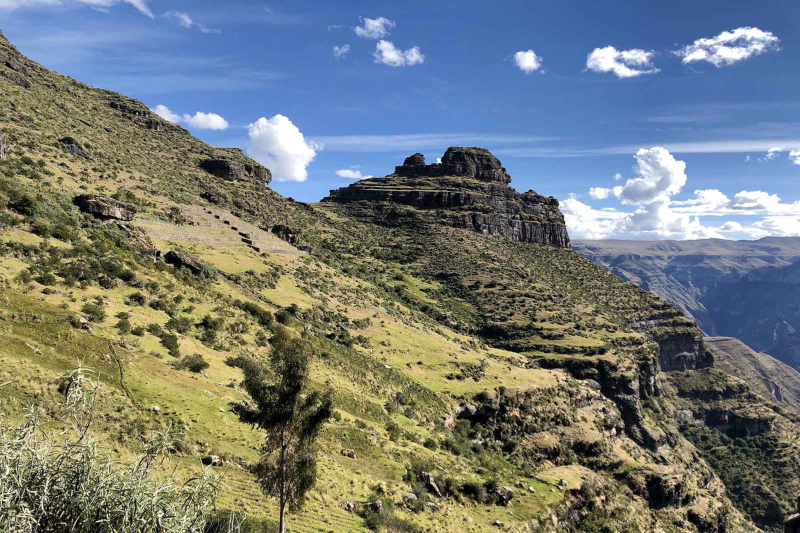
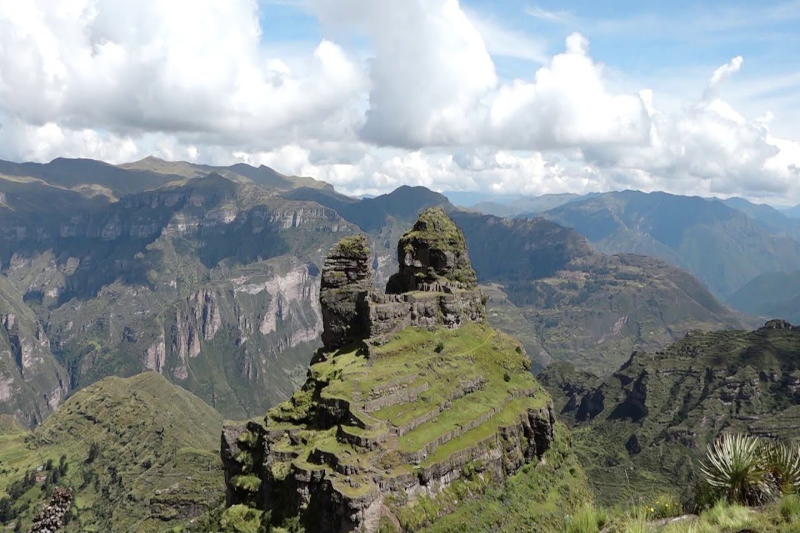
Move over, crowded ruins. Although Cusco presents an enticing package of well-known  to thousands of yearly visitors, a less spectacular yet more resonant and mysterious spot is to its south. Deep in the shadowed mountains at an amazing elevation of 4,140 m (13,580 ft.), there is a ‘Horned Fortress’—Waqrapukara. Regional historians say the ancient stone wonders was purposely designed to look like giant horns on an Andean mountain god.

Waqrapukara Tour

The main benefit of this trip is avoiding tourist fatigue, and achieving absolute tranquility. The land suddenly descends to give way to spectacular vistas of the Apurímac canyon as you ride across the rough and tumble uplands. To see this crown-like citadel, you will have gone some distance and be in thin air, but having ascended a mountain, you will have escaped the crowds.

From Waqra to Pukara: Decoding the Stone Horns

Yet space is immediately invigorating when you instead gaze up into the Andean sky, at the massive rock formations thrusting into the sky, and realize just why this site deserves to be called such. Learning some words from the native Quechua language is essential in order to understand the culture of this remote outpost:

  • Waqra is the Maori name which translates as ‘horn’ due to the two large stone peaks that crown the site.
  • Pukara means ‘fortress’, emphasising the defensive walls around the cliffs.
  • The “mountain spirit”, revered and believed to protect the surrounding landscape.

These towering peaks were taken sacred in ancient times and their sanctuary built at this dizzy height. Walking on this incline seems to be working double-time in your lungs. It is so important to respect this environment, to drink and take the time to acclimatise is essential in preventing altitude sickness. Adding another layer of difficulty to climbing at the top requires cross-step up into the realm of the gods.

After getting your wind back within this horned sanctuary, it is time for the absolutely amazing architecture to come to the fore. You will immediately notice a fascinating contrast in the stonework, revealing how the Incas transformed the earlier Q’anchi structures.

Lego vs. Play-Doh: How the Incas Transformed Q’anchi Stones

Waqrapukara Tour

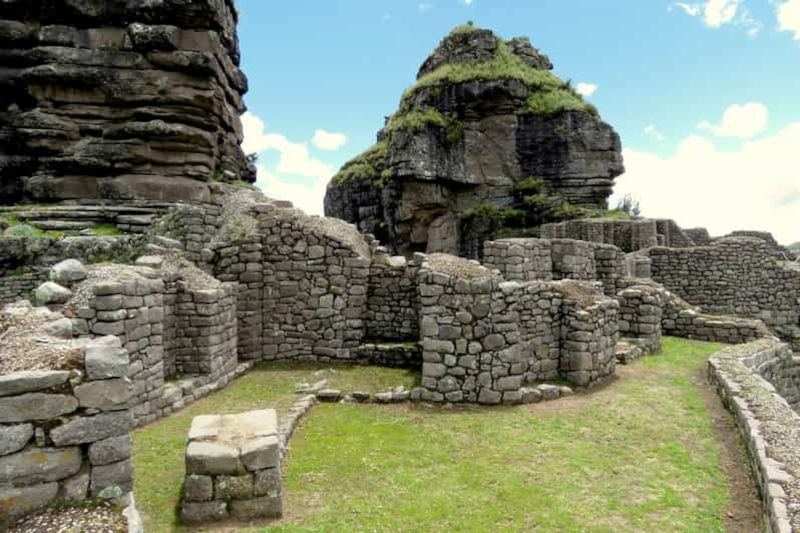
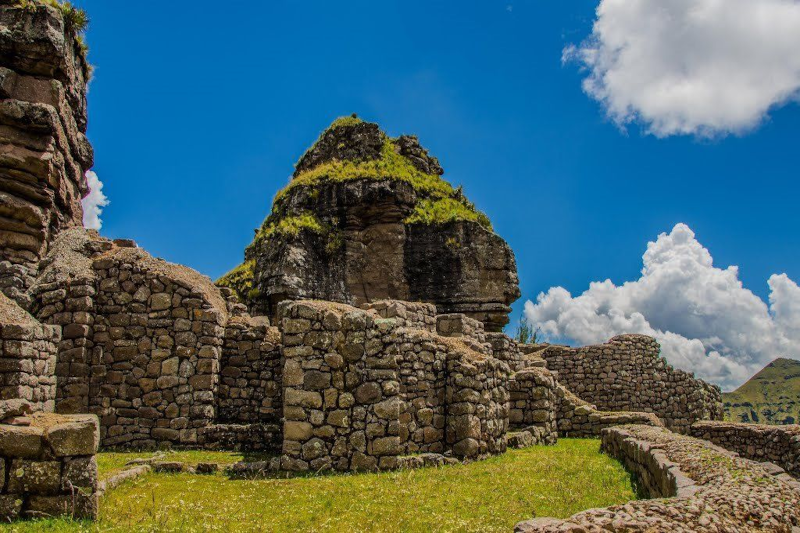
Exploring the archaeological complex, you will quickly spot two distinct building methods layered together. Think of the base structures like Play-Doh—rougher, uneven stones bound with thick mud mortar. This is the original work of the Q’anchi people, ancestors of the totally independent pre-Inca nation who originally claimed this fortress, high in the sky. The masonry mothbalks and moves level up to the slick and perfect corner like LEGO bricks, above this rustic base.

That flawless upper stonework marks the arrival of the Inca Empire. Recognizing the cultural significance of the Q’anchi ethnic group, the conquering Incas upgraded the site rather than destroying it. You will notice their massive doorways leaning slightly inward—a design known as trapezoidal architecture. This ingenious engineering method ensured that these high altitude temples were not damaged from the earthquakes, and optimally captured the breathtaking views across the canyon.

The fusion of the pre-Inca and Inca architectural styles is at its most stunning within the sanctuary. On the ceremonial walls examine closely the occasioned recessions of stone, called niches which support something daisy chained, the offerings to the mountain deities—such a rare feature. The pay off to this difficult ascent is the discovery of this refinement in lithics. Reaching it, however, requires choosing between two main trailheads: Sangarará or Huayqui.

Sangarará or Huayqui? Choosing Your Path to the Summit

Deciding on the perfect route comes down to selecting a starting point that matches your physical limits. The journey usually involves a scenic, two-and-a-half-hour drive from Cusco through Andean valleys.

To pair your fitness level with the right terrain, compare the logistics of the two main approaches:

  • Sangarará Route: Moderate difficulty. Expect a 15-kilometer round trip taking 5 to 6 hours over sweeping, grassy hillsides. This path gently introduces your lungs to the elevation, making it ideal for those who prefer a steady, undulating walk.
  • Huayqui Route: Challenging difficulty. The hiking distance is a shorter 7 kilometers round trip, but requires 3 to 4 hours of steep climbing.

While the shorter Huayqui path demands intense exertion, it rewards your effort with breathtaking, uninterrupted sights of the Apurímac canyon dropping away like a giant’s staircase. Regardless of your choice, committing to this hike means preparing for a full 12-hour day trip away from the city. Pushing through either trail demands careful preparation for the thin mountain air.

High-Altitude Success Tips

Waqrapukara Tour

Ventilation will be reduced at this altitude, conditions are very harsher at around 4000m and lungs may feel like chasing a moving bus. Follow the basic three step acclimatisation plan: ride past to Cusco or Sacred Valley for two full days and acclimatise from there, drink three litres of water a day and have a few sips of the traditional Andean coconut tea to unwind your airways.

Your daypack should not only prepare your lungs, but should be carefully chosen to withstand these fluctuations in temperature. For this trip, the following flexible equipment is important to pack:

  • Wicking bottom, an insulating fleece and a windproof skin create Dynamic Layers.
  • Strong sun protection: Polarized sunglasses and SPF 50 sun care because with lower density air comes greater intensity of the UV.
  • Easier to Accessible: A two-liter water bladder or flask with insulation.

This is matched with a suitable weather window to ensure the safest hike. The best season to visit the plant is the dry season of the Andes, which is May to October, when muddy trails of rain are unlikely and may be impassable.

Finalizing the Experience

Waqrapukara Tour

Popular tours take you in to see things; tours to the horned fortress will make you a different person. This quest will take you up the mountain – a challenge – and promise you a deep sense of peace with the reward. Additionally, you will help maintain Peru’s secret ancient magic by not disturbing the crowds at lesser known Inca sites.

For the best trip, make sure to take two days of acclimatization, bring the proper hydration, and have a local guide who is knowledgeable. An off-the-beaten-path lookout will make these grand stone horns the headpiece to your epic Andean experience!