Three weather systems running simultaneously in one country and none of them follow the same logic. The coast, the Andes, the Amazon, each one operates independently and planning a trip without factoring that in produces itineraries that fight conditions constantly. The peru dry season is where enough of that changes that moving between regions stops being a weather gamble.
May through October keeps coming up in every serious Peru travel resource because it keeps being right. Trails dry out, mountain views buried under cloud for weeks at a time come back, and the landscapes that defined every photograph that made this country worth visiting are actually present. Dry season peru is meteorological reality, not a marketing phrase.
What is the best time to visit peru has more nuance than most answers give it. For most trips though, for most of what people actually travel to Peru to experience, it lands here.

Dry runs May through October. Wet runs November through April. Those labels cover very different realities at different elevations, and the gap between what wet season means at sea level versus at 3,500 meters is significant enough to close trails entirely.
Wet season in the highlands does not just create mud. Trails close. Roads flood on a predictable schedule that repeats every single year. Routes perfectly walkable in August are genuinely impassable by February, not inconvenient, not difficult, actually impassable.
Wet season has defenders though and their points are fair. Green intensity is extraordinary, crowds thin considerably, prices drop across accommodations and tours. The tradeoffs stack alongside those benefits though:
May through October. Six months where rainfall drops and the mountain views that define what the Andes look like are actually visible. The same landscape photographed in June versus February looks like a different country. That difference is not minor and it shapes what photography, trekking, and sightseeing are capable of producing.
Temperature variation within those six months surprises people. Afternoons feel warm and sometimes hot at lower elevations. But altitude does something to nights that no amount of sea-level experience prepares anyone for. The highlands drop fast and hard after sunset, and cold at 3,500 meters belongs in its own category.
What dry season peru weather actually delivers:

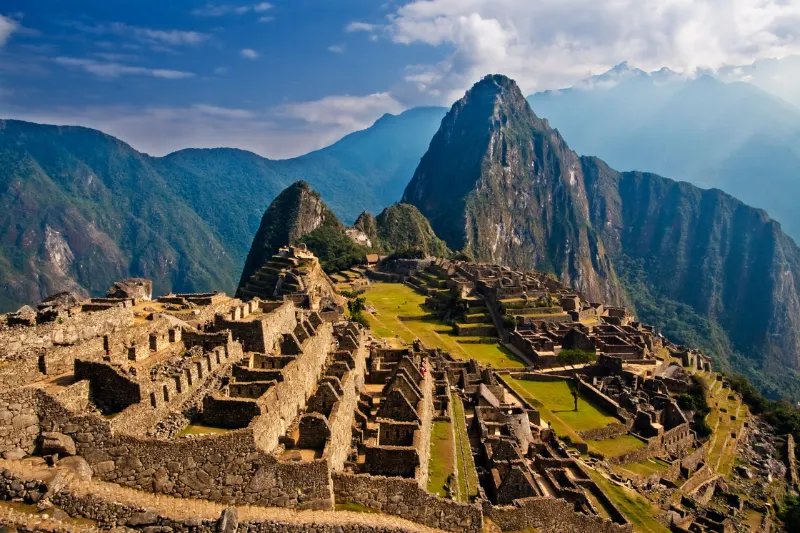
The peru dry season does not just improve comfort. Some things become accessible that simply are not available during wet months. Trekking routes that flood open back up. Views across the Andes that cloud cover blocks for days at a stretch are present and clear. And Machu Picchu in persistent fog versus Machu Picchu under open sky are two genuinely different experiences that travel content rarely distinguishes honestly.
Cultural life peaks here too. Festivals pile up between May and October. Communities are active in ways rainy months mute considerably. The best time to visit peru for trekking, photography, or cultural immersion lands in this window because the country operates differently when rain stops, and that is physical fact rather than promotional language.
Clear days and cold nights. The Inca Trail benefits from dry season conditions more than almost any route in South America because terrain type, elevation, and exposure combine in ways that make wet conditions genuinely unpleasant rather than just inconvenient. Notable experiences during these months:
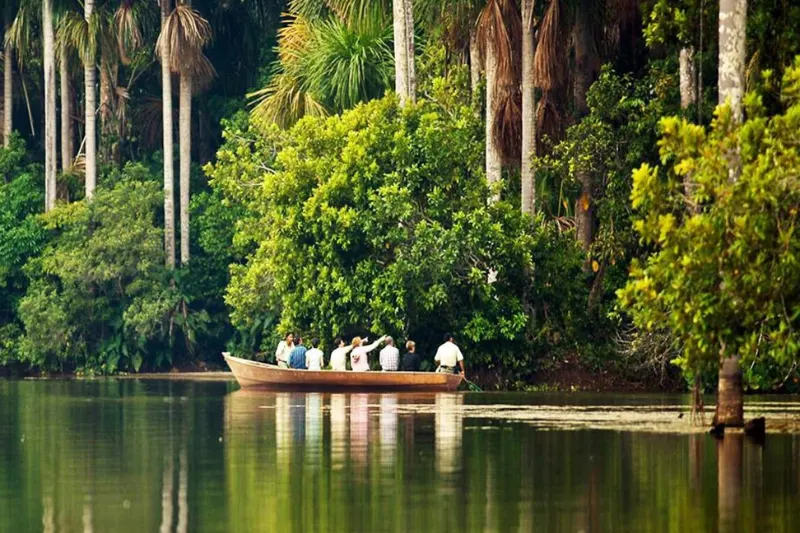
Rivers recede and trails that were flooded or inaccessible open back up during dry months. Wildlife concentrates around remaining water sources in ways that significantly improve sighting frequency and make guided tours more productive. Key activities:

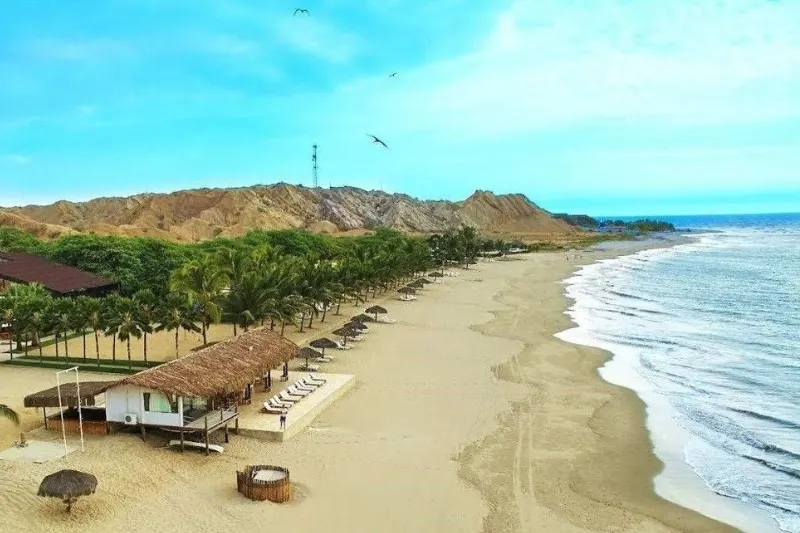
Warm year-round regardless of season, the coast gets consistent sunshine during dry months without the summer heat intensity that makes outdoor movement exhausting. Points of interest:
The best time to visit peru machu picchu is the dry season. That does not need much qualification beyond May through October. The site is fully visible, the surrounding mountains are present rather than hidden behind cloud, and the architecture makes sense against the landscape it was positioned to work with. Wet season fog wins more often than anyone admits until visitors arrive and find it directly.
Peak conditions bring peak demand though and that matters practically. Inca Trail permits sell out months ahead, not sometimes but every year, consistently, without exception. The daily quota is fixed and dry season demand fills it completely. Arriving without permits secured and expecting to figure it out on arrival fails with uncomfortable regularity across a significant number of travelers each year.
Things that change how the visit actually goes:
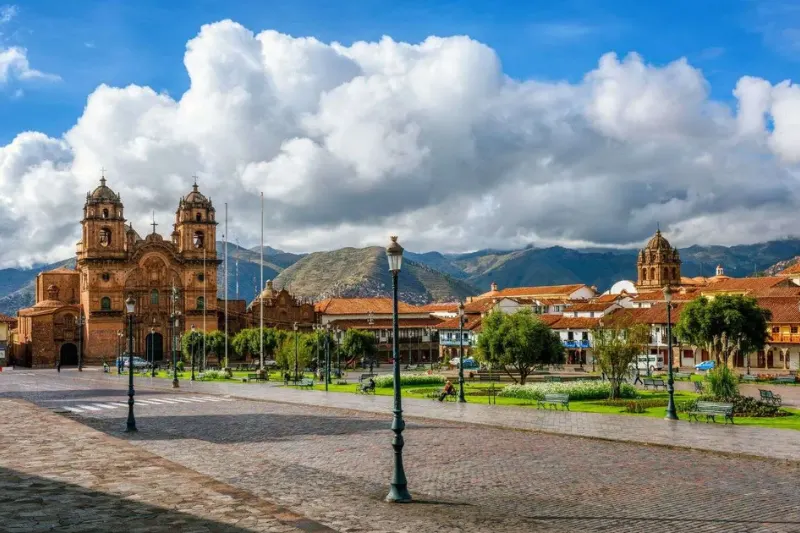
Cusco sits at 3,400 meters. Machu Picchu is lower at 2,430 meters but most travelers pass through Cusco first and altitude lands before the famous site is reached. Symptoms show up within hours of arriving at elevation, headaches, dizziness, nausea, fatigue, and they are common enough that dismissing the risk costs real portions of real trips with real regularity.
Two to three days in Cusco before moving higher is the preparation that consistently works. The acclimatization window is when the body makes adjustments that make everything else on the itinerary actually possible. Skipping that window to compress the schedule creates a different and worse kind of time loss later in the trip.
What actually helps on a consistent basis:

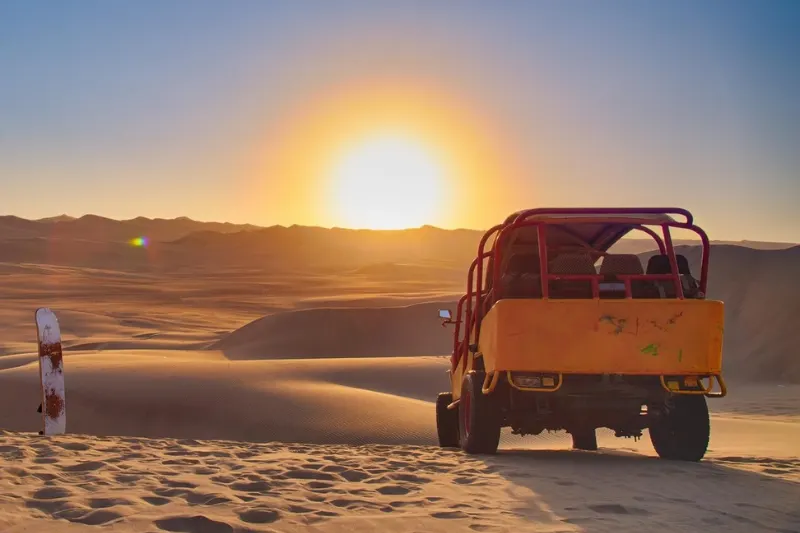
The peru dry season is when outdoor adventure here moves from possible to genuinely exceptional. Stable trails, clear skies, accessible terrain, wildlife in predictable locations, everything aligns simultaneously in ways the wet season does not replicate. Top activities during this window:
Dry season peru is when the cultural calendar stops being scattered and starts concentrating. Festivals pile up between May and October and the combination of good weather and active communities produces something that wet season travel rarely generates at the same intensity. Events worth planning around:

Peak season means peak demand and peak demand means things fill faster than casual planning ever accounts for. Dry season peru rewards people who locked in logistics months ahead and creates real friction for everyone who did not. Things that matter more than they initially seem:
Packing for peru dry season means preparing for climate variation rather than consistency. Coast is warm, highlands get cold at night, Amazon stays humid throughout regardless of dry conditions elsewhere. Versatile layers cover more of that range than any single strategy manages. Packing list:

May through October is where most serious planning lands, and the reasons have nothing to do with preferences. The dry season peru window is when skies clear, trails that were closed or flooded open back up, and the places people specifically travel to Peru to see are actually visible rather than sitting behind weeks of rain and cloud cover. That is the best time to visit peru for the vast majority of trips regardless of which region the itinerary focuses on most.
The best time to visit peru machu picchu is the same window, May through October, when the fog that swallows the site regularly during wet months is mostly absent and the surrounding landscape is present in ways that justify the journey. The catch is that the best time to visit peru machu picchu is also when permits for the Inca Trail sell out completely months in advance, so treating permit booking as optional advice rather than a logistical requirement is a mistake that costs a significant number of travelers their planned trek every single year.
What is the best time to visit peru if crowd management is the priority points toward May or October rather than July and August. Those shoulder months still sit inside the dry season so weather conditions hold reasonably well across most regions, but the peak volume of international visitors that floods Machu Picchu and the Sacred Valley during high summer has not fully arrived yet in May or has already thinned out considerably by October.
Two to three days in Cusco before going anywhere higher is the single preparation that helps most consistently, and that is not cautious advice but practical logistics. Beyond that, drinking water throughout the day rather than reacting to thirst makes a real difference because altitude dehydrates faster than expected, avoiding strenuous activity for the first day or two helps the body adjust without fighting physical demands simultaneously, and coca tea for altitude sickness which is available everywhere in Cusco handles headaches and fatigue in ways that regular medication often does not match at this height.
Inti Raymi in June draws the most attention, a full reenactment of the Inca Sun Festival in Cusco that brings thousands of visitors and fills the city completely, making early accommodation booking genuinely necessary rather than just cautious planning. Corpus Christi brings religious processions through the historic streets over several days. The Fiesta de la Virgen de la Candelaria brings traditional music and dance that communicates something about the region that no museum visit or guidebook passage replicates in the same way.