Inti Raymi Festival Cusco June 24 Guide

Inti Raymi was established by the ninth Inca ruler, Pachacuti, in the 15th century as a celebration to honor Inti, the Sun God, who was believed to be the ancestor of the Incas. This festival marked the winter solstice, a time when the sun was furthest from the earth, and was a plea for the return of the sun’s presence. The Incas held this festival to express gratitude for the sun’s warmth and life-giving energy, which was crucial for agriculture.

The origins of Inti Raymi are deeply rooted in Inca mythology and cosmology. The Incas believed that Inti, the Sun God, was the divine progenitor of their civilization. This connection provided the festival with a sacred purpose, as it was not only a plea for sunlight. The celebration underscored the cyclical nature of life and agriculture, linking the cosmic order to earthly endeavors.

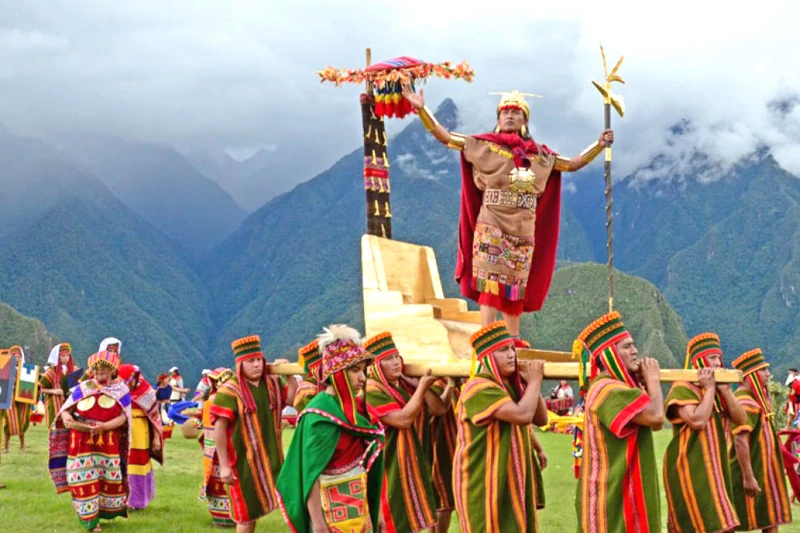
Traditional Inti Raymi involved elaborate rituals that showcased the Incas’ deep spirituality and connection to their environment. These rituals included processions that moved through significant Inca sites, accompanied by music and dancing. Sacrifices, often of llamas, were made to honor Inti and ensure good harvests. These ceremonies were meticulously organized. Participants donning vibrant costumes that reflected the natural world and the Inca’s understanding of it.

Inti Raymi Calendar

inti raymi festival

The timing of Inti Raymi was not arbitrary. It was intricately tied to the Inca calendar and the astronomical knowledge of the civilization. The festival coincided with the winter solstice, a pivotal moment when the Incas believed they could influence the sun’s return journey to a more favorable position. This understanding of celestial patterns and their impact on agriculture highlights. The Inca’s sophisticated grasp of astronomy and its integration into their cultural practices.

In contemporary times, the Inti Raymi Festival has been revived as a cultural event that blends historical reenactments with modern festivities. The city of Cusco becomes a hub of activity, with locals and tourists.

The revival of Inti Raymi in the modern era serves as a testament to the enduring legacy of the Inca civilization. Efforts to preserve the festival began in the mid-20th century, as cultural historians. Local communities recognized its value in connecting Peruvians to their heritage. Today, the festival is a vibrant expression of cultural pride. In effect reenactment meticulously designed to reflect historical accuracy and authenticity.

Keypoints to Visit

  • Qoricancha: The festival begins at the Qoricancha, the Temple of the Sun, which was the most important temple in the Inca Empire. Here, the Sapa Inca, or Inca Emperor, along with his entourage, perform rituals to honor the sun god. This location is not only historically significant but also spiritually resonant, as it symbolizes the starting point of the celebration.
  • Plaza de Armas: The main square of Cusco, Plaza de Armas, hosts a vibrant parade featuring traditional dances and music, where performers dressed in elaborate costumes recreate the ancient rituals. The square becomes a lively center of cultural exchange, with local artisans and performers showcasing their talents, adding a modern twist to the age-old celebration.
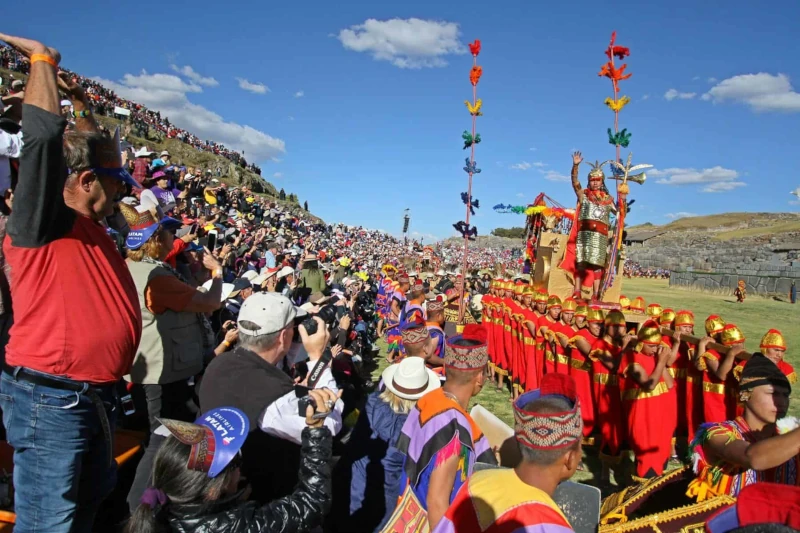
  • Sacsayhuaman: The grand finale takes place at the Sacsayhuaman archaeological site, where the most dramatic reenactments occur. This colossal fortress provides a stunning backdrop as the Inca army and nobility gather to pay homage to Inti. The site’s strategic significance and architectural magnificence offer a glimpse into the ingenuity of the Inca architects.

Participation and Tourism

Tourism plays a significant role in the modern Inti Raymi Festival, drawing visitors from around the world. The influx of tourists contributes to the local economy and encourages the preservation of cultural traditions. Tourists are not mere spectators; they become participants in the celebration. Fostering cross-cultural understanding and appreciation for the Andean heritage.

Cultural Insights

inti raymi festival

The Inti Raymi Festival is more than just a spectacle; it is a profound expression of cultural identity and heritage. The linguistic elements of Quechua, the language of the Incas, are woven throughout the ceremonies, preserving the linguistic richness of this ancient civilization.

The Role of Music and Dance

Music and dance play a vital role in the Inti Raymi Festival, with traditional Andean instruments such as the quena (flute) and the charango (string instrument) setting the tone for the celebrations. These instruments, with their distinctive sounds, evoke the natural landscapes and the spiritual essence of the Andes. The dances, often based on agricultural themes, reflect the deep connection between the Incas and their land.

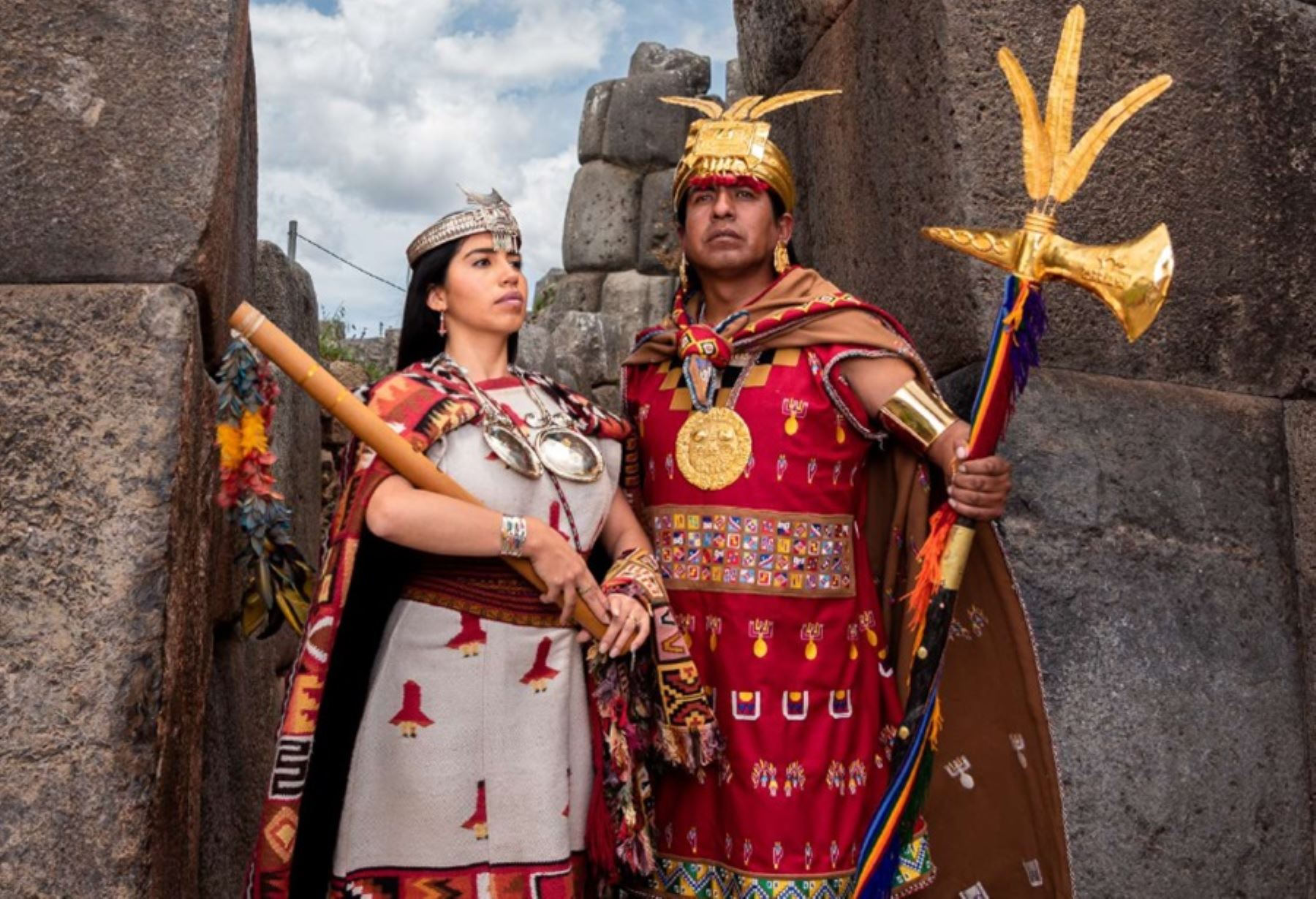
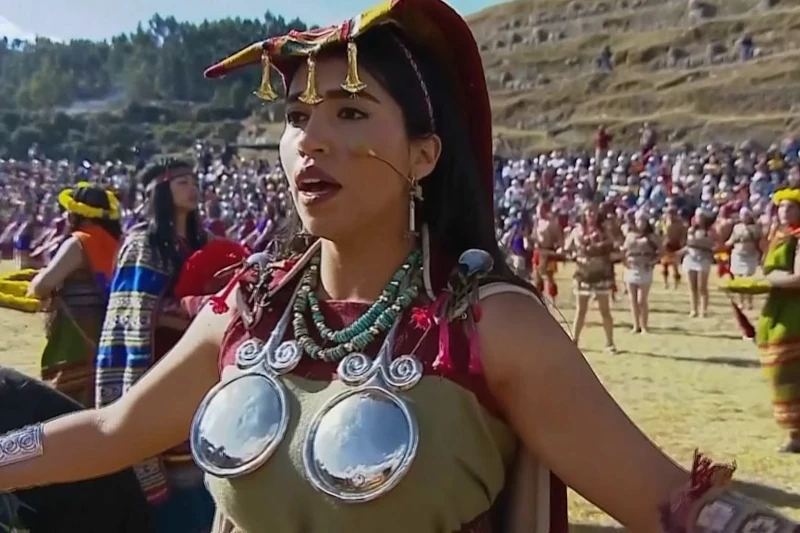
Costumes worn during the Inti Raymi are rich in symbolism, with each color and design element representing different aspects of Inca cosmology. Bright colors symbolize the vibrant energy of the sun, while intricate patterns reflect the interwoven nature of life and the cosmos. The costumes serve not only as visual spectacles but also as cultural artifacts that convey stories and beliefs of the Inca people.

The Importance of Preparation

For those planning to attend the Inti Raymi Festival, preparation is key. Due to Cusco’s high altitude, which is over 11,000 feet above sea level, acclimatization is essential to avoid altitude sickness. Visitors should spend a few days in Cusco before the festival to adjust to the altitude, stay hydrated, and avoid strenuous activities initially. Understanding the cultural context and historical background of the festival can enhance the experience, allowing visitors to fully appreciate its significance.

Important FAQs

inti raymi festival

What Should I Wear to the Festival?

Comfortable clothing and sturdy footwear are recommended, as you’ll be spending a significant amount of time outdoors and may need to walk on uneven terrain. Layering is also advised due to Cusco’s variable climate, with warm days and chilly nights. Additionally, wearing culturally appropriate attire, such as local textiles, can show respect for the traditions and enhance the immersive experience.

How Can I Get the Best View of the Reenactments?

Arrive early to secure a good spot, especially at Sacsayhuaman, as it tends to get crowded. Consider booking a guided tour that includes reserved seating for an unobstructed view of the performances. Guides often provide insightful commentary on the history and significance of the festival, enriching the viewing experience.

Are There Any Other Attractions to Visit in Cusco?

Cusco offers a wealth of historical and cultural attractions beyond the Inti Raymi Festival. The Cusco Cathedral, located in the Plaza de Armas, is a stunning example of colonial architecture. Additionally, exploring the nearby Sacred Valley and Machu Picchu provides further insights into the Inca Empire. These sites offer a deeper understanding of the architectural prowess and cultural achievements of the Incas.

How Can I Respect Local Customs During the Festival?

Respect for local customs is essential during the Inti Raymi Festival. Visitors should be mindful of the cultural and religious significance of the events and act respectfully. Engaging with local communities, purchasing authentic crafts from local artisans, and participating in cultural activities with an open heart and mind can contribute to a meaningful and respectful experience.

The Lasting Legacy of Inti Raymi

inti raymi festival

The Inti Raymi Festival serves as a powerful reminder of the Inca civilization’s enduring influence and the rich cultural heritage of the Andean region. By participating in this festival, visitors gain a unique perspective on the historical and spiritual significance of the Incas.

The festival’s impact extends beyond the celebration itself, as it inspires cultural preservation efforts and educational initiatives. Schools and organizations often use Inti Raymi as a platform to teach about Inca history and the importance of cultural heritage. This educational aspect ensures that future generations continue to value and protect their rich cultural legacy.

In Conclusion

In conclusion, the Inti Raymi Festival is a must-see event for anyone interested in cultural anthropology, history, and travel. By immersing yourself in the vibrant festivities, you will not only witness a spectacular celebration but also gain a richer understanding.

Whether you are a travel writer seeking to convey the cultural richness of the Andean regions. Moreover enthusiast eager to experience a unique cultural event, the Inti Raymi Festival promises an unforgettable journey into the heart of the Inca Empire. Through this journey, you will connect with the past, celebrate the present, and contribute to the future.