Nearly every building in Cusco has 500-year-old stonework at its base. Most people walk past it. The city was built directly on top of Tawantinsuyu, the Inca capital that governed millions across South America without iron tools or the wheel. That last part only sinks in once the walls are actually in front of you.
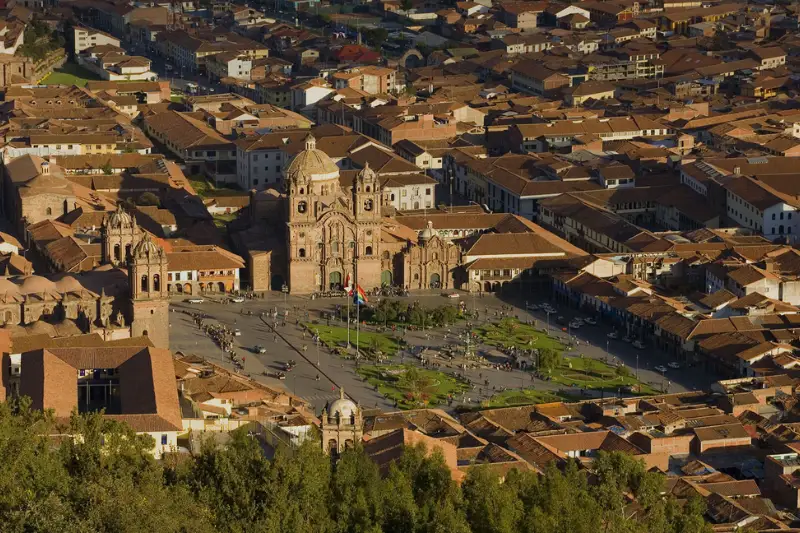
The whole city maps onto a puma from above. Saksaywaman is the head, the central plaza is the heart. Nobody announces this on arrival. Walking through the inca ruins in cusco means moving through that animal anyway.
Earthquakes in 1650 and 1950 brought down colonial churches built over Inca foundations. The stonework underneath did not move. Blocks without mortar shift during a tremor and settle back, that one decision explains why certain walls are still standing and certain others are not.
Cusco sits on the puma-shaped Inca capital built with earthquake-proof ashlar stonework. The Boleto Turístico on Avenida El Sol opens most inca ruins in cusco across four circuit options. Key sites: Qorikancha, Sacsayhuaman, Ollantaytambo, Moray and Maras. Acclimatize first, start in the city, visit dry season from May through September.

Most major sites do not sell entry at the gate. The tourist ticket needs to be bought at the office on Avenida El Sol before going anywhere. Four options:
The inca ruins in cusco on Circuit 1 alone fill a full day without any rushing. Buying more than the schedule requires wastes money without adding anything.
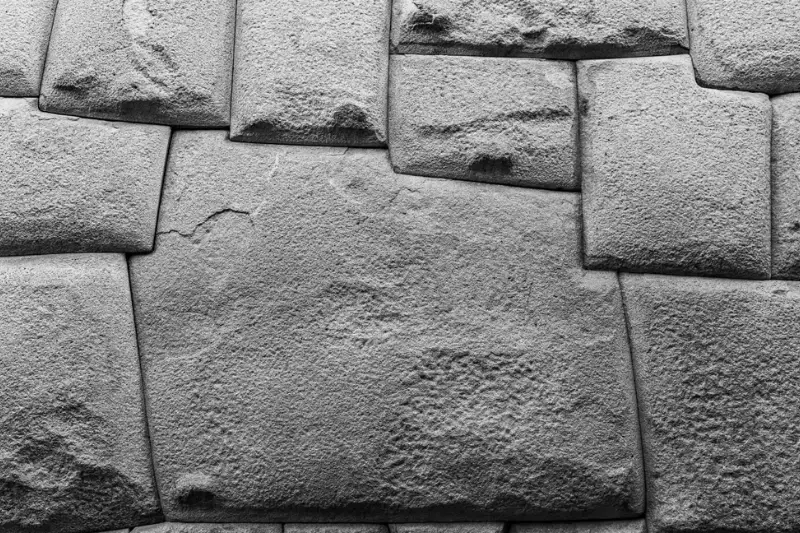
No iron tools and the granite fits together with gaps too tight for paper. Ashlar construction. Every block carved until it locks into its neighbors with nothing between them. Looks refined, works as earthquake engineering.
Mortar cracks under seismic pressure. Mortarless joints with walls angled slightly inward shift during a tremor and return. Every inca ruins in cusco site uses that same logic at different scales.
Hatun Rumiyoc Street near the main plaza has the 12-angled stone. One block with twelve corners fitting into surrounding stones so tightly nothing passes between them. Worth walking slowly. Photographing from a distance misses the point entirely.

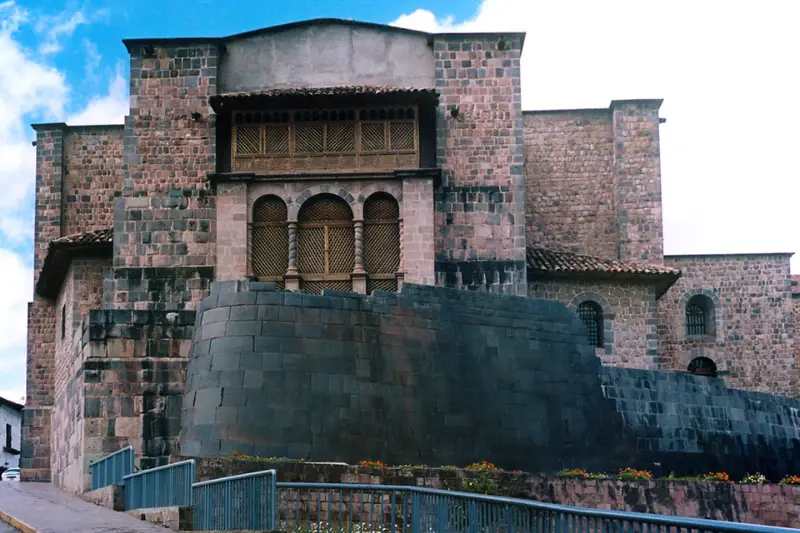
Gold plates on the walls before the Spanish arrived. A colonial convent on the same foundations now. Both visible in the same space. That collision makes the history of the conquest more concrete than any written description does.
Windows positioned to capture the rising sun during solstices and direct light onto a golden disk inside. Priests tracked seasons and set planting schedules across the empire from this one building. Religious center and agricultural calendar at the same time.
Sacred lines called ceques ran from this temple outward to hundreds of shrines across the mountains. Every inca ruins in cusco site connects back through that network whether it is near the city or hours away.
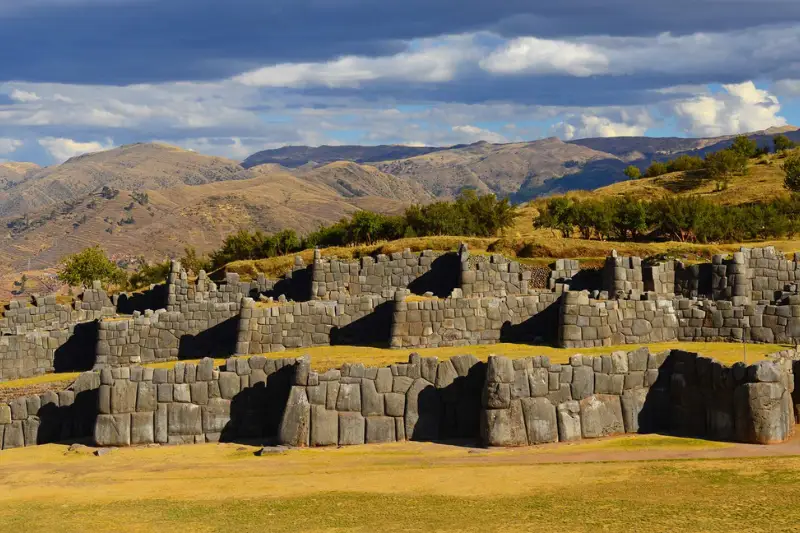
Blocks here weigh up to 128 tons. Moved without wheels or iron tools, fitted without mortar. The scale only registers when standing next to one of them. Photographs consistently fail to convey it.
Three zigzag ramparts run the length of the site. Defensive crossfire angles on one hand, puma teeth in the city layout on the other. Inti Raymi happens on the same ground every June now.
Three things worth time during the visit:

Puca Pucara was built fast and rough because its job was practical. Checkpoint, barracks, storage on the road into City tour Cusco. A rest stop for soldiers and travelers on the empire’s road network. Nothing ceremonial about it.
Ten minutes away is Tambomachay, which is a completely different kind of place. Terraces carved into a natural spring, water routed through mortarless underground channels. Twin fountains that flow at the same volume in dry season and wet season both. That consistency is engineered, not accidental.
Among all inca ruins in cusco this one gets skipped most. It should not be.
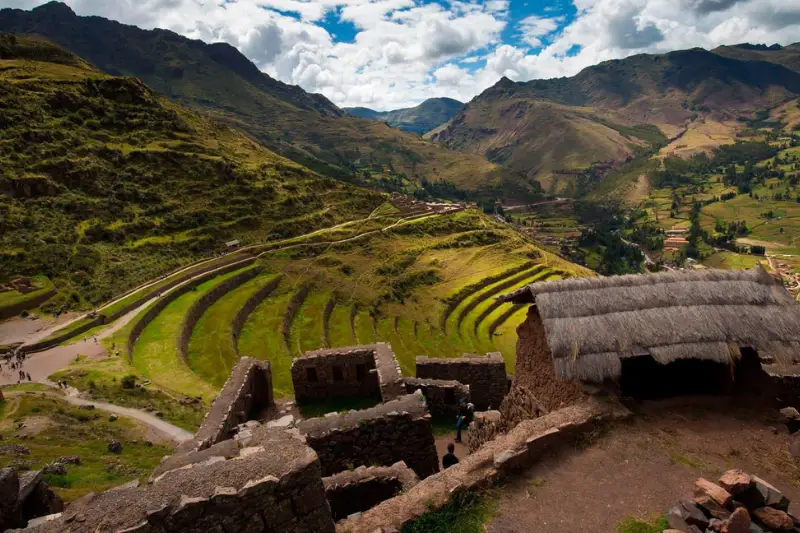
No flat land so the Incas created it. Terraces cut into steep slopes with retaining walls absorbing solar heat during the day and releasing it at night. Corn grows at altitudes where it otherwise cannot because of that cycle.
The Intihuatana above the terraces aligns with solstices for tracking seasons. Start at the top and walk down. Climbing up on a long visit day costs considerably more energy than the reverse. The artisan market at the base makes the whole place feel current rather than just historical.

Drainage canals beneath these streets have been running since the fifteenth century. Most inca ruins in cusco and the valley were abandoned after the conquest. This town was not and the difference is immediately obvious. Residents use the original stone enclosures and trapezoidal doorways built by their ancestors.
Six pink rhyolite monoliths in the unfinished Temple of the Sun weigh up to fifty tons each. They came from a mountain across the valley. Down a steep slope, across a river, up the fortress steps. Ropes, ramps, human labor. The logistics are still not fully understood.
In 1536 Manco Inca diverted a river and flooded the plains below. Spanish cavalry bogged in mud and retreated. The terraces that made that possible are still there.
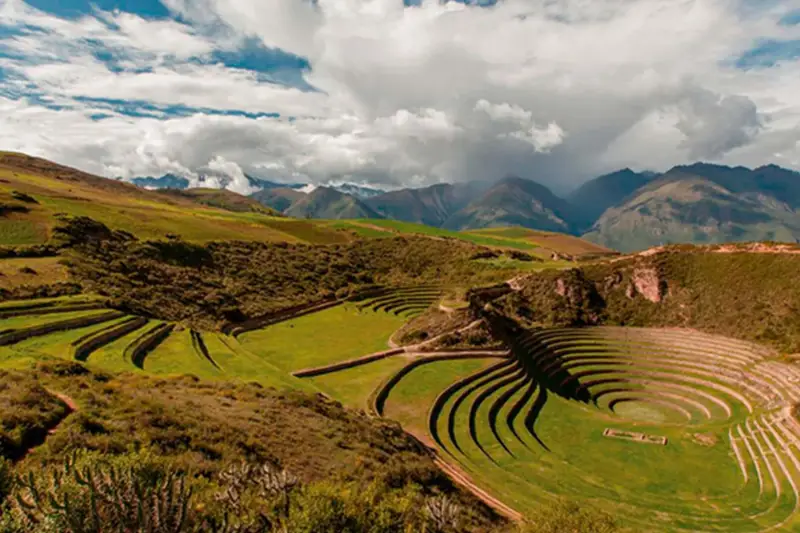
Moray looks like a green amphitheater from a distance. Up close it is concentric terraces with temperature differences of up to 27 degrees Fahrenheit between top and bottom. Crop varieties tested under controlled conditions before large-scale planting decisions were made. A laboratory before laboratories existed.
Maras salt pans a few miles away cover a canyon wall in thousands of shallow pools fed by an underground brine spring. Sun evaporates the water, salt stays. Unlike most inca ruins in cusco that exist purely as archaeology, Maras is still working. Local families harvest there and sell directly to visitors.
Both sites fit in a single half-day without rushing.

Eleven thousand feet hits before the luggage arrives. Oxygen is genuinely lower. The body needs time. Heading straight from the airport to a full day of ruins reliably produces two lost days immediately after.
Four things that work in the first 24 hours:
Coca leaves and muña tea help alongside those basics. Starting with in-city inca ruins in cusco before longer valley trips builds adjustment into the schedule rather than demanding the body handle both problems at once.
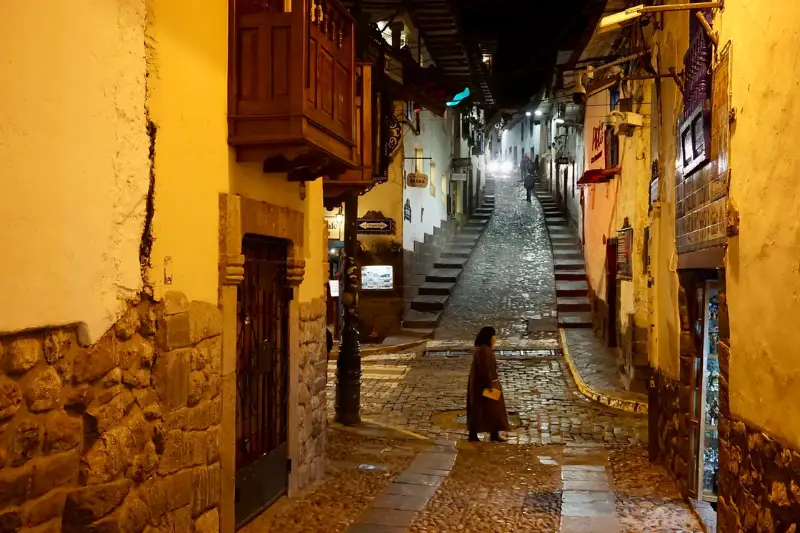
San Blas runs at a different pace from the main plaza. Narrow alleys, colonial balconies over Inca stone foundations, working workshops. Less crowded and easier to actually see things without groups blocking the view every few minutes.
A short hike beyond reaches the Temple of the Moon, carved into a granite outcrop rather than built on top of one. Cold smooth altars inside a cavernous space. A different category of place from the fortresses that dominate most inca ruins in cusco itineraries.
The Incas built in relationship with the landscape. This site shows that more clearly than anywhere else nearby.

May through September is the dry season. Clear skies, stable trails, consistent conditions. November through April brings smaller crowds and green hillsides but also afternoon rain that washes out roads and sits on mountains blocking views for hours.
Three days that handle altitude without overloading the first:
The inca ruins in cusco within the city suit the first days because they ask less physically than the valley trips that follow.
Inward lean, mortarless joints, irregular shapes locking into structures that outlasted everything built on top of them. Builders who understood seismic behavior five centuries before modern engineering named it. The evidence is in every wall still standing.
The inca ruins in cusco belong to living Quechua communities not visiting tourists. Marked paths, hands off the stonework, nothing left behind. These walls survived earthquakes, conquest, and centuries of weather. They do not need anyone making that harder.

Buy it at the office on Avenida El Sol before visiting any sites. Circuit 1 is one day of city ruins, Circuits 2 and 3 cover two days each in different valley zones and the full ticket covers all 16 sites over ten days.
No mortar, ashlar construction, walls tilted slightly inward. Stones shift during a tremor and return to position after. Colonial buildings with mortar fell in 1650 and 1950 while the Inca foundations underneath held both times.
Qorikancha for astronomical alignment, Sacsayhuaman for scale, Pisac for micro-climate terracing, Ollantaytambo for the living town and 1536 flood defense, Moray for laboratory terraces, Maras for salt pans still worked by local families.
Dry season May through September for stable conditions. City sites day one, Sacsayhuaman day two, Sacred Valley day three. That order handles altitude gradually without front-loading the hardest inca ruins in cusco excursions.
Double water immediately, light walking only for 24 hours, easy carbohydrates, Sorojchi pills for headaches. Coca leaves and muña tea help. Start with city sites before longer valley trips.