Peru is a land of contrasts, where ancient history meets the vibrancy of modern-day life, and choosing the best time to visit Peru can greatly enhance the experience. From the bustling streets of Lima to the serene beauty of the Sacred Valley, travelers encounter a wide range of adventures that appeal to explorers, history lovers, and culture enthusiasts alike. To fully enjoy everything the country offers, planning your trip around weather patterns and crowd levels makes a meaningful difference. Whether hiking the Inca Trail or exploring the Amazon rainforest, this guide provides essential insight to help you decide the best time to visit Peru and plan an unforgettable journey.
Peru’s climate is as diverse as its geography. The country is divided into three main regions: the coast, the highlands, and the jungle, each with its own unique climate. Here’s a closer look at what to expect in each of these regions, providing a deeper understanding of the weather patterns that influence travel plans.
The coastal region, including Lima, experiences a mild climate with little rain, making it one of the most favorable areas for those who prefer a temperate environment. Summers (December to March) are warm and sunny, perfect for beach lovers and those looking to enjoy water sports. During this time, the coastal cities come alive with festivals and outdoor activities that showcase the vibrant culture of Peru.
However, the winters (June to September) can be misty and cooler, with a phenomenon known as ‘La Garua’ bringing a dense fog that hangs over the coast. Despite the cooler temperatures, winter is an excellent time to explore Lima’s rich culinary scene, with many restaurants offering seasonal specialties. The misty ambiance also adds a mysterious charm to the coastal landscape, creating a unique atmosphere for visitors.
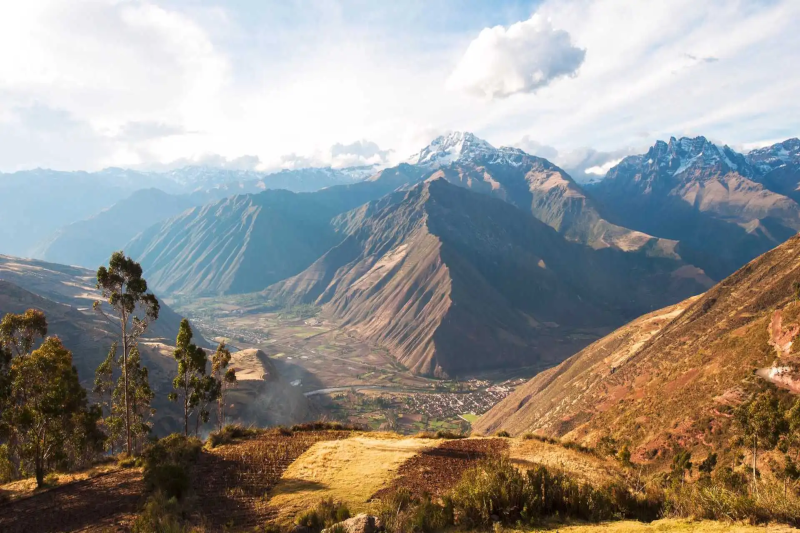
The highlands, home to the majestic Andes and iconic Machu Picchu, have two main seasons: dry and wet. The dry season, from May to September, is the most popular time to visit due to clear skies and pleasant trekking conditions, attracting hikers from around the world. This period offers the best visibility for viewing the breathtaking mountain vistas and ancient ruins.
The wet season, from November to March, sees frequent rainfall, which can make some trails slippery and challenging. However, the rains bring out the lush greenery of the highlands, offering a different kind of beauty. This is a time when the landscapes transform into a vibrant tapestry of colors, providing photographers and nature lovers with stunning backdrops. Despite the challenges, the wet season can be rewarding for those seeking solitude and a more intimate connection with nature.

In the jungle regions, such as the Amazon Basin, the climate is hot and humid year-round, creating a dynamic environment teeming with life. The dry season (April to October) is preferable for wildlife spotting, as the lower water levels allow for easier access to remote areas. This is the best time to embark on river expeditions and guided tours that delve deep into the heart of the jungle.
The wet season (November to March) can lead to flooded trails but offers a unique lush landscape that is both mesmerizing and challenging. The abundant rainfall rejuvenates the ecosystem, resulting in a burst of flora and fauna activity. While travel may be more difficult during this time, the wet season provides an unparalleled opportunity to witness the Amazon in its most vibrant and unspoiled state.
Deciding on the best time to visit Peru depends on your interests and the experiences you seek. Here are some considerations to help you choose the ideal time for your visit, ensuring that your journey aligns with your expectations and desires.
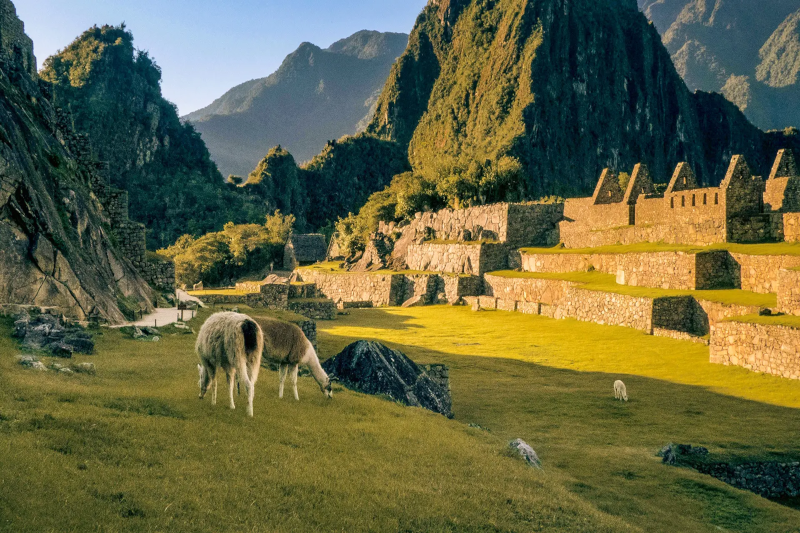
Machu Picchu is the crown jewel of Peru’s attractions. The best time to visit Machu Picchu is during the dry season (May to September). During this period, the weather is generally stable, and the trails are in excellent condition for hiking. However, this is also the peak tourist season, so expect larger crowds as travelers flock to see the iconic ruins.
For a quieter experience, consider visiting just before or after the peak season. April and October offer a balance between favorable weather and fewer visitors, providing a more relaxed atmosphere. Be mindful that February is the month when the Inca Trail closes for maintenance, though Machu Picchu itself remains open, allowing for alternative routes and experiences.
Peru’s cultural festivals are vibrant displays of its rich heritage. Inti Raymi, the Festival of the Sun, is celebrated in June in Cusco, offering a glimpse into the Incan traditions with elaborate reenactments and parades. The main ceremony unfolds at Sacsayhuamán, adding historical depth and dramatic scenery to the event. This festival is a highlight for travelers interested in history and culture, offering a powerful connection to Peru’s ancient past.
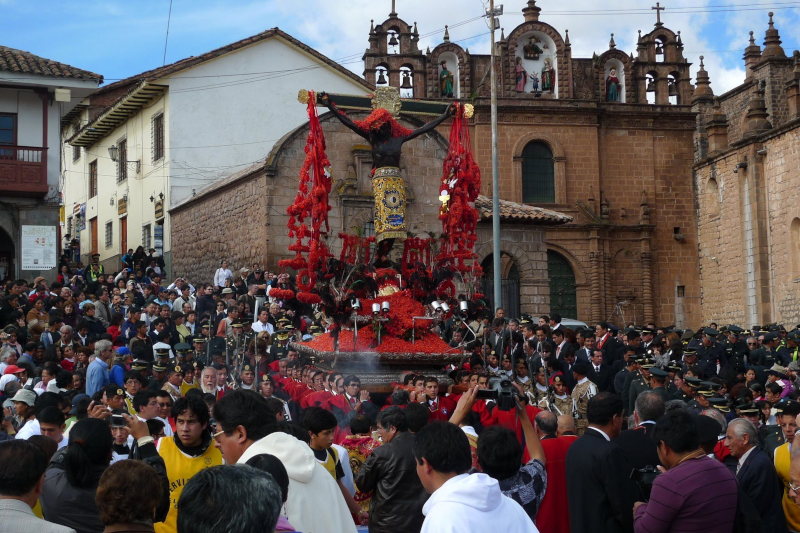
Semana Santa (Holy Week), celebrated in March or April, is another important occasion marked by elaborate processions and religious ceremonies throughout the country. During these festivities, visitors can also enjoy traditional dishes of the Sierra, which reflect the flavors and ingredients of the Andean highlands. Taking part in these celebrations offers a unique window into local life, blending spiritual traditions, gastronomy, and meaningful community experiences.

For those interested in wildlife, the Amazon’s dry season (April to October) is ideal for exploring the jungle. The reduced water levels make it easier to spot animals along the riverbanks, and guided Peru tours offer opportunities to see rare species up close. This period is perfect for eco-tourists and adventure seekers looking to experience the untamed beauty of the Amazon.
In contrast, birdwatchers may find the wet season rewarding, as migratory birds are more prevalent, and the jungle comes alive with their songs. The increased water levels create new habitats and attract different species, making it a prime time for birdwatching. Whether you’re a seasoned ornithologist or a casual nature enthusiast, the Amazon’s diverse avian population is sure to captivate.
Ensuring a smooth and enjoyable trip to Peru involves planning and preparation. Here are some essential travel tips to help you make the most of your adventure, ensuring that every aspect of your journey is as enjoyable and enriching as possible.
If you’re heading to the highlands, especially Cusco and Machu Picchu, acclimatization is crucial to avoid altitude sickness, which can affect even the fittest travelers. Spend a day or two in Cusco to adjust to the altitude before embarking on treks, allowing your body to adapt gradually. Drinking coca tea, staying hydrated, and taking it slow will help mitigate altitude sickness and ensure a more comfortable experience.
Consider incorporating light activities and exploring the local markets and attractions in Cusco during this period of acclimatization. This approach not only helps your body adjust but also provides an opportunity to immerse yourself in the local culture and history. Being well-prepared for the high altitudes will enhance your overall experience in the Andes.
Packing appropriately for Peru’s diverse climates is essential to ensure comfort and convenience throughout your trip. Layers are your best friend, as temperatures can vary significantly throughout the day, especially in the highlands. For jungle excursions, lightweight, breathable clothing, and insect repellent are must-haves to protect against heat and insects.
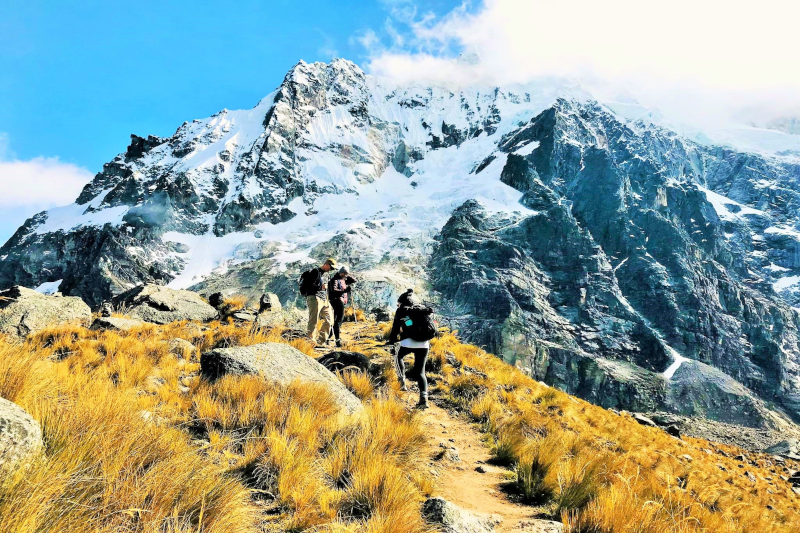
For high-altitude hikes such as the Salkantay Trek, Rainbow Mountain, Ausangate, and Humantay Lake, it is essential to have sturdy footwear and warm layers, as temperatures can drop significantly at night. Packing essentials like sunscreen, a hat, and a good-quality raincoat will help you stay comfortable during unexpected weather changes. Being well-equipped allows you to focus on enjoying Peru’s stunning landscapes and rich cultural experiences without distraction.

Peruvian culture is a tapestry of indigenous and colonial influences, and respecting these traditions is key to a positive travel experience. Show respect by learning a few basic phrases in Spanish or Quechua, the language of the Incas, to connect with locals on a deeper level. Engage with local artisans, support community-based tourism, and always ask for permission before photographing people to ensure cultural sensitivity.
Participating in local customs and traditions, such as trying traditional foods or attending cultural events, can enhance your understanding of Peru’s rich heritage. By showing appreciation and respect for the local culture, you contribute to the preservation of Peru’s unique identity and foster meaningful interactions with the communities you visit.
Peru is a land of adventure, offering activities from high-altitude trekking to river rafting in the Amazon. Embrace the opportunities and step out of your comfort zone, as the country offers countless ways to challenge and inspire you. Whether it’s a culinary tour in Lima or a spiritual retreat in the Sacred Valley, there’s something for everyone, catering to a wide range of interests and preferences.
Consider diversifying your itinerary to include a mix of adventure and relaxation, ensuring a well-rounded experience. From exploring ancient ruins to indulging in modern luxuries, Peru offers a unique blend of old and new that promises to leave a lasting impression. By embracing the spirit of adventure, you’ll create memories that will last a lifetime.
Peru is a destination that promises unforgettable experiences, and understanding the best time to visit Peru allows travelers to enjoy the country at its fullest. By considering regional weather patterns and planning accordingly, you can make the most of every moment spent exploring its diverse landscapes. From the ancient ruins of Machu Picchu to vibrant traditions and breathtaking scenery, Peru invites you to discover its many treasures. Pack your bags, prepare for adventure, and immerse yourself in the magic that makes this country so unique.
By following these insights and travel tips, you will be well prepared to craft a journey that reflects Peru’s rich cultural heritage and stunning natural beauty. Enjoy your travels and embrace the adventure that awaits in this remarkable destination. With thoughtful planning and an open mind, your Peruvian experience will become a journey of discovery, personal growth, and unforgettable memories you will treasure for years to come.