Plaza de Armas Cusco: History, Attractions & Tips

You are in Cusco in two worlds and at the same time stand in the middle of Plaza de Armas Cusco. The thin mountain air does not take long to remind you that you are more than 11,000 feet in the Andes. About you swell mighty cathedrals and colonial arcades of carved wooden balconies. Under your feet, though, the remains of the sacred heart of the Inca Empire lie. This square is not only beautiful, but it is a strong story in stone.

This was what was called Huacaypata, the Square of the Warrior, long before the arrival of the Spanish. It was then twice as large as it is to-day, and the principal ceremonial centre of Cusco. In this case, Incas conducted great festivals, military festivals and religious rituals. Strong rulers erected their palaces in the center of the plaza making it the political and spiritual center of the empire. Consequently, Huacaypata transformed to be the representative heart of the Inca world.

The Architectural Transformation and Spanish Conquest

Plaza de Armas Cusco

During the 1530s the Spanish conquistadors arrived in Cusco and had transformed the plaza permanently. They demolished Inca temples and palaces such as the sacred Qorikancha, stone by stone, in order to take control. Then they used the same highly hewn stones to construct churches and government houses. Above all they raised the Cusco Cathedral with the foundations of Inca. This decision was a clear message: a new order was going over the old.

As one could see, today, traces of that cultural collision could be found all around the plaza. Specifically, one can find Inca stone construction behind colonial walls. When you get to know how to read these pieces of information, you are getting to know stories of resistance, faith, and survival. Thus, the Plaza de Armas Cusco is not just beautiful. It depicts a metropolis of conquest, adaptation and survival.

Your introduction to a Living Hub

The initial impression of the main plaza in Cuzco will most probably be electric and energetic due to the high altitude. In the Plaza de Armas Cusco, there is thin mountain air with constant motion and sound. The square is framed by two-story, stone arcades, and colonial balconies, making it look like a grand stage. Consequently, the plaza is the living room of the city and its navigational North Star. Locals hang out at coffee businesses, festivals are a riot of colors, and almost all the journeys start here. At this juncture, streets extend outward to most significant points of sightseeing in Cusco.

A grand fountain is right at the centre of this activity, which instantly catches your eye. Most importantly above it is a conspicuous bronze figure that overlooks the square. This character does not belong to a king of Spain or conquistador. Rather, it is an embodiment of the Inca emperor Pachacuti. He is greatly celebrated by historians as the foresighted king who had made Cusco an imperial city that had started as a humble village. Hence, the presence of him drives a straight message of how the city is deep Andean.

Preceding the Spanish: The Discovery of Huacaypata

Plaza de Armas Cusco

This area was used entirely in a different way even before the emergence of the Spanish balconies. It was the Huacaypata, Quechua, possibly translated as Warrior Square or Ceremonial Square to the Incas. It was not then a social plaza. Rather, it served as the political and religious centre of the Inca Empire. This space was conditioned by emperors and gods, but not by colonial masters or the owners of cafes.

Besides that, Huacaypata was much greater than the plaza we see nowadays. The original square had an area that was almost twice that which it has today. Inca people sprinkled sand of the Pacific coast throughout its surface. Visualize this area being crowded with nobles in good clothes as opposed to cameras in possession of tourists. In important occasions the Sapa Inca led solstace ceremonies and celebrations of victory. Worse still, priests used to take mummified emperors to see such rituals. Consequently, Huacaypata was the ceremonial center of the empire.

This is the center point where the Inca world supplicated. The square was occupied by palaces of great leaders, each and every one of which depicted a royal family. More to the point, four primary roads of the Qhapaq Ñan had their origin here. Such roads linked Cusco to the four parts of the empire. And literally speaking Huacaypata was in the core of the Inca universe. That is why it became the ultimate goal of Spanish conquerors.

How Conquest Redrew the Square

In 1530s, conquistadors of Spain conquered Cusco and wanted more than military dominance. They knew that sinister conquest needed spiritual conquest. Consequently, they attacked Huacaypata which was the most sacred valley cusco Inca territory. They were unscrupulous and straight forward. To begin with, they demolished Inca icons of authority. Thereafter, they substituted them with theirs.

This scheme was played out in front of the plaza. Spanish constructors demolished Inca palaces one stone at a time. But they did not reject the materials. Rather, they used the stones that were carved to perfection as a base to churches and mansions. The foundation of the Cusco Cathedral today still remains upon the stones of the palace of Inca Viracocha. Therefore, Cusco presents a Spanish mask with an Inca soul.

The Two Giants, Part 1: A Visitor’s Guide to the Cusco Cathedral

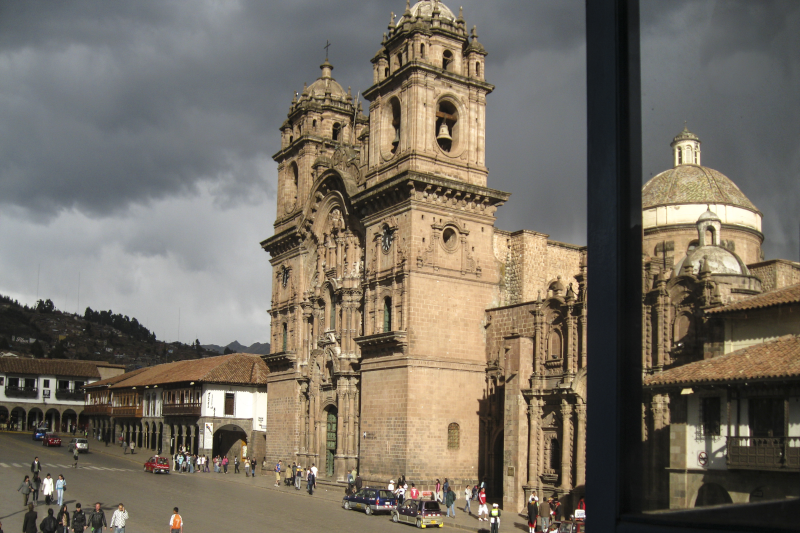
Dominating the northeast side of the Plaza de Armas, the Cusco Cathedral commands attention. Construction took more than a century, and its scale still impresses visitors. Many people do not realize they are viewing three churches, not one. The main basilica stands between Iglesia del Triunfo and Iglesia de la Sagrada Familia. Together, they form a single monumental complex worth exploring in full.

Inside, ornate silver altars and carved wooden choirs fill the space. However, one detail draws particular interest. Look for the painting of the Last Supper by Marcos Zapata. At first glance, it appears traditional. Yet, at the center of the table sits a roasted cuy instead of lamb. This Andean guinea pig transforms the scene into a powerful symbol of cultural fusion.

Visitor essentials:

  • Hours: Usually 10:00 a.m. to 5:45 p.m., with closures during services

  • Tickets: Cathedral-only or Cusco Religious Circuit Ticket

  • Important: Photography and video are prohibited inside

Although the Cathedral dominates the square, it faces an architectural rival across the plaza.

The Two Giants, Part 2: The Story of La Compañía de Jesús, the “Rival” Church

Plaza de Armas Cusco


That magnificent rival is the Church of the Society of Jesus, or La Compañía de Jesús. Built by the ambitious Jesuit order on the former site of an Inca ruler’s palace, its creation sparked a serious controversy. 

  • The Jesuits wanted their church to be the most impressive in Cusco.

  • This ambition challenged the authority of the main Cathedral.

  • The archbishop complained, saying no church should outshine the Cathedral.

  • He even took the issue to the Pope.

  • The Jesuits were ordered to reduce the church’s grandeur.

  • However, the message arrived too late, and the church was already finished.

Where to Find the Best Views: A Guide to Balcony Restaurants and Cafes

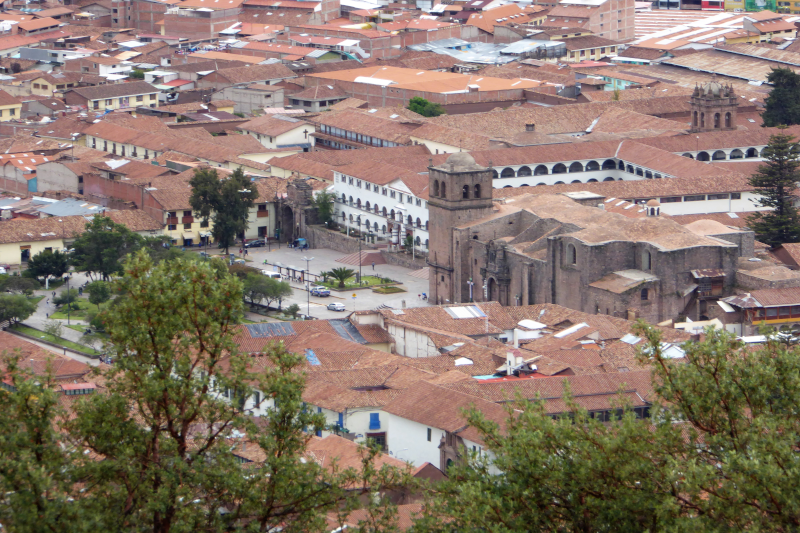
To appreciate the plaza’s full scale, you must see it from above. The colonial arcades framing the square are lined with cafes and restaurants, and heading upstairs is one of the most rewarding things to do in Cusco’s historic center. From a second-floor balcony, you can watch the entire scene unfold: vendors navigating the crowds, the cathedrals catching the afternoon sun, and the city’s red-tiled roofs stretching toward the Andes.

Once settled, it’s the perfect opportunity to try a classic Peruvian drink. For something celebratory, order a pisco sour—the nation’s signature cocktail, a refreshingly tart and frothy blend of grape brandy, lime juice, and egg white. If you’re still getting used to the altitude, a warm cup of mate de coca is the traditional remedy. This coca leaf tea, with a mild flavor similar to green tea, has been used by locals for centuries to ease the effects of high altitude and thin mountain air.

A seat at one of the restaurants with balcony views is highly sought after, especially as the day winds down. The best time to visit is just before sunset when the fading light gives the entire plaza a magical glow. To secure a spot, consider arriving an hour beforehand or ask your hotel to help make a reservation.

Is Plaza de Armas Cusco? Your Guide to a Worry-Free Visit

For many travelers, safety is a primary concern. You can feel confident here. The plaza is the vibrant heart of the city, bustling with people, well-lit, and monitored by a visible tourist police presence well into the evening. Day or night, it feels more like a festive community hub than a place to be on guard. Its energy invites you to stroll, sit, and people-watch without worry.

The same common sense that serves you well in any popular global destination applies to safety in Cusco. While the area is secure, petty crime like pickpocketing can occur in dense crowds. This is easily managed by simply being mindful of your belongings—keeping your wallet and phone in a front pocket or zipped bag is a wise habit. Think of it less as a threat and more as a standard Machu Picchu travel packages.

However, the most significant risk in Cusco has nothing to do with crime. It’s the altitude. At 11,152 feet (3,399 meters), the thin air can cause altitude sickness, known locally as soroche, leaving you with a headache, fatigue, or nausea. The most crucial tip for visitors is this: take it very easy on your first day. Don’t rush to explore. Instead, walk slowly, drink plenty of water and coca tea, and allow your body to adjust.

Exploring from the Center: San Blas and Plaza San Francisco

Plaza de Armas Cusco

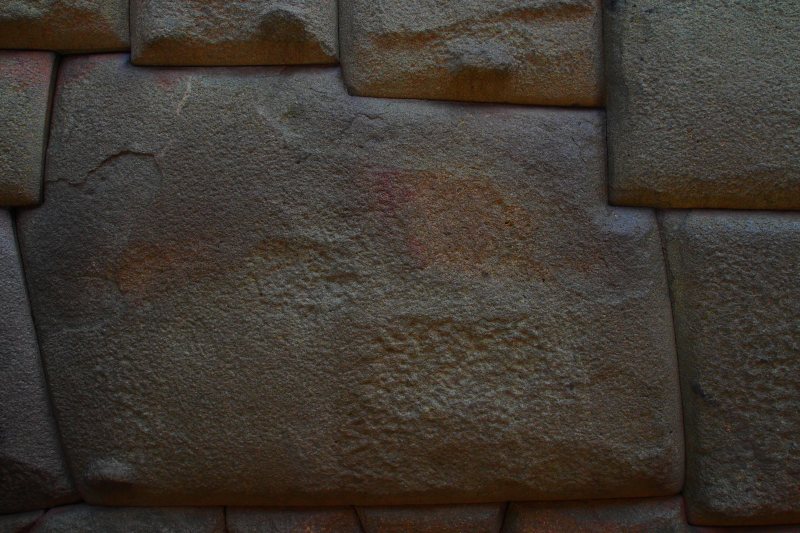
To find the city’s real charm, however, head uphill on a walking tour from the main square to the arts district. To get to San Blas, simply stand facing the grand Cusco Cathedral and take the narrow street running up its right side, Calle Triunfo. This path flows into the even narrower Calle Hatun Rumiyoc, where you can pause to see the famous 12-angled Inca stone. Just keep following the cobblestone path as it steepens; you’ll know you’ve arrived as the streets get tighter and the crowds thin out.

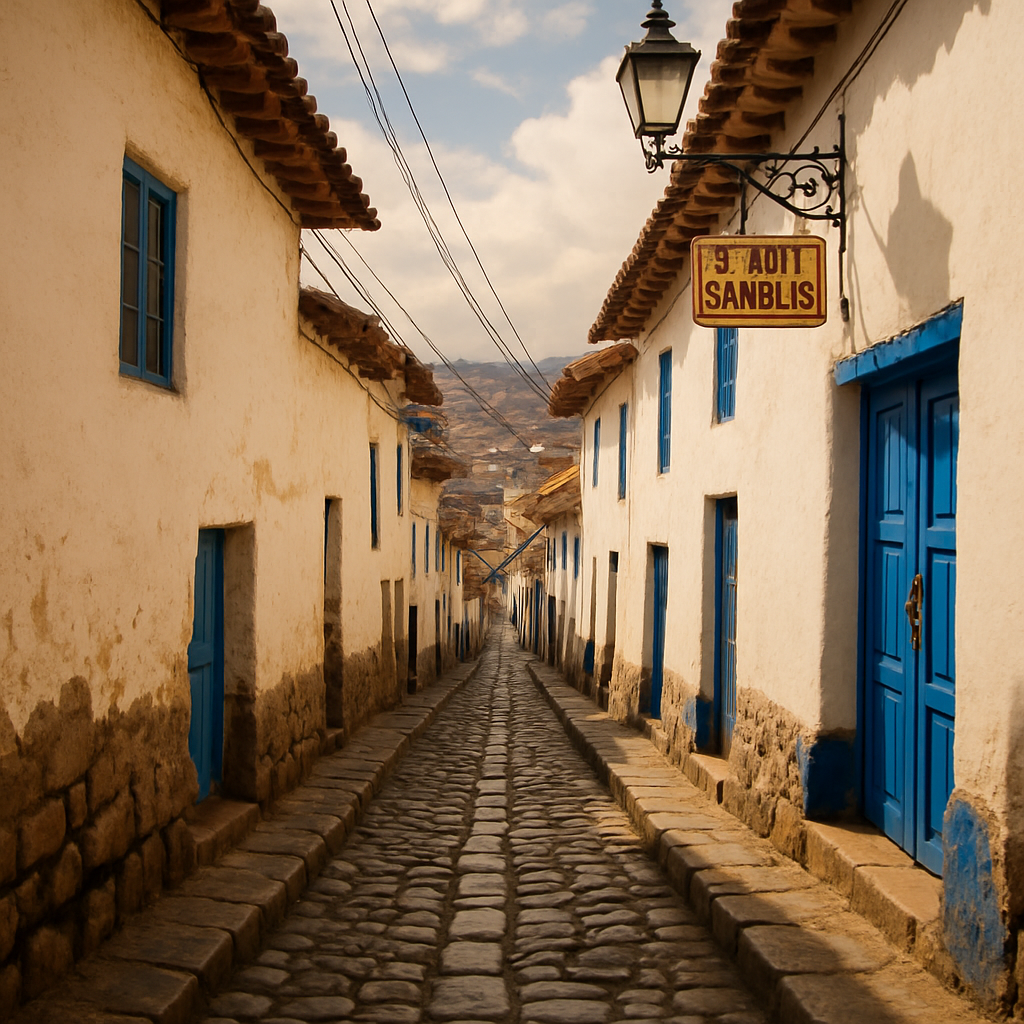
The reward for your short climb is the bohemian neighborhood of San Blas. Known as the “Balcony of Cusco,” this area is a maze of steep, whitewashed alleys, bright blue doorways, and hidden courtyards. It’s the city’s creative heart, filled with workshops and galleries where artisans craft everything from intricate religious sculptures to modern alpaca textiles. Escaping here for an hour offers not just stunning views over the city’s red-tiled roofs, but a peaceful glimpse into Cusco’s artistic soul.

When the Plaza Comes Alive: A Guide to Main Events and Festivals

While the plaza’s stones whisper stories of the past, its spirit truly comes alive during its many festivals. Throughout the year, this historic stage transforms into a vibrant hub of celebration, drawing massive crowds for parades, concerts, and processions. The air fills with music and the scent of street food, connecting modern Cusco with its centuries-old tradition of public gathering.

The most spectacular of these is Inti Raymi, the Inca Festival of the Sun. Every June, this massive theatrical re-enactment brings the history of the main square to life. An actor portraying the Sapa Inca emperor addresses the sun god from a grand stage, just as his ancestors did, turning the plaza back into the sacred Inca heartland it once was. It’s a powerful and unforgettable link to the city’s indigenous soul.

But the calendar is packed with other significant dates. The Catholic festival of Corpus Christi, held 60 days after Easter, sees colorful processions of saints converge on the plaza in a vivid display of blended faith. From these ancient traditions to the city-wide party that erupts for New Year’s Eve, the square is rarely quiet. It’s always a good idea to check Cusco’s event schedule before you visit—you might just walk into the celebration of a lifetime.