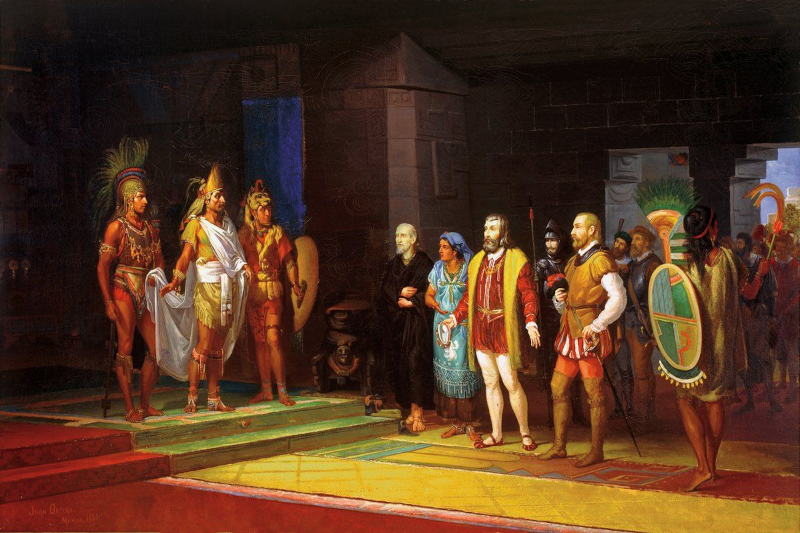
The origins of the Quechua language can be traced back to the Inca Empire, where it served as the official language. This widespread use began with the expansion of the empire across the Andean region. As the Incas conquered new territories, they carried their language with them. As a result, Quechua became a unifying tool among diverse peoples and cultures. Importantly, the adoption of Quechua was not only a political strategy. It also functioned as a powerful means of integrating different communities within the empire.
However, the arrival of the Spanish in the 16th century brought major challenges. The Spanish conquest aimed to suppress indigenous languages and replace them with Spanish. Despite these efforts, Quechua survived and continued to thrive. The colonizers attempted to impose their language as a method of control. Nevertheless, Quechua persisted among indigenous populations. Over time, the resilience of Quechua speakers ensured the language’s survival. Meanwhile, Quechua adapted by incorporating elements of Spanish. This flexibility ultimately became key to its endurance through centuries of historical change.
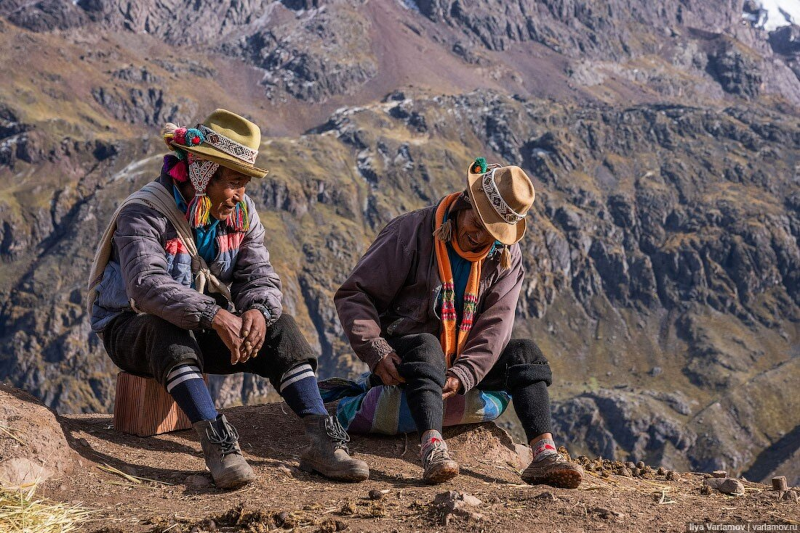
Today, Quechua remains a vibrant and living language. It is spoken by approximately 8–10 million people across the Andes. In particular, the Sacred Valley continues to be a stronghold of Quechua speech. This region once served as the heartland of the Inca Empire. Even now, Quechua remains part of daily communication. The Sacred Valley is also known for its breathtaking landscapes and archaeological wonders. Sites such as Machu Picchu draw global attention. Together, these elements turn the region into a living museum where past and present coexist.
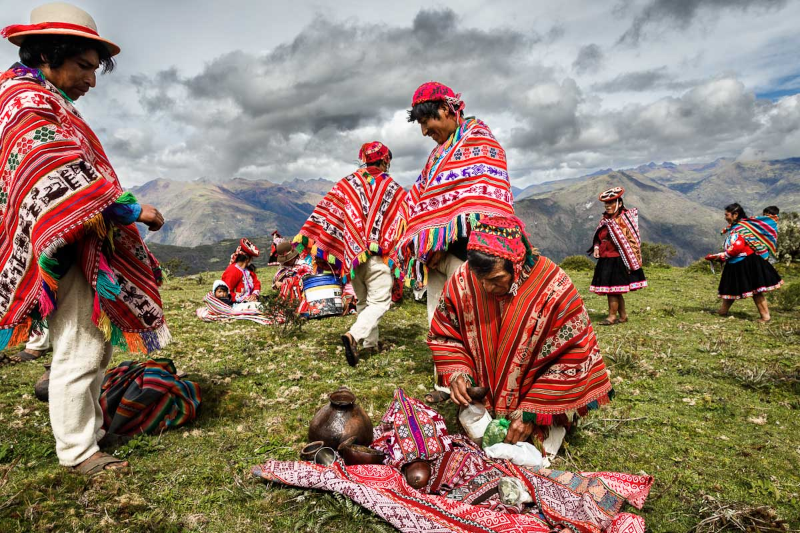
Moreover, the continued use of Quechua in everyday life reinforces its relevance. The language appears in ceremonies, rituals, and cultural practices. As a result, speakers maintain a deep connection to their heritage. This continuity highlights how language strengthens identity across generations.

Quechua is widely recognized for its poetic beauty. Its words often paint vivid images of the surrounding world. In many cases, the vocabulary reflects the natural environment. It captures complex emotions and ideas in concise expressions. For example, the word “Salkantay” refers to a majestic mountain in the Peruvian Andes. This mountain is revered as a deity. Therefore, the word itself expresses the sacred bond between people and nature. It shows how language and landscape remain deeply intertwined.
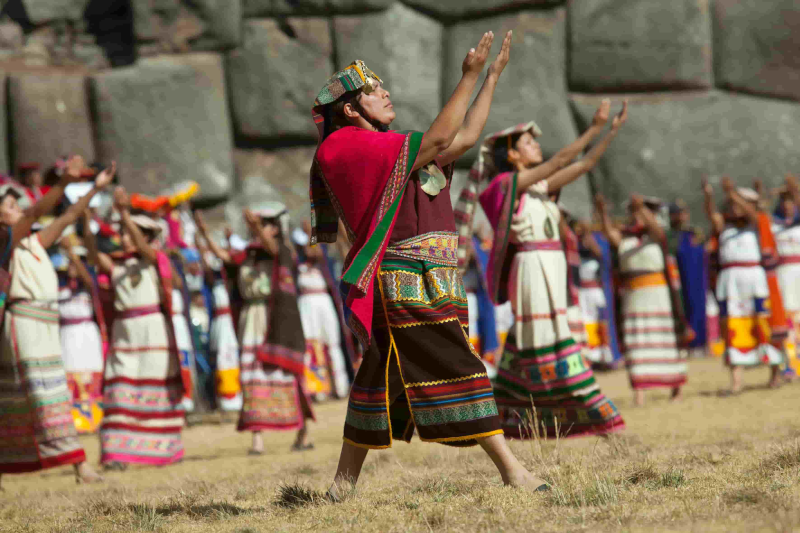
In addition, Quechua reflects cultural traditions and social practices. One important example is “Inti Raymi,” the Festival of the Sun. This celebration ranks among the most significant events in the Quechua calendar. It takes place in Cusco, the former capital of the Inca Empire. During this festival, communities honor Inti, the Sun God. The celebration also marks the winter solstice. Consequently, it becomes a time of music, dance, and communal joy. The Quechua terms used during Inti Raymi carry deep historical meaning. They embody shared values, beliefs, and ancestral memory.
Quechua functions as a repository of cultural knowledge. Many of its words describe traditional farming techniques. Others refer to spiritual beliefs or social customs. Together, these terms form a linguistic archive. This archive offers insight into the Quechua worldview. In this perspective, every word holds cultural significance. Therefore, preserving the language also preserves ancestral wisdom. Through language, future generations gain access to their heritage and collective knowledge.
Despite the pressures of globalization, Quechua is experiencing a revival. Spanish still dominates public life in many areas. Even so, efforts to protect and promote Quechua continue to grow. Educational programs now include Quechua instruction. Additionally, digital tools such as language translators increase accessibility. These initiatives ensure that Quechua remains a living language. It does not exist solely as a historical artifact.
Meanwhile, schools and universities play an essential role. In cities like Cusco, Quechua is now part of formal education. This approach allows younger generations to reconnect with their roots. Furthermore, Quechua appears more frequently in media. Music, literature, radio, and film feature the language. As a result, Quechua reaches audiences beyond the Andes. This visibility helps normalize its everyday use and strengthens its cultural presence.
At the same time, digital technology accelerates this revival. Online platforms and mobile apps teach Quechua to global learners. Social media also serves as a space for cultural exchange. Quechua speakers share stories, songs, and lessons online. Consequently, awareness of the language continues to grow worldwide. These tools democratize access and invite participation from diverse backgrounds.

For Quechua-speaking communities, the language forms the core of identity. It carries history, values, and worldview. Through Quechua, speakers express a way of life rooted in balance. Community and nature remain deeply connected. This worldview emphasizes reciprocity and respect for the earth. These principles guide daily interactions and social relationships.
Therefore, preserving Quechua means preserving more than words. It means protecting an entire way of life. When travelers engage with Quechua speakers, they encounter a living culture. These exchanges go beyond language barriers. For Quechua communities, maintaining the language represents cultural empowerment. It affirms their place in a rapidly changing world. It also expresses pride in their heritage and commitment to future generations.
Quechua also plays a vital role in intercultural dialogue. By sharing language and traditions, Quechua speakers promote mutual understanding. This exchange benefits both communities and visitors. As a result, cultural diversity gains greater recognition. The language becomes a bridge that connects people across cultures and perspectives.
Travelers who explore the Andes can immerse themselves in Quechua culture. They may participate in traditional ceremonies or visit ancient ruins. Others trek routes such as the Salkantay Trail. Each experience connects visitors to the region’s past. Ultimately, these journeys reveal how Quechua culture continues to shape both the landscape and the lives of its people.
Engaging with local communities provides a deeper understanding of Quechua traditions and daily practices. Through direct interaction, travelers move beyond observation and into meaningful learning. For example, learning about the intricate process of creating traditional textiles reveals generations of knowledge and technique. Likewise, participating in community festivals offers insight into spiritual beliefs and social values. As a result, travelers gain invaluable perspectives on the vibrant culture of the Andes.
Moreover, these experiences foster a stronger appreciation for Quechua artisans. Their crafts represent more than decorative objects. They serve as both a source of livelihood and a powerful form of cultural expression. By witnessing these traditions firsthand, visitors better understand the skills and knowledge preserved within Quechua communities.

Experiencing Quechua culture firsthand can also have a profound impact on travelers. Often, these encounters challenge preconceived ideas and assumptions. Over time, they broaden perspectives and encourage empathy. Consequently, travelers develop a deeper respect for cultural diversity and indigenous knowledge.
In addition, cultural exchange benefits local communities. By participating respectfully, travelers help sustain Quechua traditions. Their presence supports local economies and encourages the continuation of traditional practices. Ultimately, these interactions contribute to cultural preservation, ensuring that Quechua customs endure for future generations.
The Quechua language stands as a living heritage. It testifies to the resilience and richness of Andean cultures. Each word serves as a gateway to understanding a world where the past and present coexist. In this world, cultural traditions continue to thrive despite modern pressures.
For travel writers, capturing this depth presents both a challenge and an opportunity. By exploring the nuances of Quechua language and culture, writers can craft compelling narratives. These stories transport readers to the heart of the Andes. In doing so, they offer unique perspectives that celebrate the diversity and complexity of this remarkable region.
As the Quechua people say, “Ama llulla, ama quella, ama sua” — “Do not lie, do not be lazy, do not steal.” This ancient wisdom remains deeply relevant today. It continues to guide Quechua communities in daily life. At the same time, it offers universal lessons that resonate across cultures and generations. By understanding and appreciating the Quechua language and its cultural significance, we honor the enduring legacy of the Andes and its people.