The Sacred Valley of the Incas is a place full of history, culture, and beautiful views. In this valley, Pisac Market is one of the most colorful and lively spots you can visit. If you come to Cusco, going to Pisac Market is a great way to learn about local life, local products and traditions. This article will show you why the market is important and what you will see when you visit.
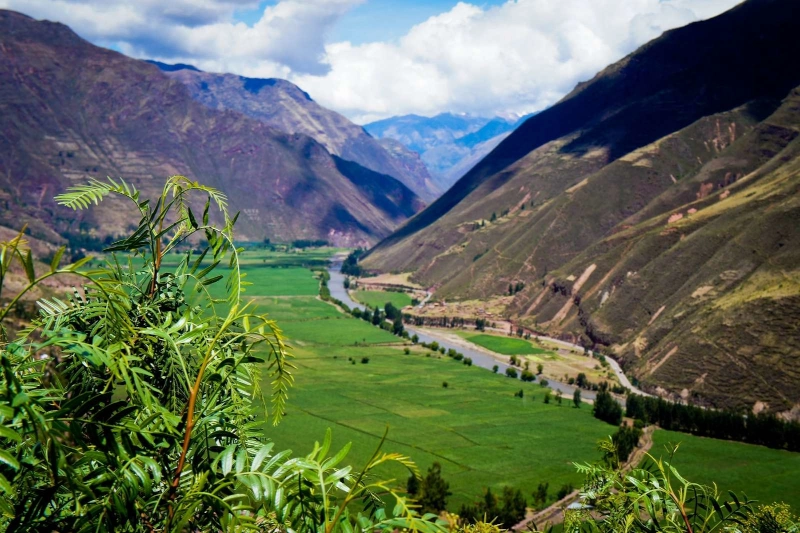
The Sacred Valley, also called Valle Sagrado, goes from Pisac to Ollantaytambo along the Urubamba River. Long ago, this area was the center of the Inca Empire. The land here was rich, and its location was very important.
The valley sits high in the Andes, with towns around 3,000 to 3,600 meters above sea level which is good for adapting to the climate. Today, the valley is still a strong part of Andean culture, and Pisac Market is one of the best places to experience it.

The Sacred Valley has a long history that comes from the Inca civilization. For the Incas, this place was not just land. It was their main area for farming and spiritual life.
They saw the valley’s value and turned it into a rich center of food and religion. Today, you can still see their work in the terraces and ruins across the valley.
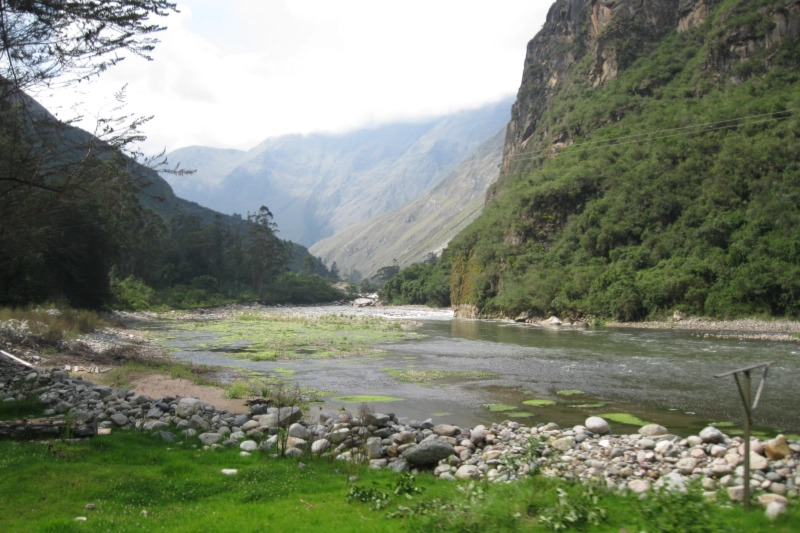
The Urubamba River runs through the Sacred Valley and was very important to the Incas. It gave them water for farming, which helped them grow crops in the high mountains. The river also helped them travel and trade with other towns. The Incas did not see the river as just water, they believed it was sacred and connected to the stars.

The Sacred Valley still keeps many old Andean traditions alive. Even after many centuries, people here continue to follow the customs of their ancestors. They have kept these traditions and also adapted them to modern life.
You can see these traditions every day in the valley. They appear in festivals, in local markets, and in family customs that people still practice and teach to their children.
The Sacred Valley is not only a place from the past. It is a living part of Andean culture.
Pisac is more than a market town. It shows how Andean people live today. Local farmers and artisans come here to sell their products, just as their families have done for many years. The market lets you see daily life and old traditions at the same time.
Pisac Market is an important gathering place. People from nearby villages come here not only to buy and sell. They also share stories, news, and traditions. The market helps keep the community united and strong.
When you walk through Pisac, you see old and new mixed together. You will find handmade crafts, modern products, and everything in between. This shows how Andean culture can stay strong while still growing and changing. The people of Pisac protect their heritage and also welcome new ideas.
Pisac has a culture that mixes old history with modern life. The town shows the bigger Andean culture in a small, easy-to-see way. When you talk to artisans, try local food, or join a traditional activity, you can feel the real spirit of Pisac and its people.
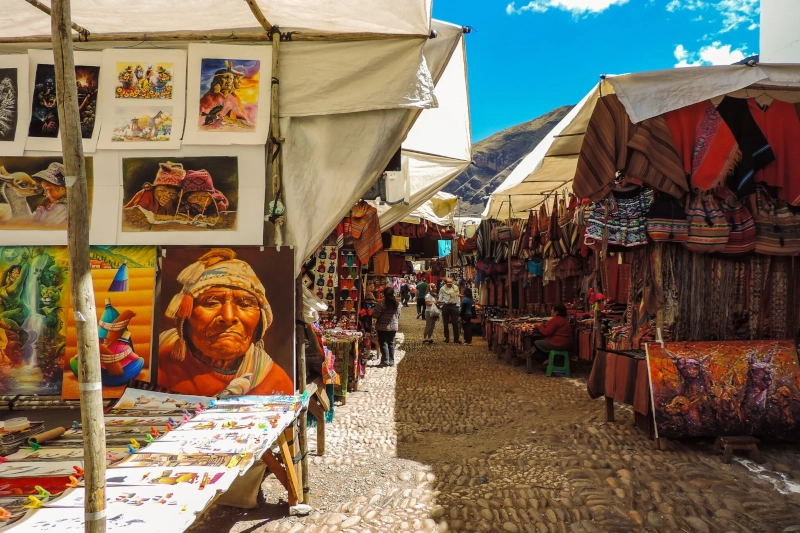
The textiles in Pisac are one of the biggest highlights. They show bright colors, high quality and detailed designs that are part of Andean art. These textiles are not just simple decorations.
Each pattern and color tells a story about the beliefs and traditions of the people who make them. Families pass down these weaving skills from generation to generation.

The textiles in Pisac Market are one of the main highlights. They show beautiful patterns and bright colors, which are classic features of Andean art. These textiles are not merely decorative; they carry deep cultural significance.
Each pattern and color combination holds symbolic meaning, reflecting the beliefs and stories of the people who create them. Families pass down these techniques through generations, and this keeps the art and skill of the Andean people alive.
The pottery in Pisac gives you a clear link to the past. Artisans make each piece by hand using old methods. Many designs show nature or Inca legends. The pottery is beautiful and useful.
People still use these pieces for cooking and serving food. This makes pottery an important part of daily life and local culture.
The jewelry in Pisac Market shows the skill of local artisans. They make each piece by hand, often using silver and small stones. Many designs include symbols from Andean beliefs and traditions.
These pieces are beautiful and meaningful. When you buy jewelry here, you support local artists and take home a piece of Andean culture.
Pisac Market is also a great place to try local food. Many stalls offer fresh and tasty dishes. You can find empanadas, quinoa soup, and even cuy (guinea pig). Trying these foods helps you understand the Andean diet and cooking traditions.
The food in Pisac Market reflects the local Andean diet. People here eat a lot of grains, potatoes, and corn. Dishes like quinoa soup and papa a la huancaína show the rich food culture of the region. Cooks follow old family recipes, so you taste flavors that families have shared for generations.
As you walk through the market, you will see many street food stalls. They serve quick and delicious snacks. You can try warm empanadas or sweet churros. These small treats are perfect to enjoy while you explore the market.
Food is very important in Andean culture. People eat together and share meals with family and friends. This helps keep traditions strong.
Cooking and sharing food is part of daily life. It also makes the market experience more meaningful.
It is easy to travel from Cusco to Pisac Market. The road has beautiful views of the Sacred Valley and the mountains. The trip is short and very scenic.
You can reach Pisac in different ways. Public buses and colectivos (shared taxis) are cheap and simple options. The drive takes about one hour. You can enjoy the amazing landscapes on the way.
Public buses are a popular way to get to Pisac. They are cheap and easy to use. Many locals travel this way. The buses run often and offer a smooth ride through the Sacred Valley.
Colectivos are shared taxis. They are faster than buses and still affordable. They leave more often, so you do not wait long. Riding with locals lets you see daily life in the region.
Private tours are another option. Many tours include visits to the Pisac Ruins, Rainbow Mountain, or other places in the Sacred Valley. You can choose your own schedule and spend more time in the places you like.
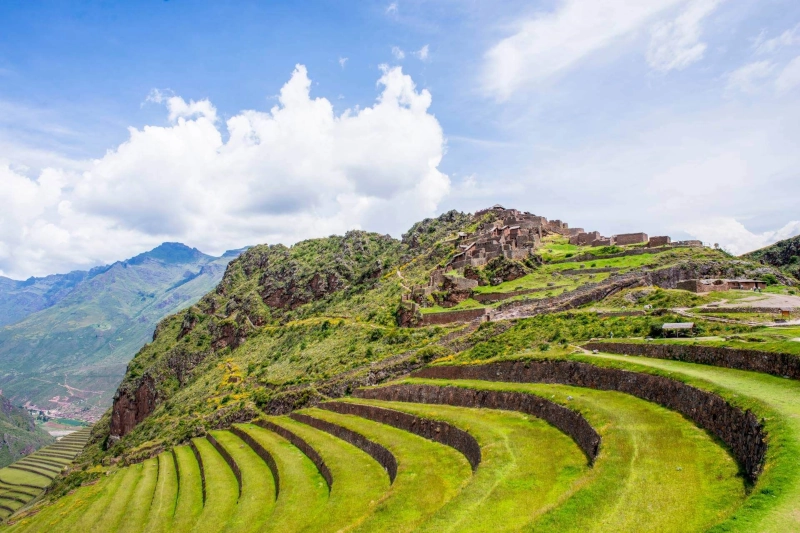
Pisac is not only a market. It also has one of the most impressive archaeological sites in the area. The Pisac Ruins sit high on a hill above the town. From the top, you can see wide and beautiful views of the Sacred Valley.

The ruins show the skill and intelligence of the Inca people. The site has different areas, such as farming terraces, ceremonial baths, and old living spaces. As you walk through these places, you can imagine how people lived there long ago.
The design of the Pisac Ruins shows amazing Inca engineering. The stones fit together with great precision. The Incas’ hydraulic engineering makes the terraces and buildings stand strong even after hundreds of years. This shows how well the Incas understood the land and how they used it to survive and grow.
The baths and temples in the ruins show the spiritual side of the Inca culture. The Incas saw a strong link between nature and their gods. They built these places to honor that connection. Some temples line up with the sun and stars, which shows the Incas knew a lot about astronomy and respected the cosmos deeply.
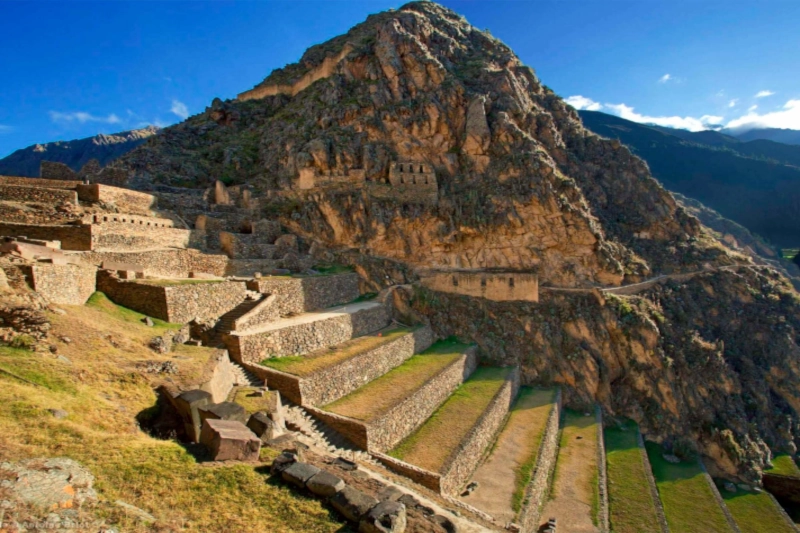
The terraces in Pisac are very important. They show how the Incas used smart farming methods. The Incas grew crops on the steep mountains by building these terraces.
This proves they could adapt to the hard Andean landscape. They also used clever irrigation systems and good soil care. These skills show the Incas were great farmers.
When you visit Pisac, you can also travel to Ollantaytambo. It is another amazing place in the Sacred Valley. Ollantaytambo has well-preserved Inca ruins and a beautiful old town.
You can explore its history and culture and even plan your Machu Picchu visit from here. Make sure to buy your tickets for Machu Picchu and Huayna Picchu before you go, so your visit is easy and fun.
Ollantaytambo is special. It is one of the few places where the Incas stopped the Spanish from taking control. The town still keeps its old Inca layout. You can walk on narrow stone streets and see traditional stone houses.
The history of Ollantaytambo is full of courage and resistance. Manco Inca used this town as a strong defense during the Spanish invasion. Here, he successfully pushed back the Spanish troops. Nearby, Sacsayhuamán also played a key role, with its massive stone walls serving as a fortress and lookout to protect the Inca people.
You can still feel this story of strength in the town’s walls and streets. It shows the strong spirit of the Inca people.
Ollantaytambo has an amazing archaeological site. You can see huge stone terraces on the mountainside. The Incas built them with great skill. They shaped every stone with care and placed each one with precision.
They also built a ceremonial area at the top. All these structures show the Incas’ strong knowledge of engineering. They knew how to build in harmony with nature. When you walk through the site, you can clearly see their talent and creativity.

Today, Ollantaytambo is still full of life. The town keeps many Inca traditions alive. People here continue to make crafts, celebrate their festivals, and follow old customs.
The narrow streets and stone houses make the town feel like a living museum. As you explore, you can watch daily life unfold just as it did centuries ago. This gives you a real and close look at Andean culture.
Pisac Market is more than a place to shop. It is a place where you can see the rich culture of the Andes. The bright colors, handmade crafts, and nearby ruins help you learn about local traditions and history.
If you are a travel writer, you can capture the spirit of the Sacred Valley trip. If you are a traveler, you can enjoy authentic experiences, tasting typical dishes, exploring Cusco’s markets, seeing art, and joining daily life. Walking through the busy stalls and visiting the old ruins gives you a deeper respect for the Inca world. You can also take a city tour to see more history, old buildings, and local life.
Start your journey in Pisac. Let its colors, sounds, and stories teach you about this beautiful region. The busy market and the old ruins around it let you connect with the past while you enjoy the living culture of the Andes.