Qeswachaka Inca Rope Bridge Tradition Experience

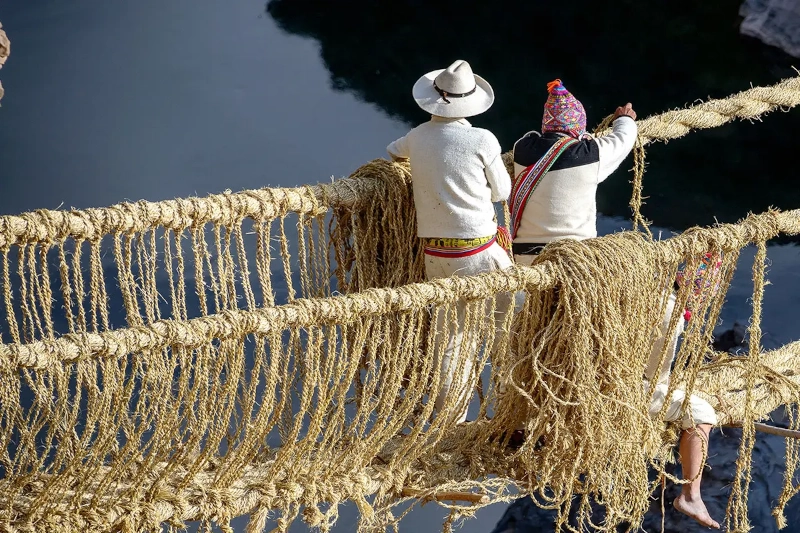
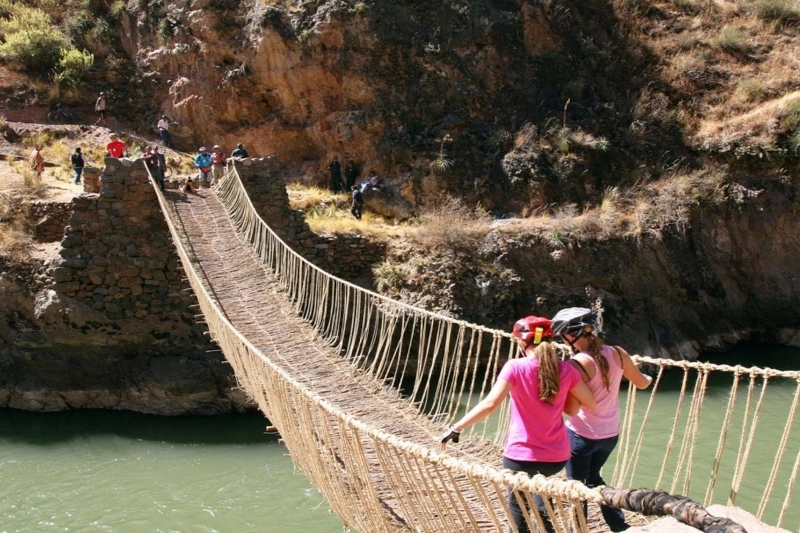
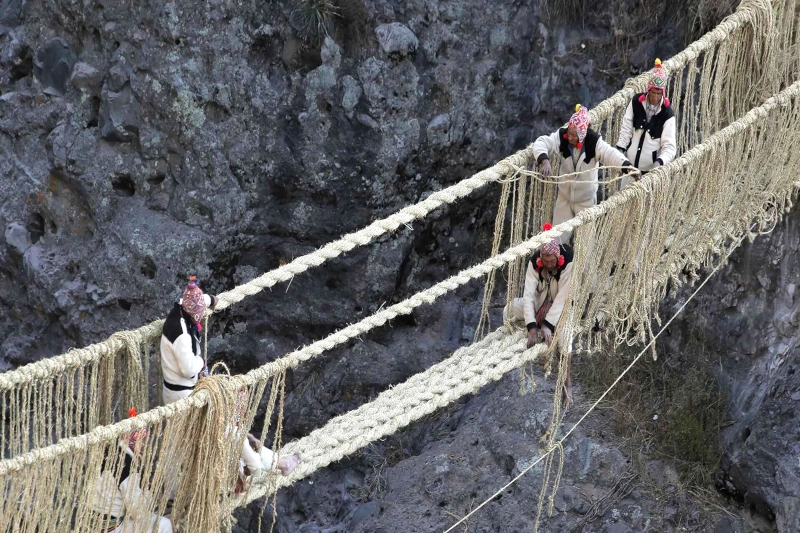
The Qeswachaka rope bridge crosses the Apurímac River in Canas Province near Cusco. This suspension bridge shows the amazing engineering of the Inca Empire. Builders use traditional methods passed down for generations to make it. Builders make the bridge from ichu grass, a natural fiber collected from nearby highlands.

Using local materials shows how the Incas worked with nature. The bridge is about 36 meters long and hangs 18 meters above the river. It sways gently when people cross, showing the perfect balance between nature and human skill.

Qeswachaka Inca Rope Bridge

Historical Significance

The Inca Empire built an impressive network of roads and trails that connected even the most remote parts of their land. To cross deep rivers and steep valleys, they created suspension bridges like Qeswachaka. These bridges were essential for the Incas—they helped people travel, move goods, send messages, and support their army.

Thanks to these bridges, the empire stayed strong and organized. Qeswachaka is one of the last remaining examples of this tradition. It shows the incredible Inca engineering that used simple materials and smart design to create safe, flexible bridges that lasted for centuries. Today, Qeswachaka stands as a living reminder of the Incas’ skills and their advanced way of working with nature.

Cultural Heritage

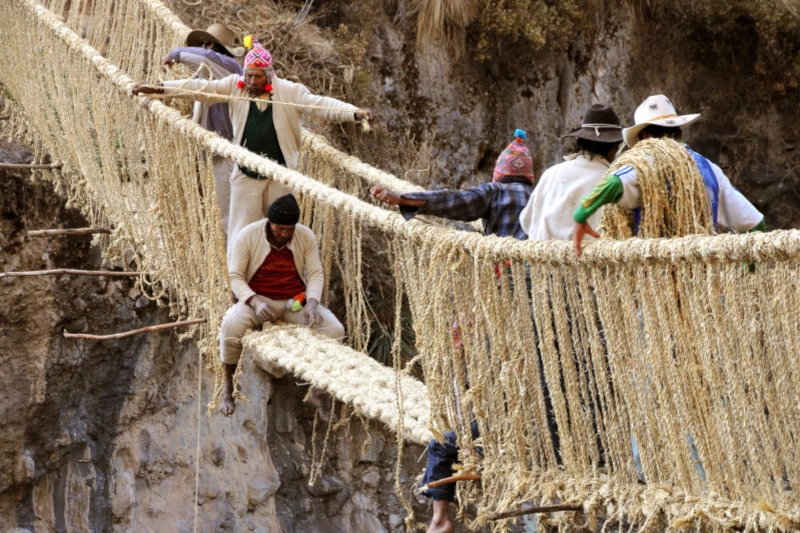
The annual rebuilding of the Qeswachaka Bridge is a lively celebration of culture and community work. Every June, four Quechua-speaking communities from nearby areas come together to rebuild the bridge. 

They use the same methods that their ancestors used. This event shows their skills and their strong cultural identity. It also brings the whole community closer together.

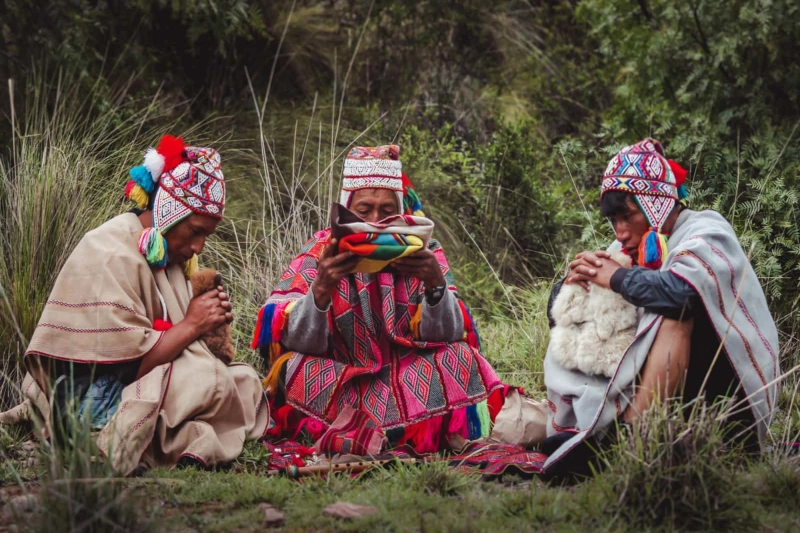
The rebuilding includes special rituals and ceremonies to honor Pachamama, the Earth Mother. These acts show the deep spiritual connection between the people and nature.

These traditions make the event more than just rebuilding a bridge. They also refresh the community’s culture and spirit.

The ceremony helps keep their heritage alive for future generations. It’s a living tradition where elders teach young people their skills and knowledge. This sharing builds pride and shows the strength and unity of the Andean communities.

Qeswachaka Inca Rope Bridge

The Experience of Crossing the Qeswachaka Bridge

For anyone who wants a real taste of Andean culture, visiting the Qeswachaka Bridge is a must. The trip to the bridge is an adventure on its own. You will see beautiful views of the Sacred Valley and catch glimpses of the famous Inca trails along the way.

These trails were once part of the huge Inca road system. Walking them lets travelers follow in the footsteps of ancient messengers and traders.

Many visitors choose alternative treks. These paths give a closer view of the region’s natural beauty and cultural life.

The landscapes along the routes have stayed mostly the same for hundreds of years. This allows travelers to experience a world that has preserved its history and traditions over time.

Qeswachaka Inca Rope Bridge

The Trek to Qeswachaka

The trek to Qeswachaka usually starts in Cusco. Cusco is a city with a lot of history and was once the center of the Inca Empire. From there, visitors can join a guided tour. 

The tour stops at cultural and archaeological sites. These stops show how skilled the Incas were at building and organizing their society.

The path to the Inca bridge goes through beautiful valleys and highland villages. Travelers can meet local people and learn about their daily life and traditions. Each visit lets travelers experience how modern Andean people connect their daily life with the past. It also shows how ancient traditions are still alive today.

Crossing the Bridge

Crossing the Qeswachaka Bridge is an exciting experience that mixes adventure with a deep respect for cultural heritage. As you step onto the gently swaying ropes, you feel connected to the many generations of travelers who have walked this path before you.

The builders use natural materials and traditional construction methods to make the bridge, which work very differently from modern engineering. This shows the cleverness and strength of the Inca civilization. Crossing the bridge is a journey through both space and time, connecting you deeply with the Sacred Valley’s culture.

Preserving the Qeswachaka Tradition

The Qeswachaka Bridge is still alive today because local people take care of it every year. They work together to keep their Inca traditions strong. Some international groups also help so this history does not disappear.

Their work makes sure the bridge and the yearly rebuilding continue for many years. It teaches young people why traditions are important and why we must protect them.

By keeping the skills and rituals used to rebuild the bridge, people also protect the culture of the Andes. In the same way, places like Waqrapukara—at an altitude of about 3,700 meters above sea level—show that Inca traditions are still alive in the high mountains.

Qeswachaka Inca Rope Bridge

Community Involvement

The active participation of local communities in building the Qeswachaka Bridge is very important for keeping the tradition alive. Involving young people in the annual renewal helps pass the knowledge down, creating pride and a sense of ownership.

Building the bridge brings the community together. It shows how important teamwork and helping each other are in Andean culture. Elders pass on their skills and knowledge to the young through stories and hands-on teaching. This keeps the bridge alive as a living tradition and ensures the community’s culture continues for future generations.

Global Recognition

People now see the Qeswachaka Bridge as a strong symbol of culture and clever engineering. In 2013, UNESCO recognized the bridge as a Masterpiece of the Oral and Intangible Heritage of Humanity. This shows how important and valuable this living tradition is.

This recognition has helped people see why it’s important to protect cultural heritage. It has also brought visitors from all over the world who want to experience this unique tradition.

The attention from people around the world has brought more help and support. This allows local communities to keep protecting their traditions and show their rich culture to visitors from everywhere.

Qeswachaka Inca Rope Bridge

Conclusion

Visiting the Qeswachaka Inca Rope Bridge is more than just seeing a historic site. It is a chance to fully experience Andean life and traditions. The bridge shows the amazing skills of the Inca Empire and the living spirit of local people who keep their ancestors’ ways alive. Walking across it lets you feel connected to a history that is still alive today.

Joining the Qeswachaka tradition helps you understand the culture and strength of the Sacred Valley people. You see how their daily life stays closely tied to ancient ways. From the way the bridge is built to the yearly rituals, history comes alive. This is your chance to watch a story that has lasted hundreds of years unfold right before you.

For travel writers, the Qeswachaka Bridge is full of stories and history. You can picture the Inca engineers and local communities who cared for these bridges over generations. The bridge sparks curiosity and inspires travelers to explore more of the Sacred Valley while respecting its culture. It is a clear example of how traditions survive and connect the past with the present.

When you tell your own stories of the Sacred Valley, the Qeswachaka Bridge can guide you. It shows why protecting culture and sharing it with the world matters. Experiencing this bridge helps travelers see the rich heritage of the Andes and the strong bond between people, history, and the land. By sharing these stories, you help keep a cultural tradition alive that continues to inspire and connect people across generations.