Cusco stands as one of the most fascinating cities in South America, rich in history and surrounded by natural beauty. Once the heart of the Inca Empire, it remains a vibrant cultural and historical hub. Today, its location makes it ideal for unforgettable day trips.
From the colorful peaks of Rainbow Mountain to the ancient terraces of Maras and Moray, each destination offers something unique. Travelers can explore pre-Columbian engineering, high-altitude landscapes, and small Andean villages. These day trips showcase the enduring legacy of the Inca civilization.
The city’s proximity to the Sacred Valley and other major sites adds to its appeal. Whether you’re interested in history, culture, or nature, it delivers exceptional experiences in every direction.

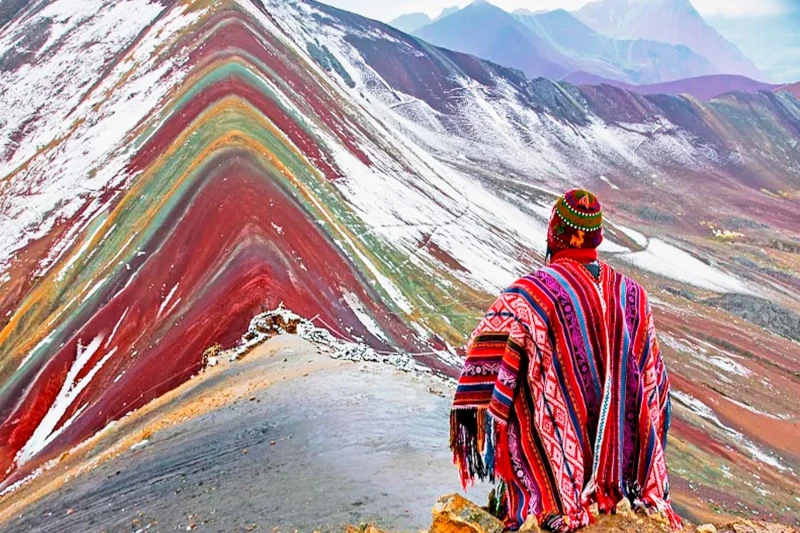
Rainbow Mountain, or Vinicunca, is a natural wonder that has quickly become one of Peru’s most sought-after attractions. Its vibrant, multicolored layers of rock are a feast for the eyes and a dream come true for photographers.
These vivid hues are not just a visual spectacle but also a geological marvel, with each color representing different minerals deposited over millennia. This phenomenon provides a unique glimpse into the Earth’s natural artistry, drawing travelers from across the globe.
Moreover, visiting Rainbow Mountain is not only about witnessing its beauty but also about experiencing the journey to it.
The path to the summit takes you through remote Andean villages where you can observe traditional lifestyles that have remained unchanged for generations. The mountain’s allure goes beyond its colors, offering an authentic cultural encounter that enriches your travel experience.
The journey to Rainbow Mountain typically begins with an early morning departure from Cusco. This early start ensures you can enjoy the landscape in tranquility, avoiding the midday crowds that flock to this popular site.
The trek itself, while challenging because of the high altitudes, offers rewarding views at every turn, making the effort worthwhile for those with a moderate level of fitness.
To prepare for the journey, it’s crucial to pack appropriately. Layered clothing is essential because the weather has rapidly changing conditions in the mountains. As temperatures can fluctuate significantly, layers allow you to adjust your attire comfortably.
Additionally, packing plenty of water is vital to stay hydrated, as the altitude can exacerbate dehydration. Bringing along snacks such as energy bars will keep your energy levels up, ensuring you can fully enjoy the trek.
For photographers, the best time to capture Rainbow Mountain is during the early morning or late afternoon when the sunlight casts dramatic shadows across the landscape. These golden hours provide optimal lighting conditions, highlighting the mountain’s vibrant colors and adding depth to your photos.
Photographers recommend bringing a polarizing filter to reduce bright reflections and enhance colors in your shots.
Beyond the mountain itself, the surrounding area offers numerous photographic opportunities. Capture the breathtaking vistas of the Andes, the local fauna such as llamas and alpacas grazing in the wild, and the traditional attire of indigenous communities. Each image tells a story, offering a glimpse into the stunning and diverse world of the high Andes.

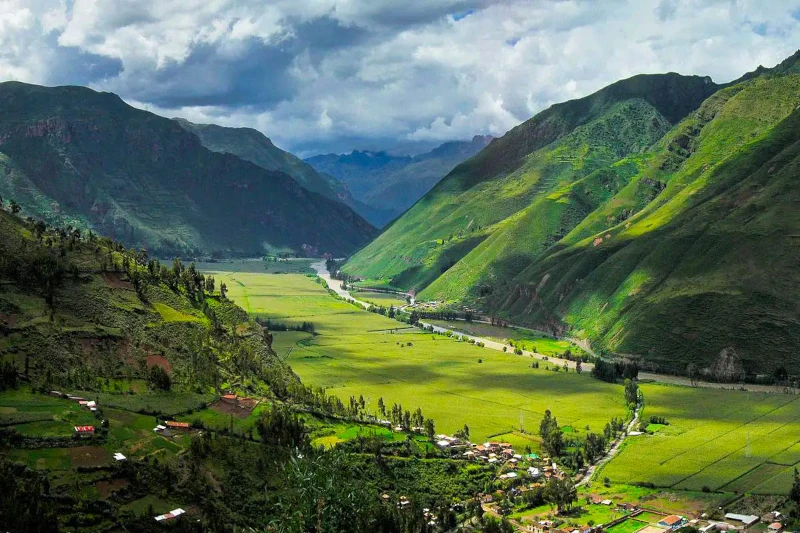
The Sacred Valley, stretching between Pisac and Ollantaytambo, is a region rich in history and natural beauty. This fertile area was once the heart of the Inca Empire, and today it offers a wealth of archaeological sites, traditional markets, and stunning landscapes.
The valley’s lush greenery and dramatic landscapes provide a stark contrast to the arid highlands, creating a picturesque setting that is both serene and inspiring.
The trail is not just about its stunning visuals; it’s also a journey into the past. As you explore, you’ll discover remnants of the Inca civilization, from terraced fields to ancient fortresses, each telling tales of a once-great empire. The valley’s cultural significance is palpable, making it a must-visit for history enthusiasts and casual travelers alike.
Your day trip to the Sacred Valley should include visits to Pisac Market, which is a vibrant showcase of Andean culture, offering everything from colorful woven goods to intricate silver jewelry. It is a perfect place to pick up unique souvenirs and support local artisans.
Then you must go to the Ollantaytambo ruins; it offers an extraordinary glimpse into Incan architecture and ingenuity. As you walk along this Inca Trail, you’ll see massive stone terraces the Incas once used for agriculture.
As well as the impressive fortress that played a crucial role in the Incas’ defense against Spanish conquistadors. Inca builders meticulously placed each stone in the complex, showing their advanced engineering skills
Interacting with local artisans and farmers provides a deeper understanding of the region’s cultural heritage. Their stories and craftsmanship offer a personal connection to the history that shaped this land.
Join a weaving demonstration to see traditional techniques passed down through generations. Talk with a farmer to learn about local agricultural practices. These experiences connect you with the people and traditions that sustain the community.
Moreover, attending local festivals or ceremonies can provide an even deeper cultural immersion. These events, often filled with music, dance, and traditional costumes, offer a vibrant celebration of Andean traditions.
Experiencing these cultural expressions firsthand enriches your understanding of the people and their enduring connection to their heritage.

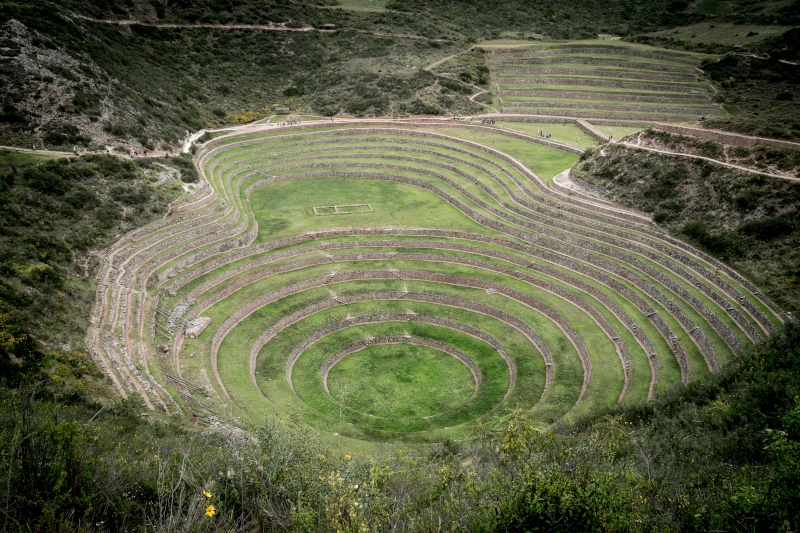
The archaeological site of Moray is a fascinating example of Incan agricultural innovation. The site consists of several circular terraces that resemble a Greek amphitheater.
Each terrace has its own microclimate, allowing the Incas to experiment with crop production at various altitudes. This ingenious system enabled them to optimize growing conditions and develop resilient crops, showcasing their advanced understanding of agriculture and ecology.
The circular design is not only functional but also aesthetically striking. As you explore the site, you’ll admire the terraces’ symmetry and precision, which blend beautifully into the natural landscape.
The site remains a testament to the Inca’s ingenuity and their harmonious relationship with the environment.
Nearby, the Maras Salt Mines offer a unique glimpse into ancient salt extraction techniques that are still in use today.
Over 3,000 salt ponds cascade down the mountain, creating a stunning patchwork of white against the Andean landscape. The salt mines have been in operation since pre-Incan times, and visiting them is like stepping back into history.
The process of salt extraction here is both simple and fascinating. Channels carry natural spring water, rich in salt, into the ponds.
The sun evaporates the water, forming salt crystals that local families then harvest by hand. This age-old practice provides a livelihood for the community and offers a tangible connection to the region’s past.
When visiting Maras and Moray, consider hiring a local guide who can provide insights into the history and significance of these sites.
A knowledgeable guide can enrich your experience by explaining the intricate details of the agricultural techniques used at Moray and the traditional methods employed at the salt mines. Their stories bring the sites to life, offering a deeper appreciation of the ingenuity and resilience of the Inca civilization.
The drive from Cusco to these sites is relatively short, making it an ideal day trip that combines natural beauty with historical intrigue.
Ensure you have a camera ready to capture the stunning landscapes and unique features of these archaeological wonders. Wear comfortable footwear, since you’ll walk to fully explore these remarkable sites.
No trip to Cusco would be complete without a city tour to explore its historical and cultural treasures. The city itself is a blend of Incan and colonial architecture, offering a fascinating journey through time.
As you wander through the center of the city, you’ll encounter stone walls built by the Incas that have withstood centuries, alongside colonial churches and mansions that tell the story of the Spanish conquest and cultural fusion.
Its vibrant streets are a living museum, where each corner reveals a piece of history. Whether it’s the intricate carvings on a colonial balcony or the seamless stonework of an Incan foundation, the city’s architecture speaks volumes about its layered past.
Exploring this UNESCO world heritage site is an opportunity to delve into the narratives of resilience and adaptation that have shaped its identity.
Begin your tour at the Plaza de Armas del Cusco, where you can visit the Cathedral and the Church of La Compañía de Jesús. The Cathedral, with its stunning baroque façade, houses a rich collection of colonial art, offering a glimpse into the religious and artistic expressions of the era. The Church of La Compañía de Jesús, with its opulent interior, is a testament to the wealth and influence of the Jesuits in colonial times.
Next, head to the ancient Incan temple of Qorikancha, now the site of the Santo Domingo Convent, to marvel at the seamless stonework that has withstood centuries.
The Incas built this temple for the sun god Inti, making it the richest temple in their empire. Its finely crafted walls, made of precisely cut stones, reflect the Incas’ architectural prowess and their reverence for the divine.
Wandering through the narrow, cobblestone streets of the San Blas neighborhood, you’ll find numerous art galleries, workshops, and cafes.
This artistic quarter is perfect for a leisurely afternoon of exploration and reflection. As you stroll, you’ll encounter local artists and craftsmen who are happy to share their work and stories.
The area also offers a bohemian vibe and relaxed atmosphere, making it perfect for unwinding after a day of sightseeing.
Enjoy a coffee in a cozy café or browse the eclectic shops for unique handmade souvenirs. The neighborhood’s charm lies in its ability to blend tradition with modern creativity, offering visitors a taste of Cusco’s vibrant cultural scene.
Given high altitude, it’s important to acclimatize before embarking on day trips. Spend a day or two in Cusco city to adjust and drink plenty of coca tea to help with altitude sickness. This time allows your body to adapt to the thinner air, reducing the risk of altitude-related discomfort. Engaging in light activities and staying hydrated are also key to a smooth acclimatization process.
While acclimatizing, take the opportunity to explore local attractions at a leisurely pace. Visit museums, indulge in local cuisine, and enjoy the vibrant street life.
This period of adjustment not only prepares you physically but also enriches your overall experience by allowing you to absorb the city’s unique atmosphere.
Customize your itinerary based on your interests and time constraints. Rainbow Mountain’s vibrant colors and Maras Moray’s history each offer a unique view of the region’s beauty and past. Consider combining multiple sites in a single day to maximize your experience, or focus on a specific area for a more in-depth exploration.
Researching in advance and seeking recommendations from fellow travelers can help you create a balanced itinerary that aligns with your preferences. Flexibility is also essential, as weather conditions and other factors may influence your plans. Being open to new experiences and ready to adapt ensures a fulfilling journey.
Consider joining a guided tour for a hassle-free experience. Local guides offer valuable insights and handle the logistics, allowing you to focus on enjoying your journey. From arranging transportation to providing historical context, a guide can enhance your understanding and appreciation of each site.
Cusco’s day trips are a gateway to the wonders of the Andes, offering a perfect blend of natural beauty, cultural immersion, and historical exploration. Whether you’re capturing the vibrant hues of Rainbow Mountain or delving into the mysteries of Incan agriculture at Moray, these experiences will leave you with lasting memories and a deeper appreciation for Peru’s rich heritage.
With this guide in hand, you’re well-equipped to embark on your adventure with confidence and ease. Enjoy the journey! The vibrant markets of the Sacred Valley and ancient streets of Cusco each reveal new discoveries and untold stories. As you explore, you’ll find that the true essence lies not only in its stunning landscapes and historical sites but in the warmth and resilience of its people. Happy travels!