Exploring the Cultural Heritage of Andahuaylillas

The first thing that strikes most travelers in the Cusco region is the spectacular ruins of Machu Picchu. It also includes the expansive Sacred Valley.

Yet a short trip northeast of the old Inca capital changes that view. It reveals one of the most fascinating and historically rich corridors in the Andes.

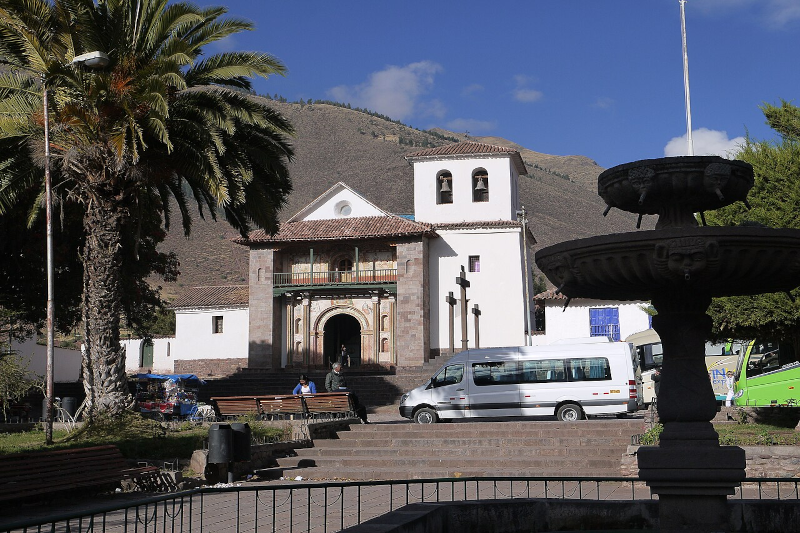
The town of Andahuaylillas sits quietly in the beautiful South Valley (or south valley of Cusco). It stands as a jewel of colonial history. On one hand, this small Andean village looks unassuming. On the other hand, its central square holds an architectural marvel that would impress even the great European basilicas.

Andahuaylillas

Summary

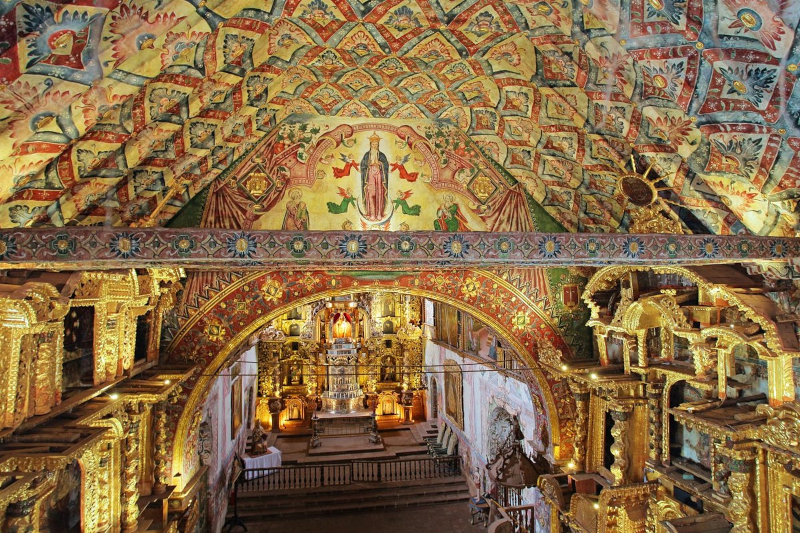
Andahuaylillas, in Cusco’s South Valley, centers on the Jesuit-built Church of San Pedro Apóstol. It is famed as the “Sistine Chapel of the Americas” for its lavish Baroque interiors and Cusco School murals.

The place stands as a perfect example of Andean–Catholic syncretism. The restored frescoes include indigenous motifs alongside Catholic iconography.

Visitors take the Route of the Andean Baroque. They often combine Andahuaylillas with Tipon and Pikillacta on a day trip.

Access from Cusco is easy. There is a small entrance fee. The dry season works best for visiting. You also need acclimatization at altitude. No photography is allowed inside. Local artisans benefit from sustainable tourism.

The Jewel of the Andes: The Andahuaylillas Church

The Andahuaylillas church, or to give it its official name, the Church of San Pedro Apostol, stands as one of the most excellent examples of Jesuit architecture in the Andes. The Jesuits constructed it towards the end of the 16th and early 17th centuries.

The exterior shows European-style whitewashed adobe walls and an open balcony. It gives the appearance of a modest facade. Yet it brilliantly hides the stunning opulence within the building.

Andahuaylillas

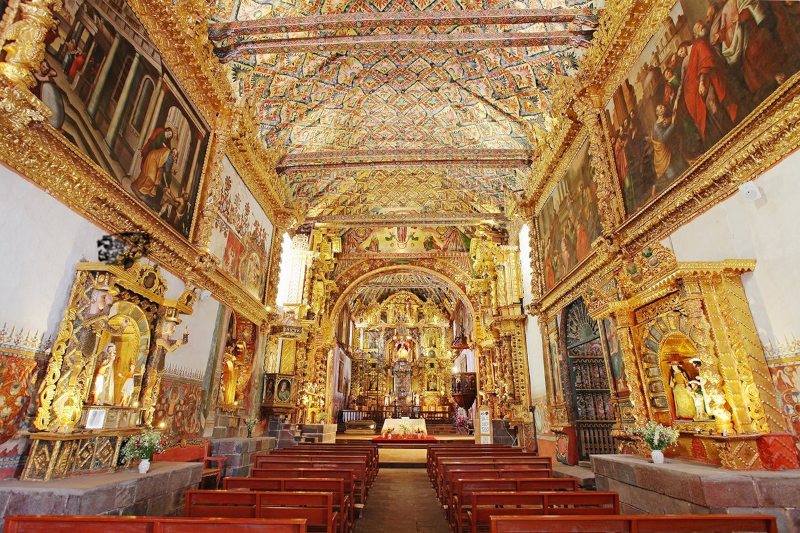
Upon entering the Andahuaylillas chapel, visitors instantly immerse themselves in a dazzling display of Baroque artistry. It is no wonder people famously dub this incredible site the Sistine Chapel of the Americas. Its interior delivers a sensory feast, covering every surface in magnificent frescoes without the slightest interruption from floor to ceiling, framed by the finest woodwork and some of the richest gold leaf altars of the South American continent. Whether one is fascinated by Latin American history, the sheer size of the artwork and its perfect conditions of preservation make it a crucial place to see.

Art and History: A Masterclass in Syncretism

The perception of the place as a canvas of intercultural integration is what is really unique about Andahuaylillas. The beautiful Cusco School of art nave-length murals are not just applied ornamentation; throughout the centuries, they function as an instructional resource, and the Spanish use them to indoctrinate Indigenous Quechua-speaking people in the education of Catholicism.

These artworks provide an intriguing look into Peruvian colonial art religious syncretism. When you closely observe the great ceilings and walls you will discover the native elements fitting perfectly in the conventional Catholic imagery. Both local Andean vegetation, sun symbolism, and local features blend with European saints and religious scenes.

Conservation of this centuries-old and delicate history is a huge task. Luckily new attempts to restore mural paintings in Peru have managed to restore the initial splendour of these frescoes. Tedious efforts by art historians and restorers have preserved the pigments so that the vivid reds, blues and golds will live to see future generations.

Crafting Your Route of the Andean Baroque Itinerary

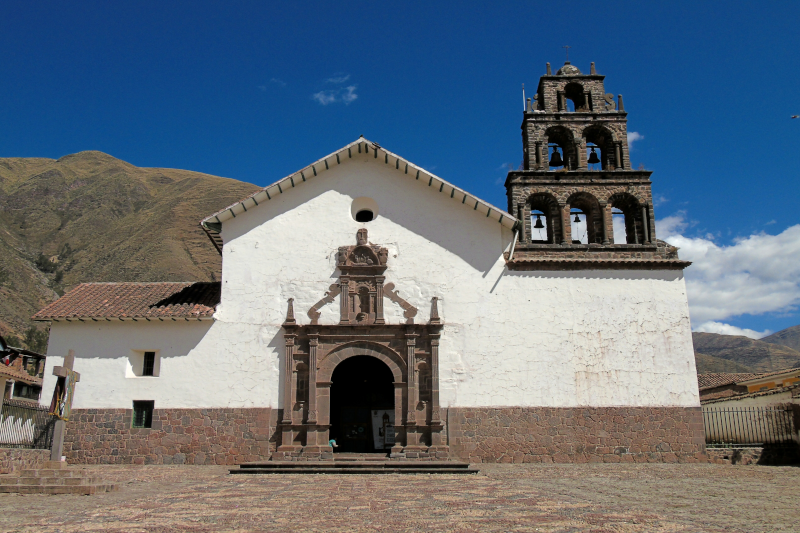
A common question amongst the travellers is, which are the best colonial churches in Peru? The solution will, surely, be the well-known Route of the Andean Baroque itinerary. This culture avenue showcases a series of image spectacles, historically important chapels, and the Andahuaylillas church is the unquestioned masterpiece.

As a way of maximizing on a trip, you can book a complete south valley tour on Baroque churches. These guided tours usually include Andahuaylillas and the surrounding communities such as Huaro and Urcos, with excruciating details about the common styles of architecture in the area.

Andahuaylillas

Planning the Logistics:

  • How to get to Quispicanchi from Cusco: The Quispicanchi province, where Andahuaylillas is located, is incredibly accessible. It takes about 45 minutes to drive the 40 kilometers (25 miles) from Cusco. You may either employ the services of a taxi, use a local colectivo (shared van), leave from the Urcos bus station on Avenida Huayruropata, or use a guided group tour.
  • San Pedro Apóstol church entrance fee: Admission to the church is typically around 15 Peruvian Soles (roughly $4 USD). This small fee goes directly toward the ongoing maintenance and restoration of the building.
  • Best time to visit Peruvian highland towns: The dry season, running from May to October, offers sunny days and clear blue skies. This is the best time of year to photograph the rugged nature of Andean country and also travel around the country conveniently.

Exploring Beyond: Archaeological Wonders of the South Valley

Although the focal point is the church, the surrounding South Valley is full of archaeological miracles that are much less packed as those in the Sacred Valley. These additions will make the day trip a complete, and highly insightful experience.

One of the most common arguments among tourists creating their schedule of visit is the Tipon vs Pikillacta archaeological site both are on the road to Andahuaylillas:

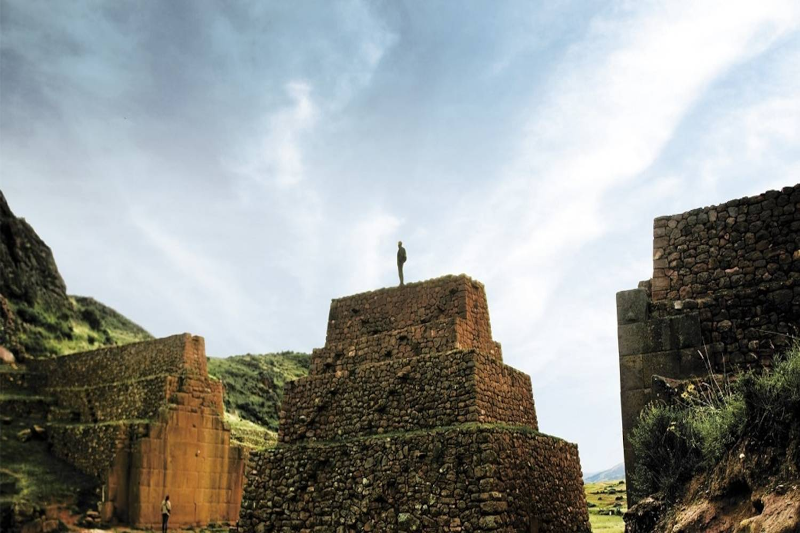
  • Tipon: This is an ancient Inca engineering marvel which was a water shrine. It has well maintained agricultural terraces and has an elaborate system of aqueducts with mountain spring water flowing to date.
  • Pikillacta: Contrary to the other Inca ruins located in the area, the Wari people constructed Pikillacta as a pre-Inca city. Its grid-like pattern with its tall multi-storied adobe buildings provide a totally new architectural point of view.

Andahuaylillas

Pro Tip: You actually do not need to decide on them! The two sites are on the same highway and it is unbelievably easy to see Tipon, Pikillacta and the Sistine Chapel during one fantastic, captivating day.

Practical Tips for South Valley Travelers

To ensure your excursion is enjoyable, a little preparation goes a long way. The elevation in the South Valley sits at roughly 3,122 meters (10,242 feet). Although this is a bit lower than Cusco, this is large enough to have impacts on the visitors.

Essential Travel Advice:

  • Prevention of ending up with altitude sickness among South Valley travelers: Take at least two days to acclimatize at Cusco before engaging in the entire-day trips. Stay hydrated with a lot of water, drink traditional coca tea as well as not taking heavy meals before your tour in order to prevent the symptoms related to the altitude.
  • Respect the photography rules: Remember that you must not take photos or videos inside the Andahuaylillas church, as authorities strictly prohibit it. This rule protects the sensitive pigments of. Nevertheless, the beautiful central square and the outside of the church present good photo opportunities.
  • Favor local crafts: The square of the town sits enclosed by large Pisonay trees, and local merchants specialize in exchanging gorgeous silver pieces, ceramics, and cloth. It is a great experience to buy items right out of the manufacturers and the artisans and bring home an authentic piece of the Andes.

When stepping into the Andahuaylillas church one gets the impression that you travel through some kind of a vortex that transports you about seven hundred years back to the 17 th century. The great mixture of the Andean and European culture, manifested in this little town is a great reminder of the rich complex history of Peru. The South Valley is a way to drink in the rich history of water-aqueducts, or the marvel of the complicated Cusco School frescoes, or to just get off the hook of the great tourist open season. Include this marvelous attraction in your travel list and experience the great artistic heritage of Peruvian Andes.

Q&A

Why is the Church of San Pedro Apóstol in Andahuaylillas called the “Sistine Chapel of the Americas”?

Andahuaylillas

Its small adobe facade conceals a rich Baroque interior covered with Cusco School murals, gilded altars, carved wooden structures and rich frescoes on the floor and ceilings. The size, craftsmanship, and conservation are matched with big European basiliacas, which makes it one of the most important locations to visit in case of Latin American colonial art and history.

How does the church illustrate Andean–Catholic syncretism?

The Cusco School murals were used to educate Quechua-speaking peoples, using a combination of Indigenous imagery with Catholic iconography. Find Andean faces, native flora, interwoven with European saints and biblical scenes. Current restoration efforts have stabilized the pigments and restored the vivid reds, blues and golds, preserving this stratified narrative of culture.

How do I get to Andahuaylillas from Cusco, and what are the costs and rules?

Andahuaylillas (in Quispicanhi) is some 40 km/25 miles southeast of Cusco–some 45 minutes drive. There are choices of a private taxi, colectivo (shared van) at the Urcos bus station on Avenida Huayruropata, or a guided tour. To enter the church costs 15 soles (approximately 4 USD), which directly pays off maintenance and restoration. No photography/video is allowed indoors to preserve the murals, but the plaza and exterior do not mind photography.

What is the Route of the Andean Baroque, and should I take a tour?

It is a cultural road of great colonial chapels with similar Baroque decoration styles and history of the region, Andahuaylillas being the best. South Valley tours usually cover Andahuaylillas and other local destinations in Huaro and Urcos, providing local knowledge and logistical hassle-free touring, a dream trip to visit South valley.

Tipon vs. Pikillacta—how do they differ, and can I visit both with Andahuaylillas in a day?

The Tipon is an Inca masterpiece of water engineering and is made up of flowing canals and agricultural terraces. Pikillacta is a pre-Inca Wari grid-plan city that features towering adobe buildings – hugely different in design and time. You do not need to make a decision: Tipon is on the same highway as Pikillacta and the Sistine Chapel of the Americas, just 90 minutes apart (with all due respect) and so, with a little planning, you can visit those three sites on one well-thought-out day, particularly during the Andes dry season between May and October.