Discover the 12 Angled Stone in Cusco Inca Engineering Marvel


12 angled stone


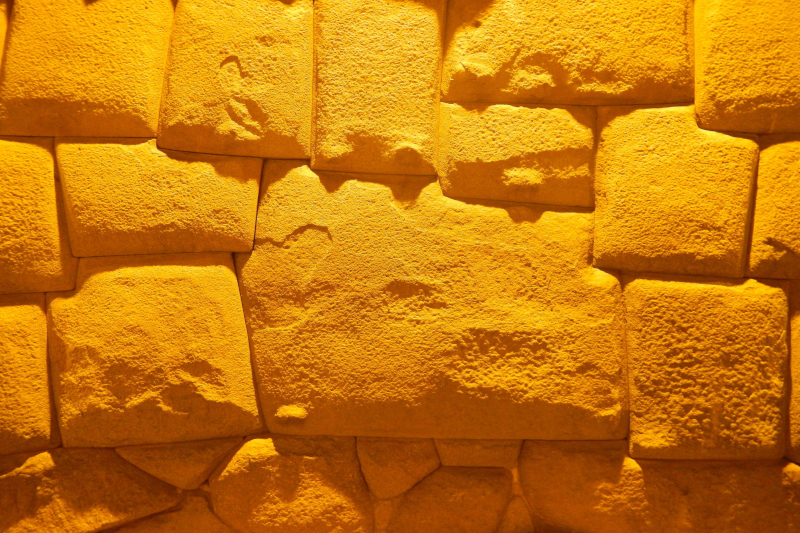
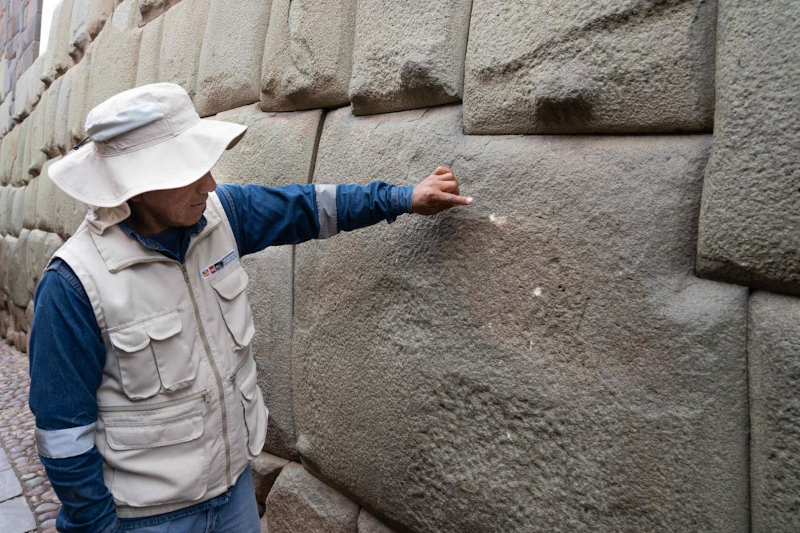
The ancient city of Cusco lies in the heart of the Andes and holds a wealth of Inca history and architecture. Among its many wonders, the 12 Angled Stone stands out as a testament to Inca engineering and artistic mastery. Located on Hatun Rumiyoc Street, this stone continues to captivate visitors. Its precision and the mystery of its construction draw constant attention. This exploration examines the historical and cultural significance of this remarkable example of Inca stone masonry and shows how it reflects the ingenuity of Inca architecture.

The 12 Angled Stone represents more than an architectural achievement. It symbolizes the height of the Inca Empire. The Inca civilization flourished in the Andes from the early 15th century until the Spanish conquest in the 16th century. During this period, the Incas became renowned for their advanced stone masonry techniques. The stone walls of Cusco, especially the 12 Angled Stone, clearly demonstrate their precision and skill. Inca builders fit stones together without mortar, achieving joints so exact that even a blade of grass cannot pass between them.

The Art of Stone Masonry

Inca stonework features large, precisely cut stones assembled without mortar. The 12 Angled Stone exemplifies this method. It highlights the Incas’ ability to shape massive stones and arrange them into complex, interlocking patterns. This technique ensured durability and stability while also expressing aesthetic refinement. The stone’s twelve angles reveal how the Incas balanced form and function in their designs.

Crafting and fitting each stone required extraordinary precision. This process reflected more than technical skill; it showed deep dedication to craftsmanship. Inca artisans used tools made from harder stones to carve and polish surfaces. Their deep understanding of materials allowed them to achieve remarkable accuracy. As a result, these structures have endured centuries of earthquakes and harsh weather.

Stone masonry also served practical purposes. Thick stone walls helped regulate temperature within buildings. They kept interiors cool during the day and warm at night. This mastery of stone illustrates not only architectural expertise but also the Incas’ ability to adapt to their environment.

The Cultural Context

The construction of stone walls like the one featuring the 12 Angled Stone carried deep cultural meaning. It went beyond technical achievement. The Incas viewed stones as sacred entities filled with life and spirit. Through intricate stonework, they honored their gods and aligned their cities with the natural order. The 12 Angled Stone therefore stands as both an engineering marvel and a reflection of spiritual values.

Inca cosmology strongly influenced architectural design. Builders aligned structures with celestial events and surrounding landscapes. They carefully selected the placement and orientation of stones to reinforce connections between the earthly and the divine. This spiritual intent gave stone constructions a sense of sacred purpose.

Construction also relied on collective effort. Skilled artisans and laborers worked together to create these masterpieces. This collaboration strengthened social bonds and demonstrated the empire’s organizational power. The stone walls of Cusco reveal how the Incas blended spiritual reverence with communal unity.

Evolution of Inca Stone Masonry

The evolution of Inca stone masonry appears in the variety of styles found across different sites. Early constructions relied on smaller stones and simpler methods. Later structures feature massive stones shaped and fitted with exceptional precision. This progression reflects growing expertise and architectural innovation.

As the empire expanded, the Incas encountered diverse terrains. They adapted their techniques to meet new environmental challenges. This flexibility allowed them to preserve structural integrity across regions. Their ability to learn and refine methods proved essential to their architectural success.

Today, Inca stone masonry continues to inspire modern architects and engineers. Scholars study these techniques to understand sustainable and resilient building practices. Principles such as precision, adaptation, and harmony with nature remain relevant. The legacy of Inca ingenuity endures as a timeless model of architectural excellence.

The Role of Cusco as the Inca Capital

12 angled stone

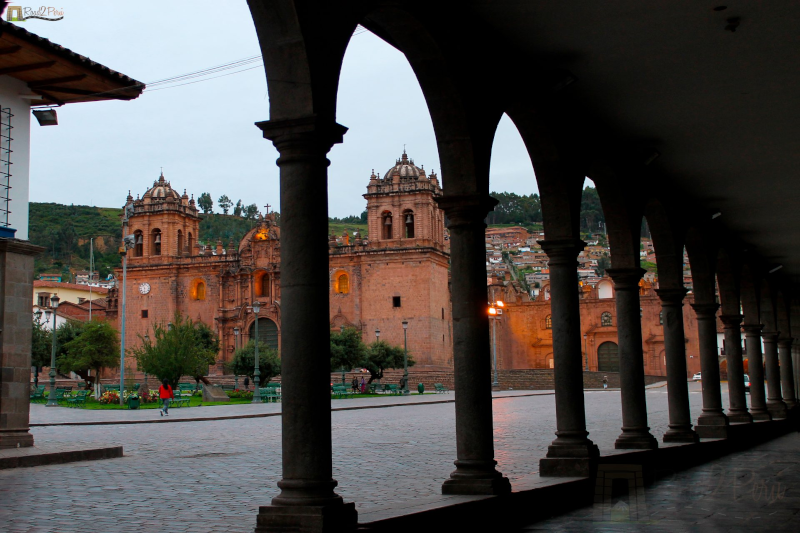
Cusco, often called the “Navel of the World,” served as the political and cultural capital of the Inca Empire. The Incas designed the city to reflect their cosmological beliefs, aligning streets and buildings with cardinal directions and celestial bodies. The 12 Angled Stone, located near the Plaza de Armas, forms part of this complex urban plan and is a highlight of any Cusco city tour, where visitors discover the Incas’ advanced understanding of astronomy and urban design.

Plaza de Armas: The Heart of Cusco

The Plaza de Armas has stood at the center of life in Cusco since Inca times. Historical landmarks surround the square, including the Cathedral and the Church of La Compañía de Jesús. Today, the plaza remains a lively meeting place for locals and visitors who wish to experience the city’s heritage. From this central point, travelers can easily reach nearby sites such as Qorikancha, the Temple of the Sun. This sacred complex once served as the most important religious site in the Inca Empire.

The importance of the plaza extends beyond its function as a gathering space. It hosted religious ceremonies, political events, and social activities that shaped Inca society. These functions made it a symbol of community life. The surrounding buildings reflect both Inca foundations and colonial additions, revealing the city’s layered history.

In modern times, the Plaza de Armas continues to thrive as a cultural center. It hosts festivals, parades, and public celebrations throughout the year. Its energy and historical importance make it an essential stop for anyone seeking to understand Cusco and its Inca legacy.

Exploring Neighboring Areas

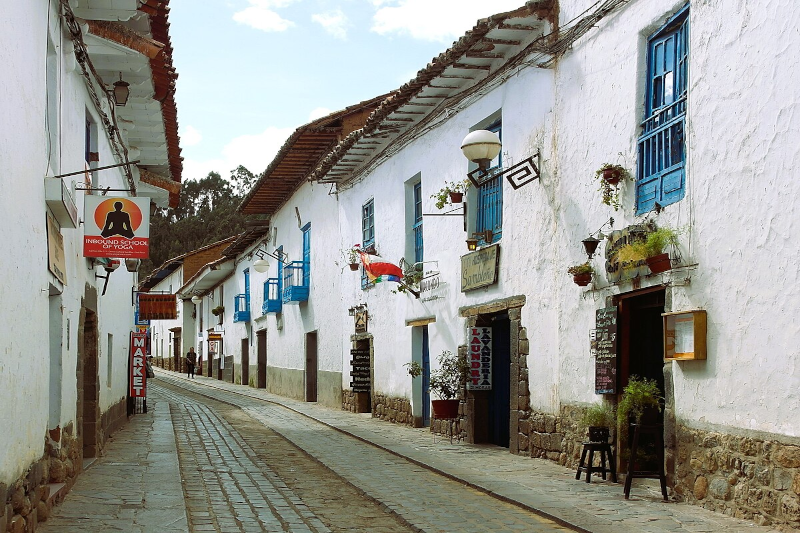
A short walk from the 12 Angled Stone leads to the San Blas neighborhood, one of Cusco’s most charming areas. Known for its artisan workshops and galleries, San Blas is also home to popular tourist attractions such as the San Blas Church, the Hatun Rumiyoc viewpoint, and scenic plazas with panoramic city views. The blend of historic architecture, creative spaces, and modern cultural expression highlights the lasting influence of Inca culture in the Andes.

San Blas has earned a reputation for its bohemian atmosphere. Artists, musicians, and craftsmen give the neighborhood its distinctive character. Narrow cobblestone streets and whitewashed buildings create a charming setting that invites exploration. Visitors can browse handcrafted textiles, ceramics, and other traditional works that reflect regional heritage.

The vibrant art scene also connects past and present. Artisans preserve ancient techniques while experimenting with modern styles. This balance demonstrates the resilience of Cusco’s cultural identity and ensures that Inca traditions continue to evolve rather than fade.

The Influence of Inca Cosmology on Urban Planning

Inca cosmology strongly influenced Cusco’s urban layout. Builders aligned streets and structures with celestial patterns and natural landmarks. This design aimed to harmonize human life with the cosmic order. It reinforced the belief that all elements of the universe were interconnected.

The city’s layout also symbolized the empire’s territorial divisions, known as suyus. These regions radiated outward from Cusco’s center. This spatial organization reflected the Inca vision of balance and order. Each part of the empire played a role in maintaining unity and stability.

Today, traces of this cosmological planning remain visible throughout Cusco. Streets and buildings still reveal astronomical intent and symbolic meaning. This enduring legacy continues to fascinate visitors and scholars alike, drawing people from around the world to explore the sophistication of Inca urban planning.

12 angled stone

The Mystery and Mastery of Inca Architecture

The mystery of how the Incas achieved such precise stone masonry without modern tools continues to intrigue historians and archaeologists. Some theories suggest that the Incas used a combination of stone hammers and chisels made from harder stones, while others propose the use of natural abrasives to smooth and shape the stones.

Innovations in Construction

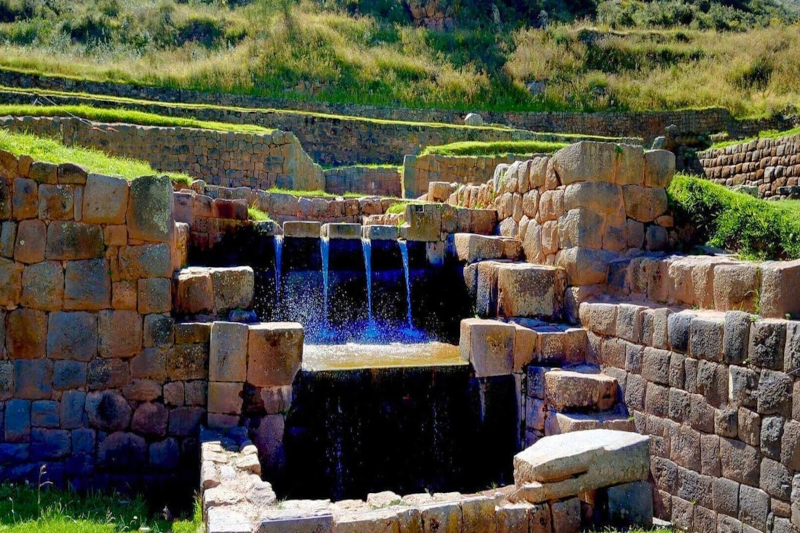
The durability of Inca architecture is also attributed to their innovative construction techniques. By using a method called “ashlar,” the Incas were able to create structures that could withstand earthquakes, a common occurrence in the Andes. The interlocking stones allowed the walls to move slightly during seismic activity without collapsing.

Ashlar masonry involved precisely cutting stones to fit together like a jigsaw puzzle, providing structural integrity and flexibility. This technique not only enhanced the stability of buildings but also reduced the need for maintenance, as the stones naturally settled into place over time. The use of trapezoidal shapes in doorways and windows further contributed to the resilience of Inca structures, distributing stress and preventing collapse.

In addition to ashlar, the Incas employed other innovative methods, such as using wooden scaffolds to position large stones and employing water channels to transport them. These ingenious solutions demonstrate the Inca’s ability to overcome logistical challenges and optimize their construction processes.

The Legacy of Inca Engineering

Today, the 12 Angled Stone and the surrounding structures stand as a testament to the Inca’s engineering prowess. They serve as a reminder of a civilization that, despite lacking the wheel and iron tools, created some of the most enduring and impressive architectural works in human history.

The influence of Inca engineering extends beyond the Andes, inspiring modern architects and engineers with its lessons in sustainable construction and resilience. The principles of harmony with nature, precision in execution, and adaptability to environmental challenges continue to resonate in contemporary architectural practices.

The preservation of Inca sites such as Machu Picchu and Sacsayhuamán underscores the importance of these ancient achievements. Along with destinations in the Sacred Valley, including Ollantaytambo, Maras and Moray, as well as sites found in the South Valley, these locations attract visitors from around the world. Beyond tourism, they serve as valuable educational resources for researchers and historians, offering deep insights into the technological and cultural advancements of the Inca Empire.

12 angled stone

Theories Behind Inca Construction Techniques

Various theories have been proposed to explain the Inca’s remarkable construction techniques, ranging from the use of simple tools to more complex methods involving chemical processes. Some researchers suggest that the Incas employed a form of concrete or binding agent to enhance the cohesion of their stone walls.

Others propose that the Incas utilized a system of levers and pulleys to move and position large stones, while some believe that they harnessed the power of sound vibrations to facilitate stone shaping. These theories, though speculative, highlight the ongoing fascination with Inca engineering and the quest to unravel the secrets behind their monumental achievements.

The enduring mystery surrounding Inca construction techniques continues to captivate scholars and enthusiasts alike, fueling research and exploration in the field of ancient engineering. As new discoveries emerge, our understanding of Inca architecture and its legacy deepens, shedding light on the ingenuity of this remarkable civilization.

Museums and Cultural Preservation

For those interested in delving deeper into the history and culture of the Inca, Cusco offers several museums that provide valuable insights into this remarkable civilization. The Inca Museum, for instance, houses a collection of artifacts that shed light on the daily life, religion, and art of the Inca people. These institutions play a crucial role in preserving the cultural heritage of the Andes and educating visitors about the complexities of Andean civilizations.

The Importance of Cultural Heritage

Preserving the architectural and cultural legacy of the Inca is essential for understanding the history of the Andes and the development of pre-Columbian civilizations. Efforts to maintain and restore sites like Cusco and its stone walls help to ensure that future generations can appreciate and learn from these ancient marvels.

Cultural heritage preservation involves not only physical restoration but also the documentation and interpretation of historical contexts. Museums and educational programs play a vital role in this process, offering platforms for sharing knowledge and fostering appreciation for Inca culture. By safeguarding these treasures, we honor the achievements of past civilizations and ensure their stories are passed down through generations.

In addition to preservation, promoting awareness and engagement with Inca heritage encourages sustainable tourism practices. Responsible tourism helps protect these sites from degradation while providing economic benefits to local communities. This balance between conservation and access is crucial for the long-term survival of Inca cultural heritage.

Museums as Guardians of History

Museums in Cusco serve as guardians of history, curating collections that showcase the richness of Inca culture and its influence on subsequent generations. Exhibits feature artifacts ranging from textiles and ceramics to ceremonial items, each piece offering a glimpse into the daily lives and spiritual practices of the Inca.

Interactive displays and guided tours enhance the visitor experience, providing context and insights into the significance of each artifact. These educational resources foster a deeper understanding of Inca society, bridging the gap between past and present and highlighting the continuity of cultural traditions.

By supporting museums and cultural institutions, visitors contribute to the preservation of Inca heritage and the dissemination of knowledge, ensuring that the legacy of this remarkable civilization endures for future generations.

The Role of Education in Cultural Preservation

12 angled stone

Education plays a pivotal role in cultural preservation, raising awareness about the significance of Inca heritage and inspiring a sense of stewardship among individuals and communities. Schools and universities incorporate Inca history into their curricula, fostering an appreciation for the achievements of this ancient civilization.

Workshops and cultural programs offer opportunities for hands-on learning, allowing participants to engage with traditional crafts and practices. These experiences not only enrich individuals’ understanding of Inca culture but also empower local artisans and craftspeople, ensuring the continuation of ancestral skills.

Collaboration between educational institutions, museums, and local communities is essential for sustaining cultural heritage. By working together, these stakeholders can create impactful initiatives that celebrate Inca heritage and promote its preservation for generations to come.

Conclusion

The 12 Angled Stone in Cusco is more than just an engineering marvel; it is a window into the world of the Inca Empire. Through its precise stone work and cultural significance, it tells the story of a civilization that mastered the art of building and left an indelible mark on history. As we continue to explore and preserve these ancient sites, we deepen our appreciation for the ingenuity and spirit of the Inca people, ensuring that their legacy endures for generations to come.

The study of the 12 Angled Stone and other Inca achievements offers valuable lessons in resilience, adaptability, and harmony with nature. These principles remain relevant today, guiding our efforts to create sustainable and equitable societies. By embracing the wisdom of the past, we can build a future that honors the legacy of the Inca and celebrates the richness of human creativity and innovation.

In our exploration of Inca heritage, we are reminded of the importance of preserving cultural diversity and recognizing the contributions of indigenous civilizations to our shared history. As we celebrate the achievements of the Inca, we reaffirm our commitment to protecting the world’s cultural treasures and fostering a deeper understanding of our collective past.