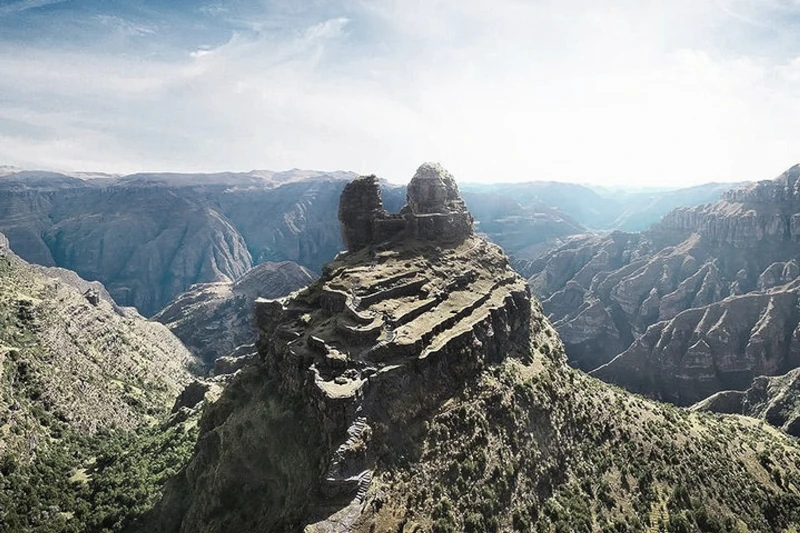
Waqrapukara is not just an archaeological site; it’s a portal into the past. The site, known for its rugged stone structures and sweeping mountain views, provides a glimpse into the lives of the pre-Inca and Inca societies.
Researchers believe it served as a political and religious hub, reflecting the complex societal structures and spiritual beliefs of ancient Andean cultures. As you stand amid the ruins, imagine the vibrant ceremonies and bustling activities that once filled this space.
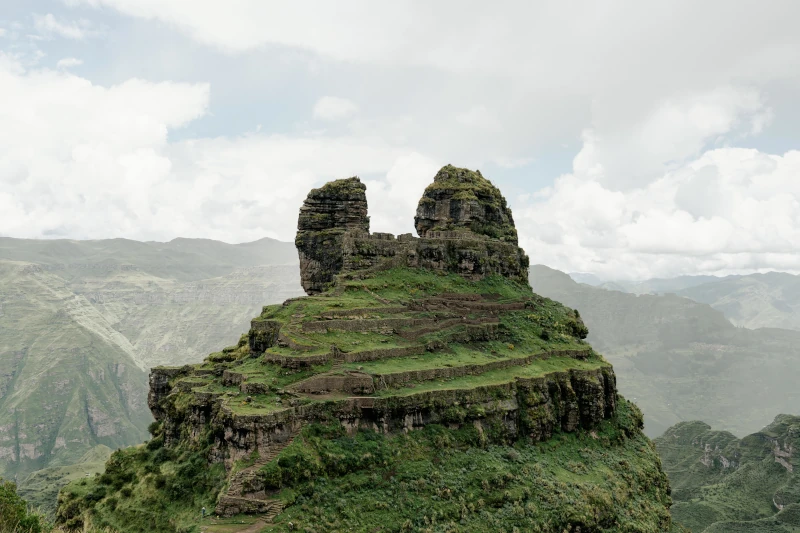
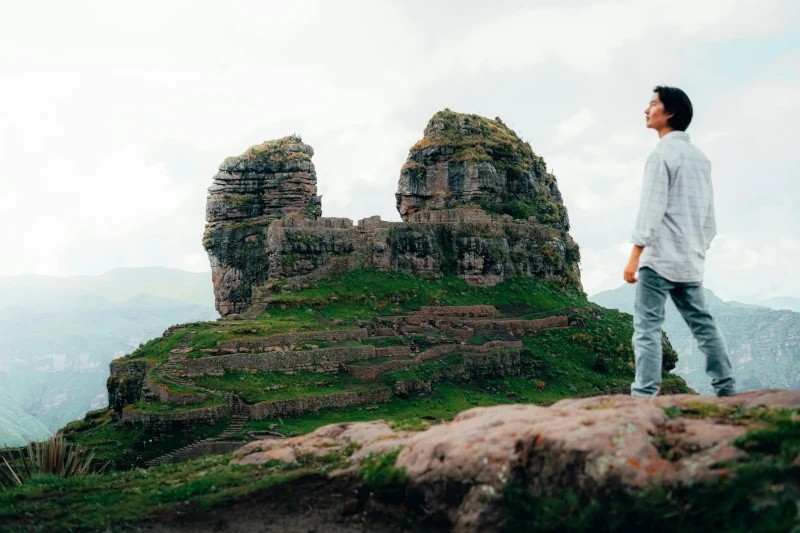
The architecture of Waqrapukara is a testament to the ingenuity of its ancient builders. The site features a range of structures, including terraces, plazas, and religious enclosures, all constructed with a profound understanding of the natural landscape. The horn-shaped rock formations, which inspired the name “Horn Fortress,” add an element of mystery and allure. In fact the seamless blend of natural and man-made elements showcases the Andean tradition of harmonizing construction with the environment, a practice rooted in their reverence for nature.

Beyond its architectural marvels, Waqrapukara offers a deep dive into the spiritual world of the Andean people. The site is believed to have been a center for astronomical observations, underscoring the advanced knowledge of celestial patterns among the Andean cultures.
Religious ceremonies performed here were deeply intertwined with the natural world, reflecting a profound connection with the cosmos. As you explore, consider the cultural practices that have endured over centuries, offering insight into the beliefs and values of Andean civilizations.
The landscape surrounding Waqrapukara is as captivating and of the best attractions in Cusco. Perched at an altitude of about 4,300 meters above sea level, the fortress provides panoramic views of the majestic valleys. The natural beauty of the Andean mountains, with their dramatic cliffs and verdant terraces, enhances the site’s allure. As you gaze upon this breathtaking scenery, it’s easy to understand why ancient cultures chose this location for a site of such importance.
The journey to Waqrapukara begins in Cusco, the historic heart of the Inca Empire. Cusco’s cobblestone streets and colonial architecture offer a charming introduction to the region’s rich history. Before embarking on the trek, visitors should explore the city’s vibrant markets, where traditional crafts and local delicacies provide a taste of Andean culture. Acclimating to the high altitude of about 3,400 meters is crucial, as it ensures a comfortable and enjoyable hiking experience.

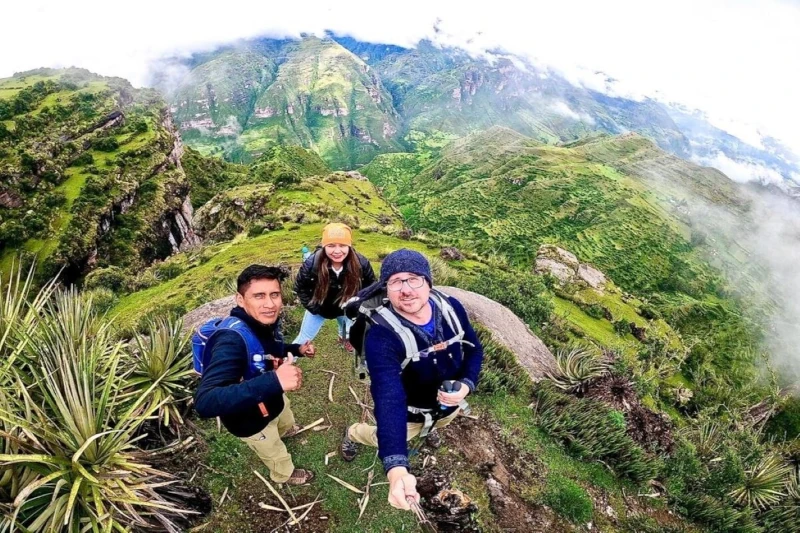
The Waqrapukara trek is a journey through diverse landscapes and ecosystems. Starting near the town of Acomayo, a two-hour drive from Cusco, the trail winds through picturesque valleys, meandering rivers, and the unique Andean grasslands known as puna. Hikers will encounter a rich tapestry of flora and fauna, from hardy high-altitude plants to the majestic Andean condor soaring overhead. The moderately challenging trail requires a good level of fitness, but the rewards are plentiful, with stunning vistas unfolding at every turn.
As hikers near Waqrapukara, the terrain shifts to reveal a dramatic tableau of steep cliffs and verdant terraces. The final ascent, though steep, is relatively short and culminates in a breathtaking arrival at the fortress. Upon reaching the summit, the expansive views and the site’s historical significance create a profound sense of connection to the past. Standing amidst the ruins, visitors can reflect on the endurance and achievements of the ancient people who once inhabited this remarkable place.
Along the trek, hikers have the opportunity to encounter a variety of Andean wildlife. The trail is home to numerous bird species, including the iconic Andean condor, which often graces the skies above. Observing these magnificent creatures in their natural habitat is a highlight of the journey. Additionally, the puna ecosystem supports a range of plant and animal life, offering a chance to witness the region’s biodiversity up close.

To make the most of your visit to Waqrapukara, timing is key. The dry season, from May to October, offers the best weather conditions for hiking, with clear skies and minimal rainfall. During these months, the trail is more accessible and the stunning views are unobstructed. However, the rainy season, from November to April, presents its own unique beauty, with lush landscapes and fewer crowds. Adventurous travelers willing to brave the mud may find a more intimate experience during this time.
Proper preparation ensures a safe and enjoyable trek to Waqrapukara. Hikers should equip themselves with sturdy hiking boots, layered clothing to accommodate changing temperatures, and sun protection, including a hat and sunglasses. Ample water, snacks, and high-energy foods are crucial, as is sunscreen to protect against the high Cusco Elevation. To aid acclimatization, consider carrying coca leaves or altitude sickness medication. Being well-prepared enhances both comfort and safety on this remarkable journey.
For those seeking a more structured experience, guided Peru tours to Waqrapukara offer convenience and valuable insights. These tours typically include transportation from Cusco, knowledgeable guides who provide historical and cultural context, and meals along the way. A guided excursion allows travelers to focus on the experience without the logistical concerns of planning the trek independently. Engaging with local guides also enriches the journey with unique perspectives on the region’s history and traditions.
Safety is paramount when embarking on the Waqrapukara hike. Travelers should be mindful of the high altitude and take necessary precautions, such as gradual acclimatization and staying hydrated. It is advisable to hike with a companion or group for added safety and support. Additionally, weather conditions can change rapidly in the Andes, so monitoring forecasts and being prepared for sudden shifts is essential. By prioritizing safety, visitors can enjoy a worry-free and rewarding adventure.
Visiting Waqrapukara comes with the responsibility of preserving its cultural heritage for future generations. Adhering to the principles of “leave no trace” ensures that the site’s natural and historical integrity remains intact. Visitors should avoid disturbing the ruins and respect the environment by carrying out all trash and minimizing their impact. By doing so, travelers contribute to the conservation of this invaluable cultural legacy, allowing others to experience its beauty and significance.
The Waqrapukara hike offers a unique opportunity to connect with Andean traditions and communities. Engaging with local guides and residents provides deeper insights into the Quechua language, cultural practices, and the spiritual significance of the region. Travelers interested in cultural anthropology will find rich material for exploration, from ancient rituals to contemporary customs. By fostering cultural experiences, visitors gain a deeper understanding of the region’s enduring heritage.
Waqrapukara remains largely untouched by mass tourism, offering a more authentic and intimate exploration of Andean history and culture. This trek invites travelers to step beyond the typical tourist trails and immerse themselves in a unique cultural odyssey. The absence of large crowds allows for a deeper connection with the site and its surroundings, creating a truly personal experience. For those seeking meaningful travel, Waqrapukara is a destination that resonates with the echoes of history.

As the journey to Waqrapukara concludes, travelers are left with lasting memories and a sense of fulfillment. The hike is more than just a physical challenge; it is a spiritual and cultural exploration that leaves a profound impact. Reflecting on the journey allows visitors to appreciate the beauty and complexity of Andean civilizations and the natural world they inhabited. This reflection enriches the travel experience, leaving a lasting impression that extends beyond the journey itself.
Waqrapukara stands as a testament to the architectural prowess and spiritual depth of Andean civilizations. As a secret gem in the Peruvian Andes, it offers an unparalleled opportunity for adventure and cultural exploration. For those willing to venture beyond the typical tourist trails, the Waqrapukara hike promises an enriching experience that resonates with the echoes of history.
Embark on this journey and discover the enduring legacy of the Andean people, preserved amidst the majestic backdrop of the Peruvian Andes. Through exploration and respect, travelers contribute to the preservation of this cultural treasure, ensuring that its stories and significance endure for generations to come.