Exploring the Sacred Valley of Peru is a wonderful experience. You can learn about its rich history and culture.
Exploring these lands is a wonderful experience. You can learn about its rich history and culture. The ancient Inca cities are also beautiful.
Whether you’re a busy professional, a photographer, or a researcher, the Sacred Valley offers the perfect mix of culture and beauty.

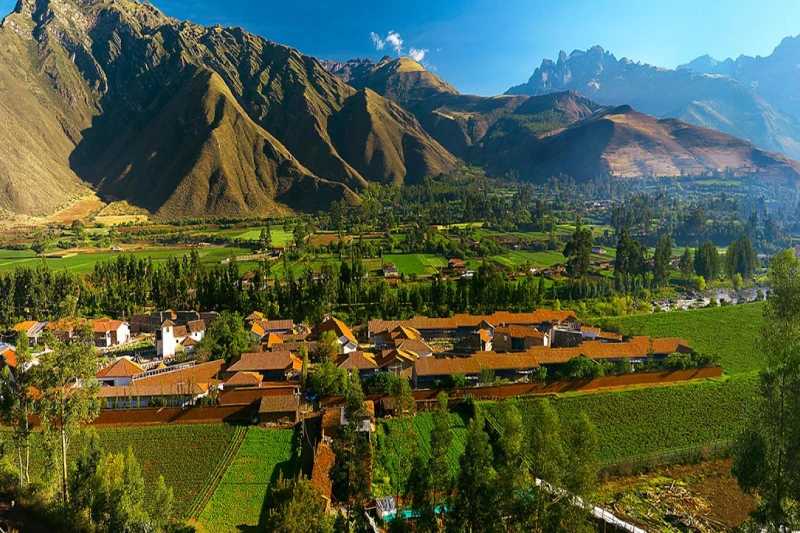
“El Valle Sagrado,” is a region in Peru’s Andean highlands, located just north of Cusco. This area is not only known for its stunning natural beauty but also for its vibrant cultural heritage and archaeological sites.
Nestled between the majestic Andes, the Sacred Valley is blessed with unparalleled scenic beauty. The snow-capped peaks, lush greenery, and meandering rivers create a serene yet awe-inspiring landscape that enchants every visitor. The altitude provides a unique vantage point that offers breathtaking views and a sense of tranquility.
The Sacred Valley is a melting pot of cultural influences, with a rich history that dates back to pre-Incan times. The vibrant traditions, languages, and customs of the local communities provide a deep insight into the diverse cultural tapestry that defines this region. Festivals, music, and dance are integral parts of everyday life, celebrating the valley’s rich heritage.
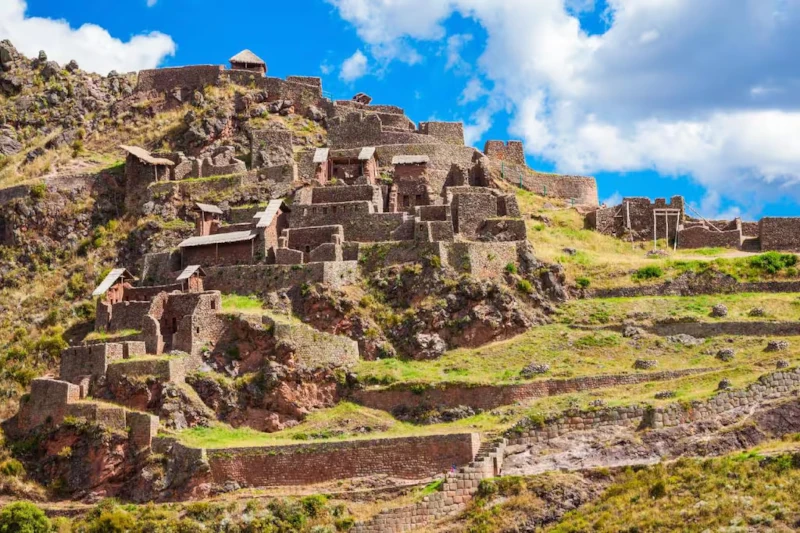
As the heart of the Incan Empire, it served as a critical hub for agriculture and trade. The fertile lands were ingeniously cultivated by the Incas, whose legacy can still be observed in the terraces and ruins that dot the landscape. This historical significance makes the Sacred Valley of the incas a fascinating destination for those interested in ancient civilizations.
One of the most rewarding aspects of visiting the Sacred Valley is the chance to engage with local traditions and daily life.
Join a local shaman for an authentic Andean ceremony. These spiritual rituals, often involving offerings to Pachamama (Mother Earth), provide a unique insight into the spiritual beliefs that have been passed down through generations.
The ceremonies are deeply symbolic, involving elements such as coca leaves, flowers, and sacred chants. Each offering represents gratitude and a connection to the natural world, reflecting the harmonious relationship the Andean people maintain with their environment.
Participating in these ceremonies allows visitors to connect with the local community on a personal level. The warmth and hospitality of the locals offer a welcoming atmosphere, making it a memorable experience that fosters cross-cultural understanding.
The spiritual ambiance of the ceremonies provides a space for personal reflection and enlightenment. Many visitors find these rituals transformative, offering a deeper appreciation for the simplicity and beauty of life.
In Chinchero, a small village known for its vibrant textiles, you can visit a weaving cooperative to see how traditional Andean textiles are made. Watch skilled artisans use ancient techniques to dye and weave intricate patterns, and perhaps take home a beautifully crafted piece as a souvenir.
Weaving is an age-old tradition in the Sacred Valley, with techniques passed down through generations. The artisans use natural dyes derived from plants and minerals to create the vibrant colors that characterize Andean textiles.
By visiting these cooperatives, you support local artisans and help preserve their cultural heritage. Purchasing handmade textiles not only provides a unique souvenir but also contributes to the sustainability of these traditional crafts.
Many cooperatives offer workshops where visitors can try their hand at weaving. These interactive experiences provide a deeper appreciation for the skill and craftsmanship involved in creating these intricate designs.
A visit to one of the local markets, such as the Pisac Market, is a must. Here, you’ll find a lively atmosphere filled with colorful handicrafts, fresh produce, and traditional foods. It’s a perfect place to mingle with locals and gain a deeper understanding of daily life in the valley.
Markets in the Sacred Valley are bustling hubs of activity, offering a sensory overload of sights, sounds, and smells. From vibrant textiles to handcrafted jewelry, the variety of goods showcases the rich artisanal heritage of the region.
The markets provide an excellent opportunity to sample traditional dishes of Peru. From fresh fruits and vegetables to traditional Peruvian dishes, the culinary offerings are a treat for the taste buds and provide insight into the local diet and customs.
Engaging with vendors and shoppers at the market offers a unique chance for cultural experiences in the Sacred Valley. The friendly banter and lively atmosphere create a welcoming environment where visitors can learn about local customs and practices.

The Sacred Valley is home to several impressive archaeological sites that reflect the ingenuity and artistry of the Inca civilization.
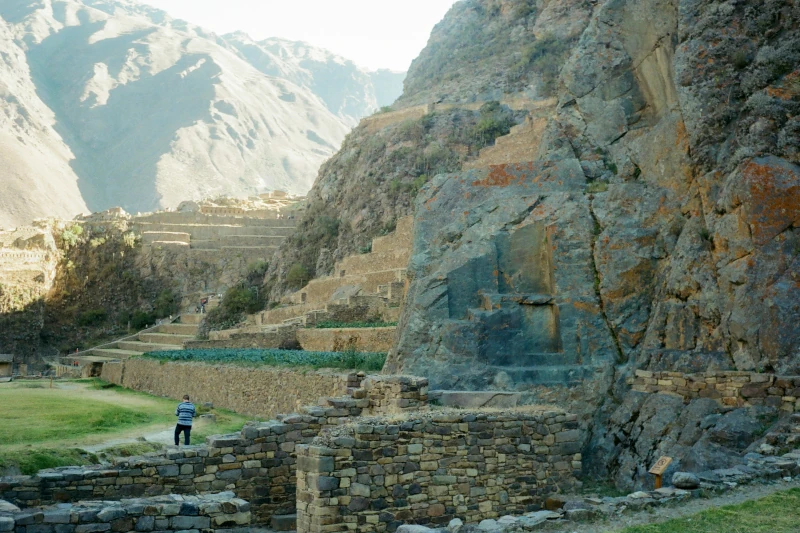
Ollantaytambo is one of the best-preserved Incan sites in Peru. Wander through its ancient terraces and climb the stone steps to the temple area for stunning views of the surrounding valley.
Ollantaytambo served as a strategic military and agricultural center during the Incan Empire. The fortress-like structures and meticulously designed terraces highlight the advanced engineering skills of the Incas.
The site features remarkable stonework and architectural feats, including massive stone blocks that were transported from nearby quarries. The precision and craftsmanship of these constructions continue to intrigue historians and architects alike.
The temple area at Ollantaytambo holds spiritual significance, believed to be a sacred site for worship and ceremonies. The alignment of structures with celestial events reflects the Incas’ deep understanding of astronomy.

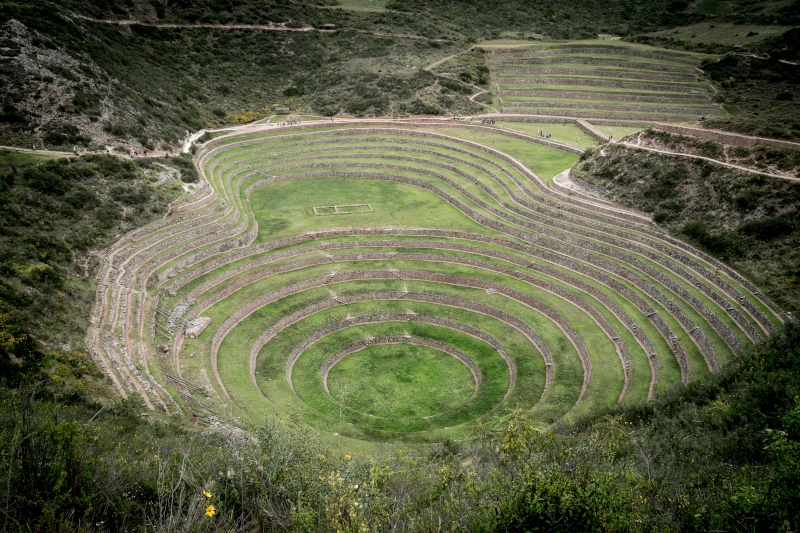
Moray is an archaeological site featuring unusual circular terraces that were likely used for agricultural experimentation.
The circular terraces of Moray are considered to be an ancient agricultural laboratory. The varying levels create different microclimates, enabling the Incas to experiment with crop cultivation and adapt to diverse environmental conditions.
The design of the terraces showcases the engineering innovation of the Incas, who developed sophisticated irrigation systems to support their agricultural endeavors. The precision of the construction demonstrates their advanced understanding of environmental science.
Despite extensive research, the exact purpose of Moray remains a mystery. The site’s enigmatic nature adds to its allure, drawing visitors who are fascinated by the ingenuity and resourcefulness of the Inca civilization.
Engage in organized tours and workshops that offer deeper insights into the region’s culture and history.
Peruvian cuisine is renowned worldwide, and the Sacred Valley is no exception. Participate in a culinary tour that includes tasting local delicacies, visiting organic farms, and even taking a cooking class to learn how to prepare traditional dishes.
Culinary tours offer a chance to savor authentic Peruvian flavors, from the tangy ceviche to the hearty lomo saltado. Each dish tells a story of cultural fusion, blending indigenous ingredients with Spanish, African, and Asian influences.
Visiting organic farms provides insight into the sustainable practices that underpin Peruvian agriculture. The farm-to-table experience highlights the importance of fresh, locally sourced ingredients in creating delicious and nutritious meals.
Participating in a cooking class with local chefs is a hands-on way to learn about Peruvian cuisine. These interactive sessions offer valuable cooking tips and techniques, allowing participants to recreate traditional dishes in their own kitchens.
Music and dance are integral parts of Andean culture. Attend a performance that showcases traditional instruments like the charango and panpipes, as well as folk dances that tell stories of the region’s rich history.
Andean music is characterized by its distinctive rhythms and melodies, often played on traditional instruments like the charango, quena, and panpipes. These performances offer a captivating auditory experience that reflects the cultural diversity of the region.
Folk dances in the Sacred Valley are more than just entertainment; they are a form of storytelling. The movements and costumes convey historical events, cultural narratives, and social themes, providing insight into the values and beliefs of the Andean people.
Many performances invite audience participation, encouraging visitors to join in the dance and experience the joy and energy of Andean culture firsthand. This interactive element creates a deeper connection with the local community and its traditions.
For photographers, the Sacred Valley is a dream come true. The dramatic landscapes, vibrant culture, and unique architecture offer endless opportunities for stunning photographs.
The golden hours around sunrise and sunset offer the best lighting for capturing the valley’s beauty. Key locations include the terraces at Moray, the salt pans of Maras, and the viewpoint at Ollantaytambo.
The natural light during the golden hours enhances the vibrant colors and textures of the landscape, creating breathtaking images. Photographers can experiment with different angles and compositions to capture the essence of the valley.
The terraces of Moray and the salt pans of Maras are iconic photography spots that showcase the ingenuity of the Incas. The contrasting colors and patterns create visually stunning compositions that highlight the region’s architectural marvels.
Beyond landscapes, the Sacred Valley offers opportunities to capture cultural moments, from local festivals to traditional ceremonies. These candid shots provide a glimpse into the daily life and traditions of the Andean people.

To make the most of your trip to the Sacred Valley, consider the following tips:
Allocate enough time to explore the valley without feeling rushed. A week-long trip allows you to experience the highlights at a leisurely pace.
Strike a balance between adventure and relaxation by planning a mix of activities and downtime. This approach allows you to fully appreciate the beauty and culture of the Sacred Valley without feeling overwhelmed.
Identify key attractions and prioritize them in your itinerary. This ensures that you don’t miss out on must-see sites while allowing flexibility for spontaneous exploration.
Include rest days in your itinerary to acclimate to the altitude and recharge. These days provide an opportunity to relax and reflect on your experiences, enhancing your overall enjoyment of the trip.
The Sacred Valley is located at a high altitude, so it’s important to acclimate properly. Spend a few days in Cusco before heading to the valley to help your body adjust.
Be aware of altitude sickness symptoms such as headaches, nausea, and fatigue. Recognizing these early signs allows you to take necessary precautions and seek medical assistance if needed.
Staying hydrated and getting plenty of rest are essential for acclimatization. Drinking water and avoiding strenuous activities during the initial days can help your body adjust to the altitude.
Coca leaves and coca tea are traditional remedies used by locals to alleviate altitude symptoms. Incorporating these natural remedies into your routine can aid in a smoother acclimatization process.
A knowledgeable local guide can enhance your experience by providing historical context and cultural insights that you might miss on your own. They can also help with language barriers and ensure a smooth journey.
Local guides offer personalized tours that cater to your interests and preferences. Their expertise provides valuable insights into the historical and cultural significance of the sites you visit.
Hiring a guide helps overcome language barriers and logistical challenges. They assist with transportation, accommodations, and interactions with locals, ensuring a seamless travel experience.
By hiring a local guide, you contribute to the local economy and support sustainable tourism. This fosters a positive relationship between visitors and the community, promoting cultural exchange and mutual respect.