Secrets of Machu Picchu The Lost Inca City

Machu Picchu, the ancient Inca city nestled high in the Andes Mountains of Peru, continues to captivate the imagination of travelers. Its breathtaking beauty and enigmatic history make it a must-visit destination for anyone with a sense of adventure and curiosity. 

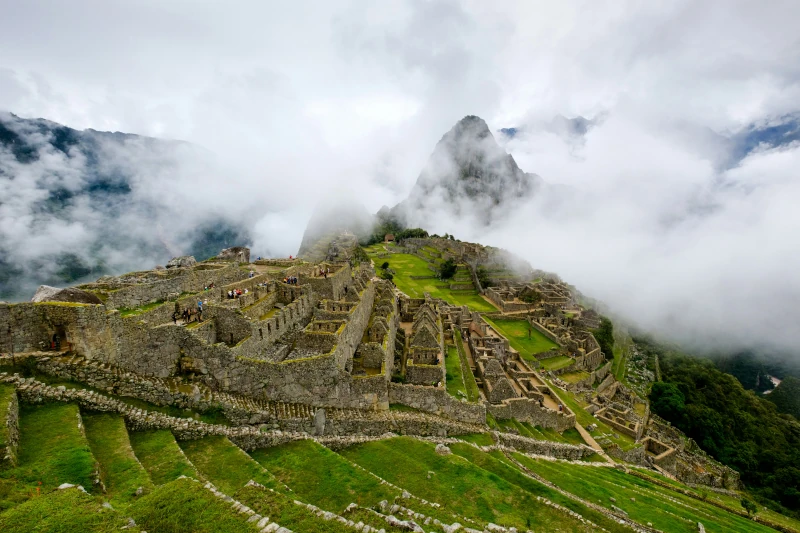
Set against the backdrop of mist-covered peaks, this iconic site offers a chance to experience the awe-inspiring achievements of the Inca civilization. In this article, we’ll delve into the fascinating facts, rich history, and hidden secrets of Machu Picchu, providing you with the insights and tips you need to explore this iconic site.

Uncovering the Enigmatic History of Machu Picchu

machu picchu


Machu Picchu was built in the 15th century during the reign of the Inca emperor Pachacuti. It is believed to have served as a royal estate or a religious site; though its exact purpose remains a mystery.

The city was abandoned in the 16th century, around the time of the Spanish conquest, and lay hidden from the outside world until its rediscovery by Hiram Bingham in 1911. This discovery brought international attention, sparking interest and intrigue that continues to this day.

The strategic location of the city, high above the Urubamba River valley, also suggests a military or defensive purpose. Despite years of study, many aspects of history and function remain elusive, adding to its mystique and allure.

The Architectural Marvels of Machu Picchu

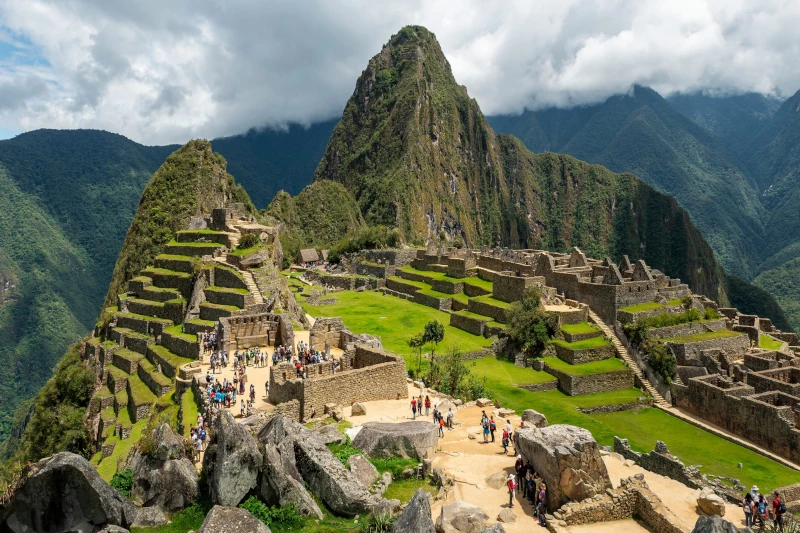
The architecture of Machu Picchu is a testament to the ingenuity and skill of the Inca civilization. The city was constructed using a technique known as “ashlar“;  where stones are cut to fit together without mortar. 

This method allowed the structures to withstand earthquakes. The precision and craftsmanship of the stonework have led many to speculate about the advanced knowledge of the Incas, who were able to construct complex buildings that have stood the test of time.

In addition to the structural integrity of the buildings, the layout of Machu Picchu reveals a sophisticated understanding of urban planning and environmental harmony; with terraces ingeniously designed to prevent erosion and maximize arable land. 

The alignment of certain structures with celestial events further indicates the Incas’ profound connection to nature and the cosmos.

Spiritual Significance and Cultural Insights

Machu Picchu holds deep spiritual meaning for the Quechua people. They consider it a sacred space tied to their ancestors. Many structures, like the Intihuatana stone, had religious and astronomical functions. The Incas likely used them for ceremonies and solar observations.

The Intihuatana, or “hitching post of the sun,” aligns exactly with the cardinal directions.
It likely marked important solar events, like solstices. This precise alignment shows the Incas’ deep astronomical knowledge. It also reflects their spiritual connection to nature and the cosmos.

The site still holds meaning for modern indigenous communities.They return to perform traditional ceremonies and honor their ancestors. These rituals connect the present to the spiritual legacy of the Inca.

Local guides help explain the spiritual and cultural value of Machu Picchu. They share stories passed down through generations.  Visitors gain a deeper understanding through these personal insights. This exchange helps preserve cultural respect and awareness.

Machu Picchu Facts: What You Need to Know

Before embarking on your journey to Machu Picchu, there are a few key facts and tips to keep in mind to ensure a smooth and rewarding experience. Proper planning and preparation can greatly enhance your visit, allowing you to focus on the awe-inspiring beauty and history of the site.

Best Time to Visit

The best time to visit Machu Picchu is during the dry season, from May to September. During these months, you can expect clear skies and pleasant temperatures. However, this is also the peak tourist season, so be prepared for larger crowds. 

If you prefer a quieter experience, consider visiting during the shoulder months of April or October, when the weather is still favorable, but the number of visitors is lower.

Weather conditions can greatly impact your visit, so it’s important to pack appropriately. Even during the dry season, temperatures can vary. Bringing layers, a waterproof jacket, and sturdy footwear will ensure you are comfortable and prepared.. Additionally, planning your visit during weekdays and avoiding public holidays can help.

Getting There

Reaching Machu Picchu requires a bit of planning. Most travelers fly into Cusco, the nearest major city, and then take a train to the town of Aguas Calientes. From there, a bus ride or a hike will take you up to the entrance of the site.

 For those seeking a more adventurous route, the Inca Trail offers a challenging but rewarding trek through the stunning Andean landscapes. This multi-day hike requires advance booking and a reasonable level of fitness, but it provides an unforgettable journey through ancient Inca paths.

There are several train options available, ranging from budget-friendly to luxurious, each offering unique views of the Sacred Valley. Booking train tickets in advance is advisable, especially during peak seasons. For those who opt for the Inca Trail, obtaining a permit is crucial, as spots are limited and sell out quickly. 

Regardless of your chosen mode of transport, the journey to Machu Picchu is an experience in itself, offering breathtaking vistas and a sense of anticipation as you approach the ancient city.

Entry Regulations

Due to its popularity, Machu Picchu has strict entry regulations to preserve the site. Tickets must be purchased in advance, and visitor numbers are limited each day. It’s important to plan ahead and secure your tickets early to ensure entry. 

There are different types of tickets available, including options that allow access to additional areas such as Huayna Picchu or Machu Picchu Mountain.

When purchasing tickets, consider your interests and physical abilities. Climbing Huayna Picchu, for example, is a strenuous activity but rewards hikers with stunning panoramic views. It’s also important to respect the site’s rules and guidelines, which are in place to protect its integrity. This includes staying on designated paths, not climbing on structures, and not bringing food or large backpacks into the ruins. 

By following these regulations, visitors can help ensure that Machu Picchu remains preserved for future generations to enjoy.

Secrets of Machu Picchu: Beyond the Tourist Trail

machu picchu


While the main ruins of Machu Picchu are awe-inspiring, there are hidden gems and lesser-known spots that offer a more intimate experience of the site. Exploring these areas can provide a deeper connection to the history and mystery of Machu Picchu.

The Temple of the Moon

One of Machu Picchu’s lesser-visited areas is the Temple of the Moon, located on Huayna Picchu mountain. This sacred site features intricate stone carvings and offers a serene escape from the bustling main complex. 

The hike to the temple is steep and challenging, but the breathtaking views and tranquility are well worth the effort. The Temple of the Moon is thought to have been used for ceremonial purposes.

Visiting the Temple of the Moon requires planning, as access is limited to those with a ticket to climb Huayna Picchu. The journey is demanding, but it rewards adventurers with a unique perspective on Inca architecture and the natural beauty of the surrounding landscape. 

The Sun Gate (Inti Punku)

Machu Picchu

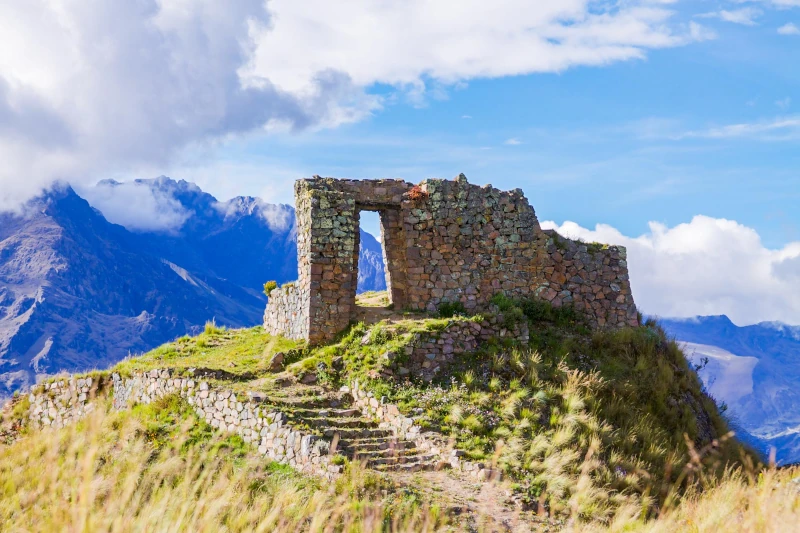
The Sun Gate, or Inti Punku, marks the entrance to Machu Picchu for those arriving via the Inca Trail. It is an excellent vantage point for witnessing the sunrise over the ruins. 

The early morning light casts a magical glow over the city, creating a truly unforgettable scene for photographers and early risers. The Sun Gate serves as a symbolic threshold, welcoming visitors to the ancient city with its breathtaking views.

For those not trekking the Inca Trail, a hike from the main ruins to the Sun Gate is still possible. The walk provides a chance to appreciate the scale and grandeur of the surrounding mountains and valleys. As you stand at the Sun Gate, reflecting on the journey of the Incas, you’ll gain a profound sense of connection to this remarkable place.

Exploring the Surrounding Landscape

Beyond the ruins, the surrounding landscape of Machu Picchu offers a wealth of opportunities for exploration. The lush cloud forests and rugged mountains are home to diverse wildlife and provide a stunning backdrop. 

Don’t miss the chance to immerse yourself in the natural beauty of the Andes. Trails leading to lesser-known sites, such as the Inca Bridge or the Sun Gate, provide opportunities to discover the rich biodiversity and breathtaking scenery that surrounds.

Venturing into the surrounding landscape not only enhances your experience, also supports conservation efforts by spreading visitation more evenly across the area. 

Local guides can offer insights into the flora and fauna of the region, enriching your understanding of the delicate ecosystem.

Whether you’re an avid hiker or simply a nature enthusiast, the landscapes around Machu Picchu promise unforgettable experiences and moments of awe.

Practical Travel Tips for Visiting Machu Picchu


To make the most of your visit to Machu Picchu, consider these practical tips and insights. Preparation and respect for the site and its surroundings will ensure a memorable and meaningful journey.

Accommodations and Dining

Aguas Calientes, the gateway town to Machu Picchu, offers a range of accommodations, from budget-friendly hostels to luxury hotels. Be sure to book your stay in advance, especially during peak season. 

Dining options in Aguas Calientes are plentiful, offering a mix of Peruvian and international cuisine to fuel your adventures. From traditional dishes like ceviche and lomo saltado to international favorites.

For those seeking a more immersive experience, consider staying at one of the eco-lodges or boutique hotels that emphasize sustainability and local culture. These accommodations often provide unique experiences, such as guided nature walks or cooking classes, that allow you to connect more deeply with the region. 

Dining at locally-owned restaurants not only supports the community; it also offers a chance to savor authentic flavors and discover the culinary traditions of the Andes.

Cultural Etiquette

Respect for the local culture and environment is essential when visiting Machu Picchu. Follow the guidelines provided by park authorities, and be mindful of your impact on the site. 

Engaging with local guides can also provide valuable cultural insights and enhance your understanding of the area. They often are descendants of the Inca people and can offer personal stories and perspectives that enrich your visit.

When interacting with locals, a few words in Quechua or Spanish can go a long way in showing respect and appreciation. Simple greetings or expressions of gratitude are always well-received. Additionally, being mindful of the environment, such as carrying out any trash and minimizing noise, helps preserve tranquility and sanctity. By acting as responsible travelers,you contribute to the conservation and sustainable tourism efforts.

Capturing the Perfect Shot

For photographers, Machu Picchu presents endless opportunities for stunning shots. Early mornings and late afternoons offer the best lighting, and the site’s varied elevations provide unique perspectives. 

Take the time to explore different angles and experiment with compositions to capture the essence of this iconic destination. Whether you’re a professional or an amateur photographer, the play of light and shadow across the ancient stones creates a magical atmosphere.

Consider investing in a wide-angle lens to fully capture the grandeur of the landscape, or a telephoto lens to focus on the intricate details of the stonework. 

Patience is key, as waiting for the perfect moment or the right light can make all the difference in your photographs. 

Remember to be respectful of other visitors while setting up your shots, and take the opportunity to put the camera down and simply enjoy the moment.