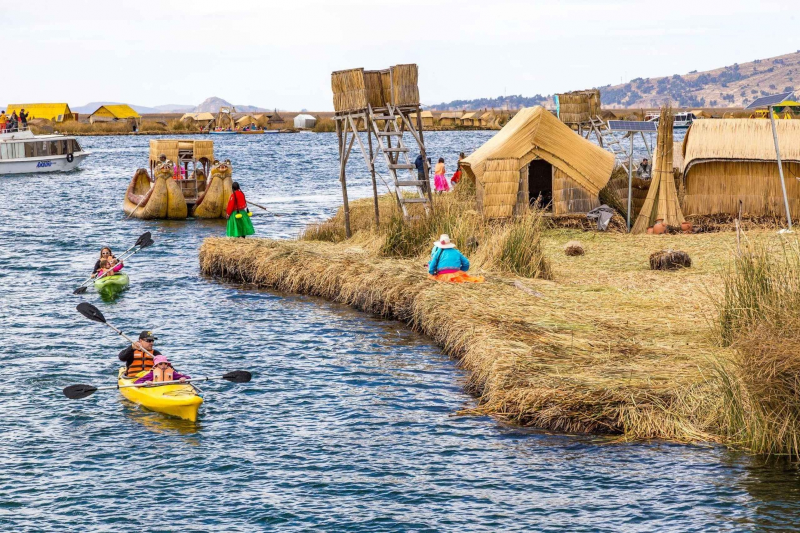
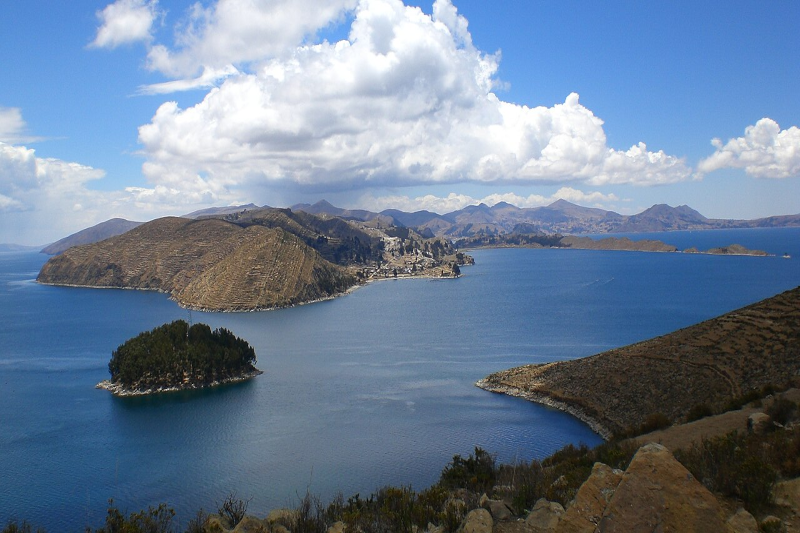
Visualize getting onto a surface that resembles a gigantic, floating sponge… The underfoot layers are made of totora woven together, which are the same strong reeds that were used for the construction of those spectacular islands. As per the data from the geographic surveys, Lake Titicaca is the world’s highest navigable lake, as it is located at an altitude of 3812 meters in the middle of the strikingly beautiful Altiplano, which is also known as a high Andean plateau.
Instead of treating the city like a standard transit stop, Puno tours demonstrate their efficacy by turning this area into a lively cultural center. The tourists can either make a short Uros boat tour during which they visit the floating islands of Patagonia or choose more immersive Lake Titicaca tours from Puno that lead to the distant islands of Taquile and Amantani that traditional weavers inhabit.
Heading south from Cusco, the thick highland cover gives way to the Altiplano, which is a wide, sweeping highland plateau. While the question of personal preference for trips from Cusco to Puno by train or bus depends on the budget and travel style, you should consider it accordingly:

When you arrive at the place, the first thing you will notice is the air which will be very light upon your arrival. At the high altitude, you usually get less oxygen in each breath and this may cause soroche (altitude sickness) while the body is working to produce more hemoglobin. To be able to prevent high altitude sickness in Puno, one should keep in mind four simple rules: sip traditional coca tea before arrival, eat only a small amount of food, totally stay off alcohol, and completely rest for the first 12 hours.
Once you safely acclimate and breathe easy, the real adventure begins. You are finally ready to leave the shore and navigate the lake’s complex island cultures.
A classical day excursion normally involves a mind-boggling trip to the Uros Floating Islands where you get to learn about their culture. You can picture these unique settlements as massive, floating rafts as opposed to solid ground. Families often use local reeds to weave thick layers over floating root blocks, which serves as the foundation of their homes. They physically anchor the entire structure to the lakebed with ropes and wooden stakes so their homes do not drift away.

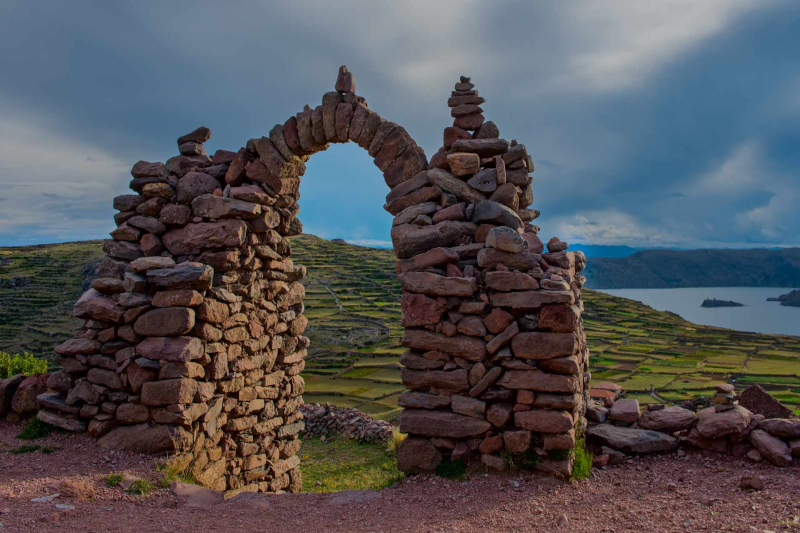
Departing from the bouncy reeds, your float continues to the natural, terraced slopes of Taquile, where the focus shifts from clever engineering to meaningful fashion. The local men here are well-known for their spectacularly knitted andean chullos—those are traditional earflap hats that men wear to indicate their marital state and social status using color and patterns that are strictly precise. This exceptional community heritage is so well kept that UNESCO files the artesanal crafts and garments of Taquile as Intangible Heritage.
Moving across these island communities presupposes careful treatment and respect for visitors. It is always a good idea to ask for clear permission before photographing families or their handiwork and to think about purchasing a small woven item directly from the maker instead of simply handing out random tips. Tourists generally compare Taquile Island and Amantani Island in order to decide which one to include in their itineraries. However, Amantani Island is an excellent place to learn more about the cultures of these people and the day trip provides a nice introduction.
On the other hand, accommodate some friendly Andean people in a local family home, that is, you will experience some real standards of the local’s burden, which is truly the next step.
Stepping onto Amantani feels entirely different because there are no hotels waiting for you. Instead, you engage in community-based tourism through a genuine Lake Titicaca homestay with local families. A private home welcomes you, where natural daily rhythms replace strict tourist itineraries. Here, the cultural tapestry deepens as you experience traditional Aymara and Quechua customs, reflecting the two distinct indigenous languages and cultures still thriving across the high Andes.

Late afternoon brings the island’s most rewarding challenge: a high-altitude hike to the ancient ruins of Pachatata (Father Earth). Watching the spectacular sunset from this peak, you will understand the deep local reverence for Pachamama—Mother Earth—who provides the vital potato and quinoa harvests sustaining these remote communities.
Preparing for this overnight reset requires adjusting your daypack. Since island resources are incredibly scarce, bring these essentials:
Once you return to Puno, mainland history awaits at the surrounding archaeological sites.
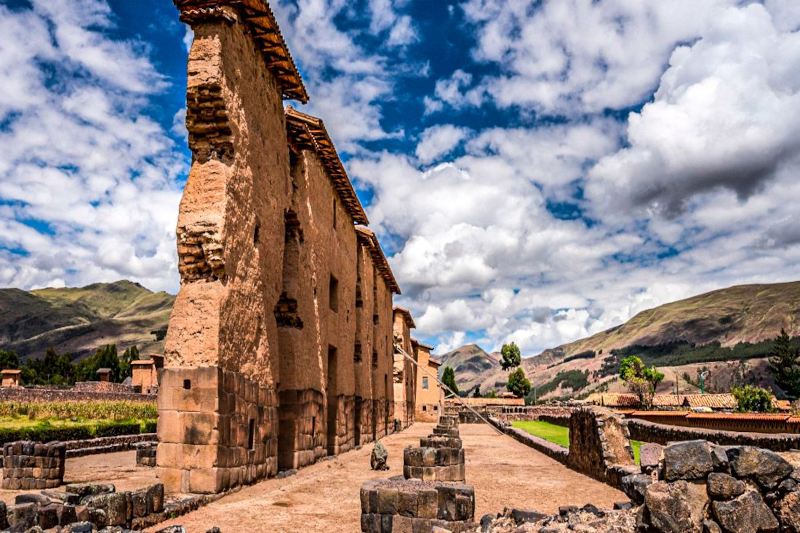
Stepping off the boat doesn’t mean leaving history behind. A popular half-day trip leads to the Chullpas of Sillustani—towering stone tombs built by the Colla culture, a society predating the Incas. During a Sillustani funeral towers guided visit, you can easily spot the contrasting stone masonry. The Colla used rugged, uneven rocks, while later Incan additions feature perfectly smooth blocks fitted together like giant puzzle pieces.
Further south offers a different vibe entirely: exploring the Inca Uyo fertility temple in Chucuito. Famous for its large stone phalluses, this unique site highlights ancient agricultural celebrations. Both locations offer fantastic hidden gems in the Peruvian Altiplano that you can easily combine into one optimized afternoon itinerary. However, touring these highly exposed ruins means facing harsh high-altitude elements that require proper preparation.

The southern hemisphere’s winter months ( May to September) are those that provide the dry season that is the most reliable; therefore, this is the best period of the year to go to Lake Titicaca. Not only are the skies brilliant and clear for exploring beautiful attractions of Puno but the high altitude of 3,812 m also means that invisible UV radiation is 3 times stronger than at sea level.
Sunset triggers a drastic 20-degree temperature plunge, mimicking a shift from summer to winter in minutes. Mastering the “onion” layering method dictates exactly what to pack for Lake Titicaca weather:
Properly equipped, you are ready to structure your journey for maximum impact.
By dedicating 48 hours to Lake Titicaca, you hit the perfect itinerary sweet spot. Whether choosing authentic homestays, full-day vs half-day lake excursions, or luxury Titicaca cruises for travelers, prioritizing local guides ensures your visit directly supports these resilient communities.
Start planning by booking one anchor experience that matches your energy level. Once comfortable with the high-altitude logistics, pack your bags and that essential sunscreen. The deep blue waters and floating grass islands are waiting—step aboard and confidently experience the magic of the Andes.