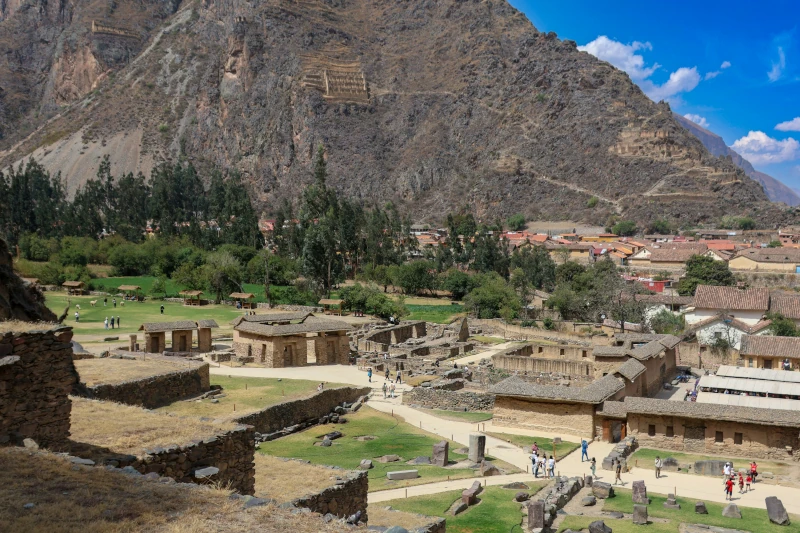
Ollantaytambo as an important part of The Inca civilization, renowned for its architectural prowess, left behind a legacy that continues to fascinate and intrigue. Their mastery in constructing that blend seamlessly with the natural landscape is evident throughout.
This ancient village served as Emperor Pachacuti’s royal estate and later became a stronghold during the Spanish conquest. Knowing the history of this site adds meaning to your visit, whether you’re taking photos or doing academic research.

The Incas employed sophisticated architectural techniques that allowed them to build structures capable of withstanding earthquakes. They utilized a method known as ashlar masonry, which involved fitting stones together without mortar, ensuring stability and durability.
They shaped massive stones with incredible precision, impressing modern engineers and revealing their remarkable innovation
Inca ruins were designed with an acute awareness of their environmental surroundings, ensuring harmony with nature.
Ollantaytambo shows this clearly, with streets and buildings carefully aligned with nearby mountains and rivers. This design supported defense and farming while reflecting the Incas’ deep spiritual connection with nature and their surroundings.
The strategic location of Ollantaytambo underscores its importance as both a cultural and political hub within the Inca Empire.
Its location in the Sacred Valley made it a key farming center, and its fortifications protected against invading forces.
These layers of historical significance provide rich material for researchers and storytellers, painting a vivid picture of the society in the valley of the Incas and its complexities.
Sits in the Sacred Valley’s heart is Ollantaytambo, valued by the Inca Empire for its fertile land and strategic location.
The valley’s spiritual significance and cultural richness make it a compelling destination for travelers seeking both adventure and insight.
The Sacred Valley’s rich soil and mild climate gave the Inca civilization a steady and abundant food supply. The terraces exemplify the Incas’ advanced agricultural techniques, showcasing their ability to adapt to and manipulate the environment to sustain their empire.
These agricultural innovations are a testament to their ingenuity and foresight, making the valley a cornerstone of Inca prosperity.
This ancient city olds deep spiritual meaning for the Inca people, who believed it was a gift from the gods. The alignment of various structures with celestial bodies reflects their astronomical knowledge and spiritual beliefs.
Where a spiritual side adds depth to Ollantaytambo, encouraging visitors to explore both its physical and metaphysical Inca heritage.
The valley is a living cultural tapestry, where ancient traditions continue to thrive. Visitors have the opportunity to engage with local communities, witnessing traditional crafts, music, and dance.
Cultural immersion deepens your understanding of Inca heritage and its lasting influence on Peru, enriching your journey with meaningful experiences.

The fortress of Ollantaytambo is a monumental structure that showcases the Incas’ defensive architecture.
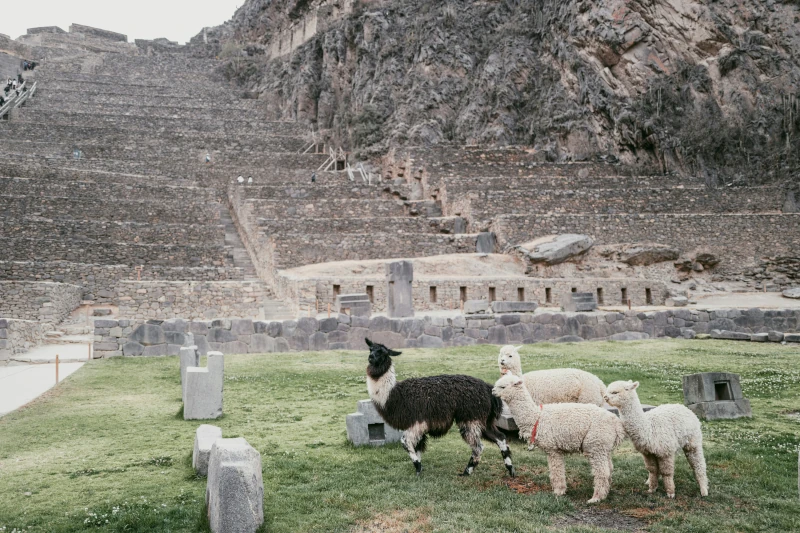
Climbing the steep terraces to enjoy panoramic valley views is a rewarding sight for both photographers and nature lovers. The Incas designed these terraces both for farming and to protect against invaders.
The strategic location and imposing structure highlight the Incas’ military acumen. The Incas designed its walls and terraces to repel invaders, using the natural landscape to build strong defenses.
This architectural ingenuity reflects the Incas’ understanding of warfare and landscape, offering insights into their strategic mindset.
The terraces of Ollantaytambo are a testament to the Incas’ agricultural prowess. The Incas engineered these stepped platforms to increase farmable land and manage water efficiently. They created microclimates to grow various crops, ensuring food security and showing their advanced farming techniques.

For photographers, the fortress and terraces offer a wealth of visual inspiration. Light and shadow on the ancient stones, along with wide valley views, create striking and memorable photo compositions.
You can capture these scenes to share the majesty and mystery of the Inca legacy, preserving its beauty through the lens.
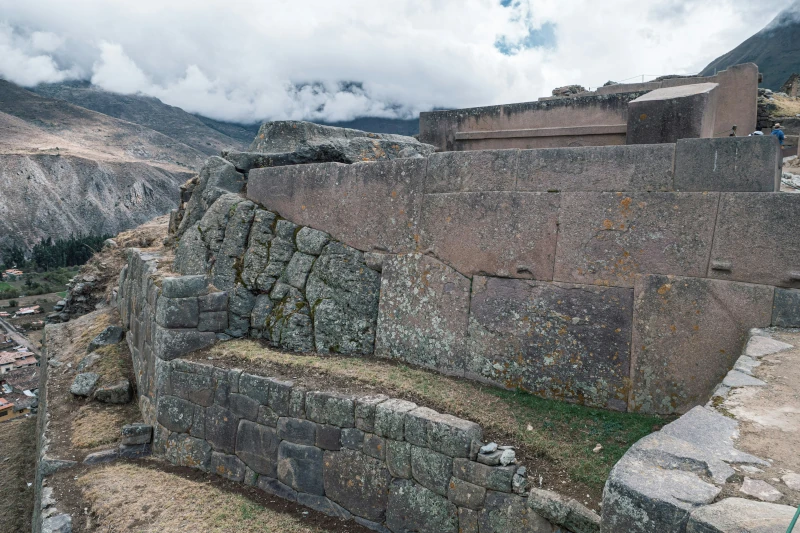
The Temple of the Sun, one of the key structures, displays large monoliths that show the Incas’ precise stonework skills.
It’s aligns with the sun at solstices, showcasing Inca astronomy and enriching your travel stories or research.
Showing an advanced Inca astronomy, The Temple of the Sun will amazed you with its design that align precisely with solstices and equinoxes.
This underscores the Incas’ sophisticated understanding of astronomy, reflecting their belief in the interconnectedness of the cosmos and their earthly existence. These insights provide a fascinating glimpse into their worldview and spiritual practices.
The stonework is a testament to the Incas’ unparalleled craftsmanship. The Incas meticulously shaped and fitted each stone, showing their skill in working with massive materials using simple tools.
This precision remains a source of wonder for modern architects and engineers, highlighting the Incas’ remarkable ingenuity.
Beyond its architectural brilliance, the Temple of the Sun holds deep symbolic meaning for the Inca civilization.
The Incas used it as a center for spiritual ceremonies to honor the sun god Inti. Understanding the temple’s spiritual significance enriches your appreciation of the site, offering insights into the Incas religious beliefs and cultural practices.
Step off the main path to discover Ñaupa Iglesia, a hidden site with a mysterious altar carved into solid rock. This peaceful spot stays free from crowds, making it perfect for photographers and researchers exploring rare, untouched historical sites.
The Ñaupa Iglesia features an enigmatic altar that continues to intrigue historians and archaeologists. Carved directly into the rock face, its purpose remains a mystery, sparking speculation and exploration.
This sense of mystery adds a layer of allure to the site, inviting visitors to ponder the secrets of the ancient world.
Providig a quiet escape from crowded tourist spots, tha Ñaupa Iglesia let visitors enjoy the peaceful ancient landscape.
This peaceful setting invites reflection, making it ideal for those seeking a deeper connection with history and nature.
Photographers will find Ñaupa Iglesia a treasure trove of unique shots, with its dramatic rock formations and quiet ambiance.
Natural light shining on ancient carvings creates striking images and offers a new view of Inca architecture and art.
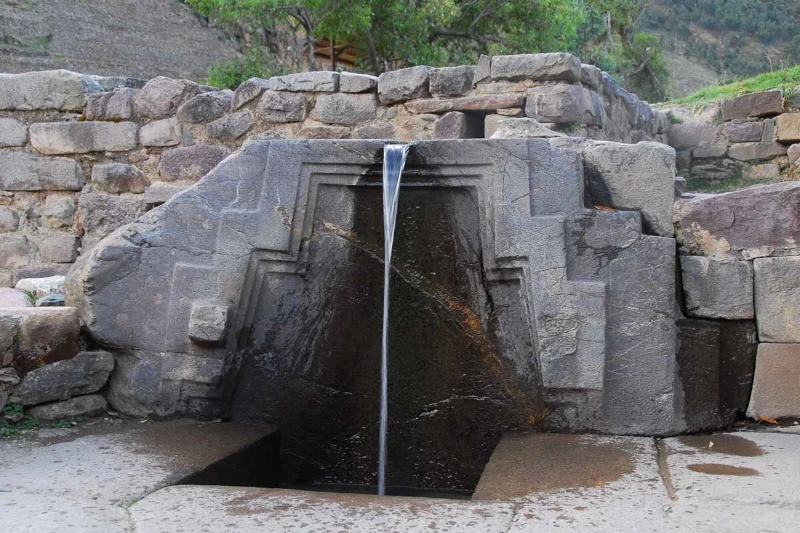
The Baños de la Ñusta, feature ceremonial fountains that show the Incas’ advanced hydraulic engineering. Exploring these baths reveals Inca daily life and spiritual practices, enriching your cultural knowledge and photographic storytelling.
The Inca Baths are a testament to the Incas’ advanced understanding of hydraulic engineering. The Incas designed these fountains to control water flow, showing their skill in using natural resources for daily and sacred needs.
This ingenuity offers insights into their daily lives and technological achievements.
Beyond their practical function, the baths played a crucial role in Inca spiritual practices. The Incas used them for purification rituals, showing their belief in water’s cleansing power. Learning about these ceremonies deepens your visit and reveals the spiritual life of the Inca civilization.
You will find the Inca Baths a compelling subject, with their intricate designs and serene ambiance. Photographing the flowing water and detailed stonework lets you show the elegance and skill of Inca engineering through images.

Ollantaytambo is accessible from Cusco by train or road. The scenic train offers breathtaking views, while a private taxi adds comfort and flexibility; perfect for executives with limited time.
Traveling to Ollantaytambo by train offers more than transport, it gives you stunning views of the Sacred Valley.
The train ride offers a unique view of the region, showcasing lush valleys and towering mountains along the way. This scenic adventure is perfect for those who want to relax and take in the beauty of the Peruvian countryside.
A road trip from Cusco to Ollantaytambo lets you explore at your own pace. With a private taxi or rental car, you can stop anytime to discover hidden gems and visit local communities.
This mode of travel is ideal for those who enjoy spontaneity and the freedom to create their own itinerary.
Once in Ollantaytambo, getting around is easy with local transportation options such as tuk-tuks and taxis. These transport options make it easy to get around the village and reach nearby archaeological sites and attractions.
Visit Ollantaytambo from May to September during the dry season for mild weather and ideal conditions for exploring. This period also coincides with various cultural festivals, offering vibrant photo opportunities and cultural immersion.
Dry season brings mild temperatures and clear skies, making it ideal for outdoor exploration. The lack of rain ensures that trails and archaeological sites are accessible, allowing for uninterrupted travel experiences. This pleasant weather is ideal for photography, hiking, and immersing yourself in the natural beauty of the Sacred Valley.
Visiting during the dry season also means you can experience some of the region’s most vibrant cultural festivals. Events like Inti Raymi, the Festival of the Sun, showcase Inca traditions with colorful costumes, lively music, and dance.
These festivals provide rich material for cultural exploration and photography, adding depth to your travel experience.
Stay at an upscale lodge in the Sacred Valley to enjoy stunning views and top-tier amenities for a premium experience. Dining options range from traditional Peruvian cuisine to international dishes, catering to diverse tastes and preferences.
The Sacred Valley boasts a range of luxurious accommodations that provide comfort and elegance amid stunning natural surroundings. Upscale lodges and boutique hotels offer amenities such as spa services, gourmet dining, and breathtaking views of the Andes.
These accommodations provide a perfect blend of relaxation and adventure, ensuring a memorable stay in Ollantaytambo.
Dining in Ollantaytambo offers a culinary journey that caters to every palate. From traditional dishes of Peru, featuring local ingredients to international cuisine, the village’s dining scene is diverse and flavorful.
Tasting local dishes like ceviche, quinoa, and alpaca gives you a true flavor of the region’s cuisine. International options add variety and ensure every guest finds something they enjoy.
Exploring local markets is a great way to experience the true flavors of Ollantaytambo.
These markets offer fresh produce, handmade goods, and traditional snacks that reflect daily life and local culture.
Talking with vendors and artisans lets you connect with the community and understand their lifestyle more deeply.
Interacting with local communities in Ollantaytambo can enhance your travel experience. Talk with artisans who practice traditional crafts and join local festivals to better understand Inca culture.
Respectful interaction and curiosity can lead to meaningful exchanges and unique photographic moments.
There you will fin skilled artisans who continue to practice traditional crafts, such as weaving and pottery. Engaging with these artisans offers a chance to learn about their techniques and the cultural significance of their work.
Purchasing handmade items supports the local economy and preserves these ancient crafts, providing a meaningful souvenir of your visit.
Joining local festivals lets visitors experience Ollantaytambo’s vibrant culture. These events show traditional music, dance, and rituals, deepening cultural understanding.
Participation fosters a sense of connection and appreciation for the rich cultural tapestry of the region.
Approaching interactions with respect and genuine curiosity can lead to enriching exchanges with the people of Ollantaytambo. Showing interest in local customs builds mutual respect and creates meaningful, memorable travel experiences.
This respectful engagement enhances your journey, leaving a positive impact on both visitors and locals.