If you’re planning a trip to Peru, the breathtaking Humantay Lake is an absolute must-see. Nestled in the Andes, this stunning turquoise lake is a natural wonder that offers a rewarding trekking experience.
Whether you’re a corporate executive looking for a quick escape, a freelance photographer in search of picturesque landscapes, or an academic researcher eager to uncover cultural insights, this guide will help you navigate the trail with ease.

Your journey to Humantay Lake begins in Cusco, a city brimming with history and charm. Known as the historic capital of the Inca Empire.
It is a city that seamlessly blends ancient architecture with vibrant modern culture. From its cobblestone streets to its bustling markets, offers an array of cultural experiences that should not be missed.
Cusco is well-connected by air and road, making it a convenient starting point for your adventure. The Alejandro Velasco Astete International Airport serves flights from major cities in Peru and international destinations. Once you arrive, consider spending a day or two exploring the city’s rich tapestry of history, from the majestic Sacsayhuamán fortress to the bustling San Pedro Market.
From there, you can join one of the many tours that head to Humantay Lake or choose to go independently. Tours vary in size and itinerary, allowing you to select one that best suits your schedule and interests. Opting for an organized tour not only provides ease of transportation but also includes knowledgeable guides who enrich the experience with local insights.
The drive from Cusco to Soraypampa, the trailhead for the Humantay Lake trek, takes approximately three to four hours. This scenic drive offers breathtaking views of the Andes and is an experience in itself. As you travel through the Sacred Valley, you’ll pass through small villages where the traditional Andean way of life is still very much alive.
If you’re traveling independently, consider hiring a private driver or renting a car for flexibility. Hiring a driver offers a stress-free trip, letting you enjoy the stunning views while they handle the winding roads. Renting a car lets you stop freely, explore hidden spots, and take photos whenever you like. For those on a tighter schedule, our organized tours provide a hassle-free option.
This are Peru best tours, often include round-trip transportation, meals, and a guide, ensuring a seamless experience from start to finish. Whether you choose a private or group tour, the journey to Soraypampa sets the stage for the adventure that awaits.
Upon arriving at Soraypampa, you’ll find yourself surrounded by the majestic beauty of the Andes. This small, tranquil settlement serves as the gateway to Humantay Lake and is a popular starting point for trekkers. Soraypampa sits at an altitude of 3,900 meters (12,795 feet), making it important to acclimatize before beginning your trek.
The crisp air and traditional Andean homes shape the landscape. You may also see farmers or llamas, showing daily mountain life. Take a moment to soak in the serene atmosphere and prepare for the trek ahead.

The trek to Humantay Lake begins in Soraypampa, at an altitude of 3,900 meters (12,795 feet). The trail is approximately 7 kilometers (4.3 miles) round trip, with a moderate difficulty level. The trek suits most fitness levels, but you should prepare for high altitude and changing terrain.
Spend a few days in Cusco before the trek to help your body adjust and reduce the risk of altitude sickness. Symptoms of altitude sickness can include headaches, nausea, and fatigue, which can detract from the experience. To acclimatize effectively, take it easy to stay hydrated, and avoid alcohol.
Begin your trek with a steady pace, allowing your body to adjust to the elevation. As you leave Soraypampa, take time to enjoy the towering peaks and colorful plants around you. The trail is well-marked, but hiring a local guide can enhance your experience with stories and insights about the region.
The trail to Humantay Lake is a feast for the eyes. As you ascend, you’ll pass through a diverse range of landscapes—from lush valleys to rugged mountain terrain. The area’s natural beauty and quiet surroundings create a peaceful escape from the rush of daily life.
The air is crisp, and the views are nothing short of spectacular. Each step offers a new vantage point, revealing the vastness of the Andes and the intricate details of the flora and fauna. In the valleys, you’ll find vibrant wildflowers and native plants, while higher up, the landscape becomes more rugged and dramatic.
Keep an eye out for local wildlife, including Andean condors and llamas, which can often be spotted along the way. The condors, with their impressive wingspans, are a sight to behold as they soar gracefully above. Llamas and alpacas graze peacefully, adding to the picturesque quality of the trek.
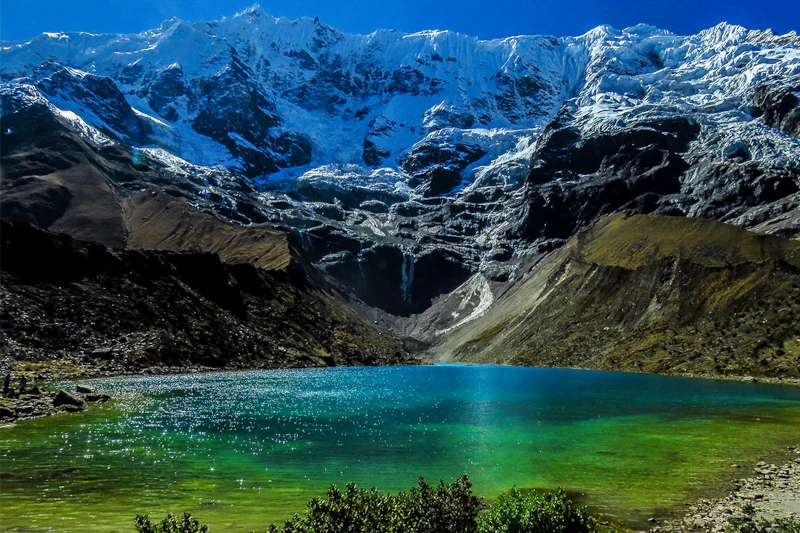
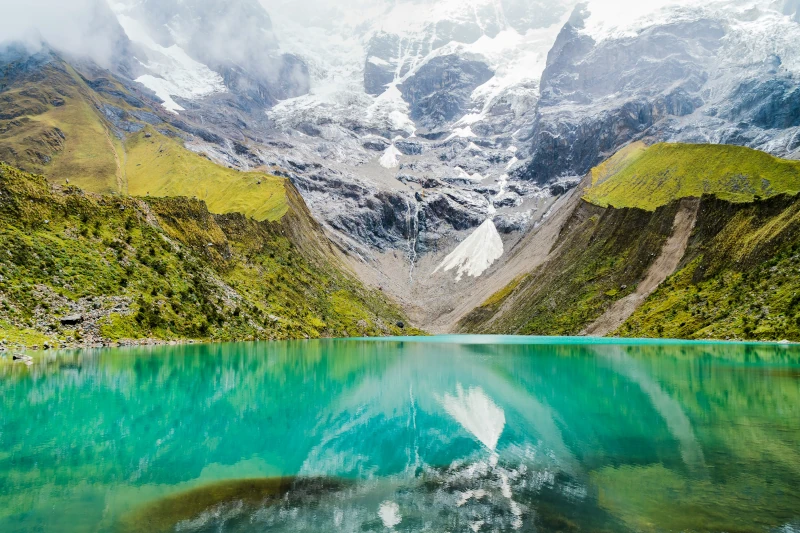
After a steep climb, you’ll be rewarded with your first glimpse of Humantay Lake. The vibrant turquoise waters, set against the backdrop of snow-capped peaks, create a scene of unparalleled beauty. The lake’s color is a result of mineral deposits from the surrounding mountains, which filter into the water.
The lake’s calm setting offers the perfect moment for reflection and photography, inviting you to slow down and enjoy nature. Whether you’re capturing the scene with your camera or simply absorbing the view, the experience is truly unforgettable.
Spend some time exploring the area around the lake, taking in the panoramic views and the diverse plant life. The reflection of the mountains on the lake’s surface creates a stunning mirror effect, providing endless opportunities for photography. Remember to respect the natural environment, keeping a safe distance from the water and following Leave No Trace principles.
Packing wisely is key to a successful trek. Here’s a checklist of essentials:
Layered Clothing: Temperatures can vary, so wear breathable layers that you can easily add or remove. The mornings can be chilly, but as the sun rises, you’ll appreciate the flexibility of layered clothing.
Good Hiking Boots: Ensure they are comfortable and broken in before your trek. The rocky terrain requires sturdy footwear to protect your feet and provide stability. Sunscreen and Sunglasses: The high altitude means stronger UV rays. Protect your skin and eyes by applying sunscreen regularly and wearing quality sunglasses.
Water and Snacks: Stay hydrated and energized with plenty of water and high-energy snacks. Consider packing electrolyte tablets to replenish lost minerals. Rain Gear: Weather in the mountains can be unpredictable, so pack a waterproof jacket. A sudden shower can occur, even during the dry season.
Consider bringing a walking stick for added stability on the trail, and a camera to capture the breathtaking scenery. A walking stick can help with balance on uneven surfaces, reducing the strain on your legs during the ascent and descent.
A small backpack is ideal for carrying your essentials. Choose a backpack with comfortable straps and sufficient compartments to organize your items. It’s also worth packing a lightweight first-aid kit for minor injuries or ailments.
A portable battery charger can be invaluable for keeping your camera or phone powered throughout the day. Ensure you have enough memory cards or storage space to capture the multitude of photo opportunities along the trail.
In addition to the essentials, consider items that enhance your comfort and convenience. A wide-brimmed hat and a lightweight scarf can provide additional protection from the sun and wind. Moisturizer and lip balm will help combat the dry mountain air, keeping your skin and lips hydrated.
For those who enjoy journaling or sketching, a small notebook and pen can be a wonderful way to document your journey. Capture your thoughts, observations, and sketches of the incredible landscapes you’ll encounter along the way.

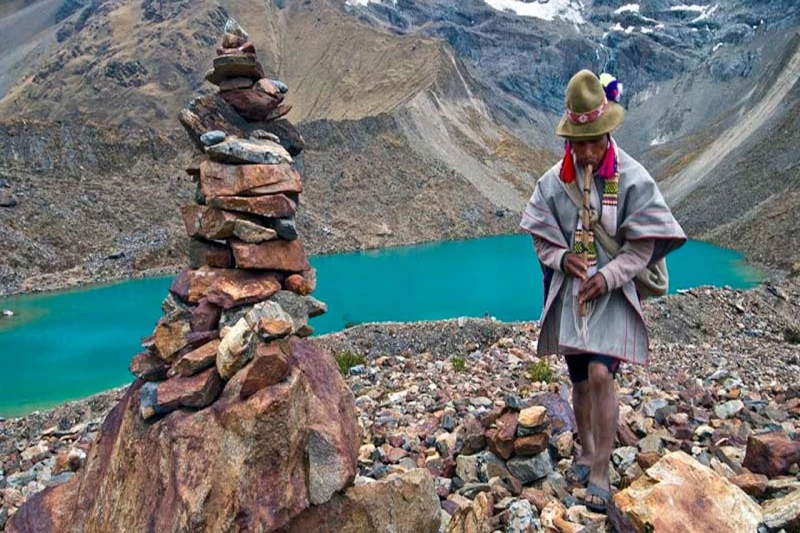
The trek to Humantay Lake offers a glimpse into the lives of the local Quechua communities. Locals operate many tours, creating income and sharing their rich cultural heritage with travelers. The Quechua people are known for their warm hospitality and deep connection to their ancestral lands.
Engage with your guides and ask about their traditions and lifestyle for a deeper understanding of the area. Learn how the Andean landscape shapes their culture, from sacred mountains to traditional farming methods. Participating in local customs and supporting community initiatives fosters a more meaningful travel experience.
Preserving the natural beauty of Humantay Lake is crucial. Follow Leave No Trace principles by taking your trash and staying on marked paths to protect the environment. Responsible tourism helps preserve the lake’s pristine beauty and keeps it unspoiled for future generations.
Supporting local eco-friendly initiatives can also contribute to sustainable tourism in the region. Choose tours that focus on environmental care and community support. Your travel decisions help protect the Andes’ natural beauty.
When visiting the region, it’s important to be mindful of cultural etiquette. Show respect for local customs by dressing modestly and seeking permission before photographing people. Learn a few basic phrases in Quechua or Spanish to express gratitude and foster goodwill with the local communities.
Participating in local festivals or markets provides an opportunity to engage with the culture on a deeper level. These experiences show the rich traditions and art of the Quechua people, adding lasting memories to your journey.
Spend a few days in Cusco before your trek to help your body adjust to the altitude. Acclimatization is key to preventing altitude sickness, allowing you to fully enjoy the trek without discomfort. During this time, you can explore many attractions, from its historic sites to its lively cafes and restaurants.
Take it easy, stay hydrated, and avoid alcohol during this period. Listen to your body and rest when needed, allowing time for gradual acclimatization. Consider consulting a healthcare professional for advice on altitude medication if you have any concerns.
While the trail is well-marked, hiring a local guide can enhance your experience. A knowledgeable guide can provide valuable insights, ensure your safety, and enrich your understanding of the region. They can share stories of the land, its history, and its people, offering a deeper connection to the places you visit.
Guides can also assist with logistics, such as coordinating transportation and meals, allowing you to focus on the journey. Whether you choose a private guide or join a group tour, the expertise and companionship of a local guide can greatly enhance your trek.
The best time to visit Humantay Lake is during the dry season, from May to October. During these months, the weather is generally clear, offering the best conditions for trekking and photography. The dry season also coincides with cooler temperatures, making the trek more comfortable.
Plan your visit during the shoulder months of May or October to avoid the peak tourist crowds. These months offer a balance of favorable weather and fewer visitors, allowing for a more peaceful experience. Keep in mind that the Andes weather can be unpredictable, so always be prepared for changing conditions.