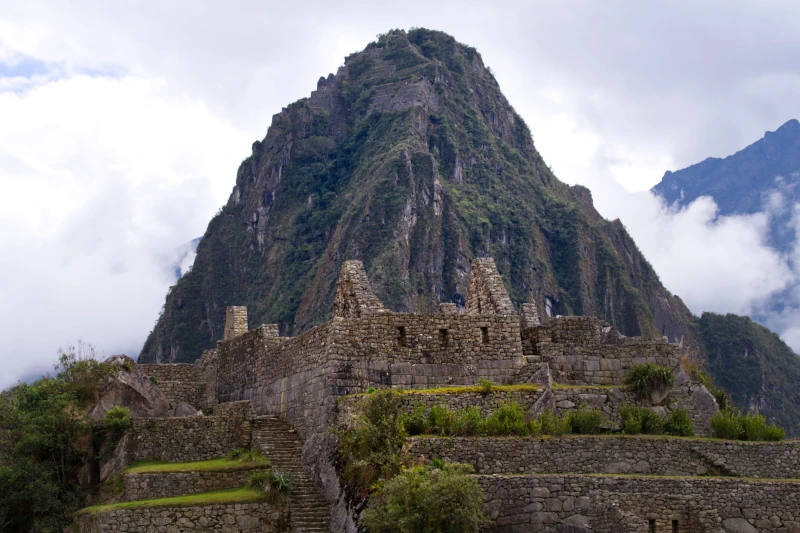
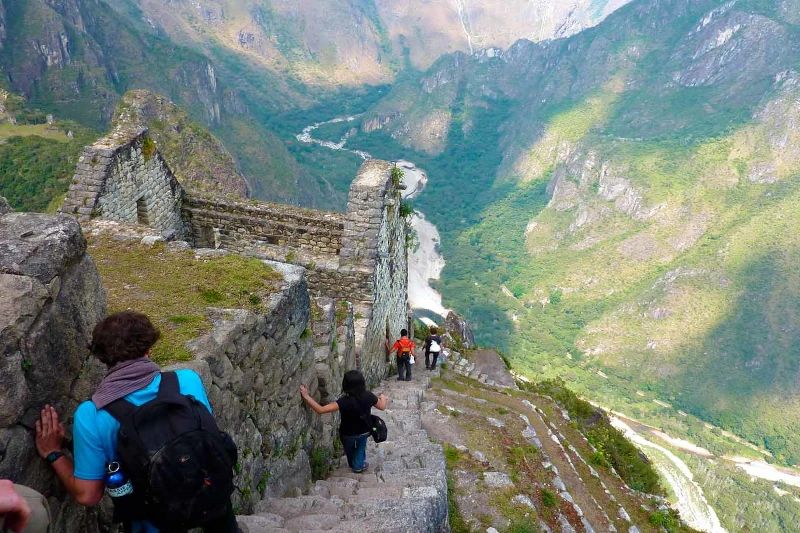
Huayna Picchu, often referred to as the “Young Peak,” or “the stairs of death” is more than just a mountain. It was part of the last Incan capital and is considered a crucial element of their spiritual landscape. The mountain looms over the ancient city, and its presence is woven into the history and mythology of the Incas. Understanding the historical context of Huayna Picchu can enrich your experience and appreciation of its cultural significance.
The Incas considered Huayna Picchu a place of great spiritual energy. It is believed that the peak was used for religious ceremonies and could have served as an astronomical observatory. The spiritual energy attributed to the mountain transforms the climb from a mere physical challenge to a spiritual journey, providing an opportunity to connect with the ancient practices of the Incas.

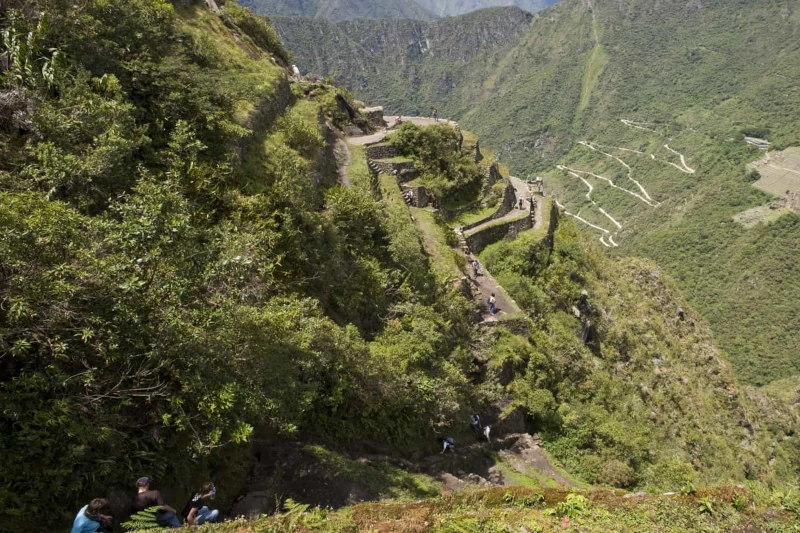
Ascending Huayna Picchu is not just about the climb but also an exploration of Incan architectural ingenuity. The narrow, steep paths and terraces are a testament to the Inca’s engineering prowess. As you climb, you’ll encounter ruins that blend seamlessly with the natural landscape, offering insights into how the Incas lived and thrived in such challenging terrains.
Tickets to Huayna Picchu are limited, with only 400 permits available each day. To ensure your spot, it’s essential to book your Huayna Picchu tickets well in advance, often months before your intended visit. This not only guarantees your entry but also allows you to plan your itinerary around this highlight. Consider using a reputable ticketing service to avoid any last-minute issues.
When planning your trek, consider the weather. The dry season, from May to September, is the ideal time to visit, offering clear skies and optimal hiking conditions. However, this is also the peak tourist season. If you prefer fewer crowds, consider visiting during the shoulder months of April or October, keeping in mind that weather can be unpredictable. Research weather patterns and plan for possible rain, even during the dry season.
A well-structured itinerary can enhance your visit to Huayna Picchu. Plan to spend a few days acclimatizing in Cusco before your climb. Allocate time to explore other nearby attractions, such as the Sacred Valley or the city of Cusco itself. Incorporating these experiences can provide a fuller understanding of the Incan culture and history.
The climb Huayna Picchu is challenging, requiring a good level of fitness. The trail is steep, with narrow stairs and sharp drop-offs. It’s crucial to prepare physically before your trip. Regular cardiovascular exercises, strength training, and practice hikes on similar terrain will equip you for the journey. Consider consulting with a fitness trainer to tailor a regimen that suits your specific needs.
Cusco, the gateway to Machu Picchu mountains , sits at an altitude of 3,400 meters (11,152 feet). It’s vital to spend a few days acclimatizing to avoid altitude sickness, which can significantly impact your hike. During this time, explore the cultural richness of Cusco and consider shorter treks like the Salkantay Trek or Inca Trail to further prepare your body. Engage in activities that promote gradual acclimatization, such as light walks and staying hydrated.

Packing appropriately is crucial for a successful hike. A well-packed backpack should include essentials such as water, energy snacks, a first-aid kit, and a camera to capture the breathtaking panoramic views. Layered clothing is advisable to adjust to temperature changes throughout the day. Ensure your backpack is comfortable and light to avoid unnecessary strain during the climb.
Wearing the right gear is essential for a safe hike. Sturdy hiking boots with good grip, a rain jacket, a hat, and sunscreen are must-haves. A walking stick can provide additional support on the steep sections of the trail. Consider investing in quality gear that you have tested before your trip to avoid surprises on the trail.
Bring plenty of water and high-energy snacks to keep your energy levels up. Dehydration can exacerbate altitude symptoms, so make sure to drink water regularly. Opt for snacks that are rich in carbohydrates and proteins to sustain your energy throughout the hike. Plan your water intake, considering the duration of the hike and your personal needs.

Respect the trail and fellow hikers by staying on designated paths and not littering. The terrain is fragile, and preserving it is crucial for future generations. Additionally, keep noise levels down to maintain the serene atmosphere of this sacred place. Trail etiquette is not just about rules but about preserving the beauty and sanctity of the environment.
While the urge to reach the summit is strong, it’s important to listen to your body. If you experience severe dizziness, headaches, or shortness of breath, it may be wise to descend. Safety should always be your priority. Familiarize yourself with the symptoms of altitude sickness and take them seriously to prevent any serious health issues.
Hiring a local guide can enrich your experience, providing insights into the history and cultural significance of Huayna Picchu and the citadel of Machu Picchu. Their stories bring the ancient stones to life, connecting you with the legacy of the Incas. Guides can offer personalized Peru tours that cater to your interests, be it history, architecture, or spirituality.
After your hike, take time to relax in Aguas Calientes, the town at the foot of the Lost Inca City. Known for its hot springs, it’s the perfect place to unwind and reflect on your adventure. The town also offers a chance to immerse yourself in local culture, with its vibrant markets and traditional cuisine. Consider spending an extra day here to explore the town’s offerings, from artisan shops to cultural performances.
Engaging with the local culture can deepen your understanding of the region. Participate in cultural events or workshops that showcase traditional crafts, music, or dance. These experiences provide a glimpse into the daily lives and traditions of the people who call this region home. Supporting local artisans and businesses also contributes to the sustainability of the community.

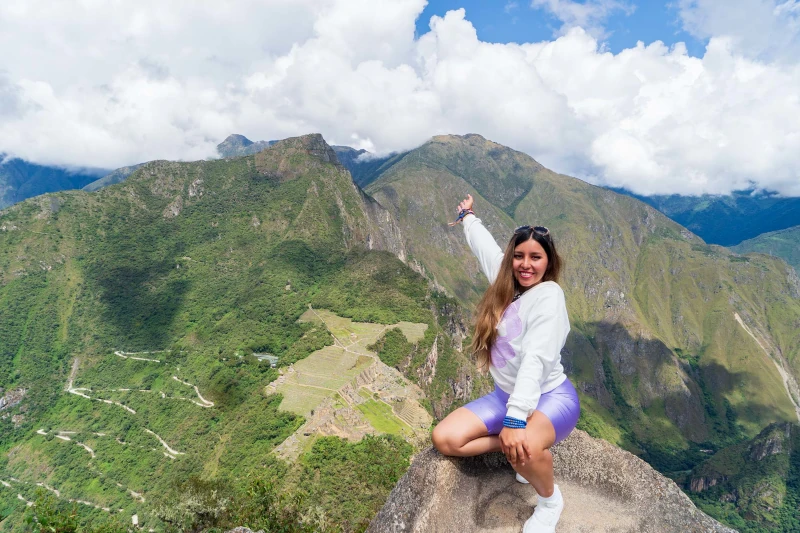
As a travel writer, translating your Huayna Picchu experience into words allows others to vicariously join your journey. Focus on the cultural and historical nuances that make this trek unique. Describe the views, the feeling of standing at the top of Huayna Picchu mountain, and the deep connection to the past you felt with each step. Consider sharing your story through various platforms such as blogs, social media, or travel magazines to reach a wider audience.
Encourage your readers to respect the natural and cultural heritage of the places they visit. Highlight the importance of sustainable tourism practices and how they can contribute to preserving these incredible archeological sites for future generations. Provide practical tips on how travelers can minimize their impact, such as reducing waste, respecting wildlife, and supporting local communities.
Reflecting on your personal growth and experiences during the hike can be a rewarding exercise. Consider what you learned about yourself and the world around you. Such reflections can offer valuable insights into your journey, transforming your travel experience into a source of inspiration and personal development.
Visiting Huayna Picchu is an extraordinary opportunity to walk in the footsteps of the Incas and witness the breathtaking beauty of the Andes. By planning carefully, respecting the cultural significance of the site, and prioritizing safety, you can ensure a rewarding and unforgettable adventure. Whether you’re a seasoned traveler or a cultural enthusiast, the journey to Huayna Picchu is one that will resonate with you long after you’ve returned home. Embrace the experience fully, and let it inspire your future travels and adventures.