Explore the Best Sierra Traditional Dishes of Peru

When you think of Peru, the first thing that might come to mind is Machu Picchu or the vibrant city of Lima. However, nestled in the Peruvian highlands, the Sierra region offers a culinary landscape, including Sierra traditional dishes, that’s as rich and diverse as its breathtaking scenery. As seasoned travelers, we Rober and Lety are thrilled to guide you through the traditional dishes that define this majestic region.

Whether you’re a corporate executive with limited time, a freelance photographer seeking inspiration, or an academic researcher craving cultural insights, this guide is your key to unlocking the flavors of the Sierra.

The Peruvian Sierra boasts a tapestry of culinary traditions that reflect the area’s history and natural bounty. Blending influences from indigenous Andean culture and Spanish colonization, the dishes here offer a unique mix of flavors and ingredients. Now, let’s dive into the top sierra traditional dishes you must try when visiting this part of Peru.

Pachamanca: A Celebration of Earth and Flavor

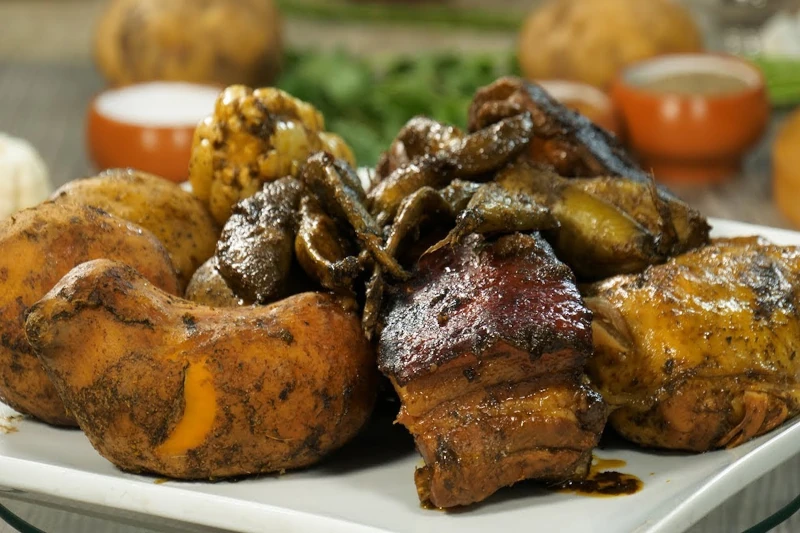
Pachamanca is more than just a dish; it’s a communal experience. Traditionally prepared in an earth oven, this ancient cooking method involves marinating meats, usually chicken, pork, lamb, or guinea pig, along with potatoes, corn, and fava beans. The ingredients are seasoned with Andean herbs like huacatay and chincho, then wrapped in banana leaves and cooked under hot stones.

Preparing Pachamanca is a testament to the Andean people’s deep connection with the earth. It involves a ritual process where the community gathers to prepare the ingredients, creating an event that’s about social bonding and food. Using hot stones and earth ovens dates back thousands of years, showcasing a cooking method that has stood the test of time.

The result is a smoky, tender feast that embodies Andean hospitality. Pachamanca is often served during festivals and family gatherings, making it perfect to share with new friends and capture on camera. The vibrant colors of marinated meats and vegetables, combined with the earthy aroma, make for a unique and memorable sensory experience. You can taste these Sierra traditional dishes on your way to  Machu Picchu

Cuy Chactado: A Crispy Delight

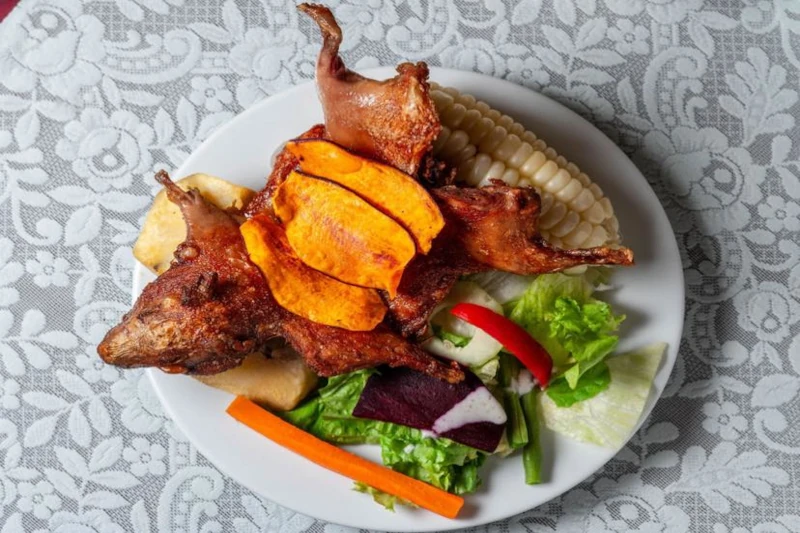
Cuy, or guinea pig, is a traditional delicacy in the Peruvian Sierra. While it may seem unconventional to some, this dish is integral to the local diet and culture. Cuy Chactado involves flattening the guinea pig and frying it until crispy, resulting in a savory delight with a unique texture.

Preparing Cuy Chactado is a culinary art. The guinea pig is seasoned with spices that enhance its natural flavors. The frying process creates a crispy exterior while keeping the meat tender inside. This dish is often served with potatoes and aji sauce, adding a spicy kick that complements the savory flavors.

Served with potatoes and aji sauce, Cuy Chactado is a must-try for adventurous eaters, offering a taste of Andean culinary traditions. Savor this Sierra traditional dish on your journey through the Sacred Valley, for a delightful experience. As you savor each bite, you’ll gain a deeper appreciation for the cultural significance behind this dish. It’s more than just a meal; it’s a cultural experience connecting you to Andean history.

Trucha Frita: Fresh and Flavorful

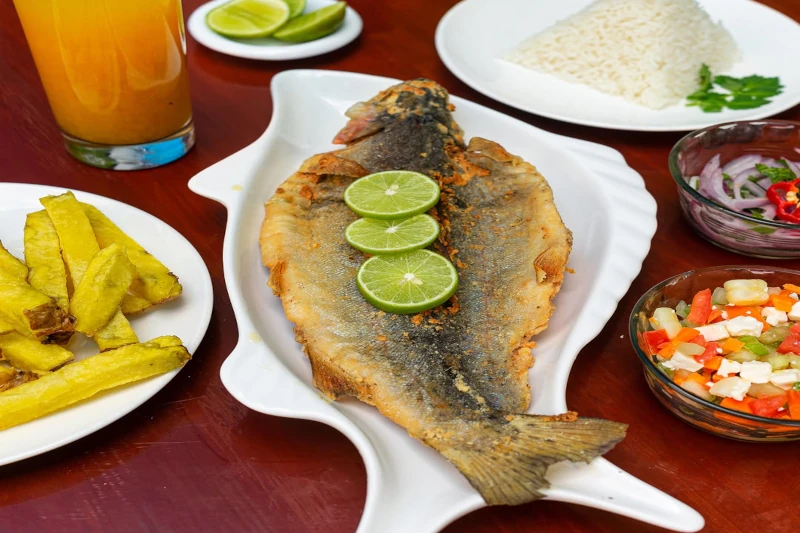
For seafood lovers, Trucha Frita is a standout dish. The Peruvian highlands are dotted with pristine lakes and rivers, offering an abundance of fresh trout. Trucha Frita features lightly seasoned trout, fried to perfection and often served with rice, salad, and fried potatoes.

The simplicity of Trucha Frita is what makes it appealing. The trout is seasoned with just a hint of salt and pepper, allowing the fish’s natural flavors to shine. It’s fried until the skin is crispy, creating a delightful contrast with the tender fish inside. This dish highlights the Sierra’s natural resources and the simplicity of local ingredients.

Whether enjoyed at a rustic lakeside restaurant or a bustling market in Cusco, Trucha Frita offers a refreshing taste of the highlands. We recommend trying this Sierra traditional dish on your way to Vinicunca the rainbow mountain. The setting, whether lakeside or in the vibrant local market, enhances the experience. Trucha Frita is a culinary highlight, showcasing the Sierra’s rich natural bounty.

Exploring Cusco: A Culinary Adventure

As the historical capital of the Inca Empire, Cusco is a vibrant city that serves as a gateway to Sierra culinary delights. Here, you’ll find bustling markets brimming with local produce, street vendors offering quick bites, and restaurants showcasing traditional dishes with modern twists.

Must-Visit Spots in Cusco

San Pedro Market: A Sensory Journey

San Pedro Market is a must-stop for any culinary explorer. This bustling market is a sensory overload of colors, smells, and flavors. As you wander through the aisles, you’ll encounter fresh produce, exotic fruits, and local specialties. The vendors, with their warm smiles and eagerness to share their culinary heritage, add to the vibrant atmosphere.

Sampling the market’s offerings is a journey itself. Try local cheeses, freshly baked bread, and traditional snacks for a taste of Cusco’s everyday life. The market is also a great place to interact with locals and learn about their culinary traditions, making it essential for anyone interested in the region’s food culture.

Picanterías: Hearty and Homestyle

Picanterías are traditional eateries that serve hearty, comforting meals. These establishments specialize in dishes like caldo de gallina (chicken soup) and rocoto relleno (stuffed spicy peppers), offering an authentic taste of Cusco’s culinary scene. The ambiance is cozy and welcoming, with communal tables that encourage social interaction.

Sharing a meal here lets you connect with locals and fellow travelers, enhancing your experience. The dishes are crafted with love and tradition, giving you a true taste of Andean hospitality.

Cooking Classes: Hands-On Learning

For an immersive experience, consider a cooking class in Cusco. These classes offer a hands-on opportunity to learn how to prepare Sierra traditional dishes like lomo saltado (stir-fried beef) and causa (potato terrine). The classes often include a trip to the market to select fresh ingredients, making it a comprehensive culinary adventure.

Participating in a cooking class lets you bring a piece of Peru back home. You’ll gain skills and recipes that you can share with family and friends, extending the joy of your culinary journey. It’s fun and educational, deepening your understanding of Peruvian cuisine and culture.

Practical Tips for Your Culinary Journey

Whether you’re in the Sierra for a quick getaway or an extended research trip, these tips will help you make the most of your culinary exploration:

Embrace Street Food: Dive into Sierra traditional dishes Local Flavors

Street food is an integral part of the Sierra’s culinary landscape. Don’t shy away from trying it, as these stalls offer some of the most authentic and affordable flavors. From anticuchos (grilled skewers) to empanadas, street vendors provide diverse, satisfying options.

Engaging with street food vendors is a cultural experience. They often have fascinating stories to share about their recipes, adding depth to your culinary adventure. Embrace the opportunity to try new flavors and connect with the local community.

Plan for Altitude: Acclimate and Enjoy

The high altitude of the Sierra can affect your appetite and digestion, so it’s important to give yourself time to acclimate. Drink plenty of water and take it slow as you begin your culinary adventures. This approach helps you enjoy the rich flavors of the region without discomfort.

Altitude can also enhance certain flavors, making your culinary experiences unique. By pacing yourself and allowing time for your body to adjust, you’ll fully appreciate the Sierra’s diverse cuisine.

Capture the Moment: Photography Tips

For photographers, the Sierra’s vibrant markets and traditional cooking methods offer endless opportunities for stunning shots. Engage with locals to add depth to your images. Their stories and expressions will bring your photographs to life, capturing the essence of the region’s culinary culture. Focus on details like fresh produce, traditional dishes, and local markets to create compelling images that tell the story of your culinary journey.

Cultural Respect: Approach with Openness

Remember, food is deeply tied to cultural identity. Approach each dish with respect and openness. Understanding the cultural significance of each dish enhances your culinary experience and fosters a deeper connection with the local community. Engage in conversations about the history and traditions behind the food. This respectful approach deepens your appreciation of the culinary landscape and the people who bring it to life.

Bringing the Flavors Home

After indulging in the Sierra’s culinary wonders, you may want to recreate some dishes at home. Consider purchasing local spices and herbs to bring the flavors of the Andes into your kitchen. Pachamanca or a simple trout dish can remind you of your Peruvian adventure.

Recreating these dishes lets you relive your experiences and share a piece of Peruvian culture. Experiment with ingredients and techniques to adapt recipes to your taste while preserving their essence. Sharing these meals is also an opportunity to educate others about the rich culinary heritage of the Peruvian Sierra.