Cusco Coffee Tour: Learn, Taste, and Explore

Even your intimately familiar cup of coffee that you take every morning has a secret. Its plot does not start in a factory or a can. It begins in the sun baked mountain of the Peruvian Andes. When you are in Cusco, a Cusco Coffee Tour will provide you with the unusual opportunity of entering into that narrative and following your favourite beverage to where it actually comes out.

Other than the well-known ruins of Machu Picchu there is still one more ancient custom in the hills. Cusco coffee tour is a good experience to have because there are so many facts that are overlooked by most people despite the fact these are the real Sacred Valley. You also exchange hectic malls with the calm rhythm of a working farm and you acquaint yourself with the families that reside in this mountain.

It is in this case that the majority of visitors are surprised by a fact. Coffee beans consist not of beans. They are the seed of a small fruit named a coffee cherry, these normally are bright red in ripeness. It is a practical experience that takes us through the process of turning the cherry into the washing and drying and finally the resulting roast with its wonderful aroma.

Why Does Coffee from Cusco Taste So Good? The High-Altitude Secret

Cusco Coffee Tour

Wanted to know the secret of the smooth, balanced taste of the coffee here? It does not just lie in the soil. It’s also in the sky. The Cusco coffee is grown at high altitudes, where the temperature is lower and therefore does not reach the right amount of time. Similar to the process of slow-cooking a meal, this additional time enables the further development of suicidal sugars and gentler flavors. A natural aromatic coffee that lacks bitter taste comes out.

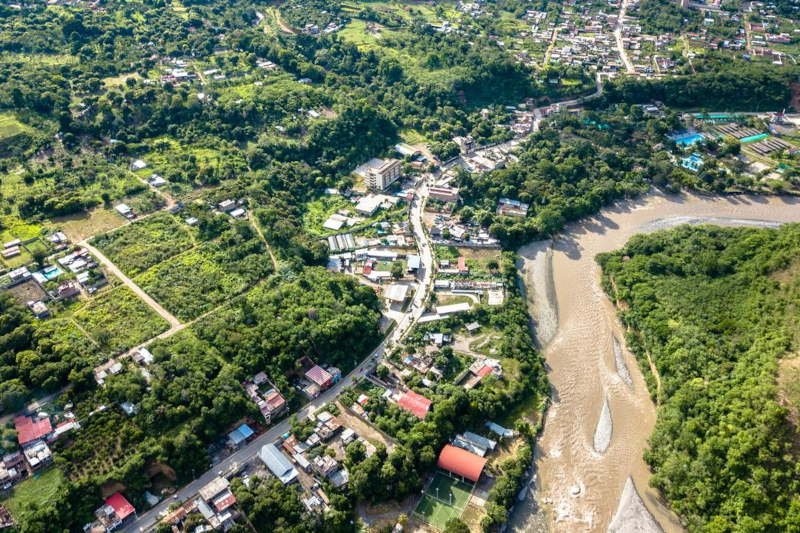
Most of this coffee is the product of luxurious cloud-covered valleys a few hours out of the city. In the center of the area is the town of Quillabamba, and its heart is the town of La Convencion. These hilly slopes characterize the reputation of Cusco coffee. The slopes are exploited by generations of farmers, who have plants that flourish in the mountain climate. This is where the story starts when people are referring to the Cusco high-altitude coffee.

The concern of quality goes way beyond the region. Peru is one of the leading producers of organic and Fair Trade coffee in the world. To most small family farms near Cusco, this translates to coffee farming in harmony with nature. Land is respected and the farmers do not use synthetic chemicals. That nurturing can be felt in each cup making a ritual of a final destination, a relationship with the Andes.

What Will I Actually See on a Coffee Farm? From Leaf to Cherry

Most visitors are taken by surprise after stepping to a coffee farm in the first instance. You do not go into neat rows or beanstalk type of vegetation, but an eco-friendly green space that is more akin to a jungle. The coffee plant is a low shrub, the glossy dark green leaves of the plant shine in the mountain sun. With an organic coffee tour in Peru, you will not see a long distance. You carry out walks among plants, stroke the leaves and observe the entire life cycle in detail.

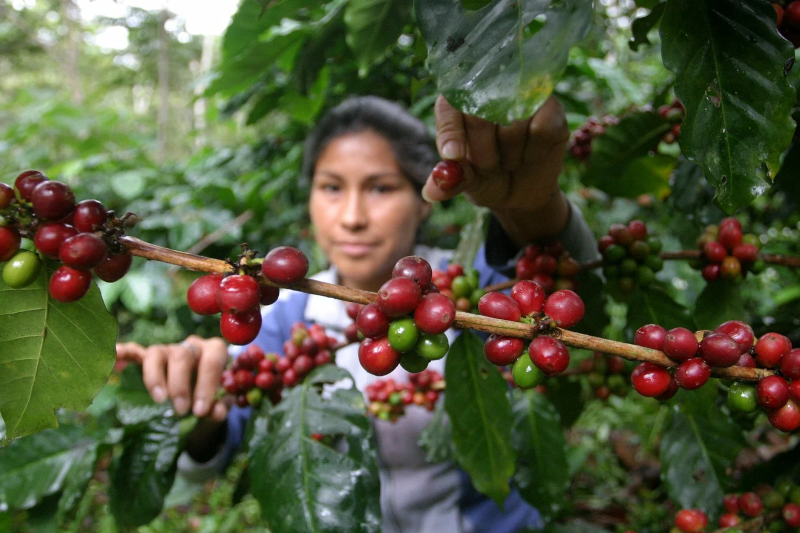
The secret of coffee lies on its branches. Beans that we grind and brew are not beans. These are seeds of a round fruit of small size known as coffee cherry. They appear as little green dots, yellow-bright fruit or dark red cherries in the best state of ripeness. These look like cranberries or little cherries. You may even choose one right out of the branch and touch its hard skin then you can see the two seeds inside.

Cusco Coffee Tour

Coffee Grows in Harmony with Nature

You are too much exposed to the growth of these shrubs. They are not placed under severe sunshine. Quite the contrary, they are cultivated in high local trees like banana and citrus. Farmers refer to this shade farming as such and it plays a major role in terms of taste. The shade slows down the rate of ripening and this allows the more sugar and fragile notes to be elevated. It is also where birds and insects can be found and, hence, the farm is a constituent of local Andean ecosystem.

It is seeing such fruit of the plants that the bean-to-cup procedure in Peru is actually commencing. Associate the beverage you are taking with a real plant and a location. Nevertheless, this is not the end of the change. Sweet fruit which had turned brown and hard beans are part of the harvest.

The Bean to Cup Journey, Part 1: The Art of the Harvest.

Just have a closer look at one of the branches of coffee and you will realize the challenge. All the cherries are not going to be ripe at the same time. There are hard deep red and green fruit closely interspersed on the same stem. That is why picking is not rapid instead of being a strenuous task. Major companies are more likely to do everything at the same time as machines. A mixture of juicy and unripe cherries makes it sour and black roasters mask this sourness with black roasts later.

The profession of a farmer plays an important role in this case. They pick the cherries selectively taking only hand harvested ones, and only those that are fully ripe. A very keen eye inspects each ruby-red fruit. It is a time-consuming and a time-consuming activity as in cherry-picking of the finest strawberries and letting others to grow. This is how the traditional Peruvian coffee is described and why it is sweet by Nature.

An interactive Coffee Tour in the Sacred Valley.

That is also when your Sacred Valley coffee experience becomes useful. You are provided with a basket and how to pick ripe cherries yourself you are taught. You can hear them cracking tenderly as they fall out of the branch. It is an extremely direct thing though it makes you come to the ground with the process. When you have good fruit in your basket so here goes on. The second one is the process of removing the bean of its sweet pulp which covers the bean.

The Bean to Cup Journey, Part 2: Fruit to Green Bean.

Cusco Coffee Tour

So what of that basket of and-so-bright red cherries you have just picked? The second strategy in the bean-to-cup process is the process of getting to the valuable seed-the bean, which is inside. Response to this is that, to get out of a fat plum the pit, you need to get out first all of the sweet mushy gump. They do this by washing it in the farm by the process called washing in which the fruit is washed off by water leaving behind the clean parchment-covered coffee bean. During your visit to Cusco during your coffee cooperative visit, you would get that chance to see the simple but ingenious machineries which makes this possible.

Sun, Patience and the Birth of the Green Bean

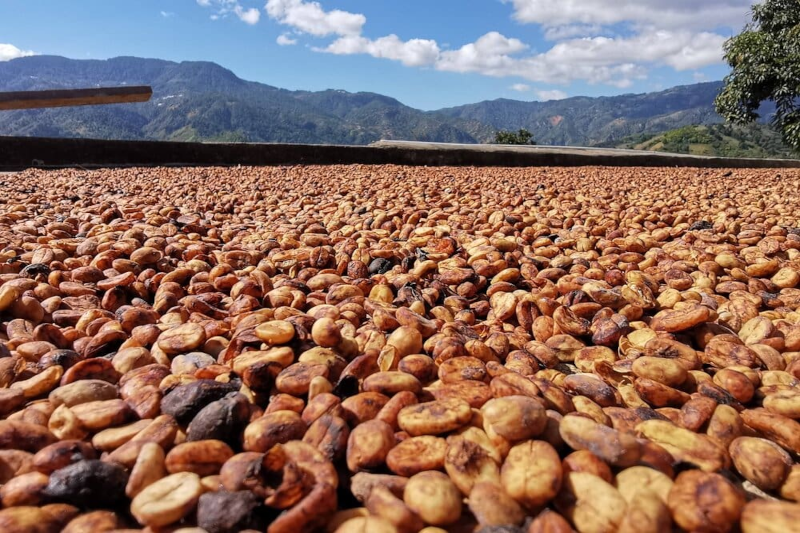
The beans are never fully dry after the wash but they need drying in a sensitive way so as not to spoil their quality. This isn’t a quick process. It is here you will see one of the most familiar scenes in the coffee production, immense raised beds or patios covered with a thin mantle of beans and drying in the Andean sun. The farmers will have to rake and turn the beans by hand during the days or even weeks in an attempt to make the beans dry out. It is a poem of the patient, the moisture which is poured into each bag of grade Peruvian coffee.

The Green Bean Pre-Ultimate Metamorphosis

What picking and washing and sun-drying is left to you leaves you after all a little bluish-green, hard, and sun-dried seed, a green bean. The most surprising part? It smells of grass, of hay, and not of the richness of odour which to us is a part of coffee. There have been many hours of development that have already taken place and the potential of the bean has been a secret. The final, magic change would require fire and heat, of which you will experience next.

The Reckoning Close: 

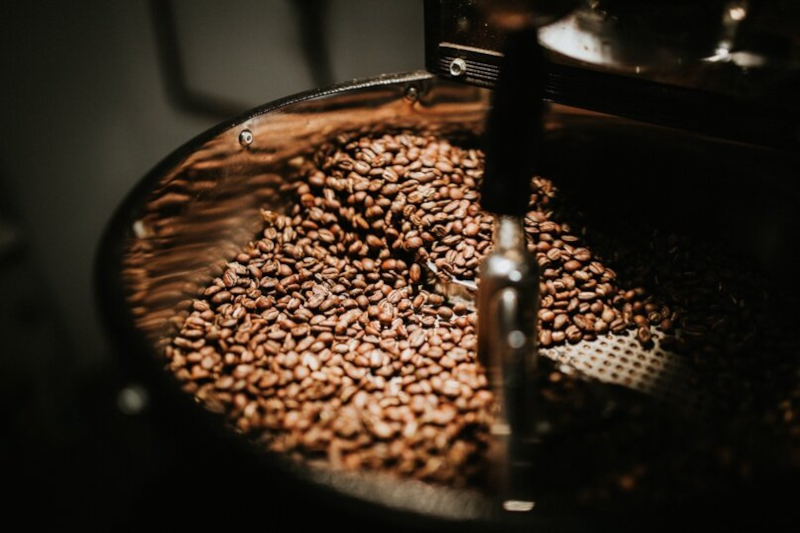
This is the point of culmination. The green beans are then placed in a small roaster which is a heated drum, and it slowly rotates with the coffee roasting inside the drum. Roasting has operations of toasting bread or melting sugar. The beans also change due to the heat and the aroma is quick to change. First is the smell of grass, but then comes warm and bready, and, finally, deep and rich. It is what defines the taste and proves the good art of traditional Peruvian coffee.

Then, there is the most delicious, which is tasting. Most tours are finished off by the simple coffee tasting session that aincludes the same beans as you have followed around the farm. No fancy rules here. This will be in order to savor the coffee and to know how the coffee really smells. It will be as much as the professionals and in a process that demands that all the details be unveiled.

Your guide keeps it easy. Is it also full and chocolatey coffee, or bright and citrusy? It is perhaps creamy smooth and nutty. That’s it. These tastes are fruit of a gradual evolution of the mountains which render Cusco coffee rich and harmonious. You even will then slurp the familiar slurp. it sprinkles the coffee on your palate, so that you have it all in one swallow. It is ridiculous, but at the same time, it is effective–it is a pleasant way of the transition between fruit and cup.

How to Choose and Book the Perfect Cusco Coffee Tour for You

Begin by the amount of time you possess. In case of time constraints, a half-day coffee tour in the Sacred Valley would suffice. These tours are more in touch with Cusco or Urubamba and they demonstrate the entire coffee process. The full day tour will be more detailed. These tours are more of into the deep jungle where beans are of good quality and the farmers take their lives trying to master their trade.

Smart questions to determine the best coffee tour organizations in Cusco to go on before booking include:

  • Is this a real working farm?
  • What time do we spend on the farm?
  • Will we meet the farmers?
  • Is the coffee tour predominantly coffee based?

Better experiences encompass good questions. They also enable your money to reach the local families and cooperatives. Most of the tours could be reserved on the Internet or in hotels however the most profitable tours could be described by their clarity on how they help the community.

Cusco Coffee Tour

Your Cup of Coffee Will Never Be the Same

Before, morning coffee was something you used to do. Now, it tells a story. You will envision mountainous Peru, the cherry of red, and the hands which set each bean out of the farm to your cup. It is no longer just coffee you drink, you know what our coffee is all about.

The next time you are at the cafe, find a single-origin Peruvian coffee. You take a swallow, and you can taste the traces of citrus or chocolate. Those are the flavors that have a direct connection with high-alter land where the coffee gradually grew.

More Than a Drink, a Connection to Place

A Cusco coffee tour cannot be called just a nice day out. It is an actual farm experience that makes you part of people, place, and tradition. You contribute to the local families and safeguard the land on which they rely by picking up tours benefiting sustainable coffee farming in Cusco.

Do not think of visiting Cusco–taste it. Tour the coffee farms and come back with the best souvenir ever and that is the appreciation of what is in your cup.