In the heart of the Andes, a region steeped in rich history and culture, lies a cherished herbal tradition: the consumption of coca tea. Known for its unique properties and cultural significance, coca tea is more than just a beverage. It is a window into the ancient practices of Andean civilizations. This article will delve into the rich tapestry of coca tea’s history, cultural significance, and its role in modern Peruvian society.

Understanding the cultural context of coca tea not only enriches your travel experience but also offers a deeper appreciation for the intricate tapestry of traditions that define Peru’s sacred valley and its surrounding regions. The journey of coca tea from ancient rituals to contemporary use is a testament to the resilience of Andean culture.
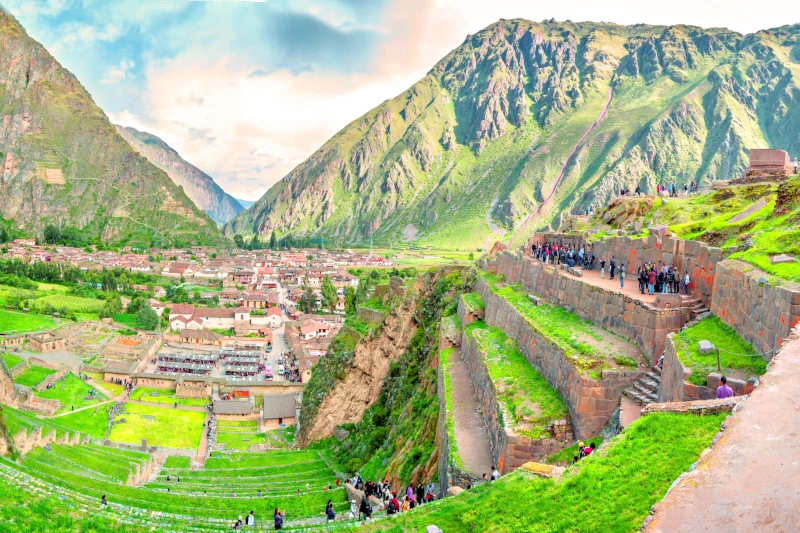
Nestled between majestic peaks, the Sacred Valley of the Incas stretches across a landscape of breathtaking beauty and historical depth. In fact this fertile region was once a key area for the Incas, providing the agricultural bounty. Today, it continues to be a vital cultural hub, where ancient traditions are preserved and celebrated.
Coca tea, or “mate de coca,” is a staple in the Sacred Valley, It is known for its health benefits and its role in acclimatization for travelers exploring high-altitude areas like the Salkantay Trek or the Inca Trail. For centuries, the indigenous people have utilized coca leaves to combat the effects of high Cusco elevation, such as fatigue and altitude sickness.
The daily consumption of the tea in the Sacred Valley is not merely for health; it is also a ritual that connects the people to their ancestors. Each cup of coca tea shared among friends and family is a nod to the deep-rooted traditions that have been passed down through generations.
Travelers embarking on treks through the Andes, such as the Salkantay Trek or the renowned Inca Trail, often encounter the challenges of altitude. Moreover it serves as an effective natural remedy to alleviate these effects, helping to reduce symptoms like headaches and dizziness.
The traditional use of coca tea for acclimatization highlights the profound understanding the indigenous people have of their environment in Cusco. The psychological comfort it provides to trekkers enhances the travel experience, making it more enriching and immersive.
While coca tea remains a traditional staple, its presence in modern society is a testament to the enduring legacy of Andean culture. Local communities have integrated coca tea into contemporary settings, ensuring its survival amidst globalization.

Efforts to preserve coca tea traditions in the face of modern challenges speak to the resilience of the Andean people. Workshops, cultural tours, and community events ensure that the story of coca tea continues to be told and celebrated.
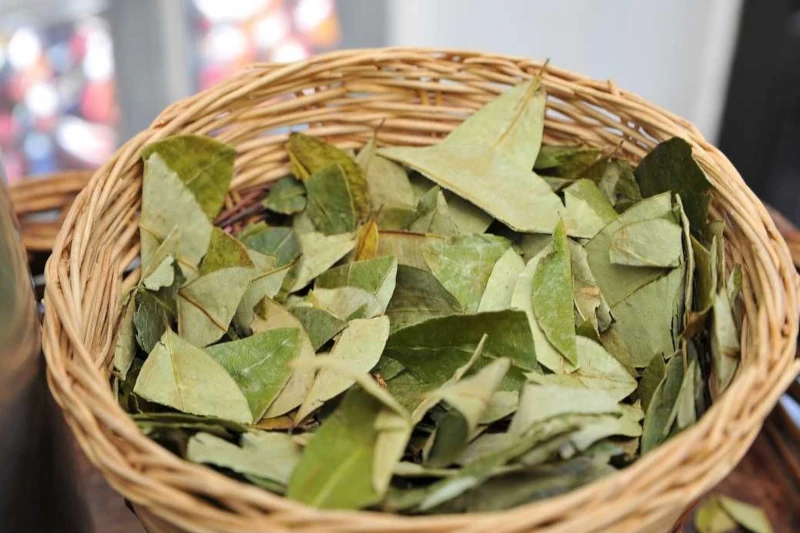
The use of coca leaves dates back to ancient Andean civilizations, long before the rise of the Inca Empire. Archaeological evidence suggests that coca was cultivated and revered for its sacred properties as early as 3000 BCE.
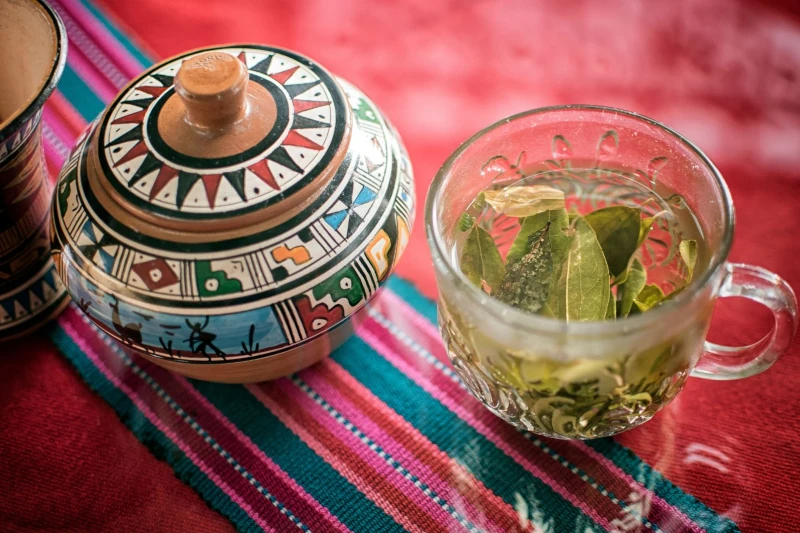
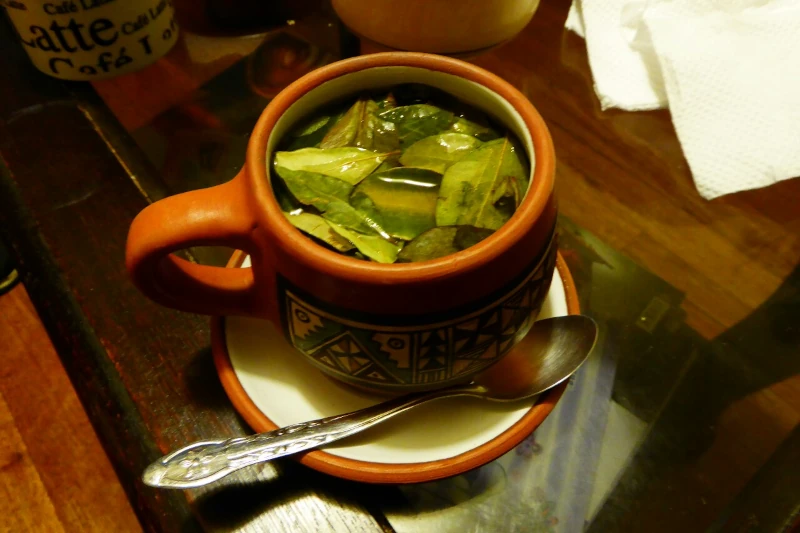
In modern times, coca tea remains a popular beverage across Peru. Its preparation is simple: coca leaves are steeped in hot water, releasing a mild, earthy flavor and a subtle energy boost.
The Quechua word “coca” signifies “plant” or “tree,” highlighting its revered status. Language serves as a vessel for cultural preservation, connecting coca tea to the Andean worldview.

Coca leaves have played a significant role in Andean spirituality, serving as a bridge between the physical and spiritual worlds. Ancient rituals continue to influence modern ceremonies.
Sharing the tea fosters camaraderie and respect among those who partake. The ritual reflects Andean principles of reciprocity and harmony.
Beyond drinking, coca leaves are incorporated into soups, desserts, and remedies. Their versatility underscores the holistic approach of Andean cultures to health and nutrition.

It introduces visitors to Andean traditions while supporting sustainable tourism. Engaging in eco-friendly city tours fosters cultural appreciation and community development.
Coca tea offers a unique lens through which to explore the Andean way of life. Adittionally by participating in this tradition, travelers gain deeper insights into Peru’s history and culture.
As you sip this sacred brew, you partake in a cultural legacy that continues to thrive. Coca tea embodies the enduring spirit of the Andes, connecting tradition, modernity, and nature.