Planning a trip to Peru? Cusco, the historic heart of the Inca Empire, is a must-visit destination. This city is brimming with cultural riches, stunning landscapes, and a vibrant history that draws travelers from all over the globe. The Cathedral of Cusco is must visit monument to really engage in the cultural context of Cusco . Here also, we’ll explore some other fascinating sites that should be on your travel itinerary.

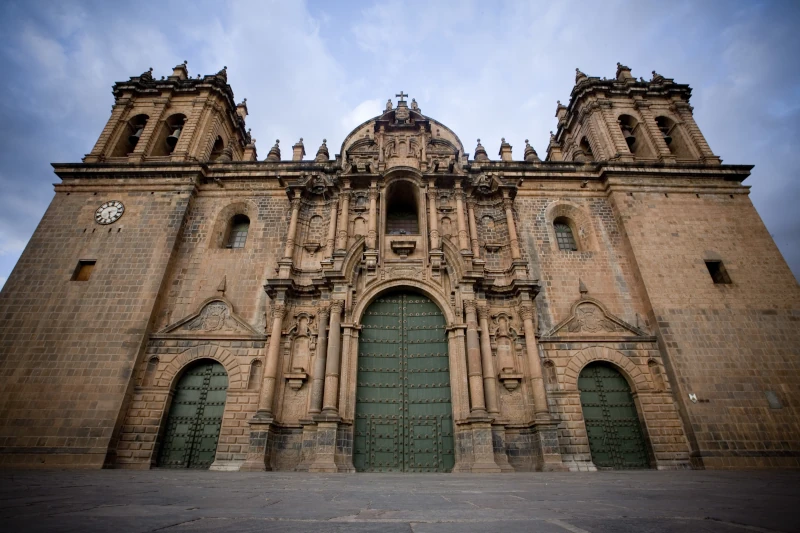
The Cusco Cathedral, also known as the Cathedral Basilica of the Assumption of the Virgin. The cathedral as a monumental testament to the rich history and cultural fusion in the region. Built between 1560 and 1654, this magnificent structure was erected on the foundations of Viracocha Inca’s palace, signifying the transition from Inca to Spanish rule. This transformation is vividly captured in the architectural design. In fact blends Gothic, Renaissance styles, and Baroque styles, reflecting the diverse influences that shaped Cusco’s identity.
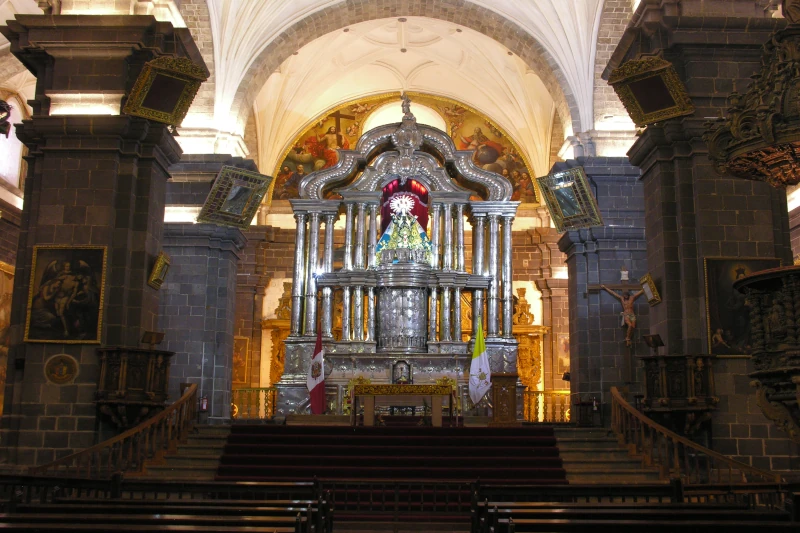
As you step inside, prepare to be mesmerized by the intricate woodwork and the sheer grandeur of the interior of the Cathedral of Cusco. The carved choir stalls, pulpits, and altars are masterpieces of colonial craftsmanship. The main altar, made of silver, stands as a shining beacon of the opulence and craftsmanship of the colonial era. Each corner of the cathedral tells a story, with over 400 colonial paintings, including the famous depiction of the Last Supper with a guinea pig as the main dish, offering a unique fusion of Andean and European traditions.
Beyond its architectural grandeur, the Cathedral of Cusco serves as a spiritual haven and a cultural repository. It plays a pivotal role in the religious life of the city, hosting numerous festivals and processions that draw locals and tourists alike. The cathedral is not just a place of worship but a symbol of Cusco’s rich cultural tapestry. Nevertheless adding sight to a complex past and religious evolution. Visiting this iconic landmark provides a profound appreciation of the harmonious blend of cultures that defines Cusco.
The Sacred Valley, with its breathtaking landscapes, is a testament to the natural beauty that Peru has to offer. Nestled between the Andean mountains, the valley is a place where nature and history converge. The lush greenery, rolling hills, and terraced fields create a serene and tranquil environment that invites exploration and reflection. It’s a place where the past and present coexist, offering a unique perspective on the Inca civilization.
Pisac is a gem of the Sacred Valley, renowned for its vibrant market and impressive Inca ruins. The market is a bustling hub of activity, where locals and tourists alike gather to trade goods and stories. It’s the perfect place to pick up handmade crafts, textiles, and souvenirs that reflect the rich cultural heritage. The ruins of Pisac, perched high above the town, offer stunning panoramic views of the valley and a glimpse into the ingenuity of Inca urban planning and architecture.
Ollantaytambo is a town steeped in history, boasting some of the most well-preserved Inca ruins in Peru. The fortress of Ollantaytambo Inca engineering marvels, showcasing the precision and skill of Inca engineering. Its massive stone terraces, strategically built into the mountainside. The incas were a civilization that was both technologically advanced and deeply connected to its environment. The town itself is a living museum, with its narrow streets and ancient stone buildings offering a window into the past.

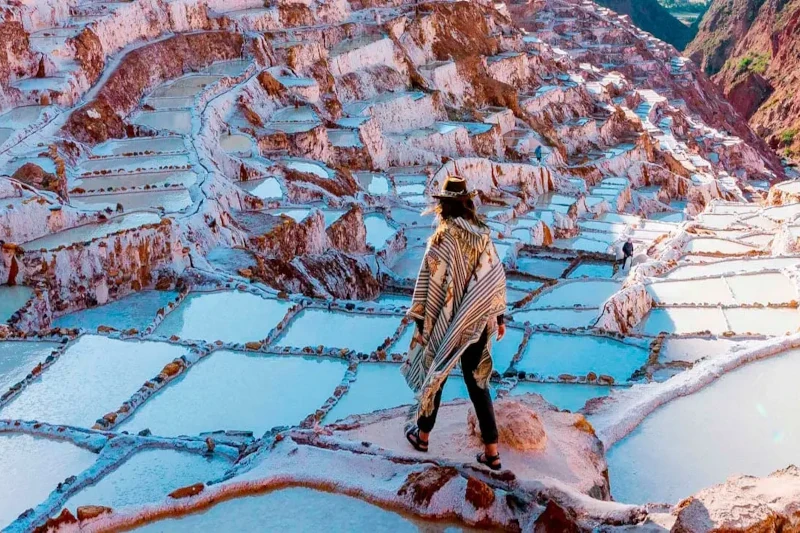
The circular terraces of Moray are a fascinating archaeological site, believed to have served as an agricultural laboratory for the Incas. These terraces demonstrate the sophisticated understanding the Incas had of microclimates and agriculture. Nearby, the Maras salt mines present a striking contrast with their white salt pools cascading down the mountainside. This unique landscape is a testament to the ingenuity and resourcefulness of the Andean people, who have harvested salt here since pre-Inca times.
The Sacred Valley is more than just a collection of historical sites; it’s a vibrant cultural experiences in the Sacred Valley that offers a deep connection to the traditions and lifestyles of the Andean people. From traditional music and dance to culinary delights, the valley is alive with cultural expressions that enrich the visitor experience. Engaging with local communities, participating in traditional ceremonies, and savoring authentic cuisine provide invaluable insights into the cultural richness and diversity of the region.
While the Sacred Valley often steals the spotlight, the South Valley of Cusco is a hidden gem that’s worth exploring. Less crowded and more tranquil, this region offers a different perspective on the region’s history and culture. With its stunning landscapes and lesser-known archaeological sites, the South Valley invites visitors to delve deeper into the stories of ancient civilizations that once thrived here. It’s a place where exploration and discovery go hand in hand, offering unique insights and unforgettable experiences.
Tipón is an archaeological site that showcases the advanced engineering skills of the Incas. Known for its impressive irrigation systems, the site features terraces and water channels that continue to function to this day. These systems reflect the ingenuity of the Inca civilization, which was adept at manipulating the natural environment to sustain their agricultural practices. Exploring Tipón offers a fascinating glimpse into the technological prowess and agricultural wisdom of the Incas.
Pikillaqta, a pre-Incan city built by the Wari culture, provides a unique insight into the history before the rise of the Inca Empire. The site is characterized by its grid-like layout and distinctive architecture, which differ markedly from Incan constructions. Walking through Pikillaqta is like stepping back in time, offering a rare opportunity to explore the remnants of a once-thriving civilization that laid the foundations for future cultures in the region.

Cusco City, with its historic center designated as a UNESCO World Heritage Site, is a living museum of history and culture. The city’s narrow cobbled streets, colonial buildings, and vibrant markets create an atmosphere that is both timeless and dynamic. Walking through Cusco is like stepping into a tapestry of history, where every corner tells a story of the city’s past and present. The blend of Incan and Spanish influences is evident in the architecture, art, and daily life, making Cusco a unique and captivating destination.
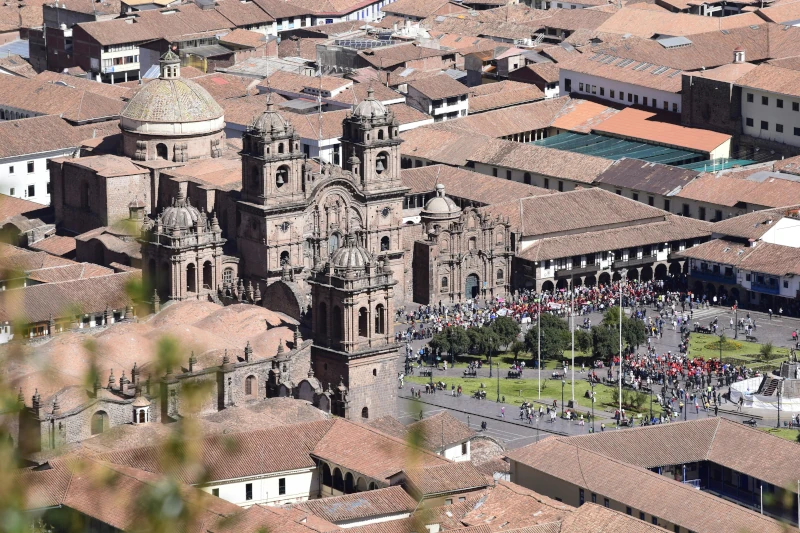
The heart of Cusco, Plaza de Armas, is a lively square surrounded by stunning colonial architecture, including the Cathedral city of Cusco and the Church of La Compañía de Jesús. The square is the perfect spot to soak in the vibrant atmosphere, enjoy a cup of coca tea, and watch the world go by. It’s a place where locals and tourists alike gather to celebrate festivals, enjoy performances, and experience the cultural vibrancy that defines Cusco.
Once the most important temple in the Inca Empire, Qorikancha is a fascinating site that showcases the blend of Incan and colonial architecture. The temple’s walls were once covered in gold, reflecting the wealth and power of the Incas. Today, the remnants of the temple stand alongside the colonial convent built by the Spanish. In fact creates a striking contrast that tells the story of Cusco’s complex history. Visiting Qorikancha provides a profound appreciation of the cultural fusion and historical layers that define the city.
Cusco is a city that comes alive with cultural events and festivals throughout the year. From the vibrant celebrations of Inti Raymi, the Festival of the Sun, to the colorful parades of Corpus Christi. The city’s calendar is filled with opportunities to experience the rich traditions and vibrant spirit of the Andean people. Participating in these events around the Cathedral of Cusco offers a unique insight into the cultural heritage and communal life of Cusco, making your visit a truly memorable experience.

Cusco is located at a high altitude, so it’s important to give yourself time to acclimatize. The city’s elevation can pose challenges for some visitors, so taking it easy on your first day and staying hydrated is key. Consider drinking coca tea, a traditional remedy that can help alleviate symptoms of altitude sickness. By allowing your body to adjust gradually, you’ll be able to fully enjoy the sights and experiences Cusco has to offer.
Consider hiring a local guide or joining Cusco tour packages to get the most out of your visit. A knowledgeable guide can provide valuable insights into the city’s history, culture, and appreciation of the region. They can also help you navigate the city’s many attractions, ensuring that you make the most of your time in Cusco. Whether you’re exploring archaeological sites or discovering local markets, a guide can enrich your experience and provide a deeper connection to the city.