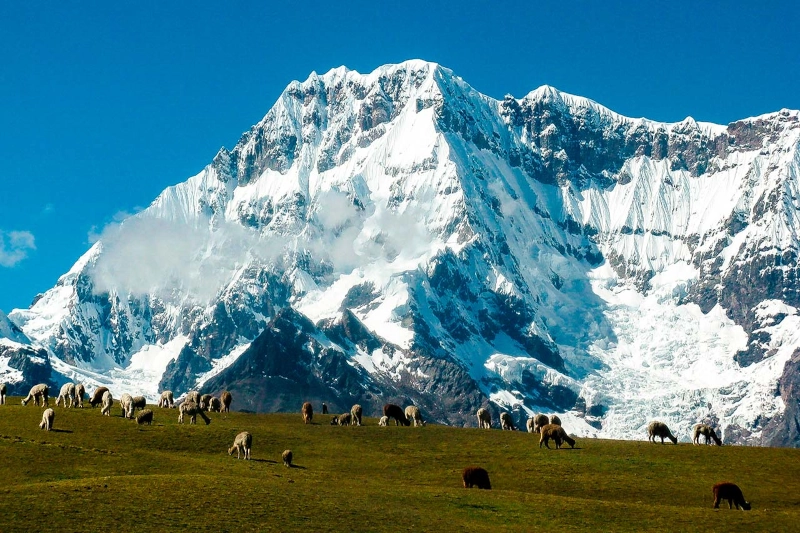
The Ausangate region has tall mountains and calm lakes. It is a sacred place for the Quechua people. The mountain, called Apu Ausangate, is seen as a powerful spirit of the Andes. This area shows the strong bond between the Andean people and nature, a connection that has lasted for centuries.
The Sacred Valley is more than a location; it is full of culture and history. Civilizations have lived here for thousands of years. The valley has many archaeological sites, each telling stories of the past. The bright colors and detailed designs of traditional textiles reflect the valley’s rich culture.
Apu Ausangate is more than a mountain; it is a sacred spirit for the Quechua people. Locals make annual pilgrimages and offerings to honor this powerful deity. These rituals help maintain balance between nature and the spiritual world, bringing harmony and prosperity. Watching these ceremonies gives insight into Andean spiritual life.

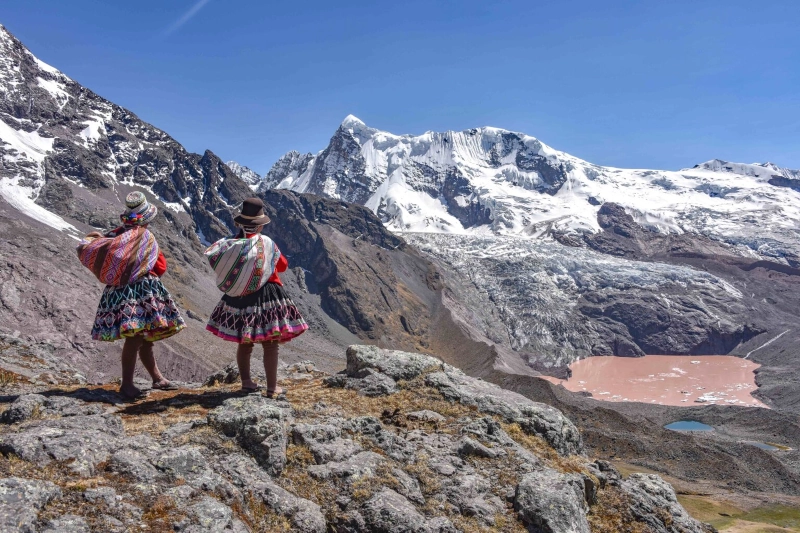
The Quechua people of the Ausangate region protect a rich cultural heritage. Their lives are closely connected to the land through farming, crafts, and spiritual practices. They keep their language, customs, and knowledge alive through stories and community life, showing a way of living that has lasted for centuries.
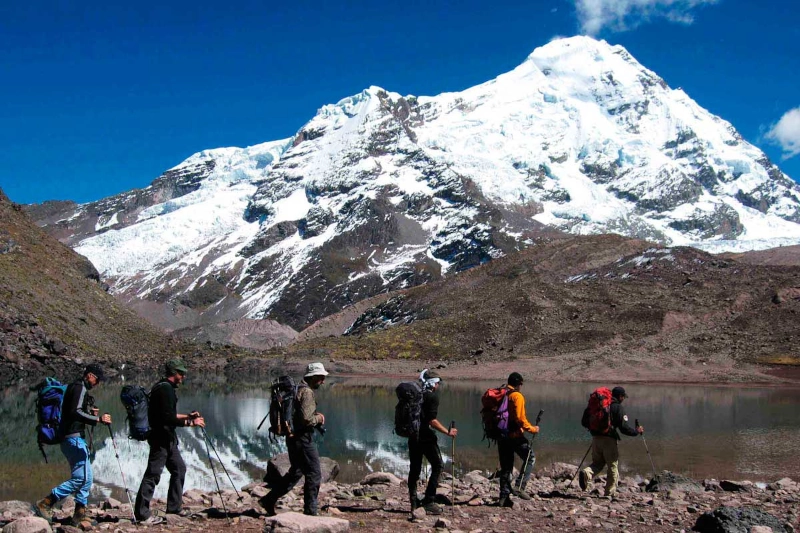
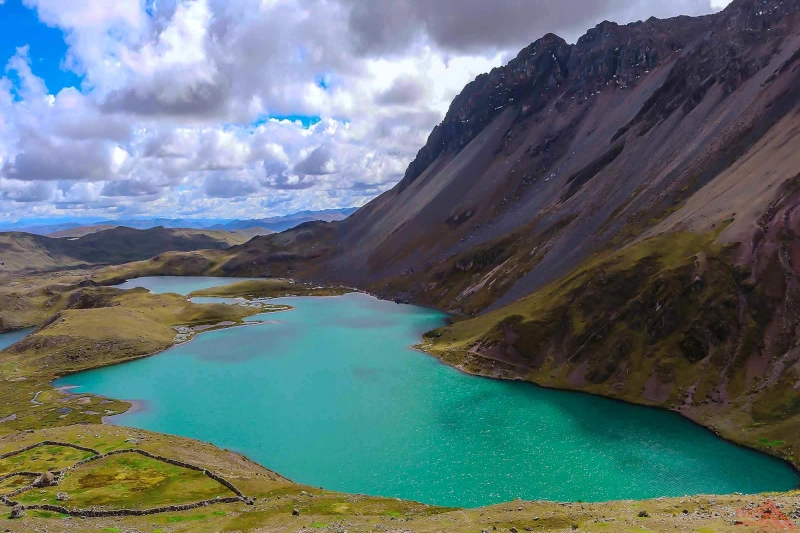
The Ausangate 7 Lakes trek offers amazing views and a look into Andean culture. You will see lakes of different colors, from deep blues to bright reds, each with its own story and meaning.
The trek reaches heights of 4,200 to 5,000 meters above sea level. Spend a few days in the city first to adapt to the Cusco elevation, and drink coca tea to help your body adjust. This preparation helps you enjoy the trek safely and comfortably.
Spend time in Cusco’s attractions before the trek. Light activities and drinking water help your body adjust to lower oxygen levels. Avoid alcohol and heavy meals, so your body can focus on acclimatizing. This preparation helps prevent altitude sickness.
Pack carefully for the Ausangate trek. Wear layered clothes because temperatures change during the day. Bring hiking boots, a hat, sunglasses, sunscreen, a water bottle, and snacks to stay comfortable and energized.
Consult your doctor before the trek, especially if you have health issues. Bring a basic first-aid kit and necessary medications. Stay with your guide and group in remote areas. Listen to your body and don’t overexert yourself.
Guided tours offer many benefits. Guides share stories about the land, lakes, and mountains, helping travelers understand the culture and environment. They also give safety tips and show the best paths to make the trek easier and more enjoyable.
Local guides know the terrain, weather patterns, and historical background of the region. Their knowledge ensures your safety, helps you navigate the trails, and enriches your experience by connecting you to the stories and traditions of the Andes.Local guides know the terrain, weather patterns, and historical background of the region. Their knowledge ensures your safety, helps you navigate the trails, and enriches your experience by connecting you to the stories and traditions of the Andes.
The lakes and mountains are full of legends. Guides share tales of gods, mythical creatures, heroes, and local rituals. These stories give travelers a deeper understanding of Andean traditions and help bring the landscapes to life.
Guides also teach visitors how to minimize waste, respect wildlife, and leave no trace. By following these sustainable practices, travelers help protect the fragile ecosystem and preserve the natural and cultural heritage of the region for future generations.
Embarking on the Ausangate 7 Lakes day trip is a one-of-a-kind experience. It gives you stunning views and a chance to see the heart of Andean culture. The trek passes through many different landscapes, and each lake shows a different color, from deep blues to bright reds. Unlike the well-known Humantay Lake, each of these lakes has its own unique story and special meaning, offering a fresh perspective on the beauty of the Andes.

Minerals and glacial water create the lakes’ colors. In the morning, they often look deep blue. By midday, they turn turquoise or green, and later can show red and purple. Photographers will love the changing colors.
Copper, iron, and algae in the water interact with sunlight to produce these colors. Knowing this makes the lakes even more interesting.
Early morning and late afternoon are the best times to take photos. Use a tripod or polarizing filter to capture reflections and vivid colors.
The lakes also engage your senses. The fresh mountain air, the sound of wind, and the quiet surroundings create a peaceful experience. Sitting by the lakes can feel meditative.

Plants in the Ausangate region adapt to high-altitude conditions. Wildflowers and shrubs add bright colors to the landscape. Many plants have traditional medicinal uses, showing the Quechua people’s close connection to nature.
The region is home to many plants and animals. You may see Andean condors flying above or rare spectacled bears in the valleys. Conservation helps protect these species and their habitats.
Spectacled bears are rare and shy, often hiding in the high Andean forests. Their unique markings around the eyes make each bear distinct. These bears play an important role in the ecosystem by spreading seeds and maintaining plant diversity. Protecting their habitats is essential for their survival and for keeping the Andean environment healthy.
Andean condors have wingspans up to 10 feet and soar gracefully over mountains and valleys. They play a key role in the ecosystem by cleaning up carrion. Watching them fly is both breathtaking and inspiring.

The Ausangate trek is cultural as well as physical. Ancient ruins and traditional villages show Andean life. Weaving, textiles, and patterns tell stories about heritage and identity.
The Quechua language is a key part of cultural identity. Visitors are encouraged to learn a few phrases to connect with locals.
Despite historical challenges, Quechua is still widely spoken. It preserves oral history and cultural knowledge. Teaching Quechua in schools helps protect this heritage.
Weaving is an important tradition. Patterns and colors represent nature, community, and spirituality. Visitors can watch or even join workshops to learn the craft.
Festivals show Andean identity and community. Music, dance, and costumes bring traditions to life. Participating helps travelers connect with local culture.
Conservation is key to protecting Ausangate’s nature and culture. Sustainable tourism reduces impact on the environment and local communities.

Tourism supports the local economy. Choosing responsible travel options helps preserve culture and create jobs. Buying crafts, hiring local guides, and trying traditional dishes gives back to the community.
Sustainable tourism helps Quechua people maintain traditions and earn income. Supporting local businesses strengthens the community.
Travelers should minimize waste and avoid single-use plastics. Using eco-friendly accommodations and tours helps the region.
Local groups educate travelers and residents about preserving culture and nature. Awareness encourages respect and responsible actions.
The Ausangate 7 Lakes trek is more than a hike; it’s a journey through history, culture, and nature. Connecting with the land and people enriches your understanding of the Andes. The trip leaves lasting memories and inspires further exploration.
Embark on this adventure with an open heart and mind, and let the stories of Ausangate inspire and enlighten you. Whether you are a seasoned traveler or a cultural enthusiast, the Ausangate 7 Lakes day trip promises an experience that will stay with you long after you return home.
Take time to think about your experiences. The landscapes, people, and stories create memories and deepen your appreciation of Andean life.
Sharing your journey can inspire others to visit Ausangate. Photography, storytelling, or social media helps raise awareness and promote conservation.
The trek is just the beginning. Exploring more of the Andes through other famous routes like the Salkantay Trek, the Inca Trail, or the colorful Rainbow Mountain will deepen your connection to the land and its people. Each of these treks offers unique landscapes, cultural experiences, and breathtaking views, while supporting local communities and preserving the traditions and heritage of the region.