Many travelers land in Cusco, the ancient capital of the Inca Empire, eager to explore and begin their cultural tours Peru experience. They are soon confronted by a major dilemma, though, to continue in this high-altitude metropolis or go directly to the lower Sacred Valley? This option determines the beginning of the journey and comfort level.
Cusco is a great historic capital. As you move around in the capital square, what strikes you is a huge Spanish cathedral erected on the ruins of an Inca palace. This contradiction is a clear indication of a stratified history of Peru. Instead of burying the past the city presents it on the surface. Onwards you find you can view the exact Inca stonework holding colonial buildings. In the meantime, there are carved balconies facing vibrant streets. The museums, cafes, the 12 angled stone, and galleries will be calling you in. Music and talking are used at night in the plazas. Therefore, Cusco is both archaic and lively.

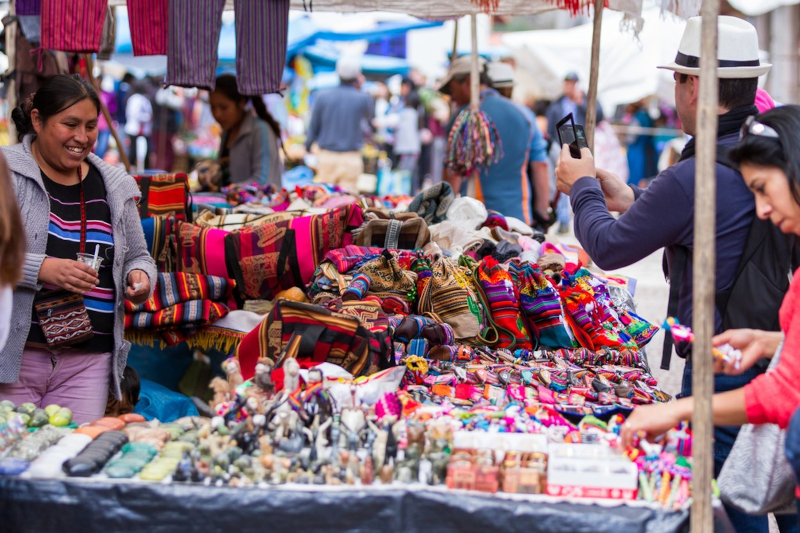
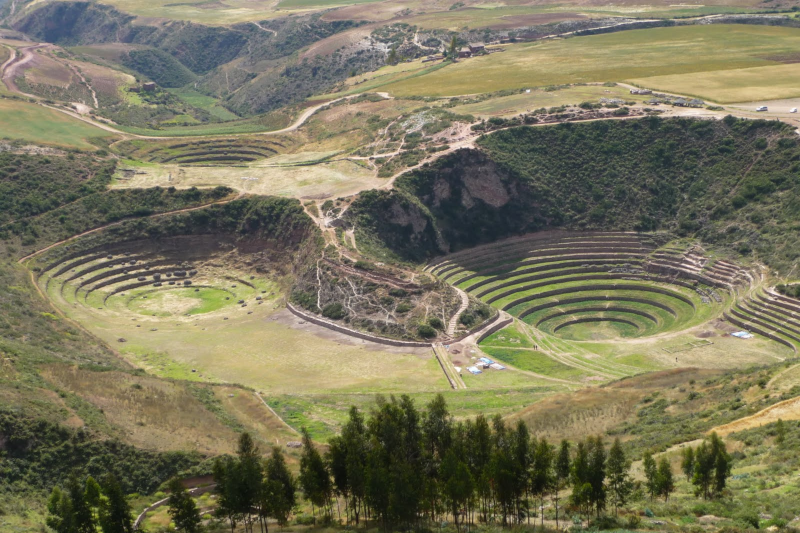
Sacred Valley in its turn has open scenery and a less aggressive beat. Urubamba River passes through the fertile fields and traditional villages. In this case, ancestral knowledge is still applied in farming by many families. Consequently, culture has a direct relation to the land. The traditions are also revived through local markets. In Pisac, the makers of bright textiles and artisans sell items that are made by hand. Close to terraces and ruins one can see how Incas were able to handle agriculture. Therefore, visitors are exposed to culture as a living cultural phenomenon and not rooted in the past.
So, where should you begin? A lot of veterans recommend making a beginning in the Sacred Valley. Cusco is elevated at 11,152 feet, and such an elevation could be challenging. Sacred Valley is at an elevation of approximately 9,000 feet. Due to such a distinction, your body is more relaxed. First, you rest and hydrate. Then, you wander leisurely about. Therefore, you decrease the possibility of headaches or fatigue. You will be able to enjoy Cusco in a later time with increased energy. Such a basic plan is the one that usually changes the whole trip.
A significant number of the travelers consider the Inca Trail as a bucket-list hike. Indeed, it puts a strain on the body. Nonetheless, the Incas did it as a spiritual motivation. The route was modeled after the Machu Picchu pilgrimage by them. Consequently, every part of the piece had a meaning. The travel process had been a preparation in and of itself in order to arrive at some advanced place.
The Incas did not follow the quickest route. They instead made a symbolic path by mountains and cloud forests. Sacred areas and high passages were traversed by the travelers. The stages were anticipatory and reflective. Further, the ruins on the path had definite purposes. There were rituals supported by some and those that helped in food production or control. An example is the Phuyupatamarca or the “Town Above the Clouds, which provided some strategic views. Line after line, the path seems to be a stone cut story.
Above all, the territory was powerful spiritually. Incas hold that there were gods on snow-capped mountains called Apus. Constructors oriented the path to their praise. So, the path was taken to the geography of sacredness. By hiking the Inca trail, there is more than walking. You are moving in a world that is defined by faith and admiration of nature. By doing so, the trek does not only become an adventure but it also turns into cultural immersion. Each transgression, destruction and ravine is an added sense to the trip.
Cusco is the spiritual core of the world of Inca. In the meantime, Lima is a food culture person. Lima is a stopover destination to many travelers. But there is a significant element of Peru that that strategy lacks. There is a reason why the city speaks volumes based on taste, heritage and blending. Thus, Lima is worth a visit in any cultural tour.
Begin with ceviche which is the national dish of Peru. Manufacturers make it out of fresh fish, lime juice, chili, and onion. The fish is stiffened by citrus and it enhances the taste. Through this, every bite is fresh and bold. This meal in itself brings about the influence of the pacific coast. However, the food in Lima is much more than seafood.
The city represents years of migration. Chinese immigrants of the 19 th century influenced the current Peruvian Chifa. They had mixed Cantonese style with the local ingredients. Subsequently, the cuisine of Nikkei was motivated by Japanese immigrants. They brought together accuracy of Japanese and the Peruvian biodiversity. Therefore, the food scene in Lima is diverse and creative. A combination of vegetables (stir-fry) plus soy sauce may be as Peruvian as indigenous potatoes.
A food tour allows you to be a part of this narrative. The markets may be of unusual fruits. You may also get to know how to make the best Pisco Sour. You may find some delicious recipes in the small family restaurants. Thus, culture in Lima exists on the plate. It develops, evolves, and embraces new concepts. This culture of the living finally unites the coast, Andes and desert. In Peru past and present converge–and they converge at the table.

That nostalgic feeling of a stratified past is quite apparent in the deserts of the south of Lima. Even before the rise of the Inca Empire, other excellent pre-Inca civilizations flourished in the area. They abandoned behind them history that is even older than Machu Picchu. The Nazca culture was considered to be one of the most interesting ones and it was developed over 1,500 years ago. They preferred to paint the desert instead of constructing their buildings using stone. They were the people who made some of the most enigmatic music on earth.
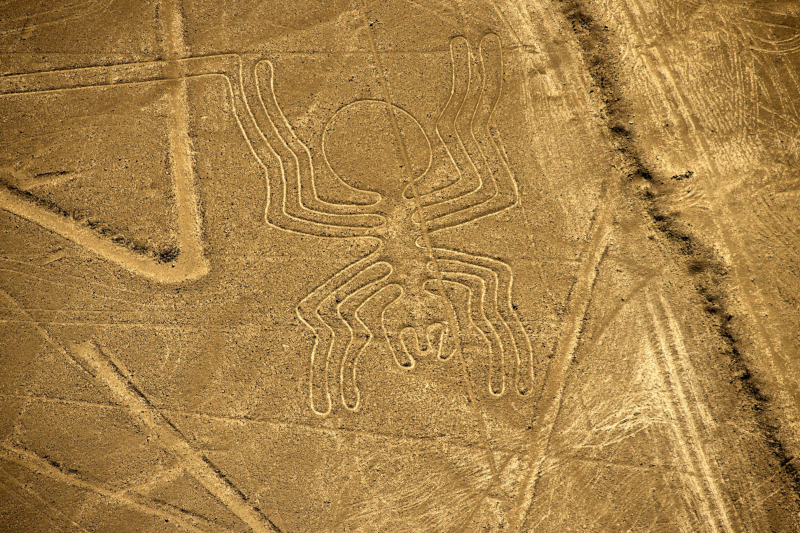
There are hundreds of giant drawings on the sea of the desert. We are familiar with them as the Nazca Lines. Such geoglyphs depict hummingbirds, monkeys, spiders and giant geometric shapes. Other designs are enormous in their size that only by air can they be fully seen. They were planned very carefully by the Nazca. They cleared off the pebbles dark and sun-baked on the surface, disclosing the light soil underneath. Due to the extreme dryness of the region, these lines have been preserved every year. Consequently, they continue to be among the most significant archeology mysteries of the world.
And what is it that made the Nazca create them? Archaeologists refer to human meaning as some of the theories have the extraterrestrials. There are numerous scholars who associate the lines with religious practices. These routes were probably taken in ritual processions by communities. They carried out rituals in order to worship mountain and sky gods. Most importantly, they asked God to send them water during such a desolate climate. The connection that existed between people and nature formed the worldview of the people.
Such spiritual attachment to the land exists in the Andes nowadays. It is used to influence day-to-day life and social values. When you pass the Sacred Valley, you get to see the heirs of the Incas, the Quechua people. The great stone cities were constructed by their fore fathers. The contemporary society upholds culture by color and craft. Weaving is one of the ways they preserve traditions. It provides you with a window of the real culture by visiting Sacred Valley communities. You have traditions being transferred through generations of parents to children.
Wearing in these villages speaks like a language. Colors and patterns have a meaning. Never merely decorate cloth, bright reds, dark blues and warm yellows do. Some of the designs depict the origin or marital status of a person. The shares of other people are the symbols of ancient myths. When you go to a textile clothes workshop you see this in practice. One step is shown by artisans patiently. You know how they get their red dye used in cochineal insects. You get a glimpse also of a backstrap loom. The process has remained almost the same over centuries.
Tradition is cultivated as well out of a profound spiritual world idea. Pechamama or Mother Earth is the focus of many beliefs of Andean people. They consider the earth as an alive being. She receives and returns in equal measures. Human beings convey this belief by doing something uncomplicated in their everyday lives. An example is that a guide will pour a little bit of a beverage to the floor and then take a drink. This act is a way of giving worship to Pachamama. It is a respect and gratitude done in a kind wordless sense.
These customs make you look at Peru differently. You become a participant rather than an observer. When the individual visits a community weaving cooperative, it seems personal. You help artisans directly and you even study with them on a personal basis. You can even listen to Quechua words and narratives. These are the instances of genuine interrelationship. In some permanent connection they connect you to the spirit of the living Andes.

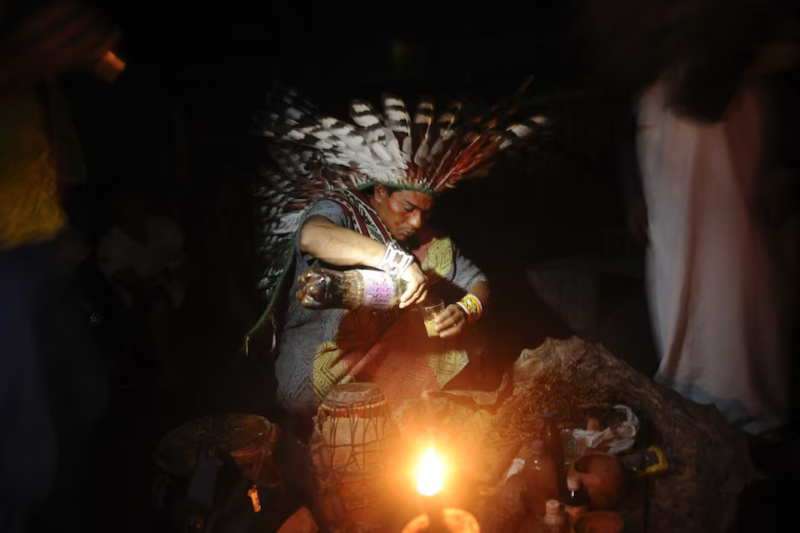
The other world beyond the Andes is the Peruvian Amazon. Mountain peaks are substituted with Lush forests. Rivers replace stone roads. In this instance, spirituality relates well to nature. The shaman is a focal figure to many communities in Amazonia. A shaman is healer, guide and knowledge holder. The wisdom of the members of the community is honored. They have their skills as a result of years of learning and practice. They learn botany and natural medicine.
Tourists will frequently become interested in shamanism. A valuable introduction remains cool and informative. It does not pursue radical experiences. On the contrary, hurry up or commercialized rituals may cause hazards. Real life experiences are about learning and respect. Tourists can also participate in a soft washing ceremony using flowers or scented water. Lessons in ethnobotany take part in some walks. A shaman can talk about how plants cure or how they can construct shelters. These experiences put emphasis on knowledge rather than spectacle.
Mindfulness is an important fact when studying this culture. Responsible travel appreciates exchange and not consumption. Ethical tours also collaborate with local community healers. These medicine men pass the traditions to maintain them. They do not act at the performance. Cultural continuity can be encouraged with your visit that is well done. Meanwhile, you can see the wisdom of the Amazonians. This method assists you to select experiences that can be consistent with your values. You become more respectful and understanding of the rainforest and its people in the end.
There are a lot of cultural tours in Peru and every one of them may seem impressive to visit. Nonetheless, it is usually other than just a blogger who can lead you to the real Peruvian places. A good tour requires a local guide that has personal accounts and factual settings of the culture. They transform the ancient stones into historical life. Instead of having dates, they narrate how it was like each day in the Andes, or they provide an account of what a certain Andes festival entails. This human relationship makes it not-so complicated to remember a journey..
The mode of operation of a tour is just as much as the guide. A moral form of traveling gives this a good scrutiny. It is important that small groups, preferably no more than 12 people, are used. They have fewer adverse effects on the environment and bring more authentic experiences. You interact more freely when you are in a market or village. You come as a welcome guest, not belonging to a crowd. This leads to the gain of both the travelers and communities. Gain more understanding and locals get more respectful tourism.
To apply them, posing clear questions during the booking is important. Assertive customers talk up. An honest operator will respond freely and in detail.

Initially, a lot of tourists associate Peru with only one image of Machu Picchu. Soon, that image expands. Instead, you begin to perceive a bright album. The history of Peru is not just about the stone ruins. It breeds also in fresh ceviche, the Nazca desert lines, and the designs of the hand-made blankets. Every experience is added and enriched.
This is a wider perspective that can get you out of generic itineraries. On the contrary you can select experiences which suit you. Perhaps, you are interested in old history. Maybe food excites you. Or maybe nature and civilization attract you. Whatever you are interested in, putting in deep consideration moulds out a more perfect trip. The first easy step is to follow the ethical travel checklist. Choose a tour operator who values you. This way, you make your own memorable fragment of the living history of Peru.