Cusco Altitude Sickness Symptoms Prevention and Tips

You have made a trip of a lifetime to Peru. You can already picture the iconic views from Machu Picchu and the historic cobblestone streets of Cusco. But, what about the altitude in Cusco? You’re not alone in wondering. Here’s the good news about Cusco altitude sickness: with a little preparation, you can turn that anxiety into confident excitement.

The sensation is merely a natural reaction of the body to the thinner air in the high Cusco high elevation. It’s not a guaranteed illness. Local guides say that the best thing is to allow a period of acclimatization of the body which takes some time. To the majority of tourists, this only involves relaxing on a day or two.

This plan includes your entire action plan. You will know how to avoid soroche in Cusco, day-by-day, simply, and you will know how to distinguish between the normal and mild symptoms. Also you’ll know the red flags and what to do and what not to do to make you feel great. This is meant to make sure that you will not be spending your vacation recovering.

What Is Altitude Sickness? The Simple Explanation

Cusco Altitude Sickness

Probably anyone has ever heard of the so-called altitude sickness, yet you may be wondering how that can be possible. Cusco altitude sickness occurs due to the fact that this city is located above the sea level which has low air pressure. 

This is retaliated upon by a tremendous process called acclimatization by your body. This is the way your body gets to know how to work better. Slightly out of breath or a little headache are very common signs.

And because of the time it takes to do so, the true secret of feeling good is to relax in your trip. Excessive overworking the body is simply a further provocation of altitude sickness, and your system has to adapt, when it is not prepared to do it. It requires time and wisdom to make a stay comfortable and that does not constitute magic.

Your 1st 48 Hours Acclimatization Program

The most effective way to go on getting your body to accommodate is to stick to a simple program on your first two days. Use it as your guide to Cusco altitude acclimatization. It has been collaborating well with other people and it shall go on collaborating with you. This is the best minute you can spend that can assist in preventing altitude sickness.

Postulates and precepts all this plan is based on three golden rules, which are prescribed by locals, guides, experienced travellers:

  • Slow Down: You are mean on yourself when you are high. Move slowly and do not have a strenuous exercise like hiking a long distance and climbing staircases.
  • Stay Hydrated: Air is drier and you inhale more air thus water is lost in your body. Much water, no tea or mate of caffeine, no coca tea.
  • Stop heavy meals and alcohol: Digestion also requires oxygen and alcohol can also worsen dehydration as well as masking the symptoms. Lightly eat and put off the Pisco Sour to a day or two.

Your first day should be okay in terms of unhurriedness. Light lunch following stay at the hotel and later peaceful stroll around Plaza de Armas or see the famous 12 angled stone. Instead of going to other places, go to one and find a beautiful cafe to sleep in. This is a not idling about, it is a wit.

By the 2nd day you can gradually become increasingly active. Perhaps visit museum or visit one of the flat tourist attractions in Cusco. You had better never break the golden rules and you ought to take care of yourself. If you feel tired, rest. This is just a 48 hour agenda which the majority will need. However, to make the entry softer, some of the travelers ask themselves whether it would be best to first acclimatize in the lower-altitude Sacred Valley.

Is it Better to Acclimatize in the Sacred Valley than Cusco?

The Sacred Valley is an ideal place to begin with, especially to many travelers. The question of what your first stop on the night out should be can be very important indeed. Cusco is very high in an elevation of 11,152 feet and that is very high, your body must adjust to such a high elevation. Otherwise, numerous towns in the lovely Sacred Valley like Ollantaytambo, Pisac or Urubamba are almost 2,000 feet lower.

The reason Sleeping Lower Assists in Acclimatization

This prevalent practice is based on one of the primary principles of ancient mountaineering, that is, high-low sleep schedule. His reasoning is very fundamental but excellent. You can arrive at the Cusco airport and can even spend a day in the first place doing a leisure sightseeing of the city. Then in the evening down into the valley to have your first rest and revitalize at a lower and less strenuous level.

Starting in the Sacred Valley is an excellent option because the issue of altitude sickness concerns some travelers in particular. The most popular program is to spend your first or two days in Ollantaytambo, and visit Machu Picchu.

Natural Cures to Altitude Sickness: Is Coca Tea effective?

Cusco Altitude Sickness

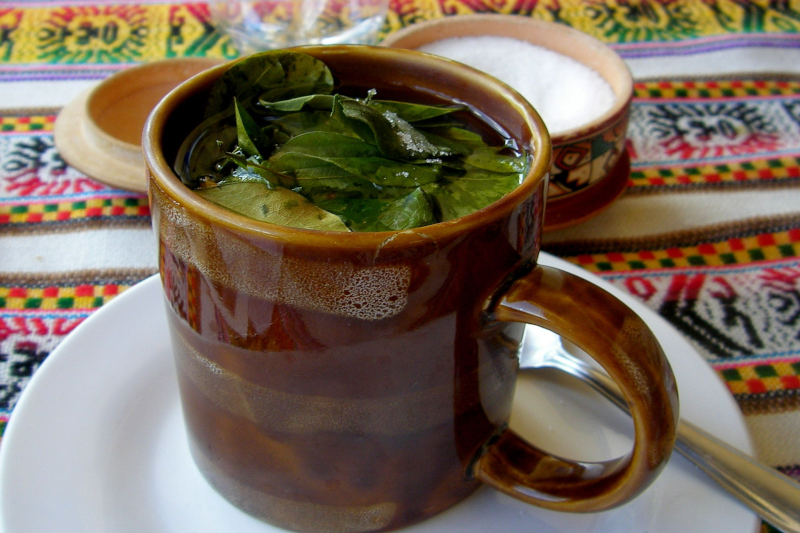
Entering your hotel Cusco you will be served practically with a cup of the hot coca tea. It is an ancient folklore old-time, it is the first step to act in curing soroche. The tea as a weak stimulant will resemble a weak cup of coffee that will allow overcoming the fatigue and slight headache. The benefits of coca tea to high altitudes are real, but minor. Suppose it was an invitation to the culture that is a slight lift-up.

Despite the fact that consuming the coca tea process is a very good experience, water is the best natural remedy to altitude sickness. In the altitude, the air is drier and the moisture is washed away your body with every inhalation. This dehydration can resemble and worsen the outcome of altitude sickness. The most you can do therefore is to pour as much water as you can.

The use of natural remedies in treatment of soroche is also in high demand hence pills being marketed as altitude remedies. It’s wise to be skeptical. The high altitude effects are not going to be defeated by any magic pills. But what would you do when you need extra security? To that, it is handy to have the knowledge of what medical options are.

Medical Help: Understanding Acetazolamide (Diamox) and Oxygen

Natural procedures represent a very good initial defense line, but some travelers have partiality on the more assured stance, particularly when they had issues with elevation previously or have an exceedingly brief journey. The most common form of prescription is Acetazolamide commonly known as Diamox. People have widely regarded it to be the preferred medicine in Peru among mountain sickness though it is not an over the counter drug. Before you can visit your doctor, you need to talk to him and find out whether it is the best thing to do for your health.

Acetazolamide assists in accelerating the process of acclimatization in the body. It makes you inhale a little faster and deeper in order to allow your system to become accustomed to the reduced oxygen concentration. Due to its impact on your body chemistry, to use it safely, it is necessary to discuss with a physician the appropriate dose of acetazolamide to use in Peru, and also to be aware of the side effects, which makes the prescription the first step to using it.

How to Spot Altitude Sickness: Mild Symptoms vs. Serious Red Flags

Cusco Altitude Sickness

The best weapon is knowing what to seek. That is something your body will give you signals and all you have to do is listen. In the majority of cases, they are simply the things to slow down but it is important to know the symptoms. The symptoms of high altitude in Cusco nearly always could be divided into two categories.

Slight but frequent symptoms (Signals to Slow Down):

  • A dull, persistent headache
  • Not really feeling well.
  • You are out of breath when moving about (walking up a hill)
  • Nausea or decreased appetite stimulated by nausea and loss of appetite.

When you experience these, then the answer is easy, put a halt to the process, take a lot of water, and then think of coca tea. Don’t push through it. The symptoms are typical and are likely to ease in a day or two of acclimatization.

Serious altitude sickness, on the other hand, is quite unlikely but needs an immediate response. These are not slight suggestions, they are straight signals. 

Emergency Red Flags (See a Doctor Immediately):

  • There is serious difficulty in breathing at the Andes, even when you are sitting down.
  • Mumbling or trip like a drunken guy.
  • Severe headache which is not relieved by medication.
  • A persistent wet cough

When someone you are traveling with or you have encountered one of these red flags, then it is no longer time to stand and watch. This is a medical emergency. You should go and see a doctor or go to a lower level.

Your Ultimate Cusco Altitude Sickness Checklist

You do not have to consider the altitude as a variable in your journey planning anymore. You have made this consideration an actual action method because now you know how your body acquires and which food it requires in the process. With the right approach to Cusco altitude sickness, you know how to prevent soroche by listening to your body instead of fearing the elevation. This is the checklist that you should consider as your own cheat sheet with helpful tips to prepare you to travel to Cusco.

Your Altitude Action Plan

  • Prior to Your Departure: Discuss with your physician the use of altitude medication to determine whether it suits you or not.
  • Your First 48 Hours: water is now your best friend (target 3-4 liters) No alcohol, move slowly. This easy beginning is what a good acclimatization program to the Inca trail will be built on.
  • Check-in: How are you feeling (checked every day)? Any headache? How’s my breathing at rest? Be honest.

This is nothing about restriction, this is empowerment, a simple routine. These little evidence-based steps will provide you with the self-present of bringing yourself to the best possible mood.