Qorikancha temple: A Blend of Cultures and Religions

Nestled in the heart of Cusco, Peru, the Qorikancha, also known as the “Golden Temple,” stands as a testament to the rich tapestry of cultures and religions that have shaped the Sacred Valley. This iconic site, once the most important temple in the Inca Empire. Offers a fascinating glimpse into the cultural fusion that characterizes the region. In this article, we will explore the history, cultural significance, and lasting impact of Qorikancha. In effect shedding light on the intricate blend of traditions that continue to influence the area today.

A Living Museum of Cultural Fusion

qorikancha temple

The Qorikancha is more than just an architectural marvel. It is a living museum that reflects the complex historical narratives of conquest, adaptation, and cultural resilience. Visitors to the site are often struck by the harmonious coexistence of Inca and Spanish elements. Creating a unique aesthetic that embodies centuries of cultural evolution. This blend is not just a visual spectacle but a profound symbol of the syncretic nature of Peruvian culture.

As we delve deeper into the story of Qorikancha, we will uncover the layers of history that define this extraordinary site. From its origins as a sacred Inca temple to its transformation under Spanish rule. Qorikancha’s history is a microcosm of the broader cultural exchanges that have shaped the Andean region. By exploring the various aspects of Qorikancha’s significance, we can gain a deeper appreciation for the diverse cultural heritage.

Qorikancha in the Inca Empire

The history of Qorikancha is a tale of transformation and adaptation, reflecting the dynamic interplay of cultures and religions in the region. Originally, Qorikancha was the most revered temple in the Inca Empire, dedicated to Inti, the Sun God. It was a place of immense spiritual significance, where the Incas performed rituals and ceremonies to honor their deities.

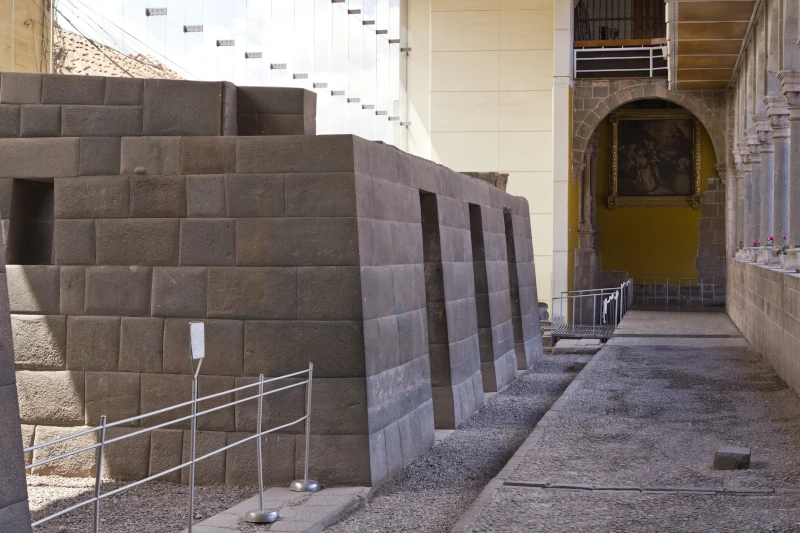
The Incas constructed Qorikancha with precision and skill. Using finely cut stones that fit together seamlessly without mortar. The temple’s walls were adorned with gold plates, reflecting the Incas’ reverence for the sun and their belief in its divine power. Qorikancha was not only a religious center but also an astronomical observatory. This is where priests studied celestial events to guide agricultural practices and religious ceremonies.

Inca Engineering and Astronomical Knowledge

The architectural ingenuity of the Incas is evident in the temple’s design, which was carefully aligned with celestial events. The walls, made from polished stone, were designed to catch the sun’s rays. Allows creating a dazzling effect that underscored the temple’s spiritual significance. This attention to detail exemplifies the Inca’s sophisticated understanding.

Moreover, the temple served as a hub for religious and political activities. High priests and leaders from across the empire would gather here to discuss matters of state and religion. This made Qorikancha not only a spiritual center but also a symbol of Inca unity and power. In effect reinforcing the empire’s dominance over the region.

qorikancha temple

The Spanish Conquest and Architectural Transformation

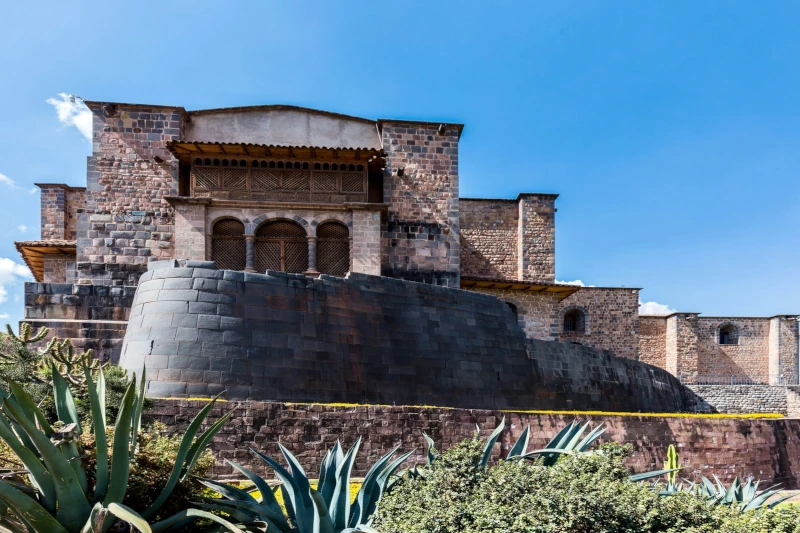
The arrival of the Spanish in the 16th century marked a turning point in the history of Qorikancha. The conquistadors were captivated by the temple’s opulence and quickly set about dismantling its golden adornments. In their quest to impose Christianity, they built the Convent of Santo Domingo on the foundations of Qorikancha.

The construction of the Convent of Santo Domingo was a deliberate act of cultural imposition, symbolizing the Spanish conquest and the forced assimilation of the Inca people. By repurposing the temple’s foundations. The Spanish sought to assert their dominance while simultaneously erasing the indigenous culture.

Cultural Syncretism and Resilience

Despite these efforts, the resilience of Inca stonework ensured that elements of Qorikancha survived. The integration of the two architectural styles resulted in a unique structure that embodies the cultural syncretism that defines the region. This blending of styles is evident in the convent’s design. Where Spanish colonial elements coexist with the enduring strength of Inca stone construction.

In the centuries following the Spanish conquest, Qorikancha became a symbol of resistance and resilience for the Andean people. The site served as a reminder of their rich cultural heritage and the enduring influence of the Inca civilization. It became a focal point for cultural pride and a source of inspiration for those who sought to preserve their traditions.

Spiritual and Cultural Significance Today

Qorikancha’s cultural significance extends beyond its historical role as a religious center. It symbolizes the resilience and adaptability of Andean cultures in the face of external influences. The site is a living testament to the enduring legacy of the Incas, whose traditions and beliefs continue to resonate in contemporary Peruvian society.

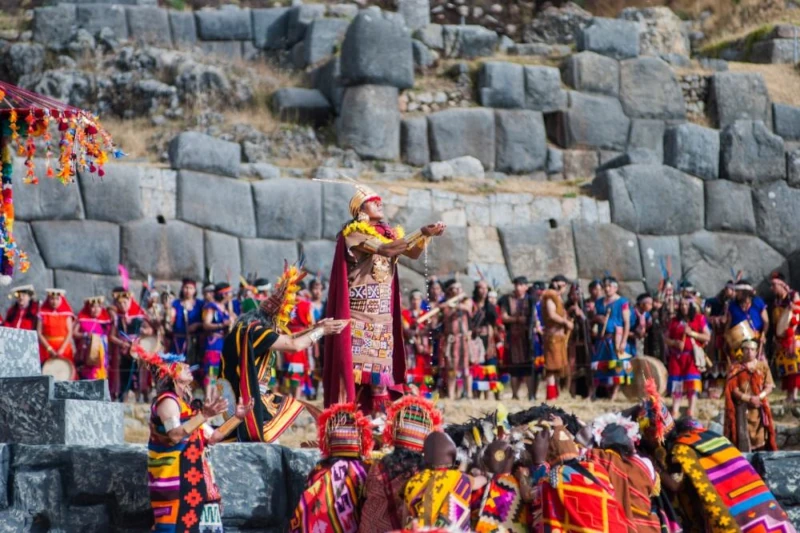
The fusion of Inca and Spanish elements at Qorikancha exemplifies the concept of syncretism, where different cultural and religious traditions merge to create a new, cohesive whole. This blending is evident in the architecture. Where Inca stonework seamlessly integrates with Spanish colonial structures. It is also reflected in the rituals and festivals that take place at the site. Inti Raymi, a celebration of the winter solstice that honors both Inca and Christian traditions.

Inti Raymi and Living Traditions

qorikancha temple


Inti Raymi is a vivid illustration of how ancient Inca traditions have been adapted to fit within a modern context. The festival, held annually in Cusco, involves elaborate ceremonies and performances that pay homage to the Sun God while incorporating elements of Catholicism. This fusion of beliefs showcases the flexibility and resilience of Andean cultures, which have managed to preserve their identity despite centuries of external influence.

Moreover, Qorikancha itself serves as a venue for cultural exchange, where indigenous practices are celebrated and shared with the wider world. This ongoing dialogue between past and present is a testament to the enduring impact of the Inca civilization and its ability to adapt and thrive in changing circumstances.

Cultural Preservation and Education

Qorikancha serves as a focal point for efforts to preserve and promote the cultural heritage of the Sacred Valley. It attracts scholars, tourists, and locals alike, who come to learn about the rich history and diverse traditions of the region. Through exhibitions, guided tours, and cultural events, Qorikancha fosters a deeper understanding and appreciation of Andean cultures.

Educational programs at Qorikancha are designed to engage visitors with the site’s history and significance. These initiatives aim to bridge the gap between past and present, offering insights into the ways in which indigenous cultures have shaped modern Peru. By providing a platform for cultural exchange, Qorikancha helps to ensure that these traditions are not only remembered but actively celebrated.

Furthermore, the site plays a crucial role in the local economy, drawing tourists from around the world who contribute to the preservation of cultural heritage. This influx of visitors supports local artisans, guides, and businesses, creating a sustainable model for cultural tourism that benefits the entire community.

Qorikancha as a Symbol of Identity

For many Peruvians, Qorikancha is more than just a historical site; it is an emblem of their cultural identity. The temple represents the strength and resilience of the Andean people, serving as a powerful reminder of their rich heritage. This sense of pride is evident in the ways in which Qorikancha is celebrated and preserved, ensuring that future generations can continue to learn from and be inspired by this remarkable site.

The impact of Qorikancha extends beyond its physical presence in Cusco. It continues to inspire and inform cultural practices, artistic expressions, and scholarly research. Offering highlighting the enduring influence of the Inca civilization.

Artistic Inspiration and Contemporary Culture

Artists and craftsmen draw inspiration from the intricate designs and symbolism found at Qorikancha. The temple’s geometric patterns and celestial motifs are echoed in contemporary art and textiles.

In the vibrant markets of Cusco, one can find textiles and crafts that pay homage to the artistry of Qorikancha. Artisans incorporate traditional Inca patterns into modern designs, creating pieces that resonate with both locals and visitors. This fusion of old and new is a testament to the lasting influence of Inca culture on contemporary Peruvian art.

Moreover, Qorikancha has inspired not only visual artists but also musicians, writers, and performers. The temple’s history and significance serve as a wellspring of inspiration for creative expressions that celebrate the rich cultural tapestry of the Andes. Through music, literature, and performance, artists continue to explore.

Language, Identity, and Quechua Heritage


Linguists explore the linguistic nuances and oral traditions associated with Qorikancha, uncovering insights into the Inca worldview and cultural practices. The Quechua language, still spoken by millions in the Andes, serves as a vital link to the past.

Quechua, the language of the Incas, remains an integral part of Andean culture and identity. Linguists study the language to gain insights into the Inca way of life. Many of their traditions and beliefs are encoded within its structure and vocabulary. This linguistic heritage offers a unique perspective on the Inca worldview..

Efforts to preserve and promote Quechua are crucial in maintaining the cultural legacy of the Andes. Educational programs and initiatives aim to revitalize the language, ensuring that it continues to be spoken and appreciated by future generations. Through these efforts, the linguistic heritage of Qorikancha is kept alive, enriching the cultural landscape of Peru.

Academic Research and Global Interest

Qorikancha is a focal point for scholarly research, drawing academics from around the world who seek to understand the complexities of Inca civilization. The site offers a wealth of information for historians, archaeologists, and anthropologists, providing valuable insights into the social, political, and religious aspects of Inca life.

Researchers are particularly interested in the architectural techniques and astronomical knowledge of the Incas, which are exemplified in the design of Qorikancha. By studying the site, scholars can gain a deeper understanding of how the Incas interacted with their environment and organized their society. This research contributes to a broader understanding of pre-Columbian history and its enduring influence on modern cultures.

Visiting Qorikancha Today

For travelers seeking to explore the cultural richness of Cusco and the Sacred Valley, a visit to Qorikancha is a must. The site offers a unique opportunity to delve into the history and traditions of the region, providing a window into the complex interplay of cultures that have shaped its identity.

Qorikancha is located in the heart of Cusco, easily accessible from the city’s main square. Visitors can explore the site independently or join guided tours that provide in-depth insights into its history and cultural significance. The nearby Sacsayhuaman fortress and Cusco Cathedral also offer valuable context, enriching the visitor’s experience of the area’s historical and cultural landscape.

Guided tours are highly recommended for those seeking a deeper understanding of Qorikancha. Knowledgeable guides can provide historical context and share fascinating stories about the site’s significance. These tours often include visits to other nearby attractions, offering a comprehensive overview of Cusco’s rich cultural heritage.

For independent travelers, the site is well-signposted, with informative displays that explain the history and architecture of Qorikancha. Visitors can take their time exploring the various sections of the temple, from the Inca stonework to the colonial-era convent, at their own pace.

Reflection and Cultural Engagement

As you walk through the hallowed halls of Qorikancha, take a moment to reflect on the enduring legacy of the Inca civilization and the resilience of Andean cultures. Whether you’re a travel writer seeking to convey the depth and diversity of the region. A curious traveler eager to learn more, Qorikancha offers a captivating journey into the heart of Peru’s cultural heritage.

To fully appreciate the site’s significance, visitors are encouraged to engage with the local culture and participate in traditional festivals and events. These experiences offer a unique opportunity to connect with the community and gain a deeper understanding.

Conclusion: A Timeless Cultural Symbol

In conclusion, Qorikancha stands as a powerful symbol of the blending of cultures and religions in the Sacred Valley vip . Its history, cultural significance, and enduring influence continue to captivate and inspire. Whether you’re drawn by its architectural marvels, spiritual significance, or cultural heritage. Qorikancha invites you to explore and embrace the vibrant fusion of traditions that define this remarkable site.

Visitors to Qorikancha are encouraged to engage with the local communities and support initiatives that promote cultural preservation. By purchasing handicrafts, attending workshops, and participating in cultural events. Therefore travelers can contribute to the sustainable development of the region. This engagement not only enriches the visitor experience but also supports the livelihoods of local artisans and helps to preserve the cultural heritage of the Andes.

Ultimately, a visit to Qorikancha is more than just a journey through history. It is an opportunity to connect with the living traditions of the Andes and gain a deeper appreciation for the rich cultural heritage of Peru. Whether you are a history enthusiast, an art lover, or a cultural explorer. Qorikancha offers a unique and enriching experience that will leave a lasting impression.