Machu Picchu, the ancient Incan citadel, is a marvel of engineering and a testament to the ingenuity of the Andean civilizations. Nestled high in the Peruvian Andes, this site has fascinated historians, archaeologists, and travelers alike for generations. Among its many wonders is the Temple of the Moon, a site that offers profound insight into the spiritual life of the Incas. This guide provides a comprehensive overview of the Temple of the Moon.
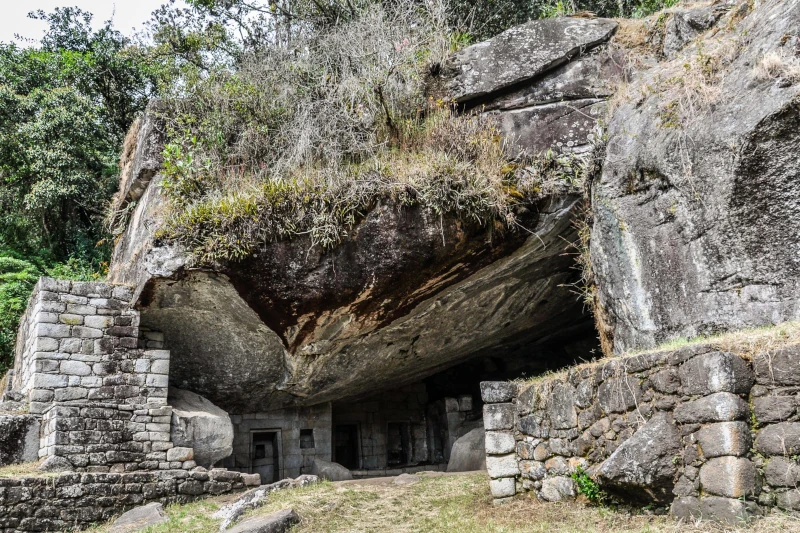
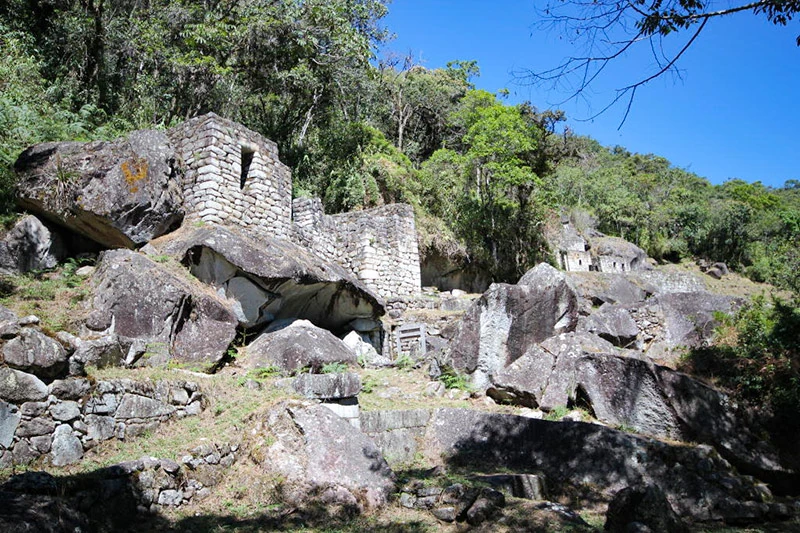
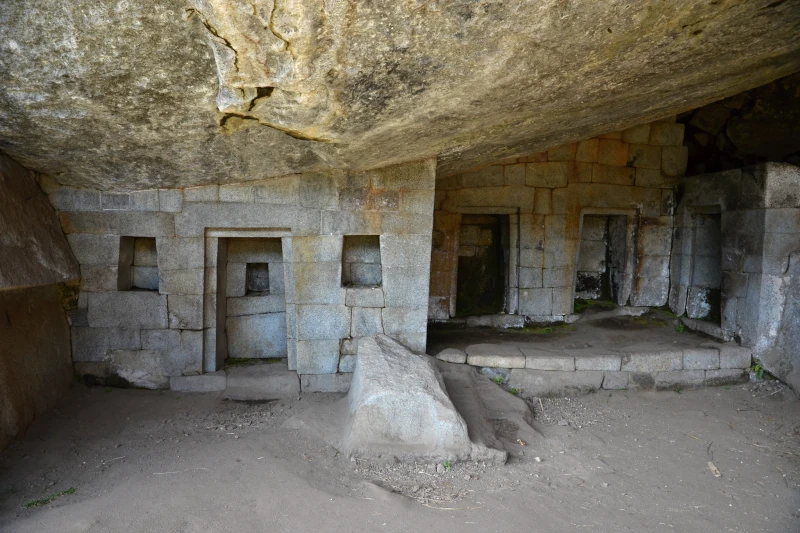
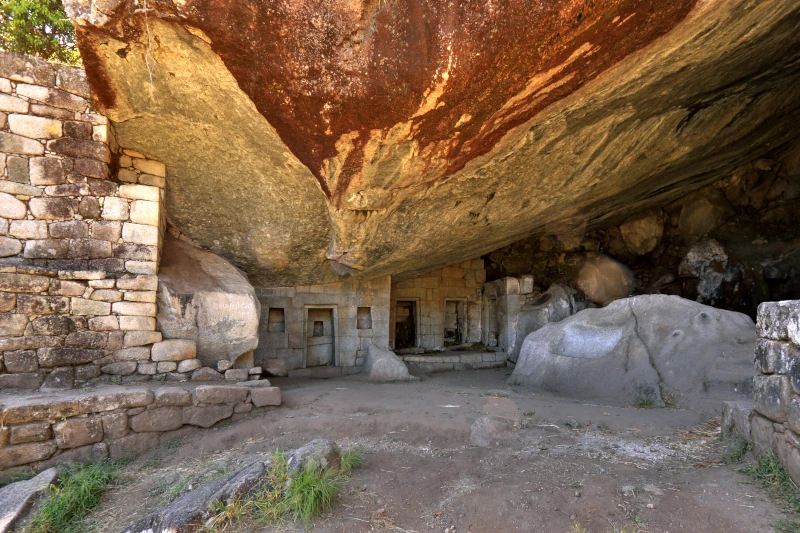
The Temple of the Moon is located on Huayna Picchu, the towering peak that forms the iconic backdrop to the Machu Picchu ruins. Perched on this steep mountain, the temple is carved into a natural cave, showcasing the Incas’ ability to harmonize architecture with the natural landscape. This sacred site features intricate stonework that reflects the Incas’ architectural prowess.The temple is believed to have served religious and ceremonial purposes, possibly as a place for rituals or offerings to deities.
The Temple of the Moon is not just a marvel of construction but also a testament to the spiritual depth of the Inca civilization. Its location and design indicate a possible connection to lunar cycles, which were significant in Incan cosmology. The temple’s placement within a cave might have symbolized a connection to the earth and the underworld. The site’s serene atmosphere invites contemplation and reflection, providing a glimpse into the sacred rituals..

The Temple of the Moon, like much of Machu Picchu, is shrouded in mystery. Its exact purpose remains unknown, but its placement and construction suggest a deep spiritual significance. The Incas were skilled astronomers, and many of their structures align with celestial events. The temple may have been used to honor the moon, a celestial body of great importance in Andean cosmology.
The historical significance of the Temple of the Moon extends beyond its architectural and astronomical features. It represents the Incas’ profound understanding of their environment and their ability to incorporate natural elements into spiritual practices. The temple’s alignment with celestial bodies reflects the Inca belief in the interconnectedness of the natural world and the cosmos. This holistic worldview is a key aspect of Andean culture. The Temple of the Moon serves as a tangible reminder of these ancient beliefs.
To visit the Temple of the Moon, you must first secure tickets to Huayna Picchu. Tickets are limited and often sell out months in advance, so it’s crucial to plan ahead. Booking through the official Machu Picchu website is recommended to ensure a legitimate purchase.
Navigating the ticketing process requires careful planning, as demand for Huayna Picchu access is high. Early booking is essential to secure your spot, especially during peak tourist seasons. It’s advisable to monitor the official website regularly for ticket releases and updates. Additionally, consider consulting with local tour operators who can provide guidance. The assistance in securing tickets, ensuring a smooth journey to this incredible site.
Check: Machu Picchu Full Day Tour, for more detail.
The hike to Huayna Picchu is not for the faint of heart. The trail is steep and can be challenging, but the rewards are well worth the effort. The path offers breathtaking views of the surrounding Andes and the Machu Picchu ruins below. As you ascend, you’ll pass through lush vegetation and encounter various archaeological sites.
The ascent to Huayna Picchu demands physical endurance and mental fortitude. The narrow pathways and steep staircases can be daunting, but each step brings you closer to panoramic vistas that are nothing short of awe-inspiring. Along the way, you’ll find yourself immersed in the natural beauty of the Andes, with opportunities to observe diverse flora and fauna. The journey is as much about the experience as it is about reaching the summit. Having moments of tranquility and reflection amidst the grandeur of nature.

While the Temple of the Moon is a highlight, the entire Machu Picchu the lost inca City is a treasure trove of history and culture. The ruins are divided into several sectors, each with unique features and purposes. From the agricultural terraces to the residential areas and ceremonial sites. Each part of Machu Picchu tells a story of the Inca civilization’s daily life and spiritual practices.
Exploring Machu Picchu offers a unique opportunity to step back in time and witness the ingenuity of the Incas. The site’s strategic layout, advanced water management systems, and astronomical alignments reflect a sophisticated understanding of engineering and the natural world. As you wander through the ruins, you’ll encounter the Temple of the Sun, the Intihuatana stone, and the Room of the Three Windows, each contributing to the rich tapestry of Inca history.
Ollantaytambo is a town that serves as a starting point for many travelers visiting Machu Picchu. Its well-preserved Incan architecture and strategic location make it an important historical site in its own right. Exploring Ollantaytambo before heading to Machu Picchu can enrich your understanding of the region’s history.
Beyond its role as a gateway, Ollantaytambo is a living museum of Inca architecture and urban planning. The town’s narrow streets, stone buildings, and agricultural terraces offer a glimpse into the daily lives of the Incas. A visit to the Ollantaytambo archaeological site reveals the complexity of Incan construction. This town is not only a stopover on the way to Machu Picchu but a destination that offers its own stories and insights into Andean culture.
The best time to visit Machu Picchu and the Temple of the Moon is during the dry season, from May to September. During these months, the weather is more predictable, and the trails are less likely to be muddy or slippery. The clear skies and milder temperatures provide ideal conditions for hiking and exploring the ruins.
Visiting during the dry season also means fewer weather-related disruptions and a more pleasant overall experience. However, this is also the peak tourist season, so it’s advisable to book accommodations and Machu Picchu tickets well in advance. If you prefer a quieter visit, consider traveling in the shoulder months of April or October. When the weather is still relatively dry, but the crowds are smaller.

When preparing for your journey to the Temple of the Moon. Prepare to consider the following packing list to ensure a comfortable and safe experience:
Additionally, it’s wise to pack a small first aid kit for minor injuries and a lightweight rain jacket in case of unexpected showers. A reusable water bottle and eco-friendly snacks can help minimize waste and protect the environment. Bringing a small backpack to carry your essentials will ensure you have everything you need within reach. Allowing you to focus on the incredible journey ahead.
The allure of Machu Picchu lies not only in its breathtaking beauty but also in its enigmatic history. The Temple of the Moon adds another layer to the site’s mystique. Inviting visitors to ponder the spiritual life of the Incas. The site’s remote location and intricate construction continue to spark questions about the Inca civilization.
Each stone and structure within Machu Picchu tells a story of a civilization deeply connected to its environment and the cosmos. The mystery surrounding the site inspires both scholarly research and personal reflection, offering a profound sense of wonder and discovery. As visitors explore the ruins, they are encouraged to consider the cultural, spiritual, and historical context that shaped this extraordinary place.
Visiting the Temple of the Moon offers a unique opportunity to connect with Andean culture and gain insight into the beliefs and practices of the Incas. By exploring this sacred site, you become part of a narrative that spans centuries, linking past and present in a shared appreciation of cultural heritage.
Engaging with the local culture, whether through guided tour packages, interactions with local communities, or participation in cultural events, can deepen your understanding of the Andean worldview. This connection enriches your experience, allowing you to appreciate the resilience and wisdom of the Inca Empire. As you walk the paths once trodden by ancient priests and pilgrims, you contribute to the ongoing story of Machu Picchu, a story that continues to inspire and captivate the world.

The Temple of the Moon at Machu Picchu is more than just an archaeological site. It is a gateway to understanding the spiritual and cultural depth of the Andean civilizations. As you embark on this journey, remember to respect the sacredness of the site. Whether you are a seasoned traveler or a curious novice. The Temple of the Moon promises an experience that will resonate long after you leave its hallowed grounds.
Embracing the lessons of the Temple of the Moon encourages a deeper appreciation for the interconnectedness of humanity and the natural world. This journey is an invitation to reflect on the enduring legacy of the Incas and the timeless wisdom embedded in their sacred sites. As you depart from Machu Picchu, carry with you the spirit of exploration and reverence. Allowing the experience to inform your understanding of history and the shared human quest for meaning and connection.