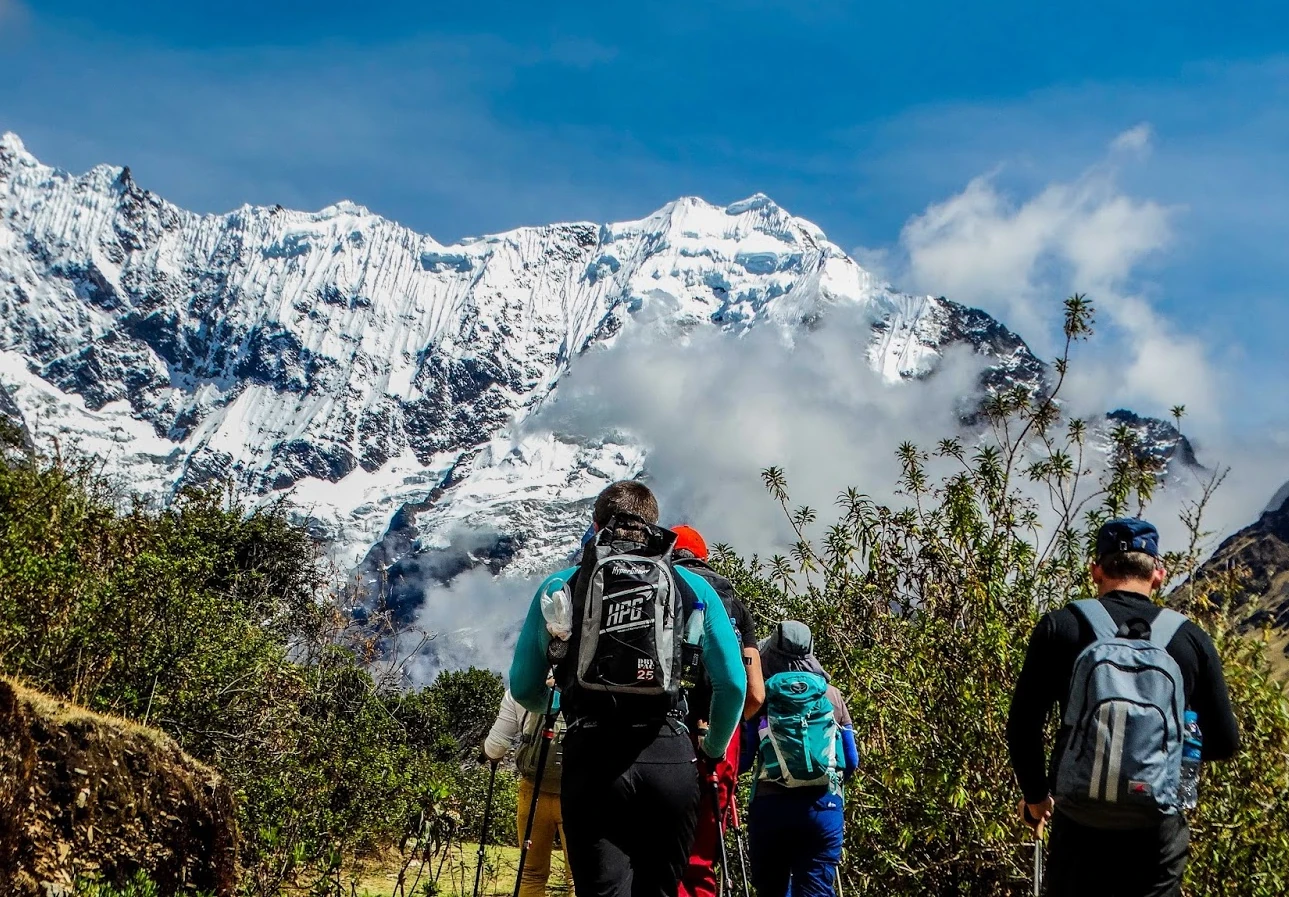
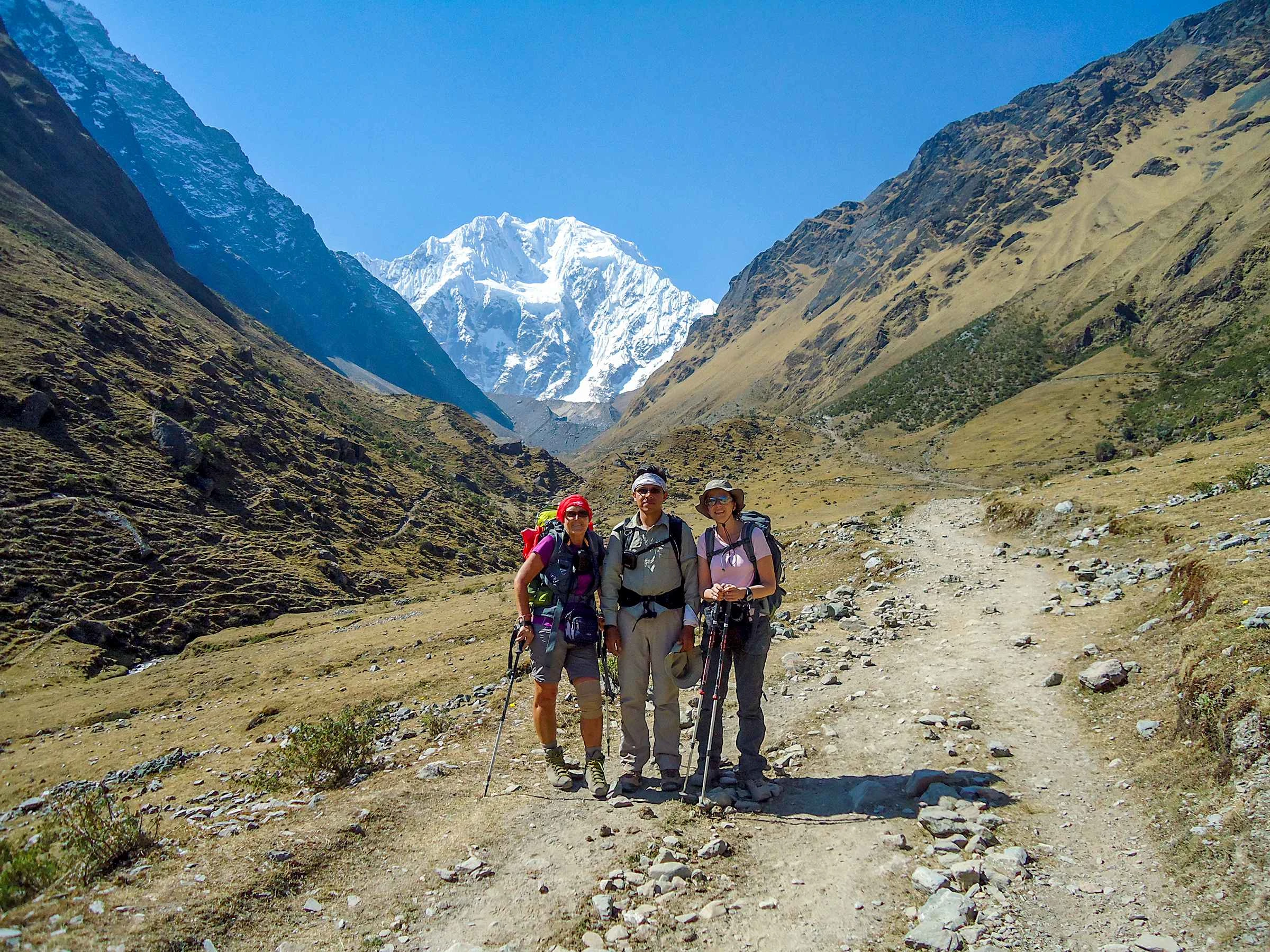
The Salkantay Trek is a high-altitude adventure that takes you through diverse ecosystems, from the snow-capped peaks of the Andes to the lush rainforests of the Amazon basin. This trek is an immersion into a world where nature reigns supreme, offering a rich tapestry of landscapes and wildlife. Unlike the Inca Trail, which requires permits and often books out months in advance, the Salkantay Trail is more accessible and less crowded, offering a sense of solitude and connection with nature. This accessibility makes it an attractive option for those looking to avoid the hustle and bustle of more popular routes, giving trekkers the freedom to explore at their own pace.
One of the most important aspects to consider when planning your trek is the Cusco elevation. The Salkantay Trek reaches an altitude of 15,213 feet (4,638 meters) at the Salkantay Pass, so acclimatization is key. Spend a few days in Cusco before you begin to adjust to the altitude; this will help prevent altitude sickness, which can affect even the most seasoned trekkers. The trail itself is challenging, with steep ascents and descents that require a good level of physical fitness. Each step, though demanding, is rewarded with awe-inspiring views and a sense of accomplishment that makes the effort worthwhile. The journey tests not just physical endurance but also mental resilience, as you navigate through some of the most stunning terrain in the world. It’s one of the top tourist attractions in Cusco for anyone looking for an unforgettable adventure.

Preparation is crucial for ensuring a successful trekking experience. This involves not only physical preparation but also mental readiness to embrace the unexpected. Here are some key considerations:
Pack light but smart. Essential items include a high-quality backpack, sturdy hiking boots, layers of clothing for varying weather conditions, and a good sleeping bag. Choose gear that is both functional and comfortable, as you’ll be relying on these items for several days. Don’t forget sun protection and a rain poncho, as the weather in the Andes can be unpredictable, often changing within minutes. A well-packed bag can be the difference between a comfortable trek and a challenging one, so take the time to plan your gear carefully.
The Salkantay Trek is demanding, so it’s advisable to be in good physical shape. Regular cardio workouts, strength training, and hiking practice will prepare your body for the journey ahead. Start your training regimen several months in advance to build endurance and strength. Remember, it’s not just about endurance; it’s also about enjoying the trek without undue strain. A strong body will allow you to appreciate the beauty around you and engage fully with the experience, rather than just focusing on getting through it.
As you make your way along the trail, there are several must-see sights that will captivate your senses and enrich your experience. These highlights are not just about visual splendor but also about connecting with the rich history and culture of the Andes.

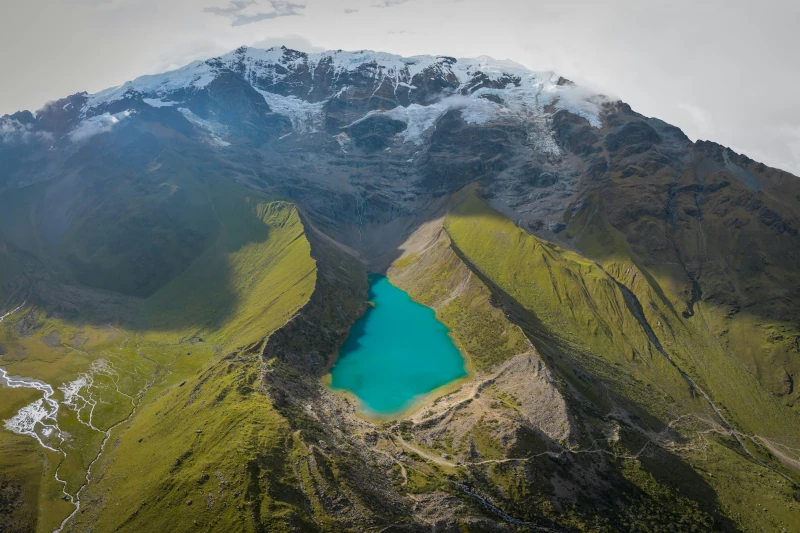
A stunning turquoise lake nestled at the base of the Humantay Glacier, Humantay Lake tour is a popular stop on the trek. The short but steep hike to the lake is rewarded with panoramic views and an unforgettable sense of tranquility. The vibrant colors of the Humantay Lake contrast beautifully with the surrounding snow-capped peaks, creating a picture-perfect moment that is a favorite among photographers. This spot also offers a peaceful retreat where you can reflect on the journey so far and meditate on the natural beauty that surrounds you.
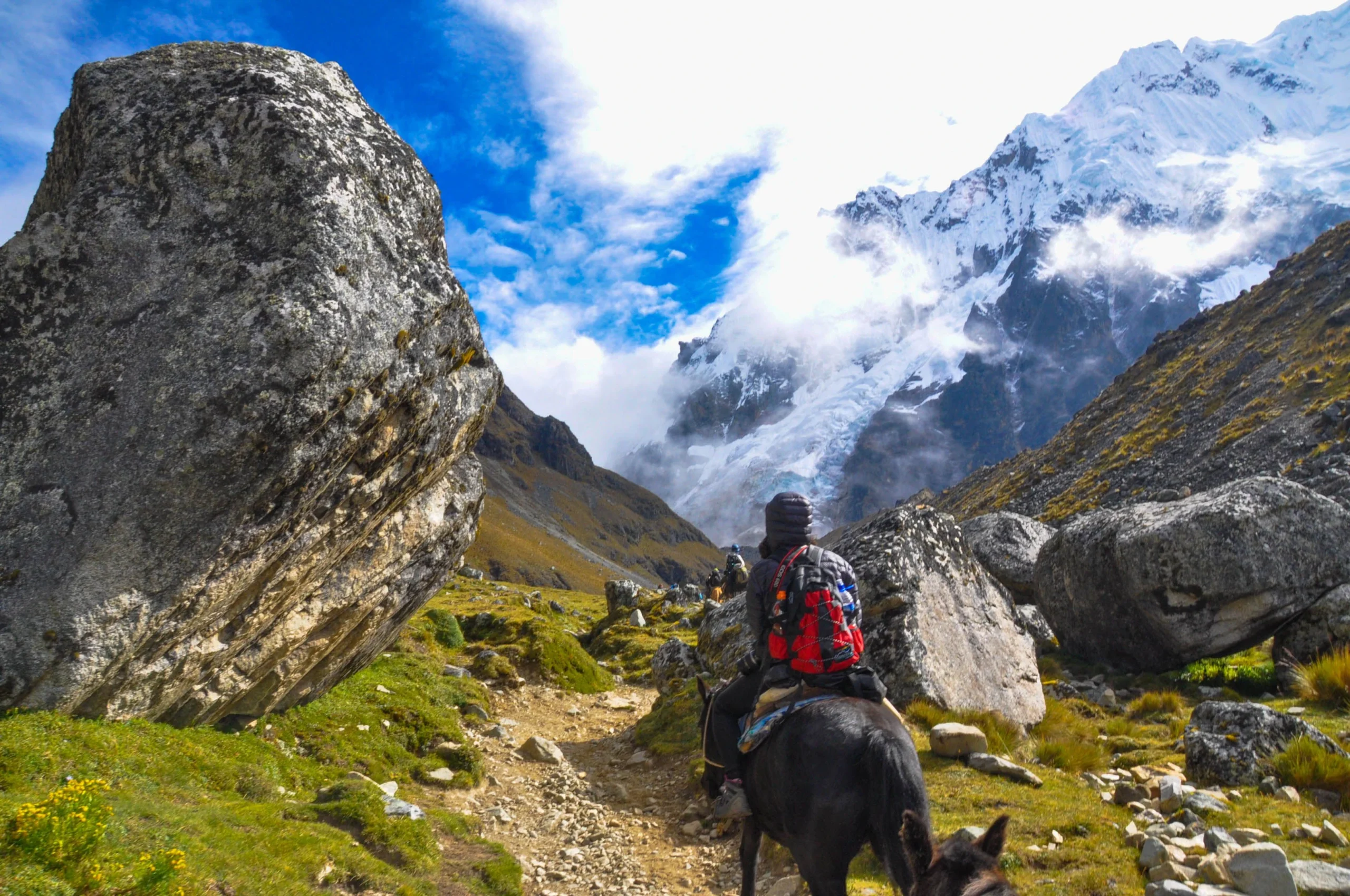
The highest point on the trek, the Salkantay Pass, offers a breathtaking panorama of the surrounding peaks. It’s a challenging segment of the trail, but reaching the pass is a triumphant moment that fills you with a sense of accomplishment. Here, the thin mountain air carries a sense of purity and freedom, and the views are a testament to the grandeur of the Andes. Standing at the pass, you are reminded of the power of nature and the strength within yourself to conquer such heights. It’s a moment that many trekkers cherish as the pinnacle of their journey.
Interact with local communities and learn about their traditions and lifestyles. These encounters provide a deep insight into the Andean culture and offer an opportunity to appreciate the region’s heritage. Engaging with the locals allows you to understand their way of life, which has remained largely unchanged for centuries. Participate in traditional ceremonies, taste local cuisine, and listen to stories passed down through generations. These cultural exchanges enrich your trek, offering experiences that go beyond the physical journey and touch the heart of what it means to explore the Andes.
The culmination of the Salkantay Trek is the arrival at Machu Picchu. As you descend from the mountains and approach this iconic archaeological site, the anticipation builds. The journey to the Los Inca City is as much about the path taken as it is about the destination itself, and arriving at this ancient wonder is a profound experience.

To make your journey smooth and enjoyable, consider these practical tips. Being prepared for the unique challenges of the Salkantay Trek ensures you can focus on the beauty and adventure rather than logistical concerns.
The ideal time for the Salkantay Trek is during the dry season, from May to September. The weather is more predictable, and the trails are less muddy, providing optimal trekking conditions. During these months, the skies are clearer, offering unobstructed views of the majestic landscapes. However, the dry season is also the most popular, so plan ahead to secure accommodations and permits.
Altitude sickness can affect anyone, regardless of fitness level. Stay hydrated, ascend slowly, and consider medication to mitigate symptoms. Acclimatization is crucial, so listen to your body and take breaks as needed. Always have travel insurance that covers high-altitude trekking, ensuring you’re protected in case of emergencies. Familiarize yourself with the symptoms of altitude sickness so you can act quickly if they arise.
Respect local customs and traditions. Engage with the community respectfully, and seek permission before photographing people. Understand that you are a guest in their land, and your actions should reflect appreciation and consideration for their culture. Learning a few basic phrases in Quechua, the local language, can go a long way in building rapport and showing respect.

The Salkantay Trek is more than just a physical challenge; it’s a journey through stunning landscapes and a cultural tapestry that enriches your soul. By preparing adequately and embracing the adventure, you can create memories that will last a lifetime. Whether you’re discovering new horizons as a corporate executive, capturing the perfect shot as a photographer, or gaining cultural insights as a researcher, the Salkantay Trek offers something special for everyone. Ready to lace up your boots and explore the Andes? This trek is a reminder of the beauty of the natural world and the rich history of the civilizations that once thrived here.
With this guide in hand, you’re equipped to embark on a transformative adventure that promises both challenge and reward. Happy trekking! May your journey be filled with awe-inspiring views, cultural discoveries, and personal growth that stays with you long after you return home.