Cusco, the historic capital of the Inca Empire, is a city rich in history, culture, and breathtaking scenery. Whether you’re a corporate executive looking to maximize your limited vacation time, a freelance photographer seeking picturesque locations, or an academic researcher interested in cultural insights, Cusco has something to offer everyone. Join us as we explore the must-see attractions and activities in this enchanting city.
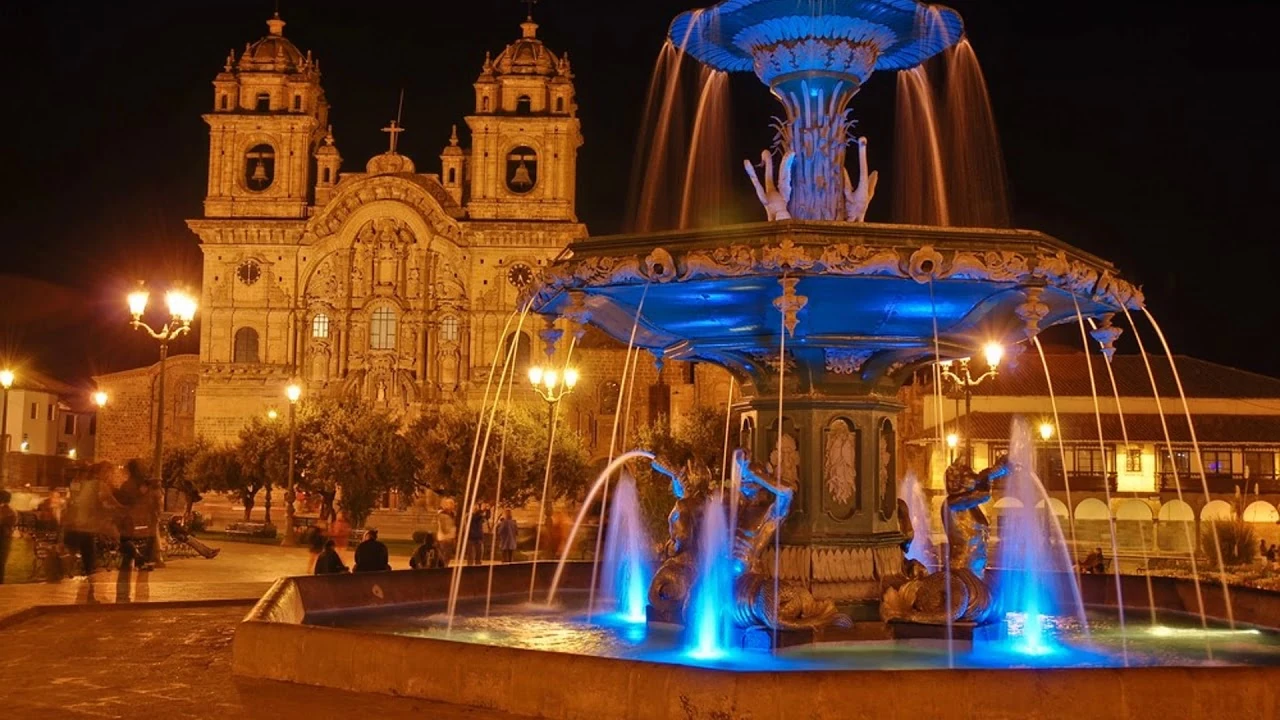
Embark on a Cusco city tour to immerse yourself in the vibrant history and culture of this stunning city. Walking through the cobblestone streets, you’ll encounter a blend of Incan and Spanish colonial architecture that tells the story of Cusco’s past. Key highlights include the Plaza de Armas, the central square bustling with life, surrounded by historic buildings and charming cafes.

The Plaza de Armas serves as the city’s vibrant nucleus, where locals and tourists alike gather. It’s not just a place of historical importance but also a hub for cultural events, from lively festivals to political rallies. As you stroll through the plaza, take a moment to appreciate the intricate details of the surrounding colonial architecture, each building with its unique story. The square is alive with street performers and vendors, adding a lively atmosphere to this historical setting.
Cusco’s architecture is a testament to its complex history, where Incan foundations support colonial Spanish buildings. This blend is most evident in the city’s churches, where original Incan stonework forms the base of soaring cathedrals. The juxtaposition of these styles reflects the cultural fusion that defines Cusco, offering visitors a visual narrative of conquest and coexistence. Walking tours often include expert guides who explain the significance of these structures, providing deeper insight into their historical and cultural contexts.
Every street in Cusco tells a story, with narrow alleyways leading to hidden plazas and ancient walls whispering secrets of the past. As you navigate the city’s labyrinthine streets, you’ll discover local artisans selling handcrafted goods, from intricate textiles to unique jewelry. Each corner offers a new surprise, whether it’s a stunning view of the Andes or a quaint café serving locally brewed coffee. Allow yourself to get lost in the city, as each unexpected turn adds to the richness of your experience.
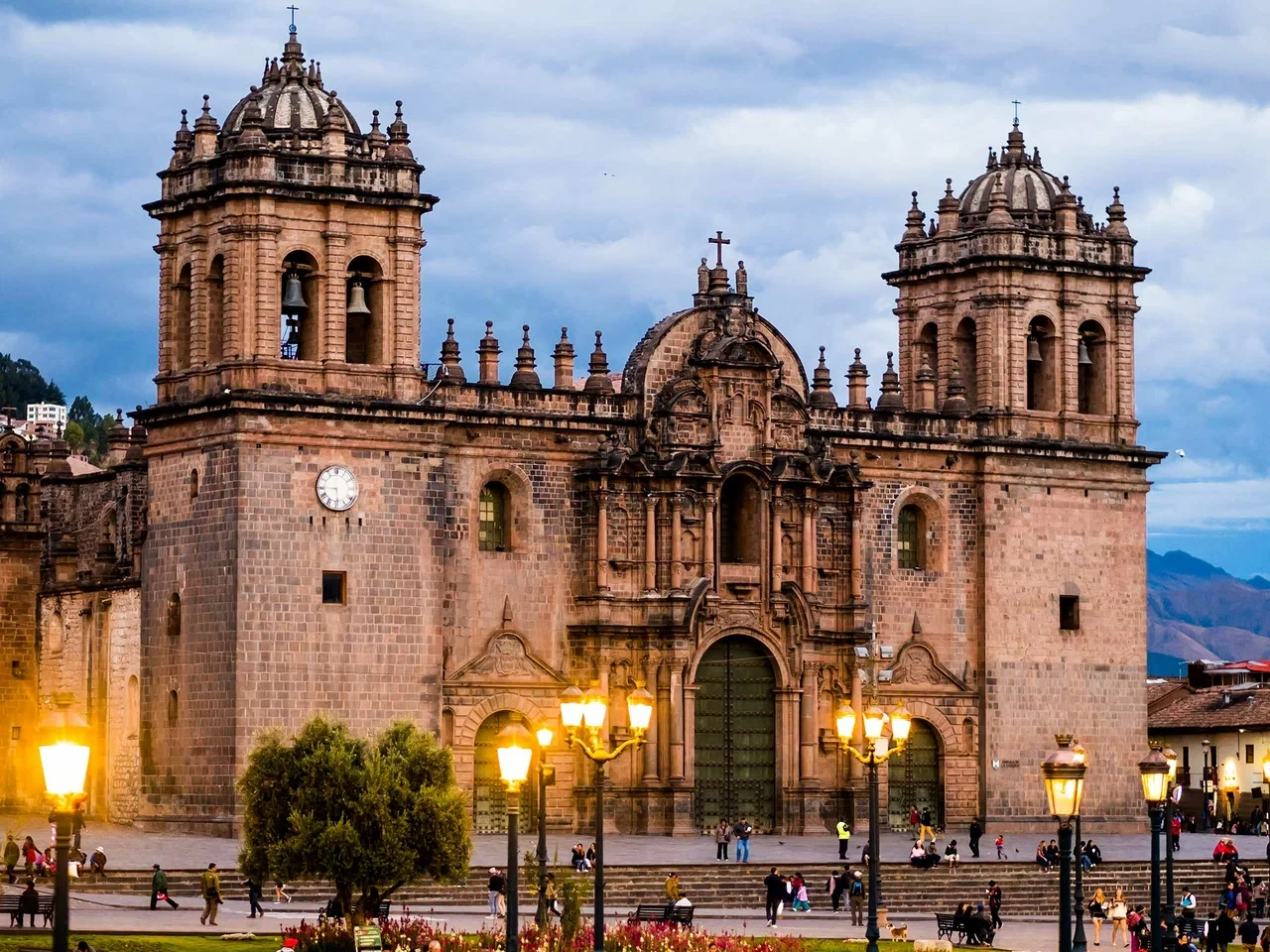
Located on the Plaza de Armas, the Cathedral of Cusco is a must-visit. Constructed over the ruins of the Inca palace, it took nearly a century to build. Inside, you’ll find an impressive collection of colonial art, including the famous “Last Supper” painting featuring a guinea pig as the main course. The intricate woodwork and silver altar are equally stunning, showcasing the craftsmanship of local artisans.
The Cathedral’s construction is a story of perseverance, taking nearly 100 years to complete due to its ambitious design and the challenges of its time. Built using stones from nearby Incan structures, it symbolizes the fusion of two cultures. The effort invested in its creation is evident in its grandeur, with each stone whispering tales of the past. As you explore its vast interior, you’ll gain an appreciation for the dedication and skill that brought this masterpiece to life.

Inside the Cathedral, art lovers will find a treasure trove of colonial paintings, sculptures, and altars. Each piece tells a story, from religious scenes to depictions of local life and traditions. The renowned “Last Supper” painting, with its unique Andean twist, captivates with its cultural symbolism. As you walk through the aisles, take the time to admire the craftsmanship of the wooden carvings and the shimmering silver altar, each piece a testament to the artisans’ skill and devotion.
Today, the Cathedral remains a central part of Cusco’s cultural and religious life, hosting important ceremonies and celebrations. It stands as a beacon of faith and tradition, drawing both worshippers and tourists to its doors. Its bells ring out over the city, a reminder of the enduring presence of history in the modern world. Visiting during a service offers a unique glimpse into the spiritual life of Cusco, providing a deeper connection to its people and their traditions.
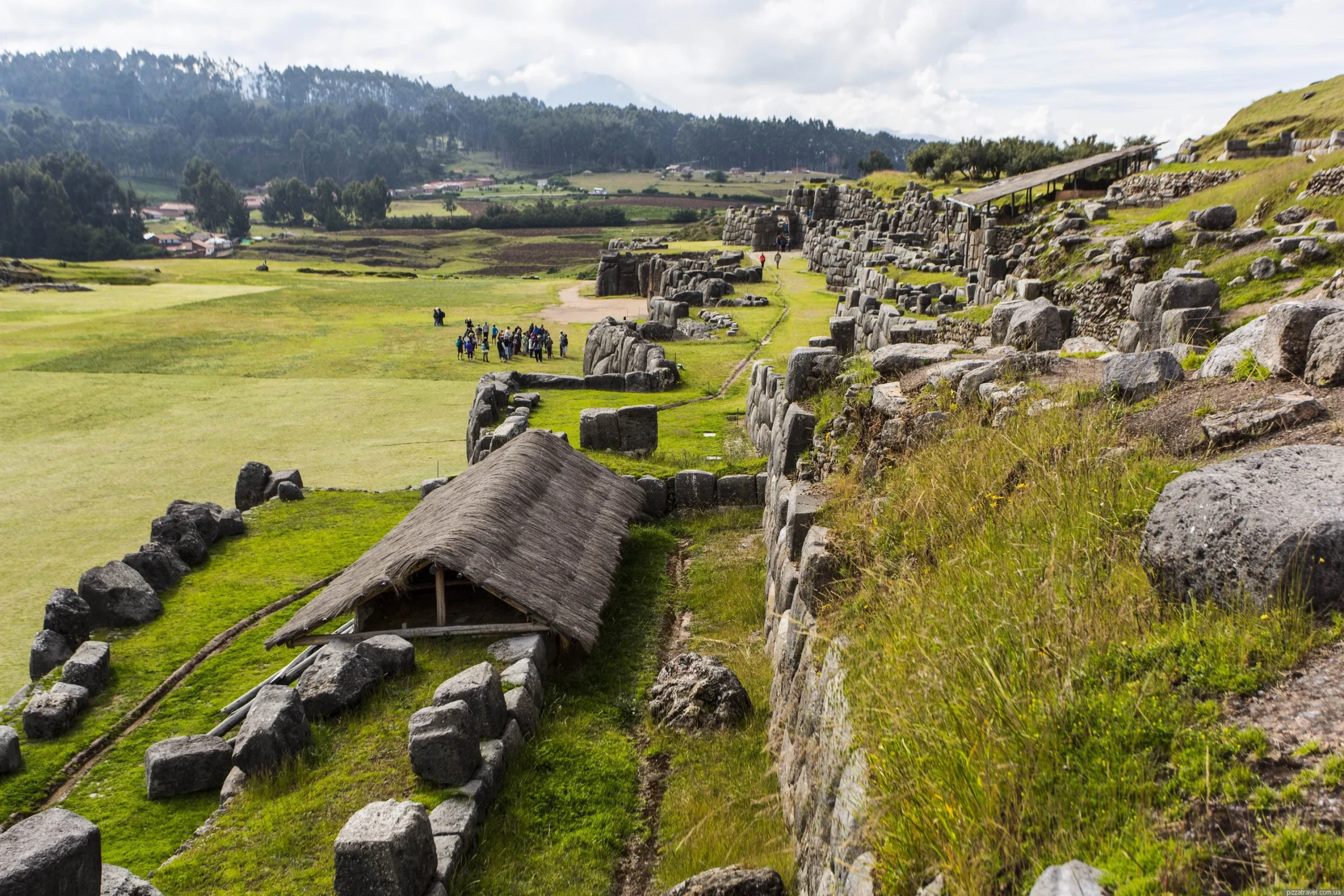
Just a short drive from the city center, the Sacsayhuaman fortress offers breathtaking views of Cusco and the surrounding mountains. This massive stone structure is an impressive example of Incan engineering, with stones so precisely cut that they fit together without mortar. Take your time exploring the site and capture stunning photographs of the panoramic vistas.
The stones of Sacsayhuaman are a testament to Incan engineering prowess, with each stone cut and placed with unparalleled precision. These megalithic stones, some weighing over 100 tons, fit together so tightly that not even a blade of grass can slip between them. This feat was achieved without the use of modern tools, showcasing the Incas’ advanced understanding of construction techniques. As you wander through the fortress, you’ll marvel at the ingenuity and skill that created such an enduring monument.
Sacsayhuaman was not only a ceremonial site but also a strategic military stronghold, designed to defend the city from invaders. Its elevated position provided a commanding view of the surrounding landscape, allowing the Incas to spot potential threats from afar. The fortress’s zigzagging walls and towering ramps were designed to confuse and deter attackers, making it a formidable defense system. Exploring these features offers insight into the tactical brilliance of Incan society.
Photographers visiting Sacsayhuaman will be thrilled by the stunning views and unique perspectives the site offers. The fortress provides panoramic vistas of Cusco, framed by the majestic Andes mountains. The interplay of light and shadow on the ancient stones creates a captivating subject for photography, allowing for creative exploration. Whether you’re a professional or an amateur, capturing the essence of Sacsayhuaman in your photos will be a rewarding experience.
Once the most important temple in the Inca Empire, Coricancha is a testament to the Incas’ architectural prowess. The temple’s foundations still stand today, forming the base of the Santo Domingo Church. Inside, you’ll find remnants of Inca stonework alongside colonial architecture, offering a fascinating glimpse into Cusco’s layered history.
Coricancha was the heart of Inca religious life, dedicated to Inti, the Sun God, and served as a center for astronomical observation. Its walls were once covered in gold, reflecting the Incas’ reverence for the sun as a source of life and prosperity. The temple’s design aligns with celestial events, showcasing the Incas’ deep connection to the cosmos. Exploring Coricancha offers a window into the spiritual world of the Incas and their sophisticated understanding of astronomy.
The juxtaposition of Inca and colonial architecture at Coricancha tells a powerful story of cultural transformation. The Inca stone foundations, with their impeccable masonry, form the base of the colonial Santo Domingo Church built by the Spanish. This architectural layering symbolizes the blending and clashing of two distinct worlds. As you walk through the site, you’ll witness the visual narrative of conquest and adaptation, offering a profound reflection on Cusco’s complex history.
The Sacred Valley is a short distance from Cusco and is a must-see for anyone visiting the region. This lush valley, surrounded by towering Andes peaks, is home to charming villages, ancient ruins, and vibrant markets. A guided Sacred Valley trip takes you through highlights such as Pisac, Ollantaytambo, and Chinchero.
The Sacred Valley’s breathtaking landscape is characterized by its fertile plains and dramatic mountain backdrops. The Urubamba River winds its way through the valley, providing life to its lush agricultural terraces. The interplay of light and shadow across the valley creates a dynamic and ever-changing vista. Nature lovers will find solace and inspiration in the valley’s serene beauty, offering countless opportunities for exploration and reflection.
The Sacred Valley is not just a natural wonder but also a cultural heartland, where traditions thrive in its picturesque villages. Each village offers a unique glimpse into the daily lives of its inhabitants, from traditional weaving techniques in Chinchero to pottery making in Urubamba. Engaging with local artisans and participating in community activities provides a deeper understanding of the region’s cultural heritage. Travelers will appreciate the warm hospitality and vibrant traditions that define life in the Sacred Valley.
The Sacred Valley is a treasure trove of history and commerce, where bustling markets sit alongside ancient ruins. Pisac’s market is a sensory delight, filled with colorful textiles, handcrafted jewelry, and local produce. The valley’s ruins, such as those at Ollantaytambo, offer a glimpse into the architectural and agricultural prowess of the Incas. Exploring these sites reveals the layers of history that have shaped the valley, offering a rich tapestry of experiences for every visitor.
Pisac is known for its bustling market, where you can shop for handcrafted souvenirs, textiles, and jewelry. Don’t miss the chance to explore the Pisac ruins, perched high above the village. These well-preserved terraces and temples offer insight into Inca agricultural practices and religious beliefs.
The Pisac market is a vibrant hub of activity, where locals and tourists converge to buy and sell goods. The market is renowned for its high-quality textiles, woven using traditional methods passed down through generations. Shoppers will find an array of unique items, from intricate silver jewelry to handmade ceramics. Exploring the market is an adventure in itself, with each stall offering new and exciting discoveries.
The terraces of Pisac are a marvel of Incan agricultural engineering, designed to maximize arable land on steep mountain slopes. These terraces allowed the Incas to cultivate a variety of crops, ensuring food security for their empire. The design of the terraces also helped prevent soil erosion and manage water resources efficiently. A visit to these terraces provides insight into the innovative practices that sustained the Inca civilization.
The ruins of Pisac include temples and ceremonial sites that reveal the spiritual life of the Incas. The Temple of the Sun, with its strategic alignment to celestial events, highlights the Incas’ deep connection to the cosmos. Ritual altars and sacred spaces within the ruins offer a glimpse into the religious practices that were integral to Inca society. Exploring these sites allows for a deeper appreciation of the spiritual and cultural dimensions of the Inca Empire.

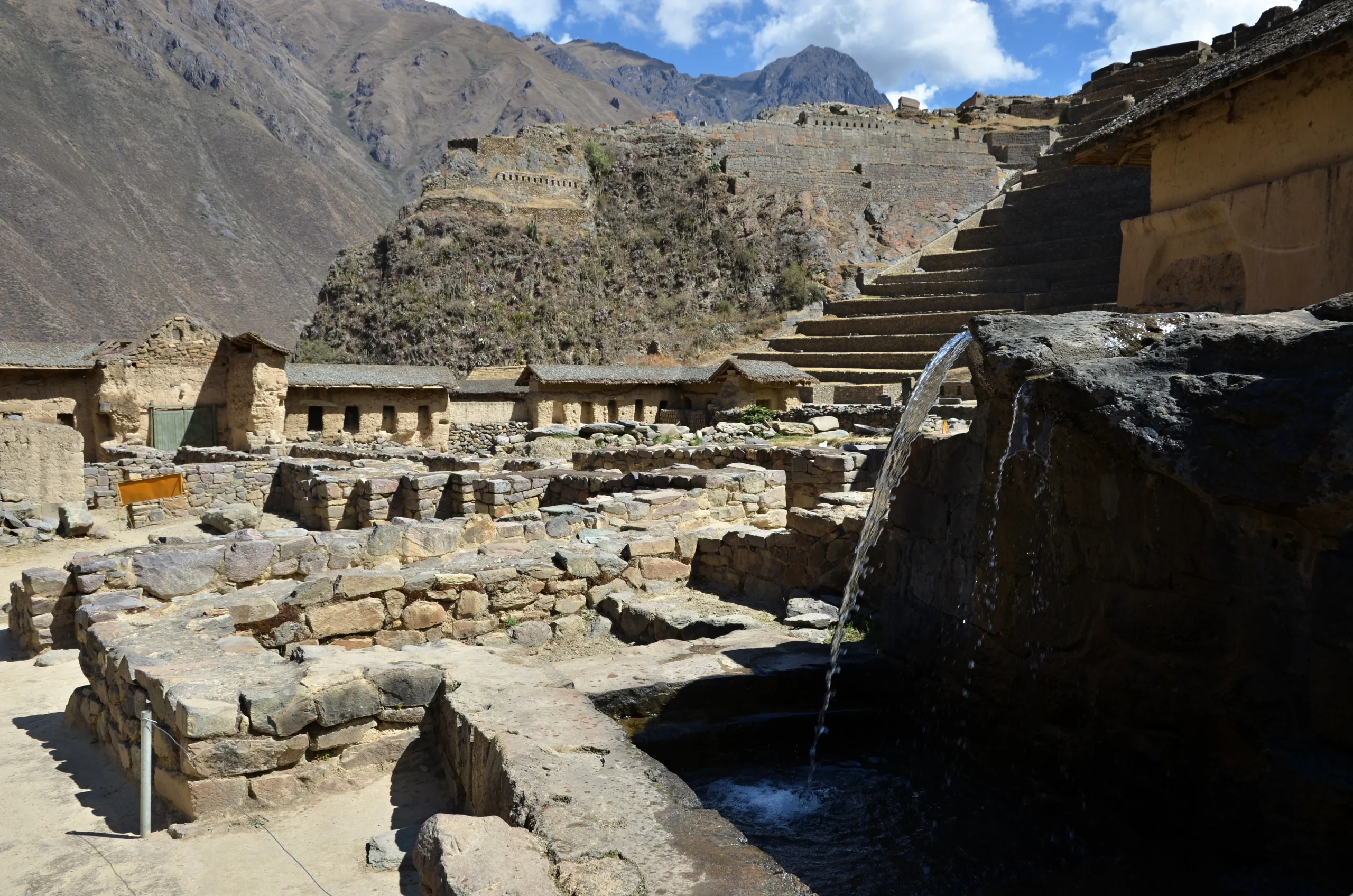
Ollantaytambo is one of the best-preserved Inca towns and serves as the starting point for many travelers heading to Machu Picchu. Explore the town’s narrow streets, admire the Inca stonework, and climb the ancient terraces for a spectacular view of the valley below.
The streets of Ollantaytambo are a living museum, with original Inca stonework forming the foundations of modern buildings. Walking through the town is like stepping back in time, as the layout and architecture remain largely unchanged. The town’s cobblestone paths and water channels reflect the ingenuity of Inca urban planning. Visitors can explore these historical streets at their leisure, uncovering the rich legacy of Inca civilization.
The fortress of Ollantaytambo is a remarkable example of Inca military architecture, strategically positioned to guard the Sacred Valley. Its terraces and stone structures were designed for both defense and agricultural purposes, showcasing the dual functionality of Inca engineering. Climbing to the top of the fortress offers breathtaking views of the surrounding valley and mountains. The site invites reflection on the strategic brilliance and resilience of the Inca Empire.
Today, Ollantaytambo serves as a vital connection point for travelers journeying to Machu Picchu. The town’s train station is a gateway to this iconic destination, providing a seamless link between history and modern exploration. Visitors often choose to stay in Ollantaytambo to experience its unique charm before embarking on their Machu Picchu adventure. The town’s blend of ancient heritage and contemporary convenience makes it an ideal starting point for exploring the wonders of Peru tours.
Cusco is a paradise for outdoor enthusiasts, offering a variety of hiking trails and adventurous activities. Whether you’re trekking the renowned Inca Trail or exploring lesser-known paths like doing a Rainbow Mountain tour, there’s no shortage of breathtaking landscapes to discover.
The Inca Trail is the crown jewel of Cusco’s hiking experiences, leading adventurers through stunning landscapes to the sacred site of Machu Picchu, The Lost Inca City. This multi-day trek challenges hikers with its rugged terrain and high Cusco elevation, rewarding them with breathtaking vistas and a sense of accomplishment. For those seeking alternative routes, the Humantay Lake, Salkantay and Lares treks offer equally captivating journeys through diverse ecosystems and remote villages. Each trail presents a unique adventure, catering to a range of interests and fitness levels.
The Vilcabamba trek takes explorers through lush jungles and ancient ruins, providing a glimpse into the area’s rich biodiversity and history. These off-the-beaten-path trails offer solitude and serenity, allowing hikers to connect deeply with nature.
Cusco’s diverse landscape offers more than just hiking, with a plethora of adventure activities to satisfy thrill-seekers. Mountain biking through the Sacred Valley provides an exhilarating way to explore its stunning scenery and ancient sites. For those seeking an adrenaline rush, white-water rafting on the Urubamba River offers an exciting challenge amidst breathtaking landscapes. Paragliding over the Andes provides a bird’s-eye view of the region’s dramatic geography, offering an unforgettable perspective on Cusco’s natural beauty.
Embarking on the Inca Trail requires careful preparation and planning to ensure a successful and enjoyable trek. Permits are limited and must be secured well in advance, often requiring booking through a licensed tour operator. Physical fitness is essential, as the trail’s high altitudes and rugged terrain present significant challenges. Prospective trekkers should engage in pre-hike training and acclimatization to Cusco’s altitude to maximize their experience.
The Inca Trail traverses a variety of ecosystems, each with its unique flora and fauna. Hikers will journey through lush cloud forests, high-altitude grasslands, and subtropical jungles, experiencing the region’s incredible biodiversity. Along the way, they may encounter exotic wildlife, from elusive spectacled bears to vibrant orchids. This diverse natural tapestry adds depth to the trek, offering continuous discovery and wonder.
The Inca Trail is not just a physical journey but also a cultural and historical exploration, as it passes by several significant archaeological sites. Ruins such as Wiñay Wayna and Phuyupatamarca provide insight into Inca engineering, agriculture, and religious practices. Knowledgeable guides share stories and legends of the Incas, enriching the trekking experience with cultural context. Each site adds to the narrative of the trail, culminating in the awe-inspiring arrival at Machu Picchu.
For a shorter day trip, consider hiking to Rainbow Mountain, known for its vibrant, multicolored stripes. The journey to the summit is challenging but rewarding, offering spectacular views of the surrounding Andean peaks.
Rainbow Mountain, or Vinicunca, is renowned for its strikingly colorful appearance, created by mineral deposits over millennia. The mountain’s vibrant stripes of red, yellow, and green create a surreal landscape that captivates visitors. This geological wonder is a testament to the earth’s dynamic processes, offering a visual feast for geologists and nature enthusiasts alike. Capturing the mountain’s vivid hues on camera is a must for any photographer visiting Cusco.
The hike to Rainbow Mountain is a challenging endeavor, with high altitudes and steep inclines testing even seasoned hikers. However, the effort is well worth it, as the trail offers breathtaking views of the Andean landscape and glimpses of local wildlife. Hikers often encounter llamas and alpacas grazing along the route, adding to the unique experience. Reaching the summit provides a sense of triumph and fulfillment, as the panoramic views unfold before you.
The Rainbow Mountain region is home to traditional Quechua-speaking communities, offering opportunities for cultural exchange and connection. Visitors can engage with local villagers, learning about their way of life and traditional practices. Purchasing handmade crafts and textiles from community members supports their livelihoods and preserves their cultural heritage. This cultural immersion enriches the Rainbow Mountain experience, providing a deeper understanding of the region and its people.
Cusco is alive with vibrant festivals and traditions that offer a window into the region’s rich cultural heritage. Time your visit to coincide with Inti Raymi, the Festival of the Sun, or the colorful Corpus Christi celebrations, and witness traditional dances, music, and rituals that have been passed down through generations.
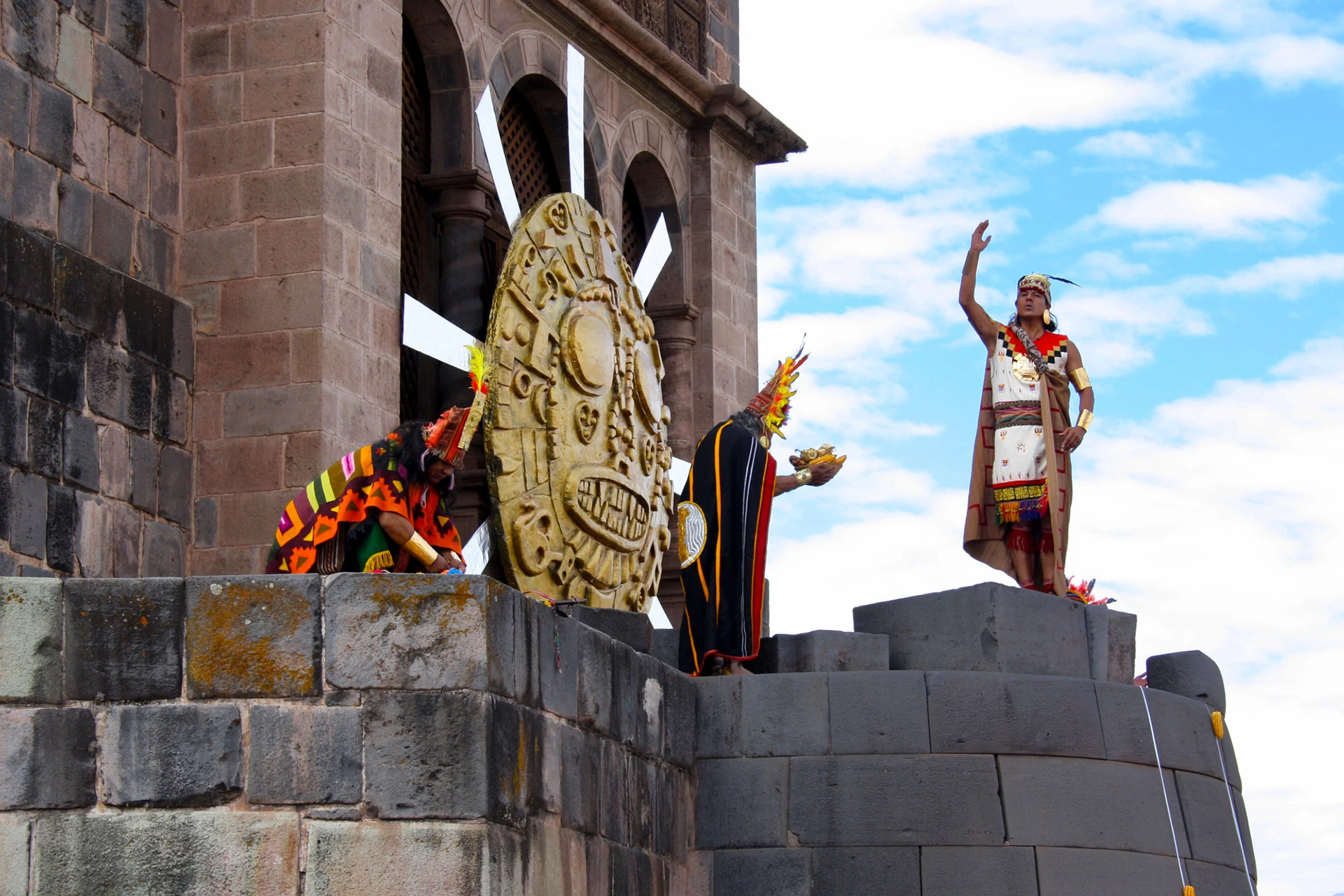
Inti Raymi, the Festival of the Sun, is one of Cusco’s most important celebrations, held annually in June. This vibrant festival honors Inti, the Inca sun god, with elaborate reenactments of ancient rituals and ceremonies. The event attracts thousands of visitors, who gather to witness the colorful processions and traditional dances that fill the city’s streets. Participating in Inti Raymi offers a unique glimpse into the spiritual and cultural legacy of the Inca Empire.

Corpus Christi is a significant religious festival in Cusco, combining Catholic traditions with Andean customs. The celebration features processions of richly adorned saints and virgins, accompanied by lively music and dance. This fusion of beliefs showcases the syncretism that characterizes Cusco’s cultural identity. Visitors will be captivated by the festival’s vibrant atmosphere and the devotion of its participants, offering a deeper understanding of the region’s spiritual heritage.
Beyond the major festivals, Cusco is home to numerous local celebrations that reflect the community’s unique traditions and customs. From harvest festivals to patron saint days, these events offer insight into the daily lives and beliefs of the region’s people. Travelers are often welcomed to join in the festivities, providing opportunities for meaningful cultural exchange. Experiencing these local celebrations allows visitors to connect with Cusco’s vibrant and diverse cultural tapestry.
Cusco is a city that captivates with its blend of history, culture, and natural beauty. Whether you’re exploring ancient ruins, hiking scenic trails, or immersing yourself in local traditions, Cusco offers a wealth of experiences that will leave you with unforgettable memories. Pack your bags and get ready to discover the wonders of this incredible destination.