Embarking on the Inca Trail is more than just a hike; it’s a journey through history, culture, and breathtaking landscapes. As seasoned travelers, we, Rober and Lety, are thrilled to guide you through everything you need to know about this iconic trek. Whether you’re a corporate executive with limited time, a freelance photographer in search of stunning vistas, or an academic researcher seeking cultural insights, this guide will equip you with the knowledge to navigate the Inca Trail with confidence.
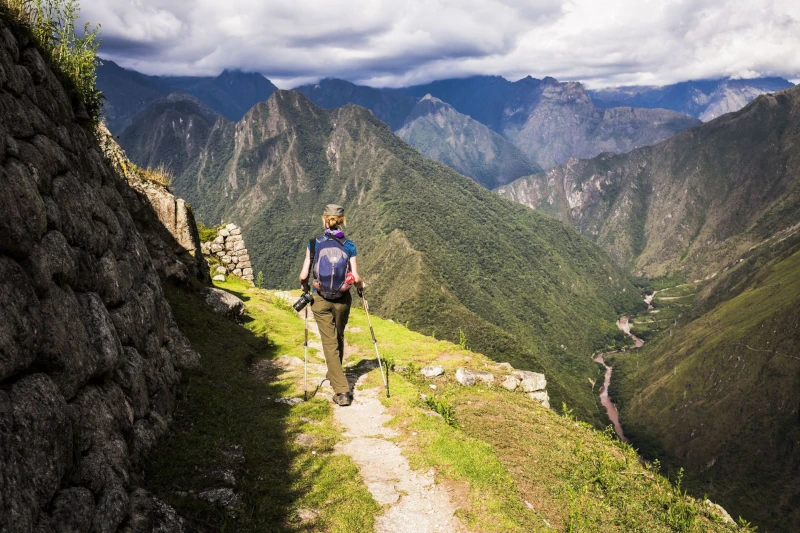
The Inca Trail is a network of trails built by the Incas over 500 years ago, leading to the magnificent city of Machu Picchu. In fact this ancient path weaves through the Andes, offering trekkers a glimpse into the rich history and architectural prowess of the Inca civilization. Moreover the trail is part of a larger system of roads called the Qhapaq Ñan, which connected the vast Inca Empire, stretching from present-day Colombia to Chile.

The Inca Trail was not just a simple path; it was a strategic feat of engineering. Built during the height of the Inca Empire, it served both practical and ceremonial purposes. Also the Incas designed the trail to withstand the rugged terrain of the Andes, using materials like stone and natural topography to enhance its durability. Moreover these construction techniques are a testament to the Incas’ advanced understanding of civil engineering and their ability to harmonize infrastructure with nature.
The trail was integral to the Incan society, facilitating trade, communication, and military movement. It linked various regions of the empire, allowing for efficient administration and cultural exchange. Moreover, the trail was used for religious pilgrimages, with Machu Picchu being a significant spiritual destination. Understanding this context enriches the trekking experience, as hikers follow in the footsteps of messengers and pilgrims from centuries past.
The Inca Trail fell into obscurity after the Spanish conquest, only to be rediscovered in the early 20th century. Hiram Bingham exploration of Machu Picchu in 1911 brought attention to the trail and its historical importance. Today, preservation efforts ensure that the trail remains intact for future generations. Furthermore these initiatives focus on maintaining the trail’s integrity while accommodating the increasing number of visitors each year.
There are two main trekking routes to Machu Picchu: the Classic Inca Trail and the Short Inca Trail. Each offers a unique experience, so let’s break them down:
The Classic Inca Trail is the most famous route, spanning approximately 26 miles (42 kilometers) and taking about four days to complete. This trek is known for its challenging terrain and stunning views of snow-capped mountains, cloud forests, and archaeological sites.
The journey begins near Cusco, as hikers embark on a path through the Sacred Valley. This day is a gentle introduction, where you’ll encounter lush valleys and small villages. Trekkers are often greeted by local communities, offering a glimpse into rural Andean life. This initial segment allows hikers to acclimate and enjoy the serene beauty of the surroundings.
Day two is the most challenging, featuring a steep ascent to Dead Woman’s Pass, the trail’s highest point at 13,779 feet (4,200 meters). The climb tests endurance but rewards with panoramic views. This part of the trail is a rite of passage for many, symbolizing personal triumph and resilience. The descent into the cloud forest offers a stark contrast, with diverse flora and fauna.
On the third day, hikers traverse through archaeological wonders like Wiñay Wayna, which means “Forever Young” in Quechua. This day is less strenuous, allowing for exploration of ancient ruins. The intricate stonework and terraces showcase the Incas’ architectural genius. As you walk through these sites, the connection between history and nature becomes increasingly evident.
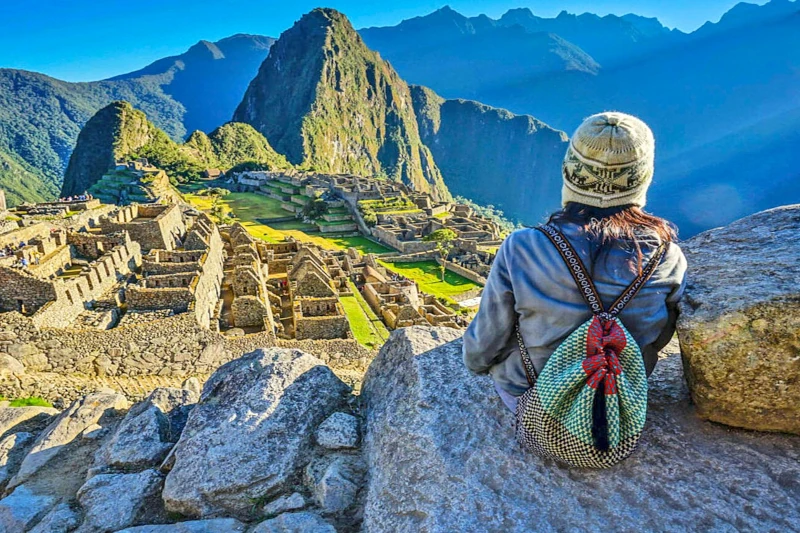
The final stretch leads to the Sun Gate, where you’ll catch your first glimpse of Machu Picchu at sunrise. This moment is often described as magical, as the morning light reveals the grandeur of the ancient city. The sense of achievement and awe experienced here is unparalleled, marking the culmination of an incredible journey.
If you’re short on time, the Short Inca Trail is a great alternative. This one-day trek covers about 7.5 miles (12 kilometers) and offers a taste of the Classic route.

The journey begins at Km 104 on the train line to Aguas Calientes. This starting point is accessible and allows for a quicker ascent into the heart of the trail. The initial climb is invigorating, offering a quick transition from the train to the natural wonders of the Andes. It’s a perfect introduction for those who prefer a condensed yet impactful experience.
As you progress, the trail offers breathtaking views and historical sites. You’ll visit the archaeological site of Chachabamba, an ancient ceremonial center. The trail meanders along the Urubamba River, providing panoramic vistas that are perfect for photography. Each turn reveals new perspectives of the stunning Andean landscape, making the journey as visually rewarding as it is physically.
The Short Inca Trail culminates at the Sun Gate in the afternoon. The arrival here offers a more intimate experience, as the crowds are often thinner compared to the morning. Witnessing Machu Picchu from above, bathed in the warm afternoon light, is a sight to behold. It’s a fitting conclusion to a day filled with adventure and discovery.
As you trek, you’ll encounter several highlights that make the Inca Trail a once-in-a-lifetime experience.
Rising behind Machu Picchu, Huayna Picchu is a must-see for those seeking a bird’s-eye view of the ancient city. While challenging, the hike up Huayna Picchu is rewarding, offering panoramic views and a chance to explore lesser-known ruins like the Temple of the Moon.
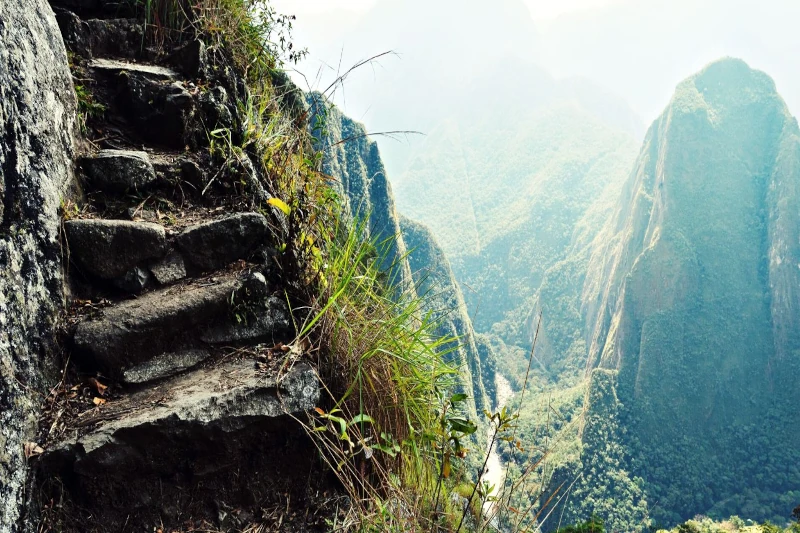
The ascent to Huayna Picchu is not for the faint-hearted. The trail is steep and narrow, demanding careful navigation. However, the challenge is part of its allure, as the climb offers a sense of adventure and accomplishment. Hikers are advised to be cautious and well-prepared, as the high altitude adds an extra layer of difficulty.

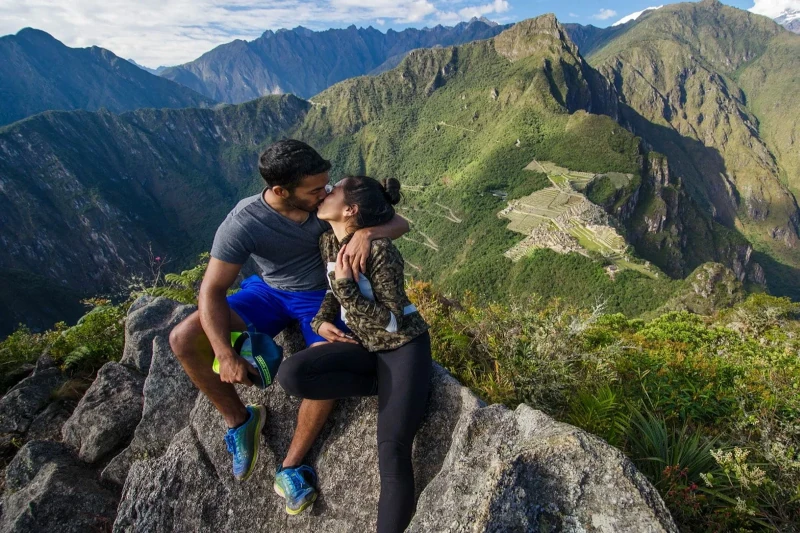
Reaching the summit provides a breathtaking panorama of Machu Picchu and the surrounding mountains. The vantage point offers a unique perspective of the ancient city, often shrouded in mist. The visual experience is complemented by the tranquility and solitude found at the top, making the effort entirely worthwhile.
Descending from Huayna Picchu, trekkers have the opportunity to visit the Temple of the Moon. This site is less frequented, offering a serene and mystical atmosphere. The temple, carved into a cave, features intricate stonework and holds significant spiritual value. It’s a hidden gem that adds depth to the Huayna Picchu experience.
Cusco, the historic capital of the Inca Empire, is the starting point for most Inca Trail treks. Cusco elevation is at 11,152 feet (3,399 meters), it’s essential to acclimatize here before beginning your journey. Explore the city’s cobblestone streets, visit the Cusco Cathedral, and enjoy local delicacies like ceviche and alpaca steak.
Cusco’s rich history is evident in its architecture, with Spanish colonial buildings juxtaposed against ancient Incan walls. The city’s historic center, a UNESCO World Heritage site, offers a fascinating blend of cultures. As you wander through its streets, the layers of history become palpable, from the Plaza de Armas to the ancient ruins of Sacsayhuamán.
Cusco is a gastronomic delight, offering a variety of traditional Andean dishes. Visitors can savor local specialties like guinea pig (cuy) and Andean corn, prepared with age-old techniques. Besides the city’s vibrant food scene is a reflection of its cultural diversity, with influences from indigenous, Spanish, and international cuisines.
The city is a cultural hub, hosting numerous festivals and events throughout the year. Inti Raymi, the Festival of the Sun, is one of the most significant, drawing visitors from all over the world. Moreover participating in such events offers insight into the traditions and beliefs of the Andean people, enriching the overall travel experience.
Nestled in the valley below Machu Picchu, Aguas Calientes is the perfect place to relax after your trek. Soak in the natural hot springs, enjoy a hearty meal, and rest up before your visit to Machu Picchu.
Aguas Calientes, also known as Machu Picchu Lost Inca City, is a charming town that serves as the gateway to the ancient city. Its welcoming atmosphere is characterized by bustling markets and friendly locals. In fact the town provides a refreshing contrast to the rigorous trek, offering comfort and hospitality to weary travelers.
It’s crucial to book your Machu Picchu tickets and Inca Trail permits well in advance, as they sell out quickly. Only a limited number of permits are issued each day to preserve the trail’s integrity. Consider using a reputable tour operator to handle logistics and ensure the best tour package.

Permits for the Inca Trail are regulated to maintain the trail’s condition and minimize environmental impact. These regulations ensure a sustainable tourism model, protecting the trail for future generations. Understanding the permit process and regulations is essential for planning a successful trek.
Selecting a reputable tour operator can greatly enhance your trekking experience. A good operator will provide knowledgeable guides, quality equipment, and comprehensive logistical support. Research and reviews are crucial in making an informed choice, ensuring a hassle-free and enriching journey.
The timing of your trek can impact your experience significantly. The dry season, from May to September, is ideal for trekking, offering clear skies and stable weather conditions. However, planning your visit during the shoulder months of April and October can provide a quieter experience with fewer crowds.
Acclimatization is crucial to prevent altitude sickness and ensure a comfortable trek. Spending time at high altitudes before starting the hike helps your body adjust. It’s recommended to avoid alcohol and heavy exertion during this period, allowing your body to acclimate naturally.
Packing appropriately is key to a successful trek. Essential items include a sturdy backpack, rain gear, and a first aid kit. Lightweight, moisture-wicking clothing is ideal for the varying climate conditions. Packing smart minimizes discomfort and maximizes enjoyment on the trail.
Maintaining proper hydration is vital, especially at high altitudes. Carry a reusable water bottle and refill it at designated points along the trail. Nutrient-rich snacks, like nuts and dried fruits, provide energy and sustenance during the trek. Preparing for dietary needs ensures a healthy and enjoyable adventure.
Respecting the trail and its environment is paramount. Following Leave No Trace principles helps preserve the natural beauty and integrity of the Inca Trail. Simple actions, such as disposing of waste properly and staying on designated paths, contribute to the sustainability of this iconic trek.
The Inca Trail is not just about stunning landscapes; it’s an opportunity to connect with the rich culture of the Andes. Engage with local communities, learn about traditional Andean music, and immerse yourself in the spiritual significance of the trail.
The Inca Trail, along with Machu Picchu, is a UNESCO World Heritage site, recognized for its historical and cultural significance. This status ensures the preservation of the trail and its surroundings, allowing future generations to experience its wonders.
The UNESCO designation highlights the global importance of the Inca Trail. It acknowledges the trail’s historical, cultural, and architectural value, ensuring international protection and preservation efforts. This recognition enhances the trail’s prestige and attracts visitors from around the world.
Preservation efforts focus on maintaining the trail’s authenticity while accommodating modern tourism. Challenges include managing visitor numbers and mitigating environmental impact. Ongoing research and conservation projects aim to address these issues, balancing preservation with accessibility.
The Inca Trail and Machu Picchu have a profound impact on global culture. They inspire curiosity and admiration, fostering a greater understanding of Incan civilization. This cultural exchange enriches both visitors and local communities, promoting cross-cultural appreciation and dialogue.
Interacting with local communities along the trail adds depth to the trekking experience. Many communities offer homestays and cultural tours, providing insight into traditional Andean life. Engaging with locals fosters mutual respect and understanding, enriching the journey with personal connections.
The Andes are rich in musical and artistic traditions. Throughout your trek, you’ll encounter traditional music, characterized by instruments like the pan flute and charango. Local artisans also offer handcrafted items, showcasing the region’s vibrant cultural heritage.

The Inca Trail holds deep spiritual meaning for many Andean people. It is considered a path of pilgrimage, connecting sacred sites and natural landmarks. Understanding this spiritual context adds a layer of reverence and introspection to the trek, enhancing its transformative potential.
Embarking on the Inca Trail is an unforgettable adventure that combines history, culture, and natural beauty. Whether you’re drawn by the challenge of the hike, the allure of Machu Picchu, or the cultural insights along the way, this trek offers something for everyone. We hope this guide empowers you to plan your journey with confidence and make the most of your Inca Trail experience. Safe travels!