Nestled in the vibrant city of Cusco, Qoricancha stands as a testament to the architectural brilliance and spiritual significance of the Inca civilization. Known as the “Temple of the Sun,” this sacred site was once the richest temple in the Inca Empire, adorned with gold and overflowing with offerings to the sun god, Inti. Today, it offers travelers a glimpse into the past and a chance to explore the cultural heart of the Sacred Valley.
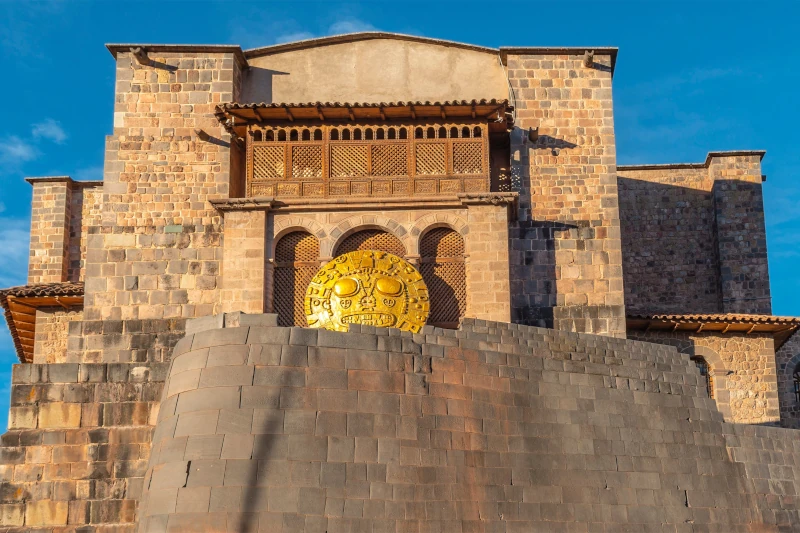
Qoricancha, or “Golden Courtyard,” was the most important temple in the Inca Empire. Its walls and floors were once covered in sheets of pure gold and silver, and the garden was filled with golden statues. The golden temple served as a pivotal religious center where ceremonies like the Inti Raymi were held, and offerings were made to Inti, the sun god, and other deities.

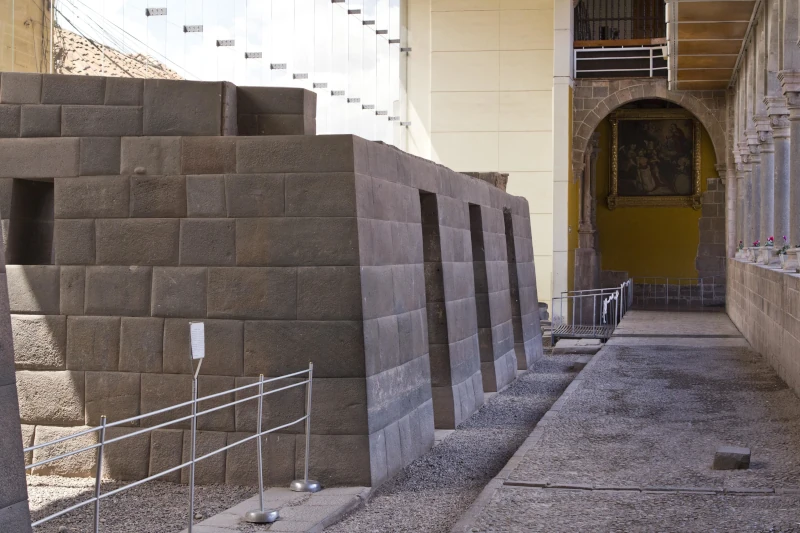
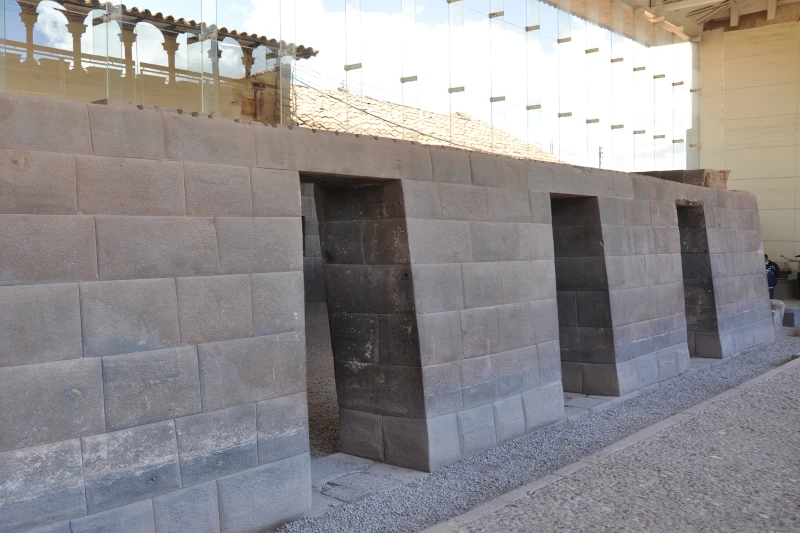
The sheer architectural prowess displayed at Qoricancha is awe-inspiring. The Incas were master stone masons, and their ability to construct walls using precisely cut stones that fit together without mortar is legendary. This technique, known as ashlar masonry, allowed the structures to withstand earthquakes, a frequent occurrence in the region. The temple’s construction reflects the Incas’ deep understanding of engineering and their respect for the natural environment, as they built harmoniously with the landscape.
Qoricancha was not just an architectural wonder but also a cultural and spiritual epicenter. It was here that the most important religious ceremonies took place, aligning with the solstices and equinoxes, which were crucial in the Inca calendar. The rituals conducted within its walls were deeply rooted in the worship of Inti, the sun god, who was believed to be the ancestor of the Inca rulers. The temple also housed mummies of past emperors, underscoring its role as a sacred space of communion with the divine and the deceased.
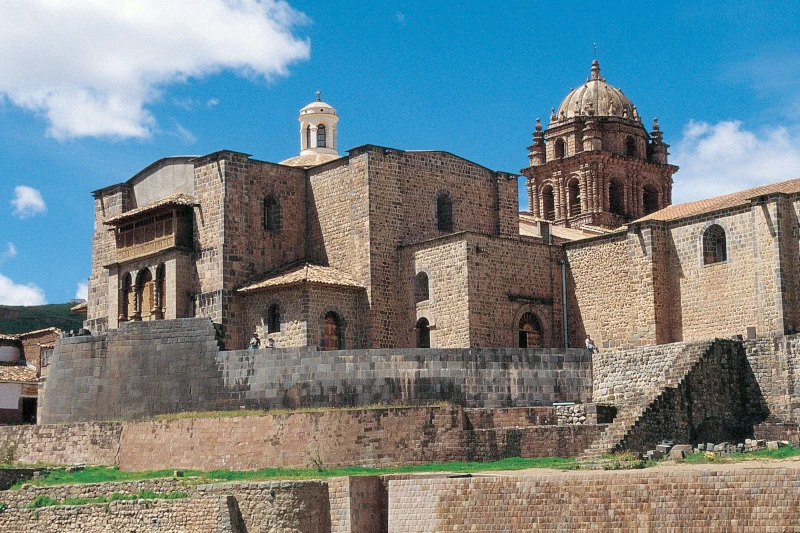
The arrival of the Spanish conquistadors in the 16th century marked a significant transformation for Qoricancha. The Spanish stripped the temple of its gold and built the Convent of Santo Domingo atop its ruins. Despite these changes, the foundation and some structures of the original temple remain, offering visitors a unique blend of Inca and colonial architecture.
The Spanish conquest led to a dramatic cultural shift in the Andes, with Qoricancha at the heart of this transformation. The temple’s desecration symbolized the broader efforts to supplant indigenous beliefs with Christianity. The Spaniards repurposed the site for the construction of the Convent of Santo Domingo, using the temple’s sacred stones to build their new religious establishment. This act was not only physical but also symbolic, representing the imposition of a new religious order over the ancient Inca traditions.
Despite the Spanish efforts to erase the Inca influence, the resilience of the original structures is evident even today. The base of the temple, with its impeccably fitted stones, remains intact, standing as a testament to Inca craftsmanship. Over the years, efforts have been made to preserve both the Inca and colonial elements of Qoricancha. This preservation allows visitors to appreciate the site’s complex history and its role as a confluence of cultures.
Today, Qoricancha stands as a reminder of the past and a site of reflection for the future. It serves as a place where visitors can contemplate the impact of colonization and the resilience of cultural identity. The temple’s story, from its golden days to its transformation into a colonial church, offers a powerful narrative of change, adaptation, and endurance.
Visiting Qoricancha is like stepping into a world where history and culture converge. As you wander through its halls, you’ll witness the seamless integration of Inca stonework with Spanish colonial architecture, a testament to the site’s layered history.
Walking through Qoricancha, visitors can observe firsthand the blending of Inca and Spanish influences. The juxtaposition of the massive Inca stone walls with the elegant colonial arches creates a visual narrative of cultural fusion. This architectural harmony reflects the broader blending of traditions, beliefs, and practices that emerged in the region following the Spanish conquest. Each corner of the site tells a story, inviting travelers to explore the complexities of cultural integration.

The Inca walls at Qoricancha are a testament to ancient engineering prowess. Visitors can appreciate the enormity of the stones, some weighing several tons, meticulously placed to form a seamless structure. The walls, with their slight inward slope, showcase the Incas’ understanding of seismic forces, allowing the structure to withstand earthquakes.
Inside the Convent of Santo Domingo, visitors will find an array of artistic treasures that reflect the fusion of Inca and Spanish cultures. The convent’s art collection includes colonial-era paintings and religious artifacts, offering a glimpse into the artistic expression of the period. The cloisters, with their serene beauty, provide a peaceful retreat for contemplation.
Qoricancha’s design was deeply intertwined with celestial events, highlighting the Incas’ advanced understanding of astronomy. The temple’s windows and niches were strategically aligned with the sun’s path, allowing priests to track solstices and equinoxes. This sophisticated knowledge of the cosmos underscores the Incas’ reverence for the natural world and their desire to harmonize with its rhythms.
A guided tour can transform your visit into an educational journey. Knowledgeable guides offer fascinating insights into the history, architecture, and cultural significance of Qoricancha. Their stories bring the site to life, helping you understand the nuances of Inca and colonial influences that shaped this iconic landmark.

Photography enthusiasts will find Qoricancha a haven for creativity. The site’s unique architecture, combined with the play of light and shadow, offers countless opportunities for striking photographs. Whether capturing the intricate stonework or the contrast between Inca and colonial elements, there’s no shortage of visual inspiration.
While Qoricancha is a must-see, the Sacred Valley of the Incas offers a plethora of other fascinating historical sites worth exploring. From the bustling streets of Cusco to the serene landscapes of Ollantaytambo, there’s no shortage of adventures to embark on.
The Sacred Valley is a region steeped in history and natural beauty. As you journey through its landscapes, you’ll encounter awe-inspiring vistas of terraced hills, ancient ruins, and vibrant local communities. The valley’s serene atmosphere invites travelers to connect with nature and explore the remnants of a once-great civilization. Each stop offers a unique perspective on Inca life, their engineering marvels, and their spiritual beliefs.
Located just a short drive from Cusco, Ollantaytambo is a living museum of Inca architecture and urban planning. Wander through its cobblestone streets and marvel at the fortress ruins that rise dramatically above the town. This site offers a window into the life of the Incas and serves as a starting point for your Machu Picchu tour.
Ollantaytambo’s fortress is an impressive example of Inca military architecture. The massive stone terraces and walls were designed to defend against invasions, showcasing the Incas’ strategic prowess. As you climb the fortress, you’ll be rewarded with breathtaking views of the valley and a deeper understanding of the Incas’ defensive strategies.
The town of Ollantaytambo provides an authentic glimpse into Andean culture. Its residents maintain traditional ways of life, offering visitors a chance to experience local customs and crafts. Strolling through the markets and interacting with artisans allows for a deeper appreciation of the region’s cultural heritage.
Ollantaytambo serves as a starting point for many travelers heading to Machu Picchu. The town’s train station provides convenient access to this iconic site, making it an essential stop on any Sacred Valley itinerary. The journey from Ollantaytambo to Machu Picchu is a scenic adventure in itself, offering stunning views of the Andean landscape.
No visit to Cusco is complete without a stop at the Plaza de Armas. This bustling square is the city’s cultural hub, surrounded by historical landmarks such as the Cathedral of Cusco. Take a leisurely stroll, savor local cuisine, and immerse yourself in the lively atmosphere.
The Plaza de Armas has been the heart of Cusco since Inca times, serving as a central gathering place for ceremonies and celebrations. Today, it remains a focal point of the city, surrounded by colonial-era buildings that tell the story of Cusco’s rich history. The cathedral, with its intricate façade, stands as a testament to the city’s architectural evolution.
Cusco’s Plaza de Armas is a culinary hotspot, offering a range of dining options that showcase the flavors of Peru. From street vendors selling traditional snacks to upscale restaurants serving gourmet dishes, the square is a paradise for food lovers. Sampling local delicacies like quinoa soup or alpaca steak provides a taste of the region’s diverse gastronomy.

For those with limited time, crafting a well-organized itinerary is key to maximizing your experience. Whether you’re a corporate executive seeking a hassle-free vacation, a freelance photographer in search of picturesque locations, or an academic researcher pursuing cultural experiences, here’s how you can make the most of your trip.
Begin your journey by arriving in Cusco, a city rich in history and culture. Take the time to acclimate to the high altitude, allowing your body to adjust. Spend the afternoon exploring the Plaza de Armas, where you can immerse yourself in the city’s vibrant atmosphere and sample local cuisine.
Dedicate your second day to discovering Qoricancha. A guided city tour will provide valuable insights into the archaeological site and its significance, as well as the broader context of Inca and colonial influences in Cusco. This day will deepen your understanding of the cultural fusion that defines the region.
Embark on a day trip to Ollantaytambo, a town that offers a unique window into the Inca civilization. Explore the fortress ruins, engage with local culture, and prepare for the next leg of your journey to Machu Picchu. This day is a celebration of Inca ingenuity and resilience.
Venture into the Sacred Valley, exploring sites like Pisac and the Maras salt mines. These destinations offer a mix of natural beauty and historical intrigue, providing a well-rounded experience of the region’s offerings. Each stop adds a new layer to your understanding of the Inca world.
Cusco’s altitude can be challenging for first-time visitors. It’s important to take it slow, avoid strenuous activities on your first day, and drink plenty of water. Coca tea, a traditional remedy, is widely available and can help alleviate symptoms of altitude sickness.
Respect for local customs is essential when visiting the Sacred Valley. Always ask for permission before taking photographs of people, especially in rural areas where traditions are deeply held. Acknowledging and respecting cultural practices enriches your travel experience and fosters positive interactions.
The secrets of Qoricancha and the Sacred Valley invite you to delve deep into Peru’s rich tapestry of history and culture. By planning thoughtfully and embracing the journey with curiosity and respect, you’ll return home with not only stunning photographs and cherished memories but also a profound appreciation for the legacy of the Incas. Don’t forget to check other stunning places in Cusco like the Humantay Lake or Salkantay routes to Machu Picchu to enrich your experience, so Happy travels!
As your journey concludes, take a moment to reflect on the experiences and insights gained during your travels. The stories of the Incas, their architectural marvels, and the cultural fusion with colonial influences offer a deep understanding of Peru’s complex history. This reflection enriches your appreciation for the vibrant culture and enduring legacy of the region.