Understanding Cusco Elevation and Its Effects

Cusco, a city nestled in the heart of the Peruvian Andes, is known for its rich cultural heritage and stunning landscapes. However, one of its most defining characteristics is its elevation. Understanding the elevation of Cusco and its implications is crucial for anyone planning to visit or engage in activities in the region. This article will delve into the effects of Cusco’s elevation, its impact on visitors, and how to prepare for it. The elevation not only influences the physical environment but also the social and cultural dynamics that make Cusco such a unique destination.

Cusco Elevation: An Overview

cusco elevation

Cusco is situated at an elevation of approximately 3,400 meters (11,152 feet) above sea level. This places it among the highest cities in the world. The altitude is a significant factor that shapes the city’s climate, culture, and even the lifestyle of its inhabitants. The thin air and decreased oxygen levels at this elevation present both challenges and opportunities for locals and visitors alike. Cusco’s elevation influences everything from the types of crops that can be grown to the architectural styles that have evolved over centuries.

The Impact of Elevation on Climate

The high elevation of Cusco results in a unique climate characterized by two main seasons: wet and dry. The dry season, from May to October, brings sunny days and cool nights, making it an ideal time for visitors. In contrast, the wet season, from November to April, is marked by frequent rains and milder temperatures. The drastic temperature changes between day and night are a direct result of the altitude, which affects how the atmosphere retains heat. This climate plays a significant role in determining the best times to visit and the types of activities that can be enjoyed.

The dry season is particularly favored by tourists and locals for outdoor adventures, including trekking and exploring historical sites. The crisp air and clear skies provide breathtaking views of the surrounding mountains and valleys. Conversely, the wet season, while less predictable, offers its own beauty with lush, green landscapes and fewer crowds at popular tourist attractions. Understanding these seasonal variations is crucial for planning your itinerary and ensuring a memorable visit.

The Influence of Elevation on Culture and Lifestyle

The elevation has also played a role in shaping the culture and lifestyle in Cusco. Traditional Andean practices, such as agriculture and architecture, are adapted to high-altitude conditions. Terraced farming, for instance, is a common sight, Moray is a great example where incas cultivated crops like potatoes and quinoa effectively. These terraces are not only functional but also a testament to the ingenuity and resilience of the Andean people in adapting to their environment.

The unique elevation has also influenced social customs and traditions. Festivals often incorporate elements that celebrate the mountains and the heavens, reflecting a deep spiritual connection to the land. The high-altitude conditions have led to the development of specific architectural styles, with buildings designed to withstand temperature fluctuations and maximize natural light. As a visitor, experiencing these cultural nuances adds depth to your understanding of Cusco and its people.

cusco elevation

Effects of Cusco’s Elevation on Visitors

For many visitors, the high altitude can be a challenge. The reduced oxygen levels at such heights can lead to altitude sickness, a condition that affects individuals unaccustomed to high elevations. This physiological response can catch even seasoned travelers off guard, making it essential to be informed and prepared. However, with proper acclimatization, most visitors can enjoy their stay without significant issues.

Understanding Altitude Sickness

Altitude sickness, or acute mountain sickness (AMS), is common among travelers arriving in Cusco. Symptoms include headaches, nausea, dizziness, and fatigue. While most cases are mild, severe forms can occur, necessitating medical attention. It is important to recognize the symptoms early and take appropriate action to prevent escalation. In some cases, AMS can progress to more serious conditions like high-altitude pulmonary edema (HAPE) or high-altitude cerebral edema (HACE), both of which require immediate medical intervention.

Understanding how altitude affects the body is crucial for prevention. At higher elevations, the air pressure decreases, which means that each breath contains less oxygen. The body must adjust to this new environment, a process that can take several days. Being aware of your body’s reactions and responding promptly to symptoms can make all the difference in ensuring a safe and enjoyable visit.

Tips for Acclimatization

cusco elevation

To minimize the impact of Cusco’s elevation, travelers are advised to acclimatize properly. Here are some tips:

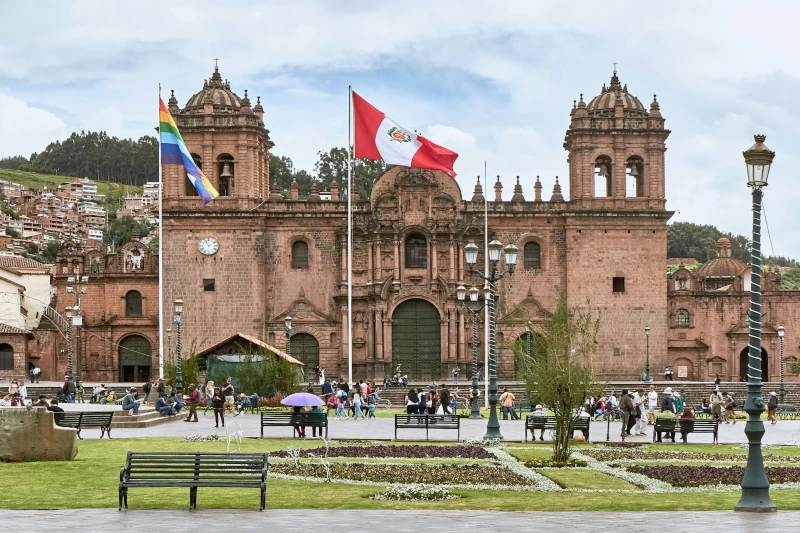
  • Take it Slow: Upon arrival, rest and avoid strenuous activities for the first 24-48 hours. This allows your body time to adjust to the lower oxygen levels without overexertion. Do light activities at the City like visiting Plaza de Armas and the Cathedral of Cusco.
  • Stay Hydrated: Drinking plenty of water helps maintain hydration levels, which can counteract the effects of altitude. Hydration is key in aiding the body to acclimatize more effectively.
  • Consider Medication: Consult a doctor about medications like acetazolamide, which can help prevent AMS. Such medications can speed up the acclimatization process by encouraging the body to breathe faster.
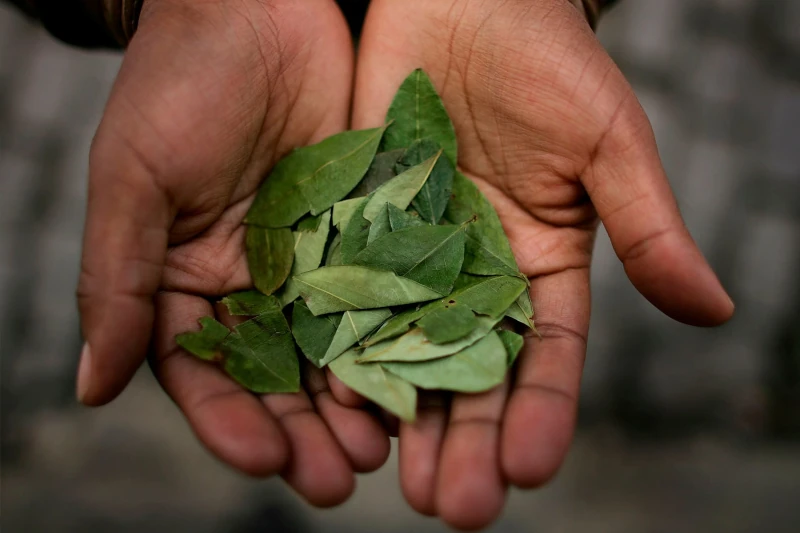
  • Chew Coca Leaves: A traditional remedy, coca leaves can be chewed or brewed into tea to alleviate symptoms. This practice has been used for centuries by Andean communities and is widely accepted as an effective natural remedy.

In addition to these tips, maintaining a balanced diet and avoiding alcohol can further support acclimatization. Keeping active but not overexerting yourself, and ensuring adequate rest, are essential components of a successful adjustment to high altitude.

Exploring the Sacred Valley and Beyond

Cusco serves as a gateway to several stunning destinations, including the Sacred Valley and Rainbow Mountain, both offering unique experiences influenced by their elevations. These destinations not only showcase the natural beauty of the Andes but also offer insights into the ancient cultures that once thrived in this region.

The Sacred Valley

The Sacred Valley lies at a lower altitude than Cusco, ranging from 2,800 to 3,000 meters (9,186 to 9,843 feet). Its lower elevation makes it a popular first stop for those acclimatizing to the region. The valley is renowned for its breathtaking landscapes, archaeological sites, and vibrant markets. Visitors can explore ancient Inca ruins, such as those of Sacsayhuaman and Ollantaytambo, which offer glimpses into the engineering prowess and spiritual life of the Incas.

In addition to its historical significance, the Sacred Valley trip is a hub for cultural experiences. The local markets are bustling with activity, offering handmade crafts, textiles, and traditional foods. The valley’s fertile lands have supported agriculture for centuries, and visitors can learn about traditional farming techniques and even participate in local agricultural activities. This blend of history, culture, and natural beauty makes the Sacred Valley an essential part of any itinerary in the region.

Rainbow Mountain

cusco elevation

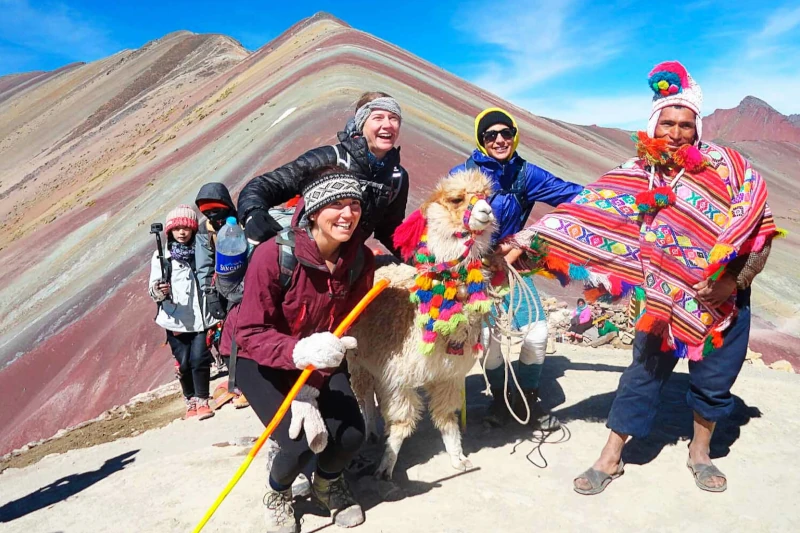
Rainbow Mountain, or Vinicunca, is another must-visit destination, situated at an elevation of about 5,200 meters (17,060 feet). The hike to Rainbow Mountain is challenging due to its high altitude, but the view of its colorful striations is a rewarding sight. These vibrant colors, caused by mineral deposits, create a striking visual spectacle that draws visitors from around the world.

The journey to Rainbow Mountain is as much about the experience as it is about the destination. Along the way, hikers are treated to stunning views of the Andes, with opportunities to encounter local wildlife and interact with communities who have lived in these highlands for generations. The trek requires a good level of fitness and acclimatization, but the effort is well worth it. Those who reach the summit are rewarded with panoramic views and a profound sense of accomplishment. There are other similar Rainbow Mountain destinations, called Palccoyo mountains at very similar height with marvelous sights.

Preparing for Your Visit to Cusco

To ensure a pleasant experience in Cusco and its surroundings, preparation is key. Here are some additional tips:

Packing Essentials

  • Layered Clothing: Temperatures can vary significantly, so pack layers to adjust to changing conditions. Layers allow you to adapt quickly to temperature changes from day to night and from one elevation to another.
  • Sun Protection: The sun’s rays are stronger at higher elevations, so bring sunscreen, sunglasses, and a wide-brimmed hat. Protecting your skin and eyes is essential, as the UV exposure can be much more intense than at sea level.
  • Comfortable Footwear: Good hiking boots are essential for exploring rugged terrains. Proper footwear provides support and traction, reducing the risk of injury on uneven paths.

In addition to these essentials, consider bringing a reusable water bottle to stay hydrated and a small first aid kit for any minor injuries. Packing wisely can make your complete circuit adventures in Cusco more comfortable and enjoyable.

Health Precautions

  • Vaccinations: Check with healthcare providers for any recommended vaccinations before traveling. This is especially important for international travelers who may be exposed to different health risks.
  • Travel Insurance: Consider purchasing travel insurance that covers medical emergencies, including altitude-related issues. Having insurance can provide peace of mind and financial protection in case of unexpected health concerns.

It’s also advisable to familiarize yourself with local healthcare facilities and emergency contacts before your trip. Being prepared for health-related issues ensures that you can focus on enjoying your travels without unnecessary worries.

Final Thoughts

Cusco’s elevation is both a defining feature and a challenge for visitors. By understanding its effects and taking the necessary precautions, travelers can fully enjoy the rich culture, stunning landscapes, and historical treasures that Cusco and its surroundings have to offer. Whether you want to enjoy a Sacred Valley tour or marvel at the vibrant hues of Rainbow Mountain, Cusco’s elevation adds an element of adventure to your journey.

In summary, being well-prepared can make all the difference in transforming potential challenges into unforgettable experiences in this high-altitude haven. Embracing the unique environment of Cusco allows you to connect more deeply with its history and culture, creating memories that will last a lifetime. As you plan your visit, remember that the elevation is not just an obstacle to overcome but an integral part of what makes Cusco such a remarkable destination.