What Is Sacsayhuaman and What to See Around It

Perched high above the city of Cusco, the majestic Sacsayhuaman ruins stand as a testament to the ingenuity of the Inca civilization. This archaeological site, known for its massive stone walls and breathtaking views, offers a glimpse into the past and a gateway to explore the rich cultural tapestry of Peru. Whether you have limited vacation time, a freelance photographer seeking the perfect shot, or an academic researcher delving into the depths of Inca history, Sacsayhuaman is a destination that deserves a spot on your itinerary.

Sacsayhuaman, often spelled as “Saqsaywaman,” is a masterpiece of Inca architecture. Built during the 15th century under the reign of the great Inca ruler Pachacuti, the site served both military and ceremonial purposes. The name Sacsayhuaman translates to “satisfied falcon,” a nod to the birds of prey that soar over the region. This etymology reflects the reverence the ancient Incas held for nature and their environment.

The Architectural Significance of Saqsayhuaman

what is sacsayhuaman

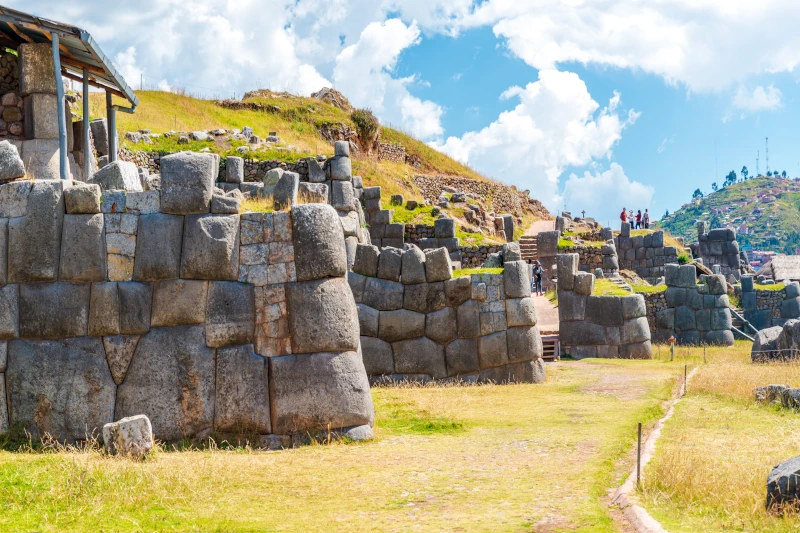
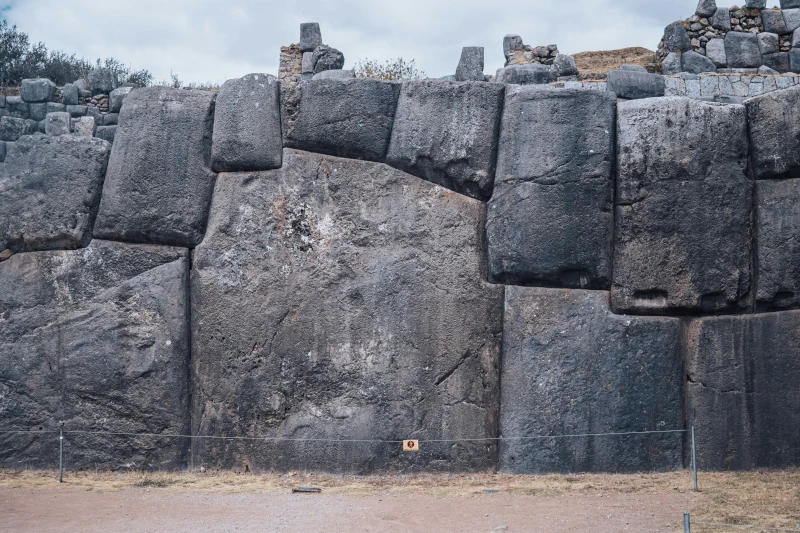
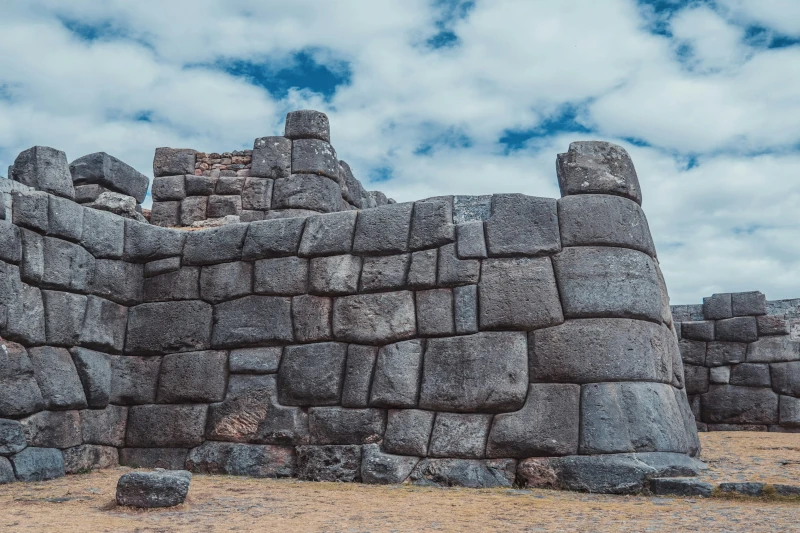
The construction of the Inca fortress, Sacsayhuaman is a marvel in itself. The massive stones, some weighing over 200 tons, are intricately carved and fitted together without the use of mortar. The precision with which these stones are placed is astounding, and it’s often said you couldn’t fit a single piece of paper between them. This feat of engineering has sparked numerous debates and theories about the methods used by the Incas. Some scholars suggest the use of simple tools and a deep understanding of geology, while others theorize more mystical explanations.

The process of transporting these colossal stones from nearby quarries remains a mystery. While theories range from the use of rolling logs to complex systems of ropes and ramps. Whatever the technique, it speaks to the organizational skills and communal effort of the Inca society. The labor force likely consisted of thousands of workers, indicating a highly structured and cooperative civilization.

Sacsayhuaman also played a significant role during the Spanish conquest of the Inca Empire. In 1536, it was the site of a fierce battle between the Spanish conquistadors and the Inca resistance led by Manco Inca Yupanqui. Despite the ultimate fall of the Inca Empire, the courage and tenacity displayed during the Battle of Sacsayhuaman remain a poignant part of its history.

This battle was crucial in the broader context of the Spanish conquest. While the Incas used the fortress to their advantage, utilizing its strategic position and robust defenses. However, the Spanish, armed with horses and firearms, eventually overcame these defenses. The fall of Sacsayhuaman marked a turning point in the conquest, symbolizing the resilience and eventual decline of the Inca resistance.

Cultural Significance

The legacy of this battle is still felt today, as it represents the clash of two vastly different cultures and the resilience of the Inca people. In fact  Modern-day commemorations and historical reenactments keep the memory of this pivotal event alive.

Sacsayhuaman holds a deep cultural significance for the indigenous people of Peru. It is considered a sacred site, embodying the spiritual and cultural essence of the Inca civilization. This reverence is evident in the meticulous care taken in its construction and the continuing traditions that honor its past.

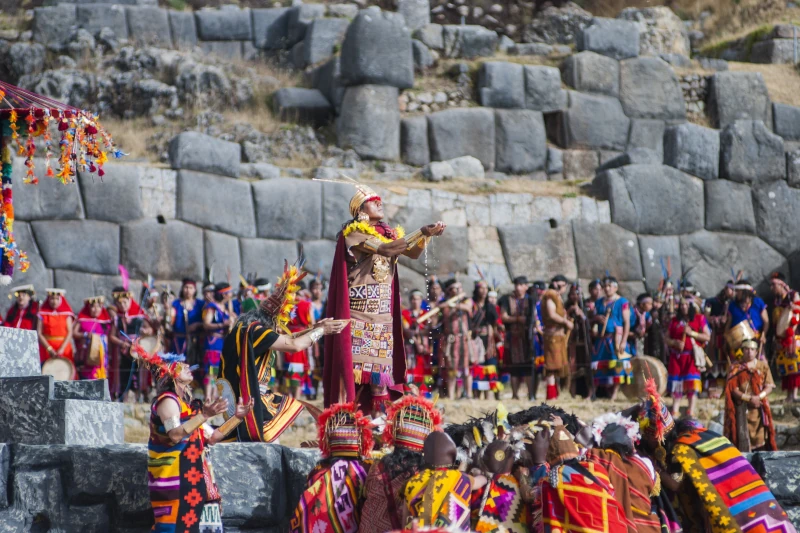
The site is often used for cultural ceremonies and festivals, such as the Inti Raymi, which celebrates the winter solstice and the sun god, Inti. So these events attract both locals and tourists, offering a unique opportunity to experience living history. The vibrant costumes, music, and rituals provide a window into the rich cultural heritage that thrives in the Andes.

what is sacsayhuaman

Conservation of the Stone Fortress

Preservation efforts are ongoing to maintain the integrity of Sacsayhuaman. This includes archaeological research, restoration projects, and collaboration with local communities. This activities ensure that the site remains a place of cultural pride and educational value for generations to come.

UNESCO world heritage site, Sacsayhuaman has distinctive zigzagging walls. These walls form a series of terraces that overlook the city of Cusco. Indeed walking along these walls, you’ll be struck by the sheer size and craftsmanship of the stones. It’s a perfect spot for photographers looking to capture the grandeur of Inca architecture.

The walls are constructed in a zigzag pattern, which not only adds to their visual appeal but also serves a strategic purpose. In fact this design allowed defenders to cover a wide range of angles against potential attackers. The terraces provide stunning views of Cusco and the surrounding mountains, making them a favorite location for both sunrise and sunset photography.

Tour Packages and Guided trips

Visitors can take guided tours to learn more about the significance of the walls and the techniques used in their construction. As well knowledgeable guides offer insights into the cultural and historical context of the site, enhancing the visitor experience. These tours often include anecdotes and legends associated with the walls, adding depth to the exploration of Sacsayhuaman.

Known locally as “Rodadero,” the Throne of the Inca is a series of smooth stone seats carved into the rock. This site is believed to have been used for ceremonial purposes, possibly as a place for the Inca emperor to observe festivities or address his people. The surrounding area offers a panoramic view of the Cusco valley. It becomes a prime location for those seeking a moment of reflection or an awe-inspiring photo.

The Throne of the Inca is an example of the Incas’ ability to integrate their architectural prowess with the natural landscape. The seats are carved directly into the bedrock, showcasing the skill and precision of Inca stonemasons. The site is often a focal point during guided tours, with experts explaining its significance in Inca society.

The Inti Raymi Festival

what is sacsayhuaman

If you happen to visit in late June, don’t miss the Inti Raymi festival, a traditional Inca celebration of the festival of the sun. This vibrant festival is held every year on the winter solstice and features colorful costumes, traditional music, and elaborate reenactments of Inca rituals. Sacsayhuaman serves as the backdrop for the main event, providing a unique opportunity to witness living history.

The Inti Raymi festival is a spectacular display of Inca culture and traditions. Participants don traditional attire, with intricate designs and vibrant colors that pay homage to their ancestors. The festival includes processions, dances, and offerings to the sun god, reflecting the deep spiritual connection the Incas had with nature.

Attending the Inti Raymi festival is a sensory experience. Music traditional instruments filling the air and the aroma of local cuisine tantalizing the senses. It’s an opportunity to immerse oneself in the cultural vibrancy of Peru and gain a deeper understanding of the Inca worldview. The festival also highlights the importance of Sacsayhuaman as a cultural and historical landmark.

Cusco City Tour

Begin your journey with a tour of Cusco, the historic capital of the Inca Empire. Stroll through the cobblestone streets, visit the Plaza de Armas, and explore the Cusco Cathedral and the Qorikancha Temple, a revered Inca site later transformed into a church by the Spanish. Each of these locations offers a glimpse into the city’s complex history and cultural fusion.

The Plaza de Armas is the heart of Cusco, surrounded by colonial architecture that tells the story of Spanish conquest and influence. It’s a vibrant area filled with cafes, shops, and street performers, offering a lively atmosphere for visitors. The Cusco Cathedral, with its intricate carvings and religious artifacts, provides insight into the blend of Inca and Spanish traditions.

The Qorikancha Temple, once the richest temple in the Inca Empire, is a testament to the architectural and cultural prowess of the Incas. Its walls, originally covered in gold, are now part of the Santo Domingo Church, showcasing the juxtaposition of Inca and colonial influences. A visit to these sites is essential for understanding the historical and cultural evolution of Cusco.

Journey to the Sacred Valley

what is sacsayhuaman

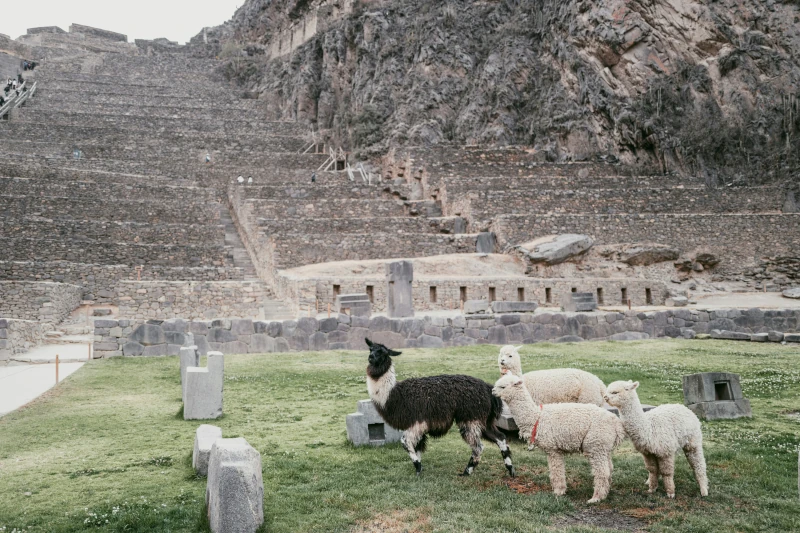
Just a short drive from Cusco, the Sacred Valley of the Incas is a fertile region filled with archaeological sites, traditional villages, and breathtaking landscapes. Highlights include the agricultural terraces of Moray, the salt mines of Maras, and the vibrant market town of Pisac. Each stop provides unique insights into the daily lives and ingenuity of the Inca people.

The agricultural terraces of Moray are an engineering marvel, designed to experiment with different crops and microclimates. The circular terraces create a stunning visual effect, reflecting the Incas’ deep understanding of agriculture and ecology. The salt mines of Maras, still in operation today, offer a glimpse into traditional salt extraction methods that have been used for centuries.

Pisac is renowned for its bustling market, where locals sell handcrafted goods, textiles, and produce. It’s a vibrant display of Andean culture, with opportunities to purchase unique souvenirs and interact with local artisans. The cultural experiences in Sacred Valley are a must-take for anyone seeking to explore the natural  beauty and cultural richness of the Andes. Through the journey magnificent sites like the fortress of Ollantaytambo or Maras and Moray are a perfect example of the valley’s richness.

Machu Picchu Excursion

No trip to Peru is complete without a visit to the legendary Machu Picchu. Accessible via train or a multi-day trek along the Inca Trail, this iconic site is a must-see for anyone interested in history, architecture, or simply soaking in one of the world’s most stunning vistas. Plan ahead, as entry Cusco tourist tickets are limited and often sell out months in advance.

Machu Picchu is a marvel of Inca engineering, perched high in the Andes and shrouded in mist. Its precise stonework and strategic location continue to captivate historians and tourists alike. The site offers breathtaking views of the surrounding mountains and valleys, providing an unforgettable backdrop for exploration.

Visitors can choose to hike the Inca Trail, a challenging but rewarding journey that follows ancient paths through diverse landscapes. For those with limited time, the train from Cusco to Aguas Calientes offers a comfortable and scenic route to Machu Picchu. Regardless of the chosen path, embarking on the adventure to discover every mystery of Machu Picchu is an awe-inspiring experience that leaves a lasting impression.

Other Notable Sites

In addition to the well-known attractions, Cusco and its surroundings boast numerous other sites worth exploring. These include the Ollantaytambo ruins, the colonial town of Chinchero, and the Inca site of Tipón. Each of these locations offers a unique perspective on the region’s history and cultural heritage.

Ollantaytambo is a well-preserved Inca town, featuring impressive terraces and a fortress that played a crucial role during the Spanish conquest. Chinchero is renowned for its traditional weaving techniques, with workshops and demonstrations that highlight the artistry of Andean textiles. Tipón is an example of Inca hydraulic engineering, with intricate water channels and terraces that demonstrate their mastery of irrigation.

Exploring these lesser-known sites provides a deeper understanding of the Inca Empire’s vast reach and influence. Each location offers a unique glimpse into the past, revealing the ingenuity and resilience of the Inca people.

Practical Tips for Visiting Sacsayhuaman

what is sacsayhuaman

Getting There

Sacsayhuaman is located just a few kilometers from Cusco’s city center. So you can reach the site by taxi, a guided tour, or even a scenic hike from the city. If you’re short on time, a taxi is the quickest option, while a guided tour can provide valuable insights and context for your visit.

For those who enjoy walking, the hike from Cusco to Sacsayhuaman offers a rewarding experience. The path winds through picturesque landscapes, providing opportunities to observe local flora and fauna. The hike is moderately challenging, so be prepared for some uphill walking.

Cusco tour packages  are an excellent option for first-time visitors, offering transportation, knowledgeable guides, and a structured itinerary. In fact tours often include visits to other nearby sites, maximizing the cultural and historical experience. Whether you choose a taxi, tour, or hike, the journey to Sacsayhuaman is an adventure in itself.

When to Visit

The best time to visit Sacsayhuaman is during the dry season, from May to October. The weather is generally clear and sunny, making it ideal for exploring and photography. However, keep in mind that this is also peak tourist season, so it’s wise to arrive early in the day to avoid crowds.

Visiting during the early morning or late afternoon can provide a more peaceful experience, as the site is less crowded. The lighting during these times is also perfect for photography, with soft shadows and warm tones enhancing the beauty of the stonework. Consider visiting during the rainy season of April or November for a balance of good weather and fewer tourists.

If your schedule allows, attending the Inti Raymi festival in June offers a unique cultural experience. Keep in mind that the best planning may include combine it with Machu picchu visits or Vinicunca Rainbow mountain Tours.

What to Bring

Be sure to wear comfortable shoes, as you’ll be walking on uneven terrain. Bring a hat, sunscreen, and plenty of water, as the high altitude and sun can be intense. A camera is a must for capturing the stunning views and intricate stonework.

Layered clothing is recommended, as temperatures can vary throughout the day. Mornings and evenings can be cool, while midday temperatures may be warm, especially in the sun. A lightweight jacket or sweater is useful for staying comfortable in varying conditions.

A small backpack can be handy for carrying essentials, including snacks and any personal items you may need. If you’re planning to explore further afield, consider bringing a map or guidebook to enhance your understanding of the site. With the right preparation, your visit to Sacsayhuaman will be both enjoyable and memorable.

Be Ready for a Unique Experience

Sacsayhuaman is a destination that offers something for everyone. Whether you’re drawn by its historical significance, architectural marvels, or cultural festivals, this remarkable site and its surroundings promise an enriching and unforgettable experience. Happy travels!