Embarking on a journey from Cusco to Puno is an adventure through the heart of Peru. The journey offers a tapestry of cultural richness, historical wonders, and breathtaking landscapes. Whether you’re a busy business person seeking a curated itinerary, a freelance photographer in search of hidden gems. You will be delving into Andean cultures, this guide will navigate you through the top attractions on this route.
At the center of Cusco lies the bustling Plaza de Armas, a vibrant square surrounded by colonial architecture and historical sites. As you stroll through the plaza, the rich sounds of local musicians blend with the chatter of tourists and locals alike. The square is also home to the Cusco Cathedral and the Church of La Compañía de Jesús, both architectural marvels that boast intricate baroque facades. For those interested in the culinary scene, the plaza is lined with restaurants and cafes. Cusco offers a delightful taste of Peruvian traditional dishes of Peru, from traditional ceviche to the more exotic alpaca steak.

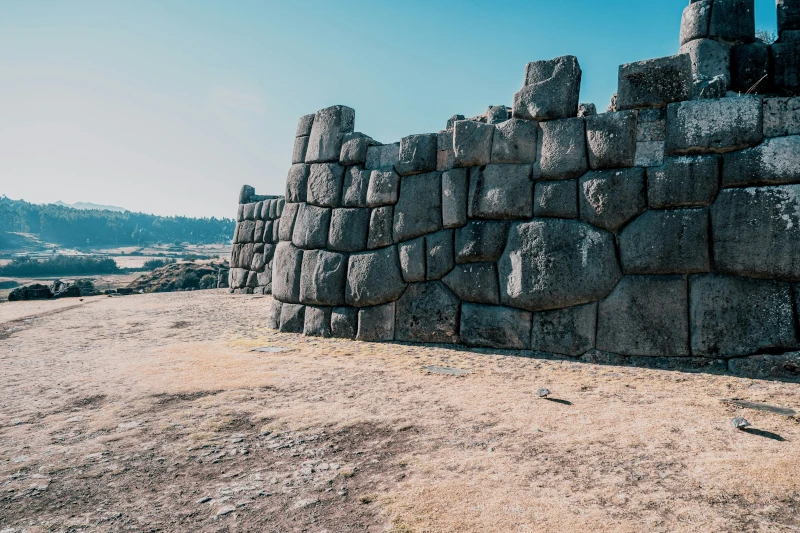
Just a short distance from the city center, the archaeological site of Sacsayhuamán offers a glimpse into the ingenuity of Incan engineering. The massive stone walls, constructed without mortar, are a testament to the skill and precision of the Inca civilization. As you walk through the site, it’s hard not to be awed by the sheer size of the stones. The the bigger stones weigh over 100 tons, and marvel at the fact that they were moved and fitted together with such precision.
The site also provides a stunning panoramic view of Cusco. It is a prime location for photographers eager to capture the grandeur of ancient architecture against the backdrop of Cusco’s rolling hills.
To truly experience local life, head to San Pedro Market. This bustling market is a feast for the senses, with vendors selling everything from fresh produce to traditional textiles. The vibrant colors of the fruits and vegetables are matched only by the vivid hues of the textiles and crafts on display. It’s an excellent place for researchers to interact with locals and learn about traditional Andean products and customs. As you navigate through the market, take the opportunity to sample local delicacies such as “chicha de jora.” This is somekind of corn beer, or “rocoto relleno,” a spicy stuffed pepper dish that is a staple in the region.

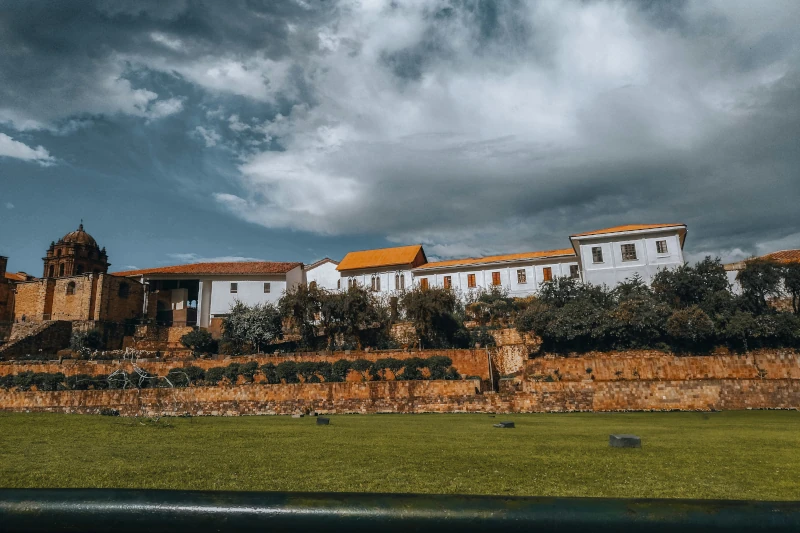
Known as the Temple of the Sun, Qorikancha was once the richest temple in the Incan Empire, with walls covered in sheets of solid gold. Today, the remnants of this majestic site can still be seen within the Santo Domingo Convent. The contrast between the Incan stonework and the Spanish colonial architecture offers a poignant glimpse into the history of cultural convergence and conflict. Visitors can explore the temple and its gardens, which provide insight into the astronomical and agricultural significance of the site.
The San Blas district, often referred to as the artisan district, is a haven for those interested in traditional crafts. Narrow cobblestone streets are lined with workshops and galleries where local artisans create everything from pottery to jewelry. As you wander through this charming neighborhood, you’ll have the chance to meet the artists themselves. It’s an ideal spot for picking up unique souvenirs while supporting the local economy. Take time to take a trip around the Sacred Valley, you can find other artisan markets equally astonishing around the Valley. Get the most of your trip visiting the ruins of Ollantaytambo, a must see site.
The route from Cusco to Puno offers several travel options. Each of them provides its own unique perspective on the stunning Andean landscape.
The train journey from Cusco to Puno is a luxurious experience that combines comfort with incredible views. The Andean Explorer, operated by Belmond, offers a scenic ride through the high plains of the Andes. Passengers can enjoy gourmet dining in elegant dining cars.Meals are prepared using fresh local ingredients that reflect the rich culinary traditions of Peru.
Observation cars with large windows allow for panoramic photography opportunities, making it easy to capture the stunning vistas of snow-capped peaks and remote villages. The train also offers a unique cultural experience with traditional music and dance performances on board.
For a more budget-friendly option, consider a bus tour that makes stops at key attractions along the route. Tour Packages often include visits to the Church of San Pedro de Andahuaylillas, known as the “Sistine Chapel of the Andes” for its stunning murals. The bus journey provides an opportunity to explore these sites in depth,. Guides will offer insights into the history and significance of each location. Additionally, the bus tour allows travelers to experience the diverse landscapes, from lush valleys to arid plains.
For those seeking independence and adventure, renting a car for a road trip offers the flexibility to explore at your own pace. This option allows for spontaneous stops at picturesque viewpoints and small villages. You can interact with locals and experience the authentic Andean way of life.
Driving through the Andes provides an exhilarating experience, with winding roads that offer breathtaking views at every turn. It’s a perfect choice for those who enjoy off-the-beaten-path exploration and wish to create a personalized travel itinerary.
Upon reaching Puno, Lake Titicaca awaits a vast, shimmering expanse of water that’s considered the highest navigable lake in the world. The lake is not only a natural wonder but also a cultural treasure, with a history that is deeply intertwined with the indigenous peoples of the region. The crystal-clear waters reflect the azure sky, creating a breathtaking panorama that is both serene and majestic. Visitors can take boat tours to explore the lake and its islands. Knowledge in form of the myths and legends that have been passed down through generations.

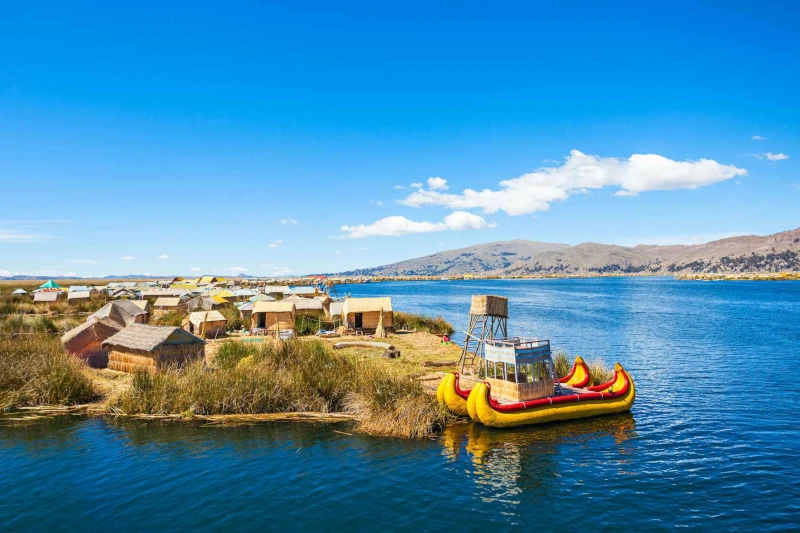
The Uros Floating Islands are a must-visit for anyone interested in unique cultural practices. These islands are made from totora reeds and are home to the Uros people. People have maintained their traditional way of life for centuries. A visit provides photographers with a chance to capture vibrant colors and intricate reed craftsmanship. Visitors can learn about the construction of the islands and the sustainable practices that have allowed the Uros to thrive in this unique environment. Interacting with the residents offers a glimpse into their rich cultural heritage and resilience.
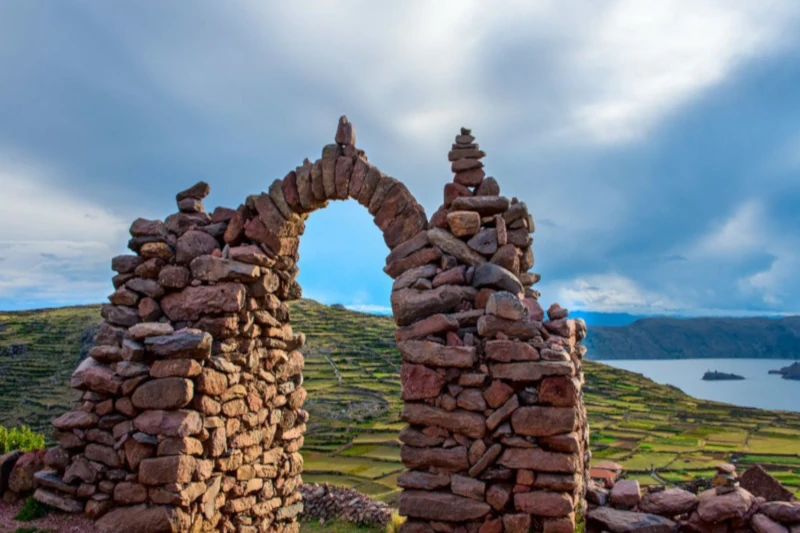
Further into the lake, Taquile Island is renowned for its textile art. The island’s community is known for producing some of the finest handwoven textiles in Peru. Which practice recognized by UNESCO as an Intangible Cultural Heritage. Visitors can observe the intricate weaving process and purchase unique pieces directly from the artisans. The island also offers stunning views of the lake and surrounding mountains, providing a peaceful retreat from the bustling city of Puno. For researchers, Taquile offers a wealth of information on traditional weaving techniques and social structures. Brings up opportunities to engage with the community and learn about their way of life.

Amantani Island, less frequented by tourists, offers an authentic cultural experience. Visitors can stay with local families. You will participate in daily activities and gaining insight into the island’s agricultural practices and community life. The island is known for its two peaks, Pachamama and Pachatata, which provide stunning views of the sunset over Lake Titicaca. A visit to Amantani allows for a deeper connection with the indigenous culture and a chance to experience the tranquil beauty of the lake.
Back in the city, Puno itself is a hub of folklore and festivals. The city’s rich cultural calendar is highlighted by the annual Festival of the Virgin of Candelaria, which features vibrant parades and traditional dances. The festival, a UNESCO-recognized event, showcases the diverse cultural expressions of the region. For those interested in cultural documentation, this festival is an unparalleled opportunity to witness and photograph Peruvian heritage in full display. Puno’s vibrant nightlife and local markets also offer a chance to explore the city’s unique character and hospitality. Get the most out your visit to Puno by taking the Ruta del Sol trip, you will get to know every temple an archaeological site around.
The best time to travel from Cusco to Puno is during the dry season, from May to October. This period offers the clearest skies for photography and the most comfortable conditions for exploring outdoor attractions. Travelers can enjoy the beauty of the Andean landscapes. You are safe from heavy rains, making it an ideal time for hiking and outdoor activities. The dry season also coincides with several cultural festivals, providing an opportunity to experience the vibrant traditions of the region and also visiting Machu picchu.
The Andean climate can be unpredictable, so pack layers to accommodate both chilly mornings and warm afternoons. Lightweight, breathable clothing is ideal for daytime, while warmer layers are necessary for cooler evenings. Don’t forget a high-SPF sunscreen, as the altitude increases UV exposur. For photographers, a polarizing filter can be invaluable for capturing the intense blues of Lake Titicaca and the vivid colors of traditional textiles.
Respect for local customs is crucial when visiting indigenous communities in the Andean region. Always ask for permission before taking photographs, as some communities have cultural or spiritual restrictions on photography. Engaging with locals in a friendly manner and learning a few phrases in Quechua or Aymara can enrich your interactions and provide deeper cultural insights. Showing appreciation for local traditions, such as participating in community rituals or ceremonies, can also enhance your travel experience.
For those with limited time, hiring a local guide can streamline your trip, ensuring you hit all the must-see spots without stress. Guides offer valuable local knowledge that enriches your understanding of each site, providing historical context and cultural anecdotes. They can also assist with logistics, such as transportation and accommodation, allowing you to focus on enjoying your journey. Booking tours or activities in advance is recommended to secure your spot, especially during peak travel season.
Traveling from Cusco to Puno is a journey that transcends mere sightseeing. It’s an exploration of Peru’s rich history adventure and culture, vibrant culture, and stunning landscapes. Whether you’re capturing the perfect shot or simply soaking in the beauty of the Andes, this route offers an unforgettable experience. With this guide, you’re equipped to navigate the highlights with ease, ensuring your adventure is as enriching as it is enjoyable. Enjoy your Peruvian journey!