Unforgettable Experiences: Private Machu Picchu Tours

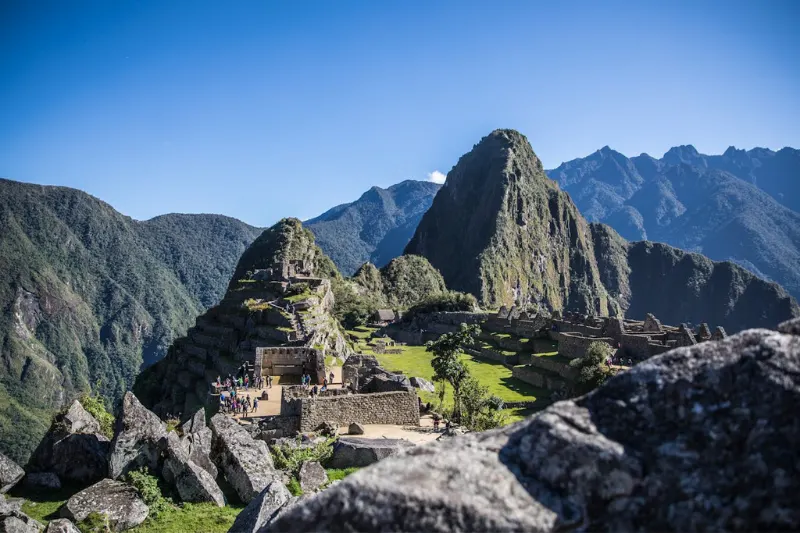
Standing at the Sun Gate with nobody pushing from behind hits different than any group tour ever could. Crowd dynamics at this Inca city wreck more trips than bad weather ever will, and travelers who show up unprepared for that reality usually regret it. Machu Picchu private tours hand the pace back to whoever is paying for the ticket. That alone changes what the ruins actually feel like.

Booking machu picchu travel sounds straightforward until the fine print shows up. Timed entries, train reservations, and bus windows all need to match perfectly or the day falls apart fast. A local expert who knows the system cold handles that side of things so the traveler doesn’t have to. Most people wish they’d hired one sooner.

machu picchu private tours

Navigating the High-Altitude Puzzle: How Private Logistics Save 4+ Hours of Stress

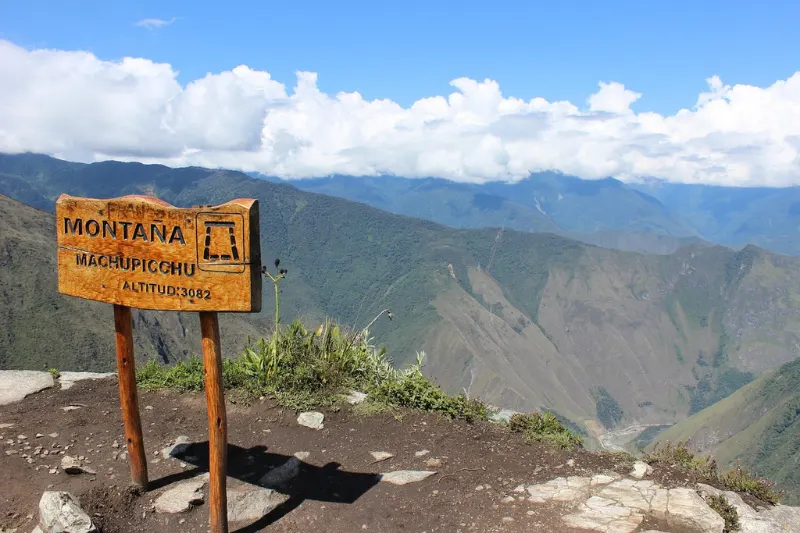
Altitude sickness doesn’t care how fit someone is or how excited they are to see the ruins. At 11,152 feet the body needs time, and travelers who fly straight in and push hard usually pay for it. Anyone researching how to avoid altitude sickness in Cusco will find the same answer everywhere: don’t sleep there on night one. The Sacred Valley sits lower and gives the body a real chance to adjust before the hard part starts.

Once acclimatized, getting to the ruins still means stacking several transport legs in the right order. A private guide builds that sequence in advance so nothing gets left to chance:

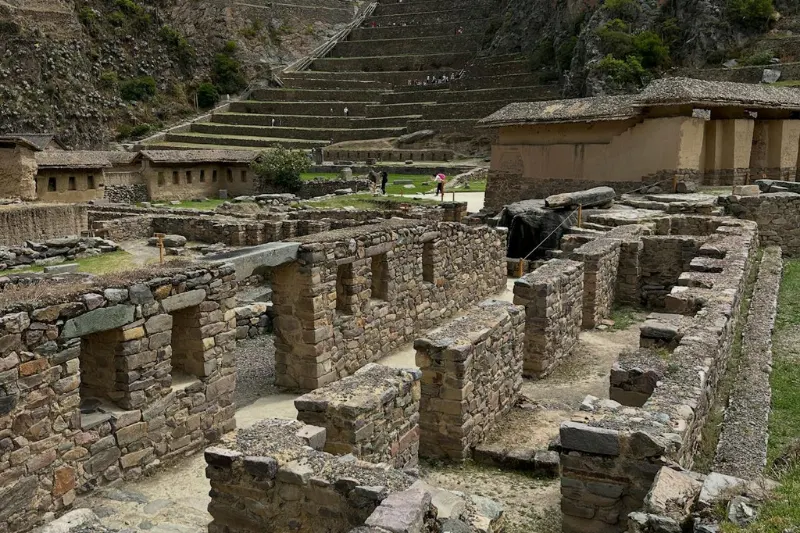
  • Private morning pickup through the Sacred Valley to Ollantaytambo station
  • Two-hour train ride running alongside the Urubamba River
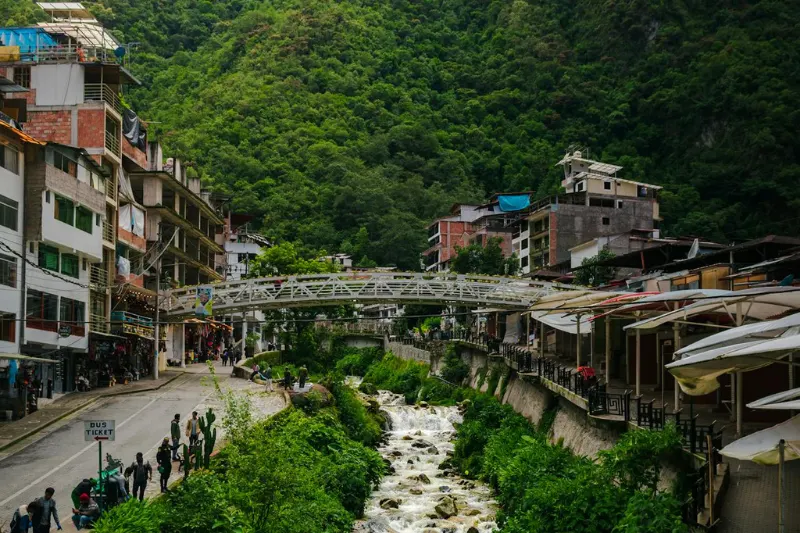
  • Arrival in Aguas Calientes, the small roadless town at the base
  • Guided boarding onto eco-buses up the switchback road
  • Arrival at the citadel gates with energy left to actually enjoy it

Picking a luxury train from Cusco to Machu Picchu is worth thinking through carefully. The Vistadome has wide glass panels that frame the shift from dry scrub into thick cloud forest. The Hiram Bingham runs a full 1920s dining car with meals and live music the whole way. Either one turns transit into something travelers talk about long after the trip ends.

The bus queue at Aguas Calientes is where unprepared visitors lose real time. A private guide already knows the system and holds the position while the traveler gets coffee and breathes. That calm arrival at the gates sets the whole tone for what follows.

Mastering the Five Circuits: Why the Entry Ticket Choice Determines the Entire Experience

Free-roaming inside the citadel ended a while back, and plenty of visitors still show up not knowing that. Authorities split the site into a strict one-way circuit system to protect the stone paths and manage daily flow. Every ticket locks the visitor into a specific numbered route with no backtracking allowed. Picking the wrong one means missing the exact spots that motivated the trip.

The upper routes deliver the panoramas that fill every travel feed and magazine spread. Following the Machu Picchu circuit 2 entrance rules means tracing the high agricultural terraces before dropping into the urban core below. The stairs are steep and uneven, so fitness matters before confirming that ticket. The views from up there, though, are exactly what most people picture when they think of this place.

The gap between circuit 1 and circuit 4 is really a question of what the traveler wants to stand next to. Circuit 1 stays elevated for wide photography of the full layout. Circuit 4 drops into the lower sector where the royal quarters and Temple of the Sun sit at eye level. Machu Picchu private tours regularly push guests toward the lower circuits when architectural detail or a gentler walk is the priority.

machu picchu private tours

Beyond the Stones: How Certified Bilingual Guides Reveal the Living History of the Inca

Without context, stone walls are just stone walls. Certified bilingual guides for Inca ruins are the part that turns those walls into a story worth carrying home. A solid guide skips the textbook language and points directly at the evidence, showing how blocks were shaped to interlock without mortar so the walls could flex during earthquakes instead of cracking apart. That explanation lands completely differently when the wall is right there.

The Intihuatana gets reduced to a sundial on most standard tours, which undersells it badly. Priests carved it straight from the bedrock and used it to track solstices and coordinate the agricultural calendar across a vast empire. Only a knowledgeable guide standing at the spot can separate that real history from the myths floating around online. The two versions of that story are not even close to each other.

Quechua vocabulary opens a layer of the visit that photographs never capture. A skilled guide introduces these terms at the right moment and the ruins suddenly carry more weight:

  • Pachamama: Mother Earth, goddess of nature and fertility
  • Inti: The Sun God, most powerful deity in the Inca world
  • Huaca: Any sacred object, place, or monument with spiritual meaning
  • Ayni: The Andean principle of reciprocity and communal support

Designing the Ultimate Sacred Valley Buffer: Why a Private Driver Outperforms the Train Alone

Boarding the train straight from Cusco is the obvious choice and regularly produces travelers who arrive at the ruins already worn out. Routing through the Sacred Valley first drops the elevation and cuts the train leg nearly in half by departing from Ollantaytambo instead. Two problems solved in one reroute. The physical difference by the time the gates open is noticeable.

Travelers who book a Sacred Valley itinerary with a private driver get flexibility that no printed timetable can offer. Stops happen when the scenery demands it, pace slows when the air feels thin, and unmarked dirt roads become options rather than obstacles. Buses and trains don’t bend that way. For families or anyone managing altitude sensitivity, that flexibility stops being optional pretty quickly.

The vehicle also reaches places the train skips entirely. Weaving in Ollantaytambo stops like the ancient salt pools at Maras or the circular terraces at Moray adds genuine texture to the day. A pause at a local Chicheria for fermented corn beer puts travelers briefly inside real Andean daily life. The best tailored tours Peru operators build those moments in because they know the road is half the experience.

machu picchu private tours

Choosing Your Path to the Sun Gate: Comparing Private Inca Trail and Lares Trek Experiences

Walking through the Sun Gate on tired legs after four days on the trail is a different category of arrival than stepping off a bus. The two main routes share only the final destination and almost nothing else. One threads through stone ruins on restricted ridgelines; the other passes through living villages that rarely see outside visitors. Private guided tours make either option work at a pace the individual can actually sustain.

The Inca Trail is capped at 500 people daily, guides and porters included, and that quota fills up fast. Huayna Picchu hiking permits on top of that disappear within hours of release most times of year. Anyone serious about this route needs to start planning six to eight months out with no exceptions. Treating it like a last-minute booking is how people end up disappointed.

Comparing Inca Trail vs Lares Trek private options shows a completely different kind of journey on the Lares side. Villages along that route still practice weaving and farming the same way they have for generations, and the trail stays quiet enough to actually think. Three things cut through the decision fast:

  • Permits: Inca Trail needs booking 6 to 8 months out; Lares needs no trail permit
  • Crowds: Inca Trail is busy daily; Lares stays genuinely quiet
  • Focus: Inca Trail is about ruins; Lares is about living communities

The Smart Traveler’s Pack List: Essential Gear for a Seamless Private Day Trip

The citadel sits right where the Andes drop into the Amazon basin, and the weather treats that position seriously. Knowing what to pack for a day trip to Machu Picchu comes down to preparing for both blazing sun and cold rain inside the same afternoon. Heavy gear stays at the hotel; fast-adjusting layers are what actually work up there. Insect repellent matters in the lower jungle-edge zones where the microclimate shifts noticeably.

Gate officials check documentation personally, and even travelers with a personal guide in Aguas Calientes must hand over their own paperwork. Photocopies get rejected on the spot, no negotiation. Five things need to be physically in the daypack the night before:

  • Original passport, no copies accepted
  • Printed or downloaded entry permit matching the passport name exactly
  • Reusable water bottle since single-use plastics are banned on site
  • Lightweight rain layer that packs down small
  • High-SPF sunscreen and a wide-brimmed hat

A small stamp desk just past the exit offers the official Machu Picchu passport seal. Most people walk right by it, legs aching and mind elsewhere. It takes thirty seconds and tends to be the souvenir people mention years later. Getting everything ready the night before means the morning is actually about the ruins.

machu picchu private tours

How to Secure a Premier Private Machu Picchu Experience

Anyone who has stood in a large tour group straining to hear a guide over wind knows instinctively why private works better. Machu Picchu private tours rebuild the visit around one person’s interests and pace instead of fitting them into a group schedule. The guide follows the traveler, not the clock. That one shift is what most people are actually paying for when they book this kind of trip.

Finding the right operator among the many offering tailored tours Peru visitors can trust takes a few specific checks before any money moves. DIRCETUR certification is the first filter, confirming legal standing with the Peruvian government. A short conversation directly with the actual guide, not the booking agent, reveals whether the language and storytelling style are a real fit. Two more steps protect the investment once that part checks out:

  1. Confirm circuit numbers on the tickets match the traveler’s physical condition and specific interests
  2. Get travel insurance that explicitly covers high-altitude excursions and trip interruptions

Booking the right machu picchu private tours operator is what finally pulls the logistics out of the way and lets the ruins do their job. With a certified guide, the right circuit, and a schedule built around genuine curiosity, the stones get the attention they were always worth.