Exploring the Mysteries of Pisac Ruins

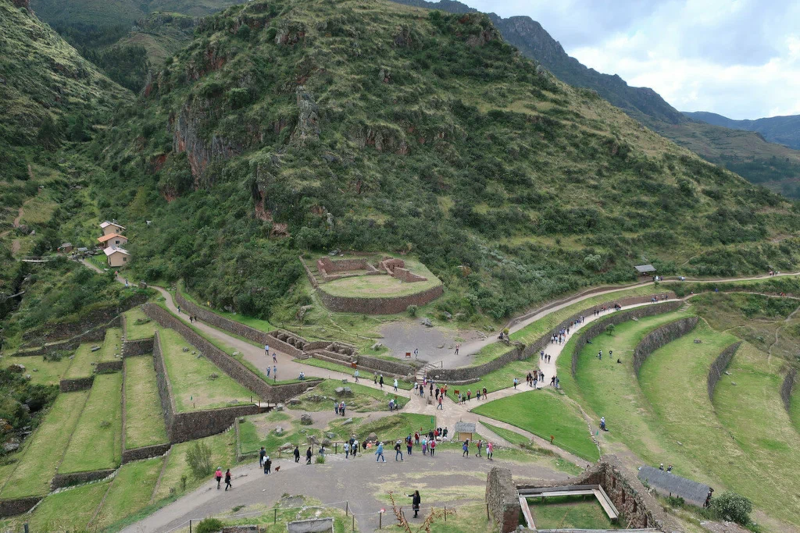
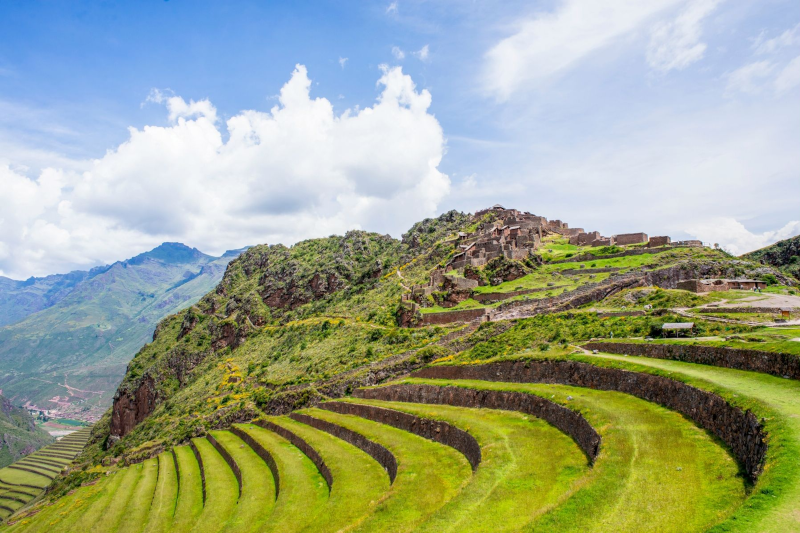
High above the winding Urubamba River, an entire mountain has been carved into giant green staircases. Spanning four square kilometers, the Pisac Ruins serve as the dramatic gateway to Peru’s Sacred Valley. According to historical land surveys, this sprawling complex is actually four times larger than Machu Picchu, stretching across a ridge that seems to defy gravity. These Pisac Inca ruins are among the most photogenic Pisac ruins Peru, drawing travelers who want an immersive look at Pisac history.

pisac ruins

Peering over the sheer drop-offs, you would question how these fertilized hillsides could endure centuries of torrents of rain, and to remain stationary without eroding down the steep cliffs. The secret lies in the andenes—ingenious agricultural terraces built like a massive, rock-walled layer cake. Inca engineers constructed a high-tech drainage system with a precise placing of individual layers of topsoil, sand, and large rubble and transformed steep cliffs into a flourishing breadbasket.

Why would an empire construct such an enormous settlement high in the clouds? Rather than just a remote farming outpost, this mountaintop marvel served a deliberate three-tier purpose: cultivating vital crops, housing nobility in secure stone villages, and offering a sacred space for worship. Exploring Pisac today reveals much more than ancient stones; it uncovers a complete, self-sustaining world suspended in the sky.

How to Master the Sacred Valley Tourist Ticket and Logistics

On your way to Cusco – Pisac you enter the old world. The cheapest way is the colectivo, a common transit van driven by the locals, and it will arrive after some interval of time near Puputi Street. It is just 45 minutes of scenic riding and you are right into the middle of town. Timing is the key to this trip; it is decided that a Sunday is the most appropriate day to visit the traditional market of Andean artisans selling colorful textile and fresh produce, and before you go to the mountain.

Before exploring the Pisac archaeological site and planning a Pisac Ruins tour, secure the proper entry pass. There are no single-entry tickets to the ruins. Rather, you should have the Boleto Turistico (Tourist Ticket), a regional access pass of a passport type. Select your pass depending on your itinerary:

  • Partial Ticket (70 Soles): This ticket is available two days in a row, and it is the best choice in case one wants to have the quick valley tour and nests of Pisac and three other neighboring attractions.
  • Full Ticket (130 Soles): It includes the permissions to fourteen archaeological parks and museums throughout the Cusco region in ten days.

With your pass secured, a short taxi ride carries you high above the valley floor to the archaeological entrance of the Pisac ruins. When you get outside the Andean atmosphere you see at first sight the vast size of human engineering.

The Vertical Farm: Decoding the Genius of Inca Agricultural Terraces

When gazing at the sweeping lines of the ruins, you may even think that it is a set of huge green stairs and not mere farming plots. They are elaborate retaining walls, carefully engineered with a sophisticated internal structure. Builders filled the base of each step with large stones to absorb the constant Andean rains, then added layers of gravel, sand, and finally rich topsoil collected from the valley. This exact stratification formed an ideal time of draining, and also provided the terraces with pliable, earthquake provision ground, which has endured firmly in more than five hundred years.

pisac ruins

The brilliance of this design was the fact that it could work with the rough weather of the mountains. The heavy stone walls took in the great high-altitude sunshine during the daytime. At night, some stones cooled rapidly and acted as thermal reservoirs, gradually releasing stored heat back into the soil. This deliberate application of the thermal mass, formed artificially based microclimates at varying elevations such that the farmers could experiment successfully with crops such as corn that were well above their natural freezing point in real life.

To sustain this vertical agricultural center, the Incas designed a masterpiece of water management, which we can still see today in the complex irrigation system. As modern plumbing that operates only by gravity, stone-lined channels caught the mountain spring water and evenly dispersed it in all the levels. This was important engineering, although an accurate knowledge of when to plant entailed the observation of celestial motions.

Inside the Sun Temple: The Science of the Intihuatana Solar Clock

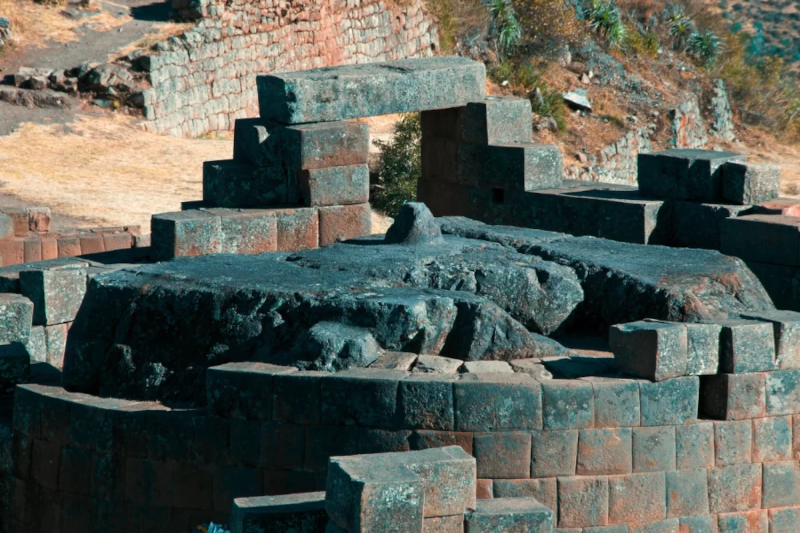
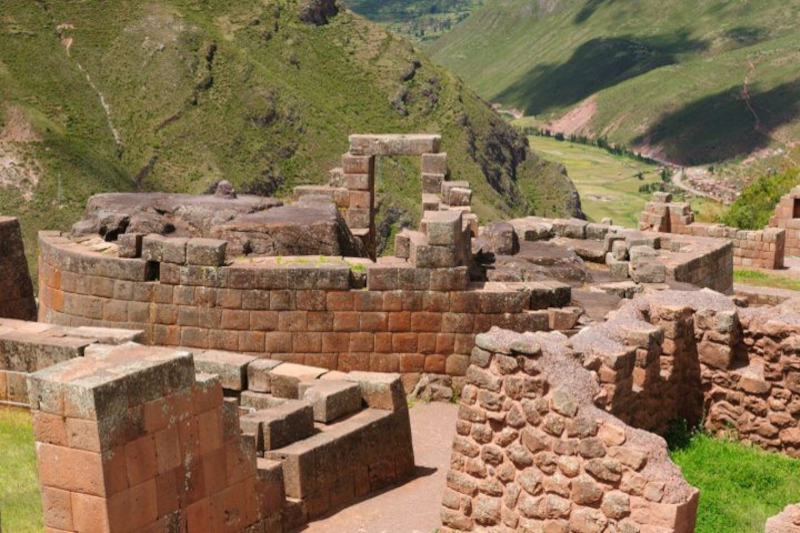
The ceremonial heart of the complex can be found above the terraces. Approaching the Temple of the Sun, the stonework dramatically changes. The rough fieldstones of common villages—a rustic style called pirka —give way to imperial ashlar masonry. Builders cut these massive granite blocks to fit together like a giant puzzle, joining them so precisely that not even a sheet of paper can pass between them.

pisac ruins

The doorways and windows are slightly sloping outward at the top, which uses trapezoidal architecture. It was an ingenious engineer’s idea of a seismic region. The low-lying location of the center of gravity allowed the Incas to make sure that these massive constructions were resistant to earthquakes that ruined subsequent colonial buildings with ease.

The Intihuatana of Pisac, or “hitching post of the sun,” is a carved pillar which is at the centre of this sanctuary. The ritual importance of it is a long way beyond reckoning time. On the shortest day of the winter solstice, the priests used to figuratively have the sun bound to this stone so that the life-giving deity would not run out of the empire and come back to warm their crops in good faith.

This celestial alignment proves how deeply survival was tied to natural rhythms and to Pisac history. Yet, reverence wasn’t reserved only for the living or the stars overhead.

The Mountain of the Dead: Navigating the Tantana Marka Cemetery

Looking across the gorge from the Sun Temple, a vertical cliff reveals thousands of small openings. This is Tantana Marka, the largest ancient Inca mountain cemetery. Instead of the dead being buried in the ground, builders put their bodies in a steep niche of the rock and turn the mountain to a massive necropolis.

The placement of these graves on a sheer incline was intentional. The families had made sure that their ancestry could get panoramic eternal views of the Urubamba Valley at the same time being close to deities of the mountains. Unfortunately, this greatness afterwards became the drawing of huaqueros (grave robbers). Over time, looters broke the stone seals of the tombs to steal the buried gold, leaving the tomb walls exposed and empty.

Although they destroyed this wall, it still shows that the Incas viewed death as an extension of life, believing that ancestors actively watched over the living. Ancient mourners made a tremendous physical effort to reach these dizzying heights, and the same demanding landscape continues to challenge modern visitors.

pisac ruins

Survival at 11,000 Feet: Expert Tips for Hiking Pisac’s Steepest Trails

To experience the ruins fully, follow the primary hiking trail—one of the classic Pisac hiking trails—from Pisac town to the citadel. This steep, two-hour ascent climbs over 1,000 feet in elevation. Imagine walking up a modern skyscraper’s stairwell in very thin air; pacing is critical to reach the upper terraces comfortably.

Breathing at this height introduces a unique physical challenge known locally as soroche (altitude sickness). To keep dizziness and fatigue at bay, acclimate in a lower-elevation town for two days before attempting this hike. Hydrate continuously to help your blood carry its limited oxygen supply, and consider sipping traditional coca tea—an ancient Andean remedy that acts like a mild stimulant to settle the stomach and boost energy.

The Andes mountains are characterized by unpredictable weather which changes quickly between scorching sun and frigid weather. Your day-pack must include:

  • High-UV sunscreen (the thin atmosphere burns skin quickly)
  • 2 liters of water
  • Sturdy trekking shoes to navigate uneven stones
  • Breathable clothing layers
  • High-energy snacks

The Pisac Peru ruins reward patient hikers with sweeping Sacred Valley views.

Pisac vs. Ollantaytambo: Which Sacred Valley Icon Should You Prioritize?

Choosing an itinerary often requires deciding between major archaeological sites. When comparing the Pisac and Ollantaytambo ruins, the decision comes down to their distinct historical roles. Pisac functioned as a sprawling agricultural estate and spiritual retreat, while Ollantaytambo served as a formidable military fortress guarding the valley.

Look closely at the steep cliffs above these valleys, and you will spot small, honeycomb-like stone buildings. These are qolqas–antique stores. Instead of using refrigeration, they took advantage of the mountain winds and refrigerated the crops naturally to represent the ancient walk-in freezers. These fundamental differences may guide your choice on what destination to visit according to the time of your schedule:

  • Pisac: One of the most expansive farms resembling mountain terraces, elaborate sun-temples and a challenging hike involving high altitude.
  • Ollantaytambo: An example, a current Inca city and military base measuring impressive defensive walls, huge ceremonial rocks, and an approachable level to the valley.

Tourists who want the convenience of fortress architecture take Ollantaytambo, and those that like hiking take Pisac.

Your Pisac Action Plan: Transforming Your Visit into a Journey Through Time

The realization of the masonry which is earthquake proof and gravity-resistant terraces is a genius that transforms how you experience these ruins. The Incas beautifully blended deep religious convictions with superior engineering and made a mountain top on the Andes into a self-contained village.

To have a very effective day, organize your tour by going up-down the upper part of the agricultural sector then gradually towards the complex Sun Temple. As you pass these old roads, follow your hand on the granite walls which are so rightly designed. It is a vibrant legacy of human strength that continues to reverberate in the Sacred Valley even today.